 1500+ reviews

Beyond Monthly Sprays: Advanced Pest Prevention for Restaurants to Avoid Health Violations
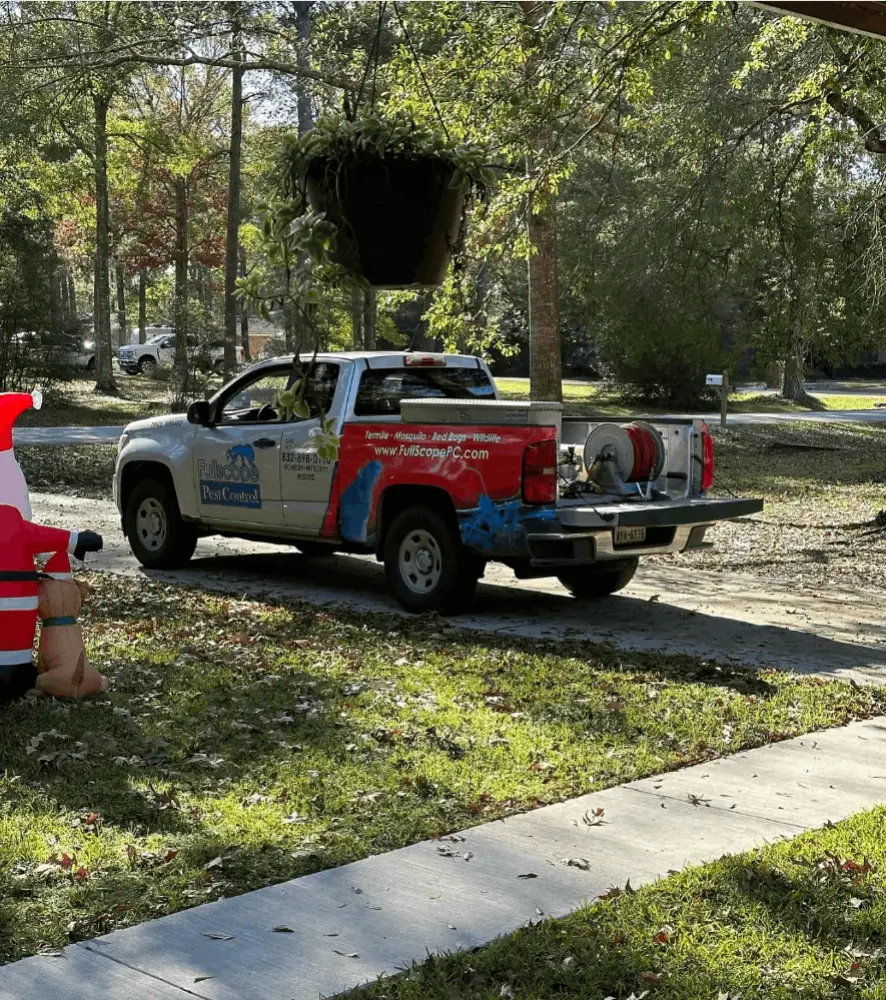
For restaurant owners and commercial kitchen managers, few things are as detrimental as a pest infestation. Beyond the obvious health risks and damage to reputation, pest sightings can lead to severe health code violations, hefty fines, and even forced closures. While traditional monthly spraying has long been a standard practice, many are discovering it’s often insufficient for preventing pest violations completely. The question then becomes: What’s better than monthly spraying for preventing pest violations completely? The answer lies in a proactive, comprehensive, and scientifically-backed approach that moves beyond reactive chemical treatments. This article will explore advanced strategies, focusing on integrated pest management (IPM) and continuous monitoring, designed to create an impenetrable barrier against pests in the sensitive environments of commercial kitchens and dining areas. Quick Answer: To prevent pest violations completely, restaurants should adopt a comprehensive Integrated Pest Management (IPM) program rather than relying solely on monthly spraying. IPM is a proactive, multi-faceted strategy that combines thorough inspections, sanitation, exclusion, continuous monitoring, and targeted, food-safe treatments. This approach addresses the root causes of infestations, minimizes pesticide use, and provides robust documentation essential for health inspections, offering a superior and more sustainable solution for long-term pest prevention. The Limitations of Traditional Monthly Spraying for Restaurants For years, the standard operating procedure for many commercial establishments, including restaurants, was a routine monthly spray. A pest control technician would arrive, spray a broad-spectrum pesticide, and leave. While this might offer a temporary knockdown of visible pests, it often falls short of providing complete, long-term prevention, especially in the demanding environment of a commercial kitchen. Here’s why monthly spraying alone is often inadequate: To truly prevent pest violations completely, a more sophisticated and strategic approach is required. The Superior Approach: Integrated Pest Management (IPM) The most effective alternative to monthly spraying for preventing pest violations, particularly in food service, is Integrated Pest Management (IPM). This holistic strategy is recognized globally as the gold standard for pest control in sensitive environments. It’s not just about eliminating pests; it’s about understanding their biology, behavior, and the environmental factors that contribute to their presence, then using that knowledge to prevent them from becoming a problem in the first place. What is IPM? Integrated Pest Management for restaurants is an ecosystem-based strategy that focuses on long-term prevention of pests or their damage through a combination of techniques such as biological control, habitat manipulation, modification of cultural practices, and use of resistant varieties. Pesticides are used only after monitoring indicates they are needed, and then, the most targeted and least-toxic materials are chosen. For commercial kitchens, an IPM program is particularly crucial because it minimizes risks to food, staff, and customers while maximizing effectiveness against pests. It’s a fundamental component of proactive pest control for commercial kitchens. Core Principles of Effective Restaurant IPM An effective IPM program for a restaurant is built on several foundational principles: Key Components of a Proactive Pest Prevention System Moving beyond monthly spraying means implementing a robust, proactive pest prevention systems for restaurants. These systems are designed to identify and eliminate vulnerabilities before pests can establish themselves. 1. Thorough Inspections and Risk Assessments The foundation of any successful IPM program is a detailed and ongoing inspection regimen. This goes far beyond a quick walk-through. Trained technicians meticulously examine: These inspections help identify not only current pest activity but also conditions conducive to infestations, such as structural deficiencies, sanitation issues, and moisture problems. 2. Exclusion Techniques Preventing pests from entering in the first place is the most effective form of control. Exclusion involves sealing off potential entry points. This includes: 3. Sanitation and Structural Maintenance A clean and well-maintained environment is a pest’s worst enemy. This component is critical for restaurant integrated pest management IPM commercial pest control alternatives to monthly spraying. 4. Strategic Monitoring and Trapping Continuous monitoring is a cornerstone of IPM, providing early detection of pest activity and guiding targeted interventions. This can involve: 5. Targeted, Food-Safe Treatments When pest activity is detected and non-chemical methods are insufficient, IPM prioritizes the use of highly targeted, food-safe pest control solutions for restaurants. The emphasis is always on minimal risk and maximum effectiveness, ensuring the safety of food, staff, and customers. Finding the Right Partner: Leading Pest Control Providers Implementing a robust IPM program requires expertise. Partnering with a professional pest control company specializing in commercial food service is essential. Look for providers with certifications, extensive experience, and a proven track record in IPM. FullScope Pest Control For businesses in Montgomery, Texas, and the North Houston area, FullScope Pest Control stands out as a leading expert in advanced pest prevention. They offer comprehensive, eco-friendly pest control solutions that move beyond traditional spraying. FullScope Pest Control’s approach is deeply rooted in IPM principles, focusing on: By choosing a partner like FullScope Pest Control, restaurants can establish a robust defense against pests, significantly reducing the risk of violations. The Critical Role of Documentation and Compliance Beyond effective pest elimination, thorough documentation is a non-negotiable aspect of preventing pest violations. Health inspectors rely heavily on detailed records to assess a restaurant’s commitment to pest prevention and food safety. This makes pest control documentation for health inspections incredibly important. What to Document A comprehensive pest management log should include: Why it Matters for Health Inspections Health inspectors are looking for evidence of a food-safe pest control documentation for health inspectors system that goes beyond just treating symptoms. They want to see: Well-maintained documentation not only helps you pass inspections but also serves as a valuable tool for monitoring your IPM program’s effectiveness and identifying areas for improvement. Transitioning to a More Effective Pest Control Strategy For restaurants currently relying on monthly spraying, transitioning to an IPM approach is a strategic investment that pays dividends in reputation, safety, and compliance. Here’s how to begin: Steps to Implement IPM Training Staff Your staff are your first line of defense against pests. Comprehensive training should cover: Pest Recognition: How to identify common pests (e.g., roaches, rodents, flies) and signs of