 1500+ reviews

Comprehensive Guide to Food-Safe Pest Control for Homes and Businesses
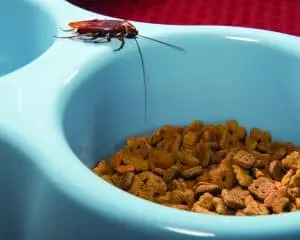
Pests are never welcome, but when they show up in food environments in Montgomery, Texas—whether it’s a restaurant, cafeteria, processing plant, or even your own kitchen—the risks multiply. Food contamination can cause serious illness, invite hefty fines, shut down operations, and damage a business’s reputation overnight. That’s why food-safe pest control is more than a best practice—it’s a necessity. This guide explores safe, effective pest control solutions for food-handling areas, with strategies for both commercial and residential settings. From preventative, non-chemical measures to professional treatments, you’ll learn how to keep pests out while keeping your food environment safe and compliant. Why Food-Safe Pest Control Matters Food-safe pest control isn’t just about killing pests. It’s about doing so without introducing risk to food, food prep surfaces, or people. This is especially vital in regulated spaces like restaurants, hotels, schools, hospitals, and food manufacturing facilities. The main drivers for food-safe practices include: The Quick Answer: Best Food-Safe Pest Control Options The safest and most effective programs use Integrated Pest Management (IPM)—a prevention-first strategy. Key elements include: The Foundation: Integrated Pest Management (IPM) IPM is the gold standard for food environments. It’s proactive, environmentally responsible, and focused on prevention. Core elements of IPM include: Non-Chemical Food-Safe Pest Control Options Non-chemical solutions should always come first in kitchens and food facilities. 1. Sanitation & Hygiene 2. Exclusion 3. Mechanical & Physical Controls Food-Safe Chemical Pest Control When infestations demand chemical intervention, the key is careful, targeted use of low-toxicity options: Application techniques include: Specialized Pest Control for Commercial Kitchens Restaurants and cafeterias face constant pest pressure. The best programs emphasize: Common food-service pests include: Choosing the Right Pest Control Partner The right partner ensures food safety, compliance, and peace of mind. Look for providers who: FullScope Pest & Lawn, based in Montgomery, Texas, has over 30 years of experience serving North Houston. Their team specializes in food-safe, eco-conscious pest control for both commercial and residential clients, focusing on prevention, compliance, and long-term protection. Technology & Compliance Modern food-service pest control uses: During inspections, you’ll need records of: FullScope provides clear, detailed reports to ensure compliance and peace of mind. Building a Lasting Food-Safe Program Effective pest control is a continuous process, not a one-time treatment. Success requires: Common Food-Service Pests and Safe Solutions ✅ Bottom line: Food-safe pest control protects more than food—it protects health, reputations, and businesses. With prevention-focused IPM, smart non-chemical tools, and careful use of food-safe products, you can keep kitchens and food facilities pest-free, safe, and fully compliant. Frequently Asked Questions – Restaurant Pest Control & Health Codes (Montgomery, TX) Q1: What are the most common pest-related health code violations in Montgomery restaurants?The most frequent violations involve evidence of rodents or cockroaches, improper food storage, unsealed entry points, and a lack of documented pest control. These issues can lead to citations, fines, or even closures during inspections. Q2: How often should restaurants schedule pest control to stay compliant?Most restaurants in Montgomery benefit from monthly professional pest control services, along with routine inspections and monitoring. High-traffic or high-risk environments may require more frequent visits to meet health code standards. Q3: Do health inspectors require pest control documentation?Yes. Inspectors expect to see detailed service reports from a licensed pest control provider. FullScope provides thorough records of inspections, treatments, and recommendations so you’re always prepared. Q4: What pests are inspectors most concerned about in restaurants?Health inspectors are especially alert to signs of cockroaches, rodents, and flies, as these pests spread disease and can contaminate food prep areas. Ants and stored-product pests (like moths) may also be noted. Q5: Are chemical treatments allowed in food prep areas?Yes, but only under strict conditions. Products must be EPA-approved, food-safe, and applied carefully to non-food surfaces. At FullScope, we prioritize Integrated Pest Management (IPM) to minimize chemical use and ensure full compliance. Q6: How can restaurants in Montgomery prevent pest-related health code issues?Prevention is key: