1500+ reviews

Spring brings longer walks, greener lawns, and more time outdoors with pets. It also marks the start of peak activity for fleas and ticks. As temperatures rise and humidity increases, these parasites become more active in yards, parks, and shaded outdoor areas. Homes with pets are especially vulnerable because animals can unknowingly carry them inside.
From a professional standpoint, flea and tick issues rarely begin indoors. They typically start outside and move in gradually. Early intervention and structured prevention are essential to protect both pets and family members from discomfort and potential health concerns.
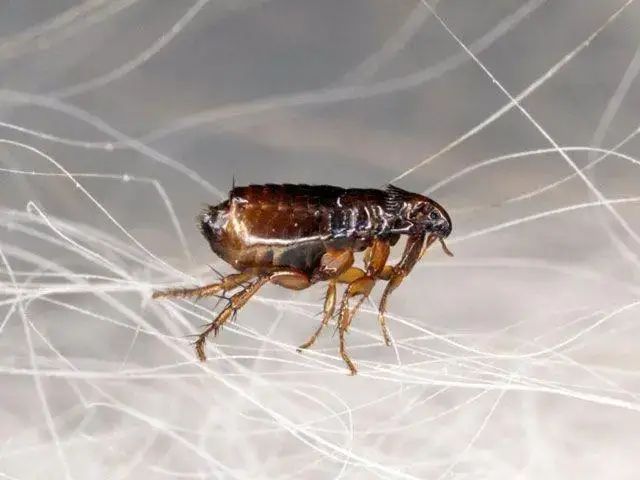
Why Fleas And Ticks Thrive In Spring
Fleas and ticks respond strongly to environmental changes. Warmer temperatures and increased humidity create ideal breeding conditions. Even mild winters can allow populations to survive and rebound quickly in spring.
Key environmental triggers include:
- Rising soil temperatures
- Increased rainfall and irrigation
- Dense grass and shaded landscaping
- Wildlife movement through neighborhoods
Fleas lay eggs that fall into carpets, pet bedding, and yard debris. Ticks wait in tall grass or shrubs and attach to passing animals. Once attached to pets, both pests can enter the home.
Spring conditions accelerate their life cycles. Fleas, in particular, reproduce rapidly when temperatures remain moderate. Without early control measures, populations can multiply before homeowners realize there is a problem.
Homes with dogs and cats are at higher risk because pets provide blood meals that support ongoing reproduction. Addressing the issue at the first sign of activity reduces the likelihood of indoor infestation.
How Pets Bring Infestations Indoors
Pets are often the bridge between outdoor exposure and indoor infestation. Even short walks or time spent in the yard can result in contact with fleas and ticks.
Common exposure pathways include:
- Pets brushing against tall grass
- Resting in shaded mulch beds
- Contact with other animals
- Entering crawl spaces or wooded areas
Once inside, fleas can drop off pets and begin laying eggs in carpets, rugs, and upholstered furniture. Ticks may detach in living areas, increasing the risk of human contact.
It is important to understand that seeing one flea or tick often means more are present. Because eggs and larvae are not easily visible, infestations can expand quietly.
Professional flea and tick control strategies focus on both indoor and outdoor environments. Treating only the pet without addressing environmental stages often leads to reinfestation.
Yard Conditions That Support Flea And Tick Activity
Outdoor conditions play a major role in pest development. Spring landscaping practices can unintentionally create ideal habitat zones.
Risk factors around the home may include:
- Overgrown grass along fence lines
- Piles of leaves or organic debris
- Excess moisture near foundations
- Limited sunlight in dense shrubbery
Ticks prefer humid, shaded areas where they can avoid drying out. Flea larvae develop in soil and debris where pets rest. Yards that are not regularly maintained can sustain populations even if interior areas are treated.
Wildlife such as rodents can also carry fleas and ticks into yards. Because these pests move between hosts, eliminating them requires a comprehensive approach.
Long-term prevention often benefits from structured monitoring and scheduled service. As explained in discussions about recurring pest protection, consistent treatment helps reduce seasonal rebounds and maintain stability throughout the year.
Health Risks Associated With Fleas And Ticks
Beyond discomfort, fleas and ticks pose health concerns for both pets and people. Flea bites can cause itching, allergic reactions, and skin infections in animals. Heavy infestations may even lead to anemia in severe cases.
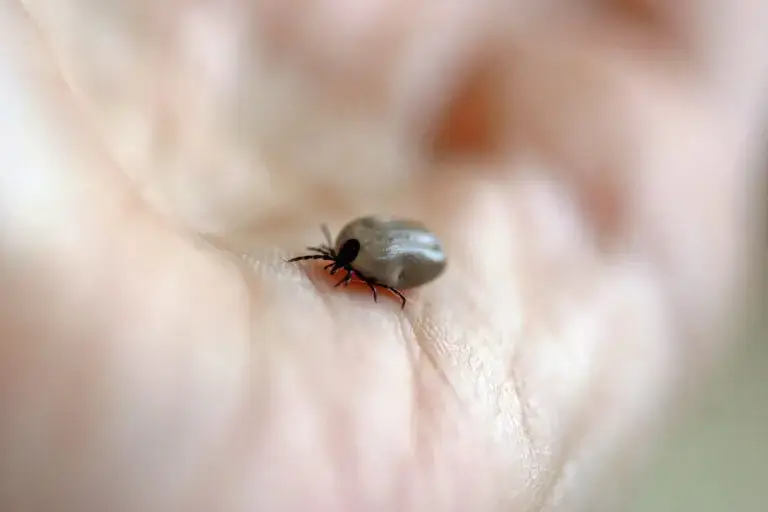
Ticks are known carriers of several diseases. When attached for extended periods, they can transmit pathogens to pets and humans. Early removal reduces risk, but preventing attachment remains the most effective strategy.
Common concerns include:
- Persistent itching and skin irritation
- Secondary infections from scratching
- Disease transmission through tick bites
- Infestations spreading to multiple rooms
Professional flea and tick control reduces these risks by targeting multiple life stages. Treatment plans often include yard applications, interior treatments, and environmental guidance for pet areas.
Homes are not the only environments at risk. Properties with shared outdoor spaces or higher foot traffic may require customized planning, similar to strategies discussed for commercial environments. Tailored approaches improve effectiveness and reduce recurring problems.
Why Professional Flea And Tick Control Is Essential In Spring
Spring is the ideal time to intervene before populations peak. Once fleas and ticks become established, treatment becomes more complex and may require multiple applications.
Professional evaluation provides:
- Identification of infestation severity
- Targeted yard and interior treatments
- Recommendations for habitat modification
- Ongoing monitoring to prevent reinfestation
Do-it-yourself approaches often focus on surface-level treatments. However, fleas spend much of their life cycle as eggs and larvae hidden in fibers or soil. Ticks may remain in shaded yard zones that are overlooked.
Structured treatment addresses both visible pests and hidden stages. Coordinated efforts between yard management and interior protection significantly reduce the likelihood of recurrence.
Homes with pets require special attention to ensure safety and precision during treatment. Professional technicians apply products strategically to minimize exposure while maintaining effectiveness.
Spring offers a window of opportunity. Acting early prevents minor activity from becoming a widespread infestation during the warmer months ahead.
Protect Your Pets Before Activity Peaks
If you have noticed scratching, bites, or signs of fleas or ticks around your property, now is the time to act. Contact Fullscope Pest Control to schedule a professional evaluation and implement a comprehensive protection plan for your home and pets this spring.