 1500+ reviews

When to Call a Professional Against Wasps
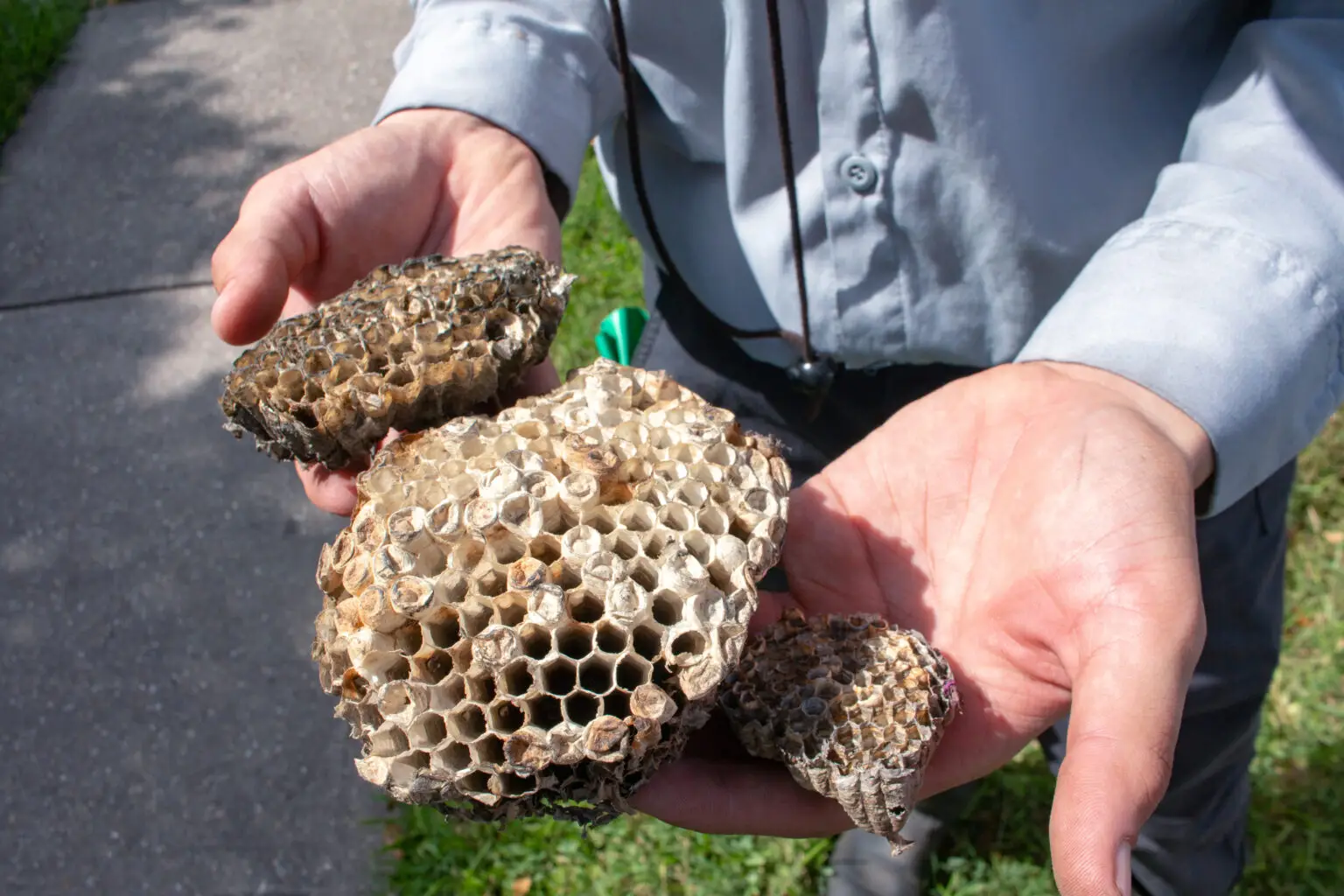
Spotting a wasp or two outside might not seem like a big deal at first, but when nests start appearing on your property or wasps become more aggressive, the risks escalate quickly. Wasps are territorial, fast-moving, and capable of stinging multiple times, traits that make them dangerous when nests are built too close to your home, outdoor seating areas, or children’s play spaces. For homeowners in regions where wasp activity is common, knowing when to contact a professional pest control provider can prevent serious stings and ensure complete, long-term removal. This article breaks down the signs of wasp infestation, what dangers they pose, and the situations that warrant expert wasp control solutions. Signs You’re Dealing with a Nest Occasional wasp sightings during the warmer months are normal, but when activity increases or multiple wasps are seen in a concentrated area, a nest may be nearby. It’s important to know where to look and what to recognize before the situation escalates. If any of these signs appear, there’s likely an established nest either on or near your property. Leaving it undisturbed may seem safer, but nests grow over time and can become significantly harder to remove once the colony matures. The Risks of DIY Wasp Removal It may be tempting to take down a wasp nest with over-the-counter sprays or knock it down with a broom, but this often makes the situation more dangerous. Wasps defend their nests aggressively and can sting repeatedly if threatened. Many homeowners underestimate just how fast a swarm can respond to perceived danger. Even a single sting can lead to intense pain or allergic reactions, and multiple stings may require emergency care, especially for children, pets, or individuals with known allergies. Some nests are also built in difficult-to-access places like wall voids, chimneys, or under siding, making proper removal nearly impossible without special equipment. For those unsure of the nest’s size or wasp type, DIY removal poses too many unpredictable variables. To better understand which species you might be dealing with, this article on different types of wasps breaks down the behaviors and nest habits of the most common ones. When the Nest is Hidden or Wasp Activity Increases There are times when you won’t see the nest, but you’ll see the warning signs. Wasps entering and exiting the same point of the house, such as a gap in siding, roof vents, or brick joints, often indicate a hidden nest. In-wall nests can cause structural damage if left unchecked, as the colony expands and chews through materials. You may also notice increased wasp activity in and around your outdoor spaces. If they begin to hover aggressively near patios, grills, or garbage bins, they may be foraging for food or defending a nearby nest. In some cases, wasps will even establish nests beneath ground cover or mulch, posing unexpected threats to anyone walking nearby. Escalating activity with no visible nest is a common reason to call a professional. Experts have tools to track entry points, locate concealed nests, and remove them without spreading the colony or provoking attacks. For practical removal strategies, this article on expert wasp exterminator tips explains what to expect from safe and successful treatment. How Professionals Handle Wasp Control Safely Certified wasp control technicians are trained to identify wasp species, nesting behaviors, and the safest removal techniques based on the situation. Their approach focuses on full nest removal or neutralization with minimal risk to people, pets, and property. Wasp nests can regenerate quickly if not completely neutralized. Professionals understand the biology of each wasp species and use that knowledge to ensure complete elimination, not just temporary relief. Why Timing Matters More Than You Think The earlier you address a wasp infestation, the safer and easier it is to resolve. During the early spring or summer, nests are smaller and less aggressively defended. Waiting until late summer or early fall, when colonies reach peak size, increases the danger of removal and the likelihood of swarming behavior. Also, wasps often return to the same sites year after year. A history of nests around your home is a strong indicator that preventive treatment is needed, even before activity begins. This proactive step helps avoid repeat infestations and the risks associated with growing colonies. Partnering With Fullscope Pest Control If you’ve had more than one nest in a season or have seen wasps reappear in the same spot, professional treatment is the most effective long-term solution. If you’re noticing signs of wasp activity or suspect a hidden nest, don’t wait for it to become a hazard. Contact Fullscope Pest Control to schedule a safe, expert inspection and wasp control service tailored to your property.
What to Know About the Different Types of Wasps
Wasps are actually very important to nature in pollination and pest control; however, most get a bad reputation because of their stingers and general aggressive behavior. The important thing is to be familiar with the most common types, their behaviors, and characteristics, as it will be great for safe coexistence with these wasps. However, if they become dangerous or become a threat, then an expert wasp control service can always be available to offer effective solutions. This guide looks at the most common wasp species and their ecological roles. Most Common Types of Wasps Paper Wasps Paper wasps are long-legged, slender insects with brown or yellow markings. They create umbrella-shaped nests out of chewed wood fibers that they mix with saliva and locate them under eaves, tree branches, and other situations. Generally non-aggressive, they sting only when their nests are threatened. They are effective pest controllers and pollinators in the garden owing to their predation habits on caterpillars. Yellowjackets Yellowjackets are also referred to by many people as black and yellow-striped wasps and are extremely social and aggressive insects. They form very large nests with thousands of wasps located underground or inside a void in a wall. General scavengers of human food, they often become a nuisance at outdoor events but they do provide very effective natural pest control: most of their prey items are harmful insects. Hornets Hornets are larger and usually more aggressive compared to other wasps. They normally create huge, paper-like nests, which are hung from trees or eaves. They typically create enormous, papery nests that they suspend from trees or eaves. Hornets have black bodies with whitish markings. Protective of their nests, hornets will sting when threatened. Their general size and behavior make them intimidating, yet substantial in their role within ecological balance. Cicada Killers Cicada killer wasps can grow to be two inches long, making them among the biggest wasp species. Despite their intimidating size, they actually are not at all aggressive, as well as very seldom sting people. They dig burrows into the sandy ground and get their name from a habit of hunting cicadas for young ones to feed on. Preventing Wasp Problems Around Your Home You must ensure that wasps cannot enter your home through any openings by sealing all holes and crevices in the structure. This includes windows, doors, and walls. Trash bins should also be kept tightly sealed, and one must not leave sugary food and drinks outdoors. Larger nests and aggressive wasps pose more problems and may be dealt with by expert wasp control services for safety and efficiency. Conclusion Wasps are very helpful to the environment, but when they build their homes far too close for comfort, they can become an unsavory threat to your home and family. Don’t let wasps interfere with your peace of mind; Fullscope Pest Control will provide professional and efficient services that cater to your unique situation. Our experienced team can keep you safe from wasps and protect you for years to come so that you can enjoy your outdoor living space without stress. Keep your family and home safe from harm with Fullscope Pest Control’s expert wasp control services; call us today!
Wasp Exterminator Tips for Effective Pest Control
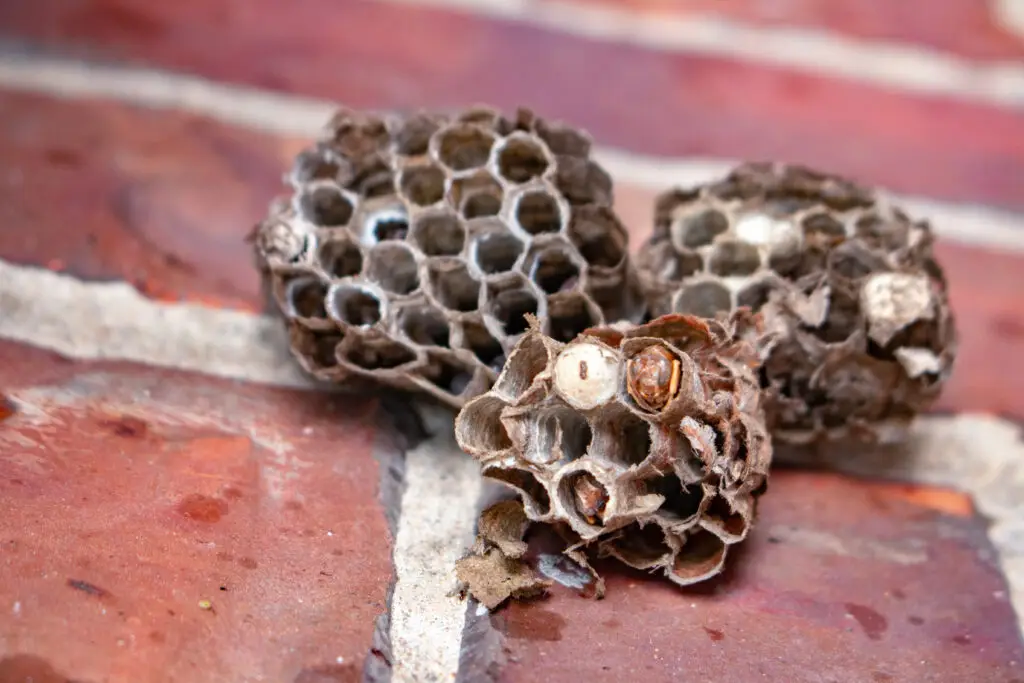
Key Highlights Identifying the specific wasp species is crucial for effective wasp control and to ensure the protection of beneficial bees. While some DIY methods can be effective for small wasp nests, professional wasp extermination services are often necessary for larger infestations or nests located in hard-to-reach areas. Introduction As the weather gets warmer, many homeowners think about pest control. Wasp nests usually become one of the biggest worries. Wasps can be annoying and even dangerous for you and your family. This makes getting rid of them very important. Yet, not all wasps are the same. It is key to know the different wasp species, recognize the signs of an infestation, and learn the best ways to remove them. These steps help keep your outdoor space safe and enjoyable for your family. Identifying Common Wasp Species in the United States There are many types of wasps found around the world. Still, only a few of these wasp species are a real threat to humans. Social wasps cause most stings and show aggressive behavior. They live in large groups called colonies, which can have thousands of wasps. They protect their nests very fiercely. In the US, several common types of wasps are paper wasps, yellow jackets, and hornets. Paper wasps make unique nests that look like paper. They often build these nests under eaves or in other safe places. Yellow jackets are known for being very aggressive. They are drawn to sugary drinks and foods. Hornets are bigger than other wasp types, and they have painful stings. Characteristics of Wasps, Hornets, and Yellow Jackets Yellow jackets are easy to spot because of their bright yellow and black stripes. They fly quickly from side to side. These social insects can be aggressive, especially if someone gets close to their nest. They like to scavenge for sugary foods and drinks, which makes them a hassle at picnics and outdoor events. Hornets, which are a type of wasp, are much larger than yellow jackets. They often have less bright colors, with black and white markings. Hornet infestations can be worrisome because they create large colonies and have painful stings. Even though yellow jackets and hornets can show aggressive behavior, not all wasps are the same. Some kinds, like paper wasps, are calm and will only sting if they feel in danger. Differences Between Wasps and Bees: Why It Matters While people often confuse wasps and bees, they are quite different. Knowing these differences can help you identify them and decide what to do if you find a nest near you. Honey bees are very important pollinators that help our environment a lot. One big difference between wasps and bees is what they eat. Bees mostly eat nectar and pollen. In contrast, wasps hunt other insects. You can see this difference in how they look. Bees have hairy bodies, which help them collect pollen. Wasps, however, have smooth and slender bodies. Another important difference is how they sting. Both wasps and bees can sting, but honey bees can only sting once before they die. Wasps can sting multiple times, so they can be more dangerous. Carpenter bees are also important pollinators, but they can harm wooden structures when they make their nests. Signs of a Wasp Infestation at Home Identifying a wasp problem early can help you avoid bigger issues later. The best sign of a wasp infestation is the sight of wasps buzzing around. You might see more wasps near your home. Pay special attention to areas like eaves, attics, and sheds where they might nest. Look for wasps flying in and out of small holes or cracks on the outside of your house. These could mean there is a hidden nest. Also, watch out for mud daubers. These solitary wasps build small, mud nests. While mud daubers are not as aggressive as social wasps, they can still sting. Their nests might also look messy. Spotting Nests: Where to Look Knowing where wasps usually build their nests can help you spot a problem early. Wasps like to find safe spots that protect them from bad weather. Here are some common places where wasps build their nests: Wasp Activity Patterns: What to Observe Observing wasp activity can help you find out if there is a nest on your property. Wasps are busy during the day. They look for food and materials to make their nests bigger. Look for places where you see many wasps. This might show you where their nest is. Since wasps are social insects, you will see them flying in straight lines to and from their nests. By watching where they fly, you might trace their path back to the nest. Also, if you see a lot of wasps suddenly near your garbage cans or around flowering plants, they are likely looking for food and might have a nest close by. Keep in mind that wasps like sweet smells. So, be careful when having outdoor activities like picnics with sugary food or drinks. Watch over children and pets, too. They might unintentionally bother the wasps. DIY Wasp Control: Safe and Effective Methods For small nests, or if you know the wasps are not very aggressive, you can try DIY wasp removal methods. These methods usually use natural repellents or traps to keep wasps from setting up homes in certain areas. Still, it’s very important to think about your specific needs and any risks before trying to remove wasps on your own. Safety should be your main concern. If you are unsure about handling the situation safely, or if the nest is big or hard to reach, it’s smarter to call a professional wasp exterminator. Natural Repellents and Their Preparation Natural repellents are a good and eco-friendly way to keep wasps away from your home. These repellents often use smells that wasps do not like, which helps stop them from nesting. Here are some natural repellent options to control wasps: Keep in mind that these natural repellents may not completely remove a
Wasp Exterminator | How To Identify & Get Rid Of Wasps | FullScope Pest
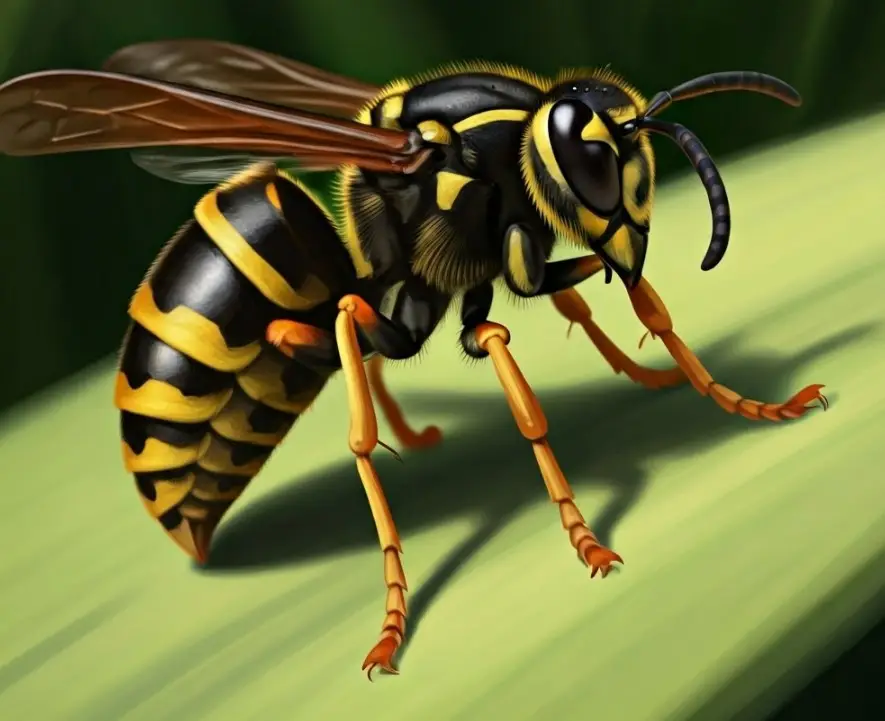
Key Highlights Introduction Dealing with a wasp infestation can be an unnerving experience. Understanding the different types of wasps, their behavior, and the best ways to eliminate them is crucial for maintaining a safe and enjoyable outdoor environment. This comprehensive guide will provide you with valuable information about wasp species commonly found in Texas and effective strategies for wasp control. If you’re facing a wasp problem, it’s important to remember that professional wasp exterminators are equipped to handle these situations safely and efficiently. Identifying and Eliminating Wasps: A Comprehensive Guide Dealing with wasps goes beyond merely eradicating them. A multi-pronged approach involving accurate identification, understanding their behavioral patterns, and implementing safe removal techniques is necessary. This comprehensive guide focuses on providing homeowners with practical knowledge and actionable steps to combat wasp infestations. We’ll cover everything from identifying common wasp species to employing preventive measures for long-term relief. Whether you’re dealing with a minor nuisance or a full-blown infestation, this guide will equip you with the necessary information to handle the situation confidently. How to Spot Different Wasps Species in Texas Texas, known for its diverse ecosystem, is home to numerous wasp species. Among the most common are paper wasps, yellow jackets, and mud daubers. Each type exhibits unique traits, making identification crucial for effective control. Paper wasps, identifiable by their slender bodies and brownish color with yellow markings, are known for their paper-like nests, often found hanging from eaves or tree branches. Yellow Jackets, smaller and more aggressive, display a distinctive black and yellow pattern and typically nest underground. Mud daubers, easily recognized by their long, thread-like waists and fuzzy bodies, construct mud cells in secluded spots like sheds or garages. Recognizing these distinctive characteristics aids in implementing targeted treatments, focusing on each species’ specific nesting and behavioral patterns. Knowing your enemy is the first step towards effective wasp control. Decoding Wasp Behavior: What Attracts Them? Understanding wasp behavior is paramount when confronting a wasp problem. These insects are highly active during warmer months, relentlessly searching for food, water, and nesting sites. One significant aspect of their behavior is their attraction to sweet foods. As temperatures rise and food sources become abundant, wasp activity increases significantly. They are particularly drawn to sugary substances, like soda cans, making outdoor gatherings, picnics, and even uncovered trash cans susceptible to wasp visits. This attraction to sweet foods often brings them into conflict with humans, especially during late summer when their colonies are at their peak. To mitigate potential wasp problems, it’s essential to be mindful of their dietary habits. Practice proper food storage, keeping sugary drinks covered, promptly cleaning up spills, and ensuring trash cans are tightly sealed. These preventative measures can significantly reduce wasp activity around your property. Step-by-Step Process to Safely Get Rid of Wasps Eradicating a wasp infestation involves a systematic approach that prioritizes safety and effectiveness. Before attempting any removal methods, carefully assess the situation, considering factors such as the wasp species, nest location, and the severity of the infestation. Once you’ve adequately assessed the risks, you can explore different wasp control options, including DIY methods or professional extermination. Remember, dealing with wasps can be dangerous, and seeking professional help is always recommended, especially for large, established nests or individuals with allergies to stings. Assessing the Situation: Types of Wasp Nests The first step in tackling a wasp infestation involves identifying the type of wasp nest present. Different species exhibit unique nesting preferences and construction techniques, understanding these differences is crucial for appropriate action. Paper wasps, as their name suggests, construct their nests from a papery material composed of chewed wood fibers mixed with saliva. These nests, shaped like inverted cones, are usually found hanging from tree branches, eaves of buildings, or under decks, housing dozens of wasps and their larvae. Mud daubers, on the other hand, prefer crafting solitary nests from mud. These nests, typically smaller and cylindrical, are often spotted in sheltered places like sheds, attics, or under porch ceilings. Identifying the type of nest not only provides clues about the wasp species but also helps determine the appropriate removal method. For instance, while a small, solitary mud dauber nest might be manageable with DIY solutions, larger paper wasp nests often necessitate professional intervention. DIY vs. Professional Extermination Methods When faced with a wasp infestation, choosing between DIY and professional extermination methods depends on several factors. While DIY solutions might seem appealing for their perceived cost-effectiveness, they often come with inherent risks and may not always offer a permanent solution. Professional wasp exterminators, equipped with the expertise, protective gear, and specialized tools, ensure safe and efficient nest removal. They can also accurately identify the type of wasp, assess the severity of the infestation, and employ the most effective treatment targeted treatments for lasting results. Many pest control companies offer a free consultation, allowing homeowners to discuss their concerns and understand the available options before making an informed decision. Weighing the pros and cons of each approach is crucial. For minor infestations or easily accessible nests, DIY methods might suffice. However, for large, well-established colonies, nests located in precarious areas, or if dealing with allergy concerns, opting for professional wasp control services is always the safer and more effective solution, especially when considering the importance of native bees in pollination. Essential Safety Tips for Handling Wasps Tackling a wasp nest without proper precautions can lead to painful, and sometimes dangerous, consequences. These stinging insects will aggressively defend their homes, making safety paramount, even when dealing with seemingly small nests. First and foremost, never attempt bee removal or wasp nest removal without the right safety equipment. Always wear protective clothing, including thick gloves, long sleeves, pants, and a beekeeper’s veil to shield your face and neck. Approaching a nest during the day, when wasps are most active, increases the risk of being stung. Early morning or late evening, when wasps are less active, are safer times for any removal attempts. Remember, wasp stings can be painful and, in
Are Wasps and Hornets Common In The Fall?
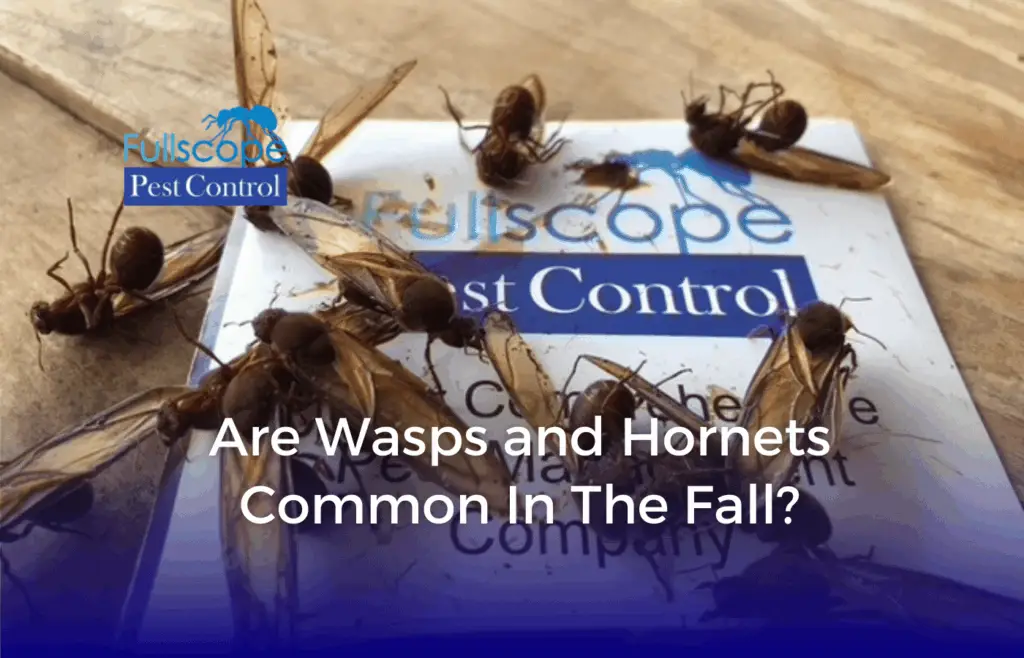
Once the weather begins to cool off during autumn, it may seem that the wasps and hornets around your home or outside are everywhere. While many people believe these insects are strictly those of summer, the truth is that autumn is an integral part of their life cycle. Knowing why wasps and hornets are so prominent during the fall will help you prepare for and protect yourself against their hostile behavior. In this blog, we’ll learn why wasps and hornets become more active in the fall and how you can effectively deal with them. Why Do Wasps and Hornets Become More Active In The Fall? Wasps and hornets have a life cycle, and when fall is in sight, these colonies are at the tail end of their peak season. During this time of the year, they shift from nest building and reproduction to scavenging for food as most of the organic substances become inadequate. Wasps and hornets are also more aggressive in the fall. The queen prepares for winter, and the colony starts to die off. Thus, workers begin to fend for themselves, becoming more territorial and apt to sting. Professional wasp and hornet control in Texas can help prevent dangerous encounters if you’re dealing with this issue. Types of Wasps and Hornets You Might Encounter During Fall How to Manage Wasps and Hornets in the Fall Reduce Attractants One of the best remedies for wasps and hornets is reducing what would attract these insects in the first place. Ensure that food is covered, garbage is well disposed of, and sweet drinks are left open outdoors. Seal Entry Points As the temperatures begin cooling, wasps and hornets start to seek ways to enter your house. Go around the house to see if there are any crept-in cracks or openings in any of the windows, doors, or walls, and seal them to avoid these insects’ entry. Professional Pest Control If wasps or hornets are nesting near your house or if you have too many bothering you, contact professional pest control. They will safely remove them and prevent future issues. When dealing with large infestations, proper wasp and hornet control in Texas ensures you and your family stay safe during peak fall activity. Conclusion The cool air of fall brings seasonal changes to your home and garden, and it also brings an increase in wasps and hornets. During this period, these pests may get a little more aggressive, but you do not need to face them on your own. Fullscope Pest Control has professional solutions for keeping unwanted guests off your premises. Whether it’s sealing entry points or the safe removal of nests, our employees ensure that your house remains protected, allowing you to enjoy those days of fall fully without thoughts of stinging insects.
The Role of Community Efforts in Bee and Wasp Control: Working Together for Effective Pest Management
Pollination and pest control are two essential functions bees and wasps perform in ecosystems. However, when their populations surge or encroach into human habitats, they can become a nuisance and even pose a threat. Effective pest management requires a delicate balance between preserving these essential insects and mitigating their risks to human health and safety. This blog will explore the importance of community efforts in bees and wasps’ control and how collaboration can lead to sustainable solutions. Understanding the Importance of Bees and Wasps Before delving into control measures, it’s crucial to understand the ecological significance of bees and wasps. The pollination of many crops by bees, called nature’s pollinators, is vital to global food security and biodiversity. While often viewed as pests, wasps also contribute to ecosystems by preying on other insects, helping to control populations of agricultural pests. Challenges of Bee and Wasp Infestations Despite their ecological importance, bee and wasp infestations can pose challenges, especially in urban and suburban areas. Nesting in residential spaces, such as attics, walls, and gardens, can lead to stings and allergic reactions in humans. Moreover, aggressive species like the Africanized honeybee, commonly known as “killer bees,” present additional risks to public safety. Community Efforts in Bee and Wasp Control Addressing bee and wasp infestations requires a collaborative approach involving homeowners, local communities, and pest management professionals. Here are some crucial community efforts that contribute to effective control: Education and Awareness Campaign It’s crucial to raise awareness about the role of bees and wasps in ecosystems and educate people on identifying their nests and managing encounters safely. This information can help communities take proactive measures and ensure the safety of both humans and these beneficial insects. Integrated Pest Management (IPM) Strategies To manage pest populations, IPM employs environmentally sensitive methods like habitat modification, biological control, and targeted pesticide applications. The aim is to minimize harm to beneficial insects such as bees and wasps. Professional Intervention In cases where infestations pose significant risks or require specialized expertise, seeking assistance from licensed pest control professionals ensures the safe and effective removal of nests and colonies. Collaborative Research and Monitoring Engaging in citizen science projects or local monitoring initiatives can help track bee and wasp populations, identify emerging threats, and inform management strategies tailored to specific communities. Habitat Preservation Preserving natural habitats and providing suitable nesting sites effectively mitigate conflicts and promote coexistence between humans, bees, and wasps in urban landscapes. These measures ensure the survival of these important pollinators and maintain the balance of the ecosystem. Conclusion The balance between benefiting from the ecological services of bees and wasps and ensuring public safety requires a nuanced and cooperative approach. We can effectively control bees and wasps without harming them by implementing Integrated Pest Management (IPM) strategies and promoting community efforts and education. At Fullscope Pest Control, we understand the importance of these community initiatives and offer expert services to support them. We urge people and communities to unite in our dedication to sustainable pest control. Let’s collaborate to establish safe and healthy surroundings for humans and our significant pollinator allies. Get in touch with Fullscope Pest Control today to discover how you can play your part in this vital initiative and gain from our professional knowledge in managing bee and wasp colonies.
Wasp Extermination: A Comprehensive Guide
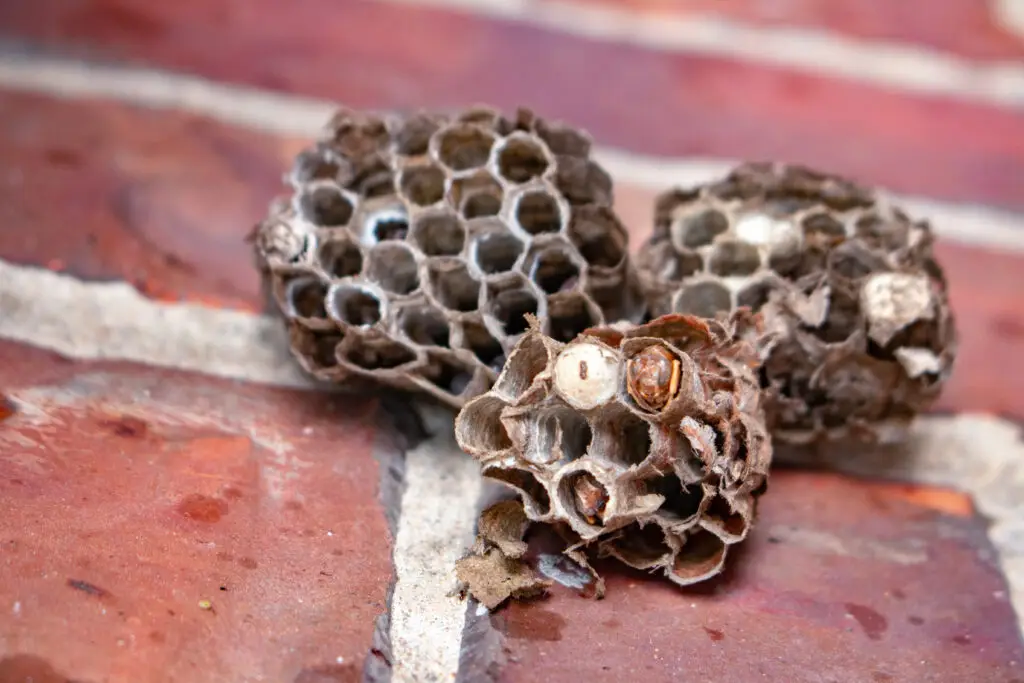
Wasps are one of the most common pests around the home, and they can be a huge nuisance. Not only do wasps sting, but they also nest in and around homes which can cause damage. If you want to get rid of wasps, you need to understand how to go about it in the right way. In this blog post, we’ll provide a comprehensive guide on how to exterminate wasps in your home. Identifying Wasps The first step in getting rid of wasps is properly identifying them. There are many different types of wasps, including yellow jackets and bald-faced hornets. Yellow jackets have black and yellow stripes, while bald-faced hornets have white markings on their bodies. Identifying the type of wasp that has invaded your home will help you choose the appropriate extermination method. DIY Wasp Control Options If you want to handle a wasp infestation yourself, there are some DIY methods that can help control the population. For example, using a vacuum cleaner with an extension hose can be effective for removing nests from hard-to-reach places like attics or high ceilings. You can also try using soapy water or insecticides to kill individual wasps or entire colonies. Be sure to wear protective clothing when spraying insecticides and use caution when handling nests as they may contain venomous insects! Professional Wasp Extermination Services If DIY methods don’t work or if you’re not comfortable dealing with potentially dangerous insects, then it’s best to call a professional pest control company for assistance. Professional exterminators will identify the species of wasp and devise an extermination plan tailored to your specific needs. This may include using chemical treatments or baits designed specifically for eliminating wasps from your property safely and effectively. The cost of professional extermination services varies depending on the size of your property and the severity of the infestation but it’s typically much cheaper than replacing structural damage caused by an unchecked infestation! Wasps nest around the home are included in our general pest control service, so recurring services annually will help eliminate and exterminate your wasps issue all year long. Our technicians will also identify entry points and help with exclusion recommendations to prevent entry of these stinging pests. Recommended Read: Are Hornets a Type of Wasps? Conclusion: Wasp extermination is important for keeping your home safe from stings and structural damage caused by these pests. Identifying what kind of wasp has invaded your home is crucial for choosing an appropriate method for getting rid of them – DIY options like vacuuming up nests or using insecticides can be effective but they come with risks; professional extermination services offer more safety guarantees as well as tailored solutions that address specific needs more efficiently than DIY methods often can’t achieve alone. Whichever route you decide to take, make sure you do it soon before any potential stings or larger issues happen. Different by design – FullScope Pest Control
Does Bleach Kill Wasps Instantly
Wasps are well-known for their harsh stings and aggressive temperament. When confronted with a wasp infestation or individual wasps, people frequently employ a variety of tactics to exterminate them. The use of bleach as a wasp killer is one popular approach. In this article, we will delve into the question: does bleach kill wasps? We will explore the efficacy of bleach as a wasp-killing agent, as well as the potential risks and repercussions associated with its use. Understanding Wasps It is critical to grasp the nature of wasps before diving into the subject. Wasps are eusocial insects in the Hymenoptera order linked to bees and ants. They contribute to ecological equilibrium by preying on other insects and aiding in pollination. However, their aggressive behavior and propensity to sting repeatedly make them a nuisance and a potential menace, especially for people who are allergic to their venom. The Myth of Bleach as a Wasp Killer Over the years, there has been some interest in using bleach as an instant wasp killer. It should be noted, however, that this strategy is mostly based on anecdotal information and lacks scientific validity. Bleach is a powerful chemical used for disinfection and cleaning, but its usefulness against wasps is debatable. Rather than insects, bleach is intended to kill bacteria, viruses, and other microbes. Although the primary ingredient in bleach, sodium hypochlorite, has some insecticidal effects, it is unlikely to kill wasps on contact. Wasps have a thick exoskeleton that shields them from external hazards, and the bleach composition is unlikely to effectively penetrate this protective shell. The Dangers and Risks of Using Bleach While bleach is not an effective wasp killer, it does pose several concerns and hazards when used. For starters, bleach is an acidic substance that can affect human health. Bleach exposure can cause skin and eye irritation, respiratory problems, and even chemical burns. Using bleach in human-populated areas, such as houses or gardens, increases the risk of unintentional exposure. Bleach is also detrimental to the environment. When released into the environment, it can pollute soil and water sources and harm plants, animals, and beneficial insects. It is critical to examine the long-term effects of using bleach as a wasp killer and look for more environmentally friendly options. What Immediately Kills Wasps? While bleach may not be the most effective way for quick wasp extermination, other options exist. It is vital to emphasize that the term “immediate” should be used in a relative sense, as eradicating wasp populations completely and instantly can be difficult. However, the following strategies can effectively control and reduce the presence of wasps: Wasp Sprays Wasp sprays containing pyrethroids are commercially available and are designed to kill wasps on contact. Compared to bleach, these sprays have a faster and more targeted effect on wasps. Wasp Traps Individual wasp traps can be an efficient approach to enticing and capturing individual wasps. Sweet baits or pheromones are frequently used in these traps to attract insects, allowing for safe removal. Physical Removal When wasps are visible and accessible, a long-handled tool or vacuum cleaner intended for insect capture can remove them immediately. To avoid stings, make sure suitable safety precautions are performed. How Long Does It Take to Get Rid of a Wasp? The amount of time it takes to kill a wasp depends on various factors, including the concentration of the bleach solution, the form of application, and the wasp’s size and durability. Even with pure bleach, a wasp is unlikely to be killed instantaneously upon contact. The wasp’s exoskeleton functions as a physical barrier, preventing the bleach from killing the wasp immediately. If the wasp comes into close contact with a concentrated solution, it may take several minutes or more for it to succumb to the effects of bleach. What Is the Best Way to Get Rid of Wasps? Wasp removal necessitates a multifaceted approach that combines prevention, control, and removal measures. Consider the following steps: Prevention The first step is to keep wasps out of your home or structure in the first place. Inspect your property for any gaps or cracks in the walls, windows, or doors, and fix them. Repair damaged window and door screens to keep wasps out while allowing airflow. Remove potential food sources that could attract wasps, such as open garbage cans or unprotected food waste. Nest Removal If you’ve discovered a wasp nest on your property, you must deal with it quickly and thoroughly. First, pinpoint the exact position of the nest. Observing the wasps’ flight paths may be necessary to establish where they are coming from and going. Once you’ve identified the nest, wear protective gear like long sleeves, slacks, gloves, and a cap with a veil to avoid stings. Follow the directions carefully when using a wasp-specific insecticide to treat the nest and eradicate the wasps. You can also contact expert pest control services to perform the nest removal. They have the knowledge and equipment to complete the task safely. Professional Assistance If you have a huge wasp infestation or the nest is in a difficult-to-reach or dangerous position, it is best to contact professional pest control help. They have the knowledge and skills to deal with wasp problems effectively and safely. Professional exterminators can assess the size of the infestation, locate nests, and utilize specialized tools and techniques to exterminate wasps while posing the least risk to humans and pets. Must Read:HOW TO KNOW IF YOU HAVE CARPET BEETLES Conclusion While bleach has disinfecting characteristics, it does not kill wasps immediately. It is a common misunderstanding that bleach may rapidly kill wasps. Wasps have defensive exoskeletons that make it impossible for bleach to enter and kill them instantly. Furthermore, employing bleach to control wasps endangers human health and the environment. It is critical to use safe and effective measures to control wasp infestations. Individuals can manage wasp problems more practically and responsibly by knowing wasp behavior, utilizing wasp traps or pesticides developed for wasp control, and getting professional aid when
Are Wasps And Hornets The Same
Most of us were instructed as children to avoid wasps and hornets, particularly their nests. The words hornet and wasp can be perplexing because common or colloquial names are frequently incorrect. Wasps and bees are cousins, but there are variations in their appearance and temperament. Hornets, conversely, consume leaves and tree sap but are also skilled predators, preying on flies, bees, and other insects. Examine the differences between a wasp and a hornet to resolve the great dispute. Hornets Are Wasps The first thing to know about hornets is that they all are wasps, but not all are hornets. There are an estimated 15,000 to 30,000 different kinds of wasps in the globe. The biggest wasp measured more than 2 inches in length. Hornets, like wasps, are pest managers for Mother Nature due to their appetite for other insects, such as aphids. Wasps eat beekeepers, which supply protein and sugar. Hornets, unlike wasps, are not hostile by nature. Hornets are calm and shy insects, according to scientists. They will, however, fight if something or someone approaches their nest. Their nests can be in attics, treetops, under roofs, hollow tree trunks, sheds, and other enclosed places that provide protection and shelter. Wasps Are Brighter; Hornets Are Larger Wasps and hornets have narrow waists and skinny frames. Their bodies are mostly hairless and can sting numerous times. The European Hornet, on the other hand, can develop to be twice the size of a yellow jacket or paper wasp, measuring about 1 inch in length. Hornets are dull, usually brown with golden stripes or black with a white head (the bald-faced hornet). Yellow jacket wasps are vibrant yellow and black striped wasps. They are easily identified due to their brighter look. The red paper wasp is frequently confused with the red hornet. They are also simple to spot due to their bright red color. Hornets Are More Aggressive If their nest is threatened, hornets can become very aggressive, which can be dangerous. Their sting is much more painful. However, if left alone, they are rather calm and don’t tend to attack or sting unprovoked. Yellow jackets, however, are much more likely to sting unprovoked. They are attracted to sugary drinks and food, whereas hornets are typically not. Wasps Are Very Territorial Wasps are close cousins of bees, but a close look will reveal their appearance and temperament differences. Wasps can become territorial if they feel their nests are threatened or food availability is low, but most are not aggressive. So, simply avoiding the nest area can prevent most stings. Both Often Build Nests In Problematic Areas You often will find wasp or hornet nests in rotting logs, wood hollows, or hanging from branches. However, they are commonly found in garages, barns, or building overhangs. It can be easy to walk into or disturb these nests by accident, which can cause the wasps or hornets to become defensive and sting. If the nest is in a quiet area, leave it until winter when all the wasps are gone, and it can be removed simply. Must Read: HOW LONG AFTER PEST CONTROL DO COCKROACHES DIE What’s Next? If you have a wasp or hornet’s nest as an area for concern, it is best to contact a professional pest control company. At Fullscope Pest Control, we will assess your wasp or hornet’s nest situation and provide you with a solution that will ensure the safety of your home and family. Call now!
Are Hornets A Type Of Wasp
Homeowners should be aware of their winged and stinging neighbors to better appreciate the biodiversity on their property and identify any potentially dangerous insects. There are some very substantial differences between wasps and hornets, even though they are commonly confused with one another. All Wasps Are Hornets, But Not All Hornets Are Wasps A hornet is just a different species of wasp. Most of those found in the United States are closely related to the well-known yellow jacket wasp. The European, or giant hornet, is the most prevalent. The smaller bald-faced hornet, and the sand hornet (also known as the cicada killer), less frequently observed since it lives in underground tunnels, are the three varieties of hornets typically found in North America. Wasps Are Brighter, Whereas Hornets Are Larger Let’s clarify that size seems to be the main point of discussion regarding the wasp vs. hornet debate. The European hornet is likely to come into contact with most people. It can go up to an inch long, double the length of a yellow jacket wasp or another common wasp in North America, the paper wasp. Hornets typically have duller coloring, with stripes of brown and yellow. The black and white head gives the bald-faced hornet its name. Wasps called “yellow jackets” are significantly more colorful and have noticeable black and yellow stripes. Paper wasps are less bright and can have red patches. In flying, paper wasps are simple to spot. The legs dangle because they don’t pick them up like wasps and hornets. Both Are Regarded As Advantageous, Predatory Insects Many people grab for an aerosol spray to kill hornets or wasps when they encounter them, but there are strong reasons not to if it is possible to prevent it. Hornets and wasps in the yard should make gardeners very happy. Many different wasps are effective pollinators because they similarly consume nectar to bees. Wasps and hornets are equally effective predators, eliminating caterpillars and aphids. Wasps may not destroy these pests, but their larvae are fed them. Bees do both. More than most people understand, hornets and wasps have a much more significant effect on our ecosystem. When Threatened, Hornets Become More Aggressive The largest of the wasps, hornets, are inherently more aggressive when their nest is threatened and have a more painful sting. However, there is a misconception that hornets are constantly becoming more hostile by nature. That is not the situation. When left alone, hornets are generally calm. The wasps that are most likely to sting you are yellow jacket wasps. It’s interesting to note that while yellow jackets can be a nuisance when dining outside, hornets and carnivores aren’t drawn to sweet beverages or picnic contents. More About Can Dog Brings Bed Bugs For Outside Final Thoughts Because of their sting and swarming tendencies, wasps and hornets are feared. The stings of many wasps can be excruciating, and they are often reasonably aggressive. There’s no substitute for expert assistance when dealing with hornets or more enormous wasp nests. Calling Fullscope Pest Control is much less expensive than paying for an emergency room visit when hundreds of angry wasps sting you at once, which is a recipe for hospitalization or even death.