 1500+ reviews

What Attracts Termites To Homes In Southeast Texas
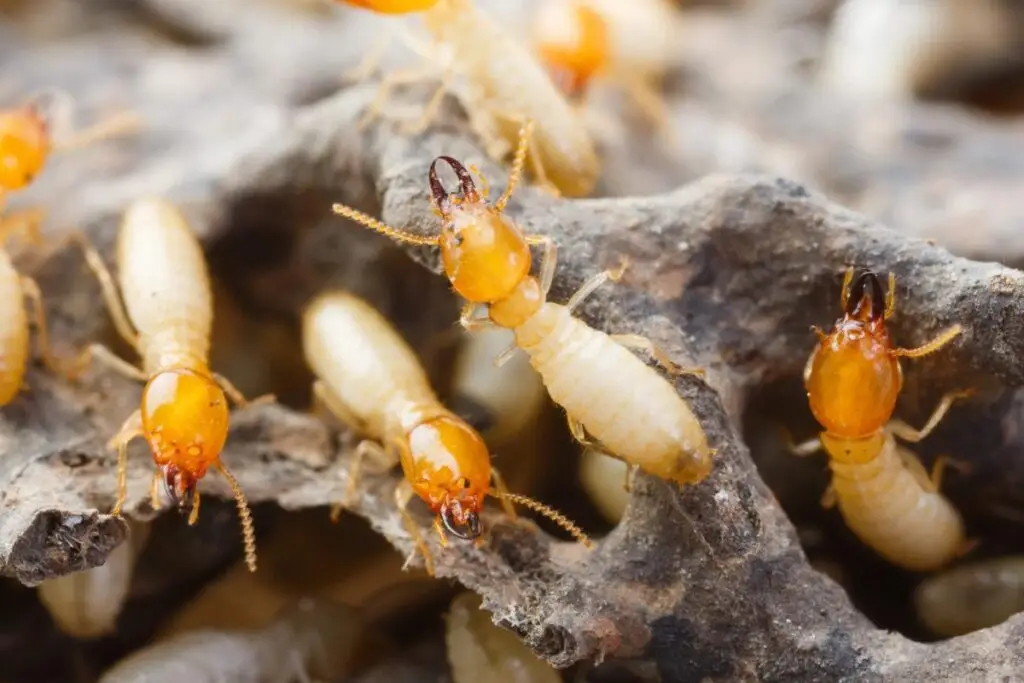
Southeast Texas gives termites many of the conditions they need to remain active. Warm temperatures, frequent rainfall, high humidity, irrigated landscapes, and abundant wood can support colonies around homes for long periods. Subterranean termites can move through soil toward structural materials, while other wood-destroying insects may leave damage that looks similar at first. Effective termite control begins with understanding what draws activity toward a particular property. Professionals examine moisture, wood-to-soil contact, drainage, foundation access, construction details, and visible evidence together. This allows treatment and prevention to focus on confirmed risks instead of assuming that every damaged board has the same cause. Moisture Creates Favorable Conditions Near The Structure Subterranean termites depend on moisture as they travel between soil and wood. Southeast Texas rainfall and humidity can keep foundation-adjacent soil damp, especially where shade, irrigation, or poor drainage slows evaporation. Plumbing leaks and roof runoff may create additional moisture inside or beside the building. Inspectors often evaluate: Moisture alone does not confirm an infestation. However, persistent dampness can support termite travel and make wood more vulnerable. Correcting the source strengthens prevention, but active colonies still require professional assessment and treatment. Wood And Cellulose Give Termites A Dependable Food Source Termites feed on cellulose found in wood, paper, cardboard, roots, mulch, and other plant-based materials. Structural framing may be the greatest concern, but exterior materials can provide stepping-stones toward the home. Firewood, tree stumps, landscape timbers, construction scraps, and deep mulch may keep food close to soil and foundation edges. Some damage may also come from beetles or other wood-destroying insects. Learning about wood-borer clues helps explain why identification should come before treatment. Exit holes, powder-like debris, internal galleries, and weakened wood can overlap visually, yet the responsible insect and treatment method may differ. A trained inspection separates termite evidence from wood-borer activity, decay, and moisture damage before recommendations are made. Direct Soil Contact Can Hide Termite Entry Subterranean termites commonly approach structures from below ground. When siding, posts, steps, lattice, or other wooden features touch soil, termites may enter without building long, visible tubes across exposed foundation surfaces. Dense landscaping can make these routes even harder to see. Common risk conditions include: Visible separation between soil and structural materials improves inspection access. Professionals can then look for mud tubes, damaged wood, swarm evidence, and concealed entry points before selecting termite control options. Construction Gaps And Hidden Spaces Offer Protection Termites benefit from sheltered routes where they can move without exposure. Cracks in slabs, utility penetrations, expansion joints, attached garages, plumbing openings, and inaccessible crawl-space areas can connect soil with structural wood. Finished walls and flooring may conceal activity until damage becomes more advanced. Professional inspections consider how the building was constructed and modified. Additions, patios, renovations, and repaired plumbing can create new transitions that deserve attention. Inspectors may use visible evidence, moisture readings, probing, and knowledge of termite behavior to map likely routes. A property-specific plan may involve: This approach avoids relying on one standard treatment for every structure. Prevention And Monitoring Protect The Home Long-Term Southeast Texas termite pressure does not disappear after one dry week or a single repair. Rainfall returns, irrigation continues, landscaping changes, and small leaks can develop over time. Prevention therefore requires continued attention to both the property and the termite-control system. The discussion of prevention costs shows why pricing depends on property size, construction, treatment type, infestation extent, and monitoring needs. Baiting systems, liquid soil treatments, wood applications, and combined approaches involve different installation and maintenance requirements. Long-term protection may include annual inspections, monthly monitoring of active bait stations, replacement of consumed bait, perimeter evaluation, and correction of new moisture or wood-contact conditions. Professional records help technicians compare current findings with earlier visits and identify whether activity is new, recurring, or already addressed. Termites are attracted to homes when moisture, cellulose, soil access, shelter, and structural openings overlap. Southeast Texas naturally supplies much of that environmental pressure, but every property presents a different combination. A detailed inspection provides the clearest basis for targeted treatment and practical prevention before hidden feeding becomes a larger repair concern. Protect The Wood Before Termites Reach It Contact Fullscope Pest Control for professional inspections, targeted termite control, baiting, soil and wood treatments, and long-term monitoring.
How To Spot Signs Of Termite Damage This Summer
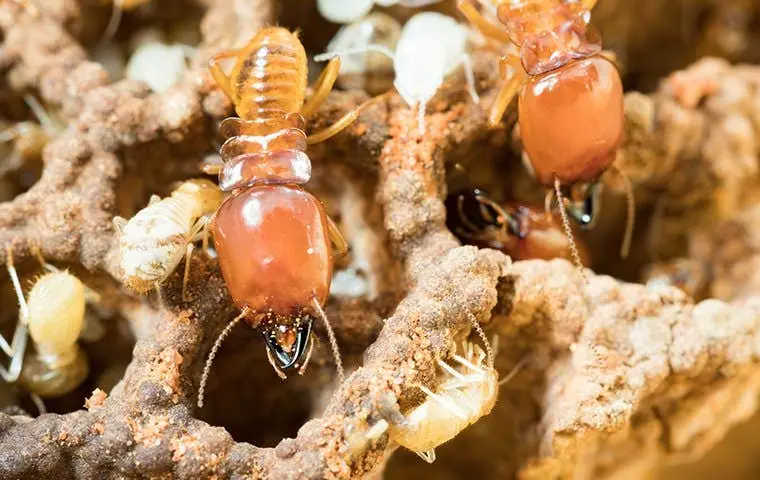
Summer can make termite concerns easier to miss because homeowners are often focused on outdoor projects, travel, lawn care, and storm clean-up. Meanwhile, termites can keep working quietly behind walls, under flooring, around foundations, or inside damaged wood. The first signs may look minor, but they can point to deeper activity that deserves careful attention. Termite control begins with knowing what to look for. Termites are not like pests that cross a room in plain sight. They often stay concealed while feeding on structural wood, trim, subflooring, wall studs, and moisture-softened materials. In warm, humid Texas conditions, summer inspections can help reveal warning signs before damage becomes more costly. Look For Visible Clues Around Wood And Foundations Some termite signs appear around areas where soil, moisture, and wood are close together. These clues may be easy to overlook during normal household routines, especially near garages, porch posts, exterior walls, window frames, baseboards, and crawl-space access. None of these signs should be viewed in isolation. Moisture problems, age-related wear, and wood decay can look similar in some areas. A professional inspection helps separate termite damage from other conditions and shows whether the issue appears active, old, localized, or more widespread. Hidden Galleries Can Make Damage Harder To See Termites often move through concealed spaces, which means a clean-looking room can still have activity behind the surface. Wall voids, flooring layers, insulation, framing, and structural cavities can hide galleries that are difficult to reach with standard visual checks. When hidden activity is suspected, treatment methods must match the location of the infestation. In some cases, targeted applications may need to reach voids and galleries that liquid treatments alone cannot cover. This is where foam injection can be useful, because expanding foam can move into tight spaces where termites may be feeding out of sight. Summer Conditions Can Increase Termite Risk Warm weather does not create termites by itself, but it can make existing risk factors more active. Irrigation, summer storms, damp soil, shaded exterior walls, stacked wood, and landscaping against the home can all make the area more inviting. Termites need access to cellulose and moisture, so small property conditions can matter. A fence post touching soil, mulch piled against siding, leaking spigots, clogged gutters, or stored cardboard near a garage can give termites a stronger reason to stay close. Even minor moisture can soften wood and make hidden damage more likely to spread before anyone notices. Summer also brings more renovations and outdoor repairs. When homeowners replace trim, move stored items, repair decks, or open wall sections, termite evidence may suddenly appear. That discovery should not be covered up with cosmetic repairs before the structure is inspected or documented carefully. Replacing damaged material without addressing the activity can leave the home exposed to the same problem again. Inspection Helps Determine The Right Next Step Once termite signs appear, the next step should be evidence-based. A careful inspection can identify where termites are active, what conditions may be supporting them, and which treatment method fits the home. Severe or concealed infestations may require more than a simple surface application, especially when activity reaches interior spaces. Termite solutions can include inspection, targeted treatment, baiting systems, liquid applications, foam injection, monitoring, and prevention planning depending on the situation. Homeowners interested in lower-impact approaches may also want to understand how eco-friendly termite care fits into a serious infestation plan. The key is matching the method to the damage, structure, and level of activity. Professional termite control also helps homeowners avoid guesswork. A visible mud tube may be the only access route. A small damaged board may connect to a larger hidden feeding. A swarm may indicate a mature colony nearby. The inspection connects these details, so treatment is more precise and long-term prevention is easier to plan. Stop Small Signs From Becoming Structural Problems Summer termite signs deserve careful attention because hidden activity can continue long after the first clue appears. For inspection, treatment planning, and practical termite protection, contact Fullscope Pest Control for professional support.
What To Do When You Spot A Termite Mud Tube On Your Property
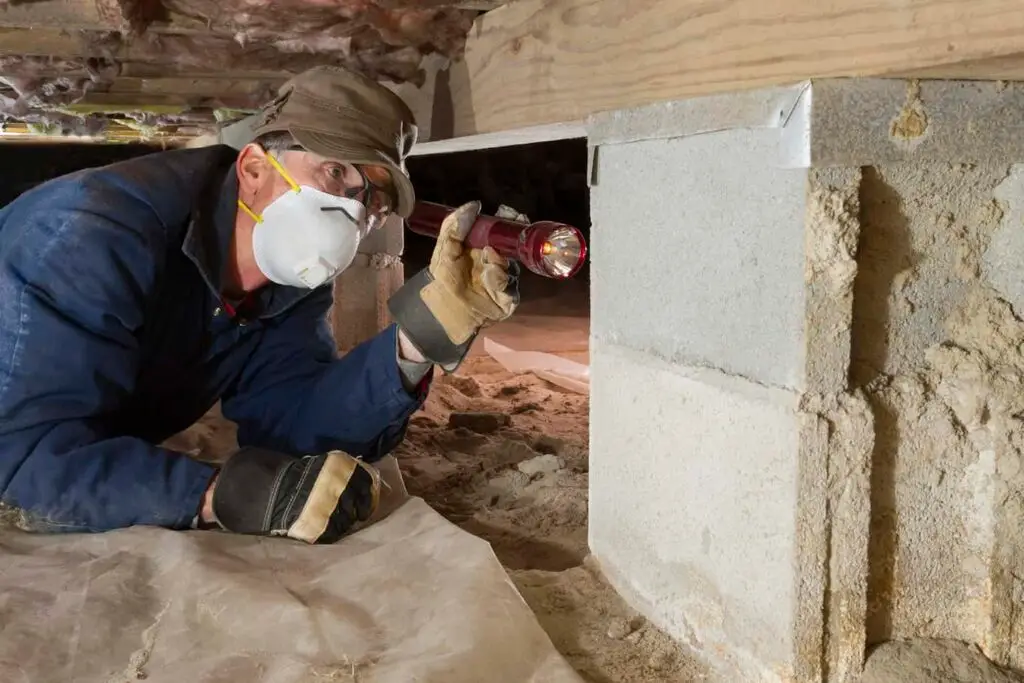
Finding a termite mud tube on your property can be alarming, especially if it appears suddenly along a wall, foundation, or crawl space. These narrow, soil based tunnels are more than just a surface issue. They are a clear indication of active termite behavior and often signal that a colony is already established nearby. Unlike other pests that are easily visible, termites operate in hidden environments. A termite mud structure allows them to travel between their nest and a food source while staying protected from light and dry conditions. This makes early detection especially important. Knowing what to do immediately after spotting one can help limit damage and support more effective pest control. Understanding What A Termite Mud Tube Means A termite mud tube is a protective passageway built by subterranean termites. It is typically made from soil, wood particles, and moisture, forming a narrow tunnel that connects the colony to a food source. These tubes serve several critical purposes: When you see termite mud along a surface, it usually indicates that termites are actively feeding nearby. The presence of even a single tube should not be overlooked, as it often points to a larger, hidden network. In many cases, these structures are found along foundations, baseboards, or support beams. However, they can also appear in less obvious areas such as behind walls or beneath flooring. Immediate Steps To Take After Discovery Spotting termite mud requires a calm but deliberate response. Acting too aggressively or ignoring the issue can both lead to complications. Recommended actions include: While it may be tempting to remove the tube to see what is inside, doing so can disrupt the colony in a way that makes detection more difficult. Termites may temporarily retreat and rebuild elsewhere, creating a false sense of resolution. Observation is key during this stage. Documenting the condition of the tube can help professionals assess the level of activity more accurately. Why Termite Mud Signals A Larger Issue A visible mud tube is rarely an isolated problem. It often represents only a small portion of a much larger infestation that exists below the surface. Important considerations include: Termites are not the only concern when it comes to structural pests. Homes in certain regions may also experience activity from ants, rodents, and other insects that adapt to similar conditions. Understanding how these pests interact with the environment can provide additional context. For example, this overview of common Texas home pests highlights how different species establish themselves in residential settings. Recognizing the broader picture helps reinforce the importance of a comprehensive pest control approach rather than focusing solely on the visible symptom. The Role Of Professional Pest Control Addressing termite mud effectively requires more than surface-level treatment. Because termites operate within hidden structures, proper identification and targeted intervention are essential. Professional pest control services typically involve: This process ensures that both the visible signs and underlying causes are addressed. It also reduces the likelihood of termites returning after initial treatment. In situations where infestation levels are more advanced, it becomes even more important to rely on methods that are designed to handle deeper structural involvement. For further insight, this discussion on eco termite control methods explains how targeted approaches can be adapted for more complex cases. Consistency plays a major role in long-term control. One-time treatments may provide temporary relief, but ongoing monitoring ensures that new activity is detected early. Preventing Future Termite Activity After addressing an existing issue, preventing future termite activity becomes the next priority. This involves reducing conditions that support termite survival and maintaining a consistent inspection schedule. Preventive measures include: These steps help create an environment that is less attractive to termites. However, environmental factors such as weather and surrounding vegetation can still influence pest behavior. Long-term prevention is most effective when combined with professional oversight. Regular evaluations allow for adjustments based on changing conditions, ensuring that protection remains consistent over time. Take control before the damage spreads If you have noticed termite mud on your property, acting quickly can make a significant difference in protecting your home. Connect with Fullscope Pest Control to take a more informed and reliable approach to pest control and prevent further structural concerns.
Can Eco-Friendly Pest Control Handle Severe Termite Infestations Effectively
Termites are among the most destructive pests affecting Texas homes. Their ability to remain hidden while feeding on structural wood makes them especially concerning. When infestations become severe, homeowners often question whether eco-friendly pest control can truly deliver results comparable to traditional methods. From a professional standpoint, the effectiveness of eco-friendly solutions depends on proper inspection, accurate identification, and strategic implementation. Eco-conscious methods are not diluted versions of conventional treatments. When applied correctly and supported by thorough monitoring, they can manage even advanced termite activity while maintaining responsible material use. Understanding What Severe Termite Activity Looks Like Before evaluating treatment options, it is important to understand the scope of the infestation. Severe termite problems usually develop over time and involve well-established colonies. Common indicators include: In Texas, warm weather and periodic moisture create extended periods of termite activity. Severe infestations often mean colonies have been active for months or even years. Professional inspection is essential at this stage. Identifying the termite species, locating nesting sites, and assessing structural involvement are critical steps before selecting any treatment method. How Eco-Friendly Pest Control Addresses Termites Eco-friendly pest control relies on precision and strategic targeting rather than widespread product application. For termite infestations, this often involves combining monitoring systems with carefully placed treatments. Rather than saturating the entire property, professionals identify high-risk areas and apply solutions accordingly. Monitoring stations provide ongoing data about colony behavior and population decline. This approach allows technicians to confirm effectiveness over time. It also reduces unnecessary material use while still addressing the root colony. When Severe Infestations Require Layered Solutions Eco-friendly pest control can manage significant termite activity, but severe cases often require multiple coordinated methods. A single approach may not fully eliminate widespread colonies. For example: Combining these strategies increases overall effectiveness. Prevention also plays a central role. Reviewing our Texas spring pest guide helps illustrate how seasonal planning reduces long-term risk. Layered treatment ensures that active colonies are eliminated while future access points are minimized. Severe infestations demand precision and follow-up evaluation to confirm complete control. Correcting Conducive Conditions Is Essential Termite control is not limited to eliminating active colonies. Environmental factors often contribute to long-term infestation risk. Eco-friendly pest control emphasizes structural correction alongside treatment. Homes that address these vulnerabilities are far less likely to experience recurring termite problems. Sustainable pest management focuses on maintaining balanced conditions that discourage reinfestation. Understanding how to create a stable, protected environment supports long-term success. Learning more about living pest-free reinforces the importance of consistent prevention alongside treatment. When conducive conditions remain unchecked, termites can reestablish even after initial elimination. Ongoing evaluation ensures that risk factors stay controlled. Why Professional Oversight Determines Effectiveness Eco-friendly pest control can be highly effective for severe termite infestations when guided by professional expertise. Termite colonies are organized systems that require careful disruption. Incomplete treatment allows reproduction to continue and activity to rebound. Professional termite management includes: Attempting to handle severe infestations without professional guidance increases the likelihood of missed galleries or untreated soil pathways. Precision and experience are essential when addressing structural pests of this magnitude. Eco-friendly pest control does not mean sacrificing strength. It means applying scientifically supported methods in a responsible and targeted manner. When properly implemented, these strategies can manage advanced termite activity while maintaining environmental consideration. Texas homeowners benefit from structured plans that integrate elimination, prevention, and monitoring. Severe termite problems should never rely on temporary measures. Prompt, strategic intervention protects structural integrity and reduces the risk of costly repairs. Protect Your Home With Responsible Termite Expertise If you are facing serious termite activity and want effective, environmentally mindful solutions, professional evaluation is the safest path forward. For expert eco-friendly pest control tailored to your property, contact Fullscope Pest Control.
Termite Prevention During Home Renovation Projects

Home renovation projects bring excitement and opportunity. Whether updating a kitchen, expanding a living space, or replacing structural elements, construction changes the dynamics of a property. However, renovation work can also expose homes to increased termite risk if proper precautions are not taken. Termite prevention should be an integral part of any remodeling or structural upgrade. Construction activity often disturbs soil, exposes wood, and alters moisture patterns, all of which can create ideal conditions for infestation. Understanding how renovation impacts termite behavior helps homeowners protect their investment. How Renovation Projects Increase Termite Risk During renovation, structural components are frequently removed or replaced. Foundations may be modified, plumbing relocated, and exterior landscaping adjusted. Each of these changes can inadvertently create termite access points. Common renovation-related risk factors include: When contractors excavate near foundations, subterranean termite colonies may be disturbed. This disturbance can redirect termite movement toward the structure. Similarly, installing untreated wood in contact with soil increases vulnerability. Moisture management is especially important. Renovations that involve bathrooms, kitchens, or foundation repairs may temporarily alter humidity levels. Termites are drawn to damp wood and soil, making these transitions critical periods for inspection. Proactive termite prevention ensures that construction improvements do not unintentionally invite structural pests. Choosing Materials and Construction Practices Wisely Material selection plays a significant role in reducing termite susceptibility. During renovation, homeowners have an opportunity to incorporate protective measures that strengthen long-term resistance. Effective construction considerations include: In addition to termites, renovation projects can attract other pests such as ants, spiders, rodents, and cockroaches. Construction debris and open access points provide temporary shelter for these invaders. Integrated pest management strategies address the broader pest environment while focusing on termite prevention. By coordinating pest inspections with renovation timelines, homeowners reduce the risk of hidden infestations developing behind newly finished walls. The Importance of Pre and Post-Renovation Inspections Before major construction begins, a professional termite inspection provides a baseline assessment. Identifying existing hidden termite activity ensures that renovation does not seal infestations inside structural components. Inspection typically involves: After renovation is complete, a follow-up inspection confirms that no new vulnerabilities have been introduced. This two-step approach strengthens overall termite prevention efforts. Seasonal factors can also influence risk. Renovations that occur during warmer months may coincide with increased pest pressure. Homeowners planning projects in Texas can benefit from reviewing insights in this resource on spring pest planning to better understand how seasonal conditions affect pest behavior. Incorporating inspections into renovation schedules ensures that structural improvements are protected from the start. Moisture Control and Long-Term Protection Renovations often involve plumbing upgrades, roof adjustments, or changes to ventilation systems. Each modification can influence moisture distribution within the home. Because termites depend on moisture, controlling humidity levels is central to effective prevention. Key moisture management practices include: Termite prevention is not limited to the construction phase. Ongoing monitoring remains essential after renovations are complete. Structural changes may shift airflow or soil drainage patterns in ways that gradually create conducive conditions. Recurring service programs provide consistent oversight and help detect early signs of termite or other pest activity. To understand how scheduled monitoring strengthens protection over time, homeowners can review this overview of year-round protection. Long-term prevention integrates structural awareness with environmental management. Coordinating Pest Management With Contractors Successful termite prevention during renovation requires communication between homeowners, contractors, and pest professionals. Construction crews focus primarily on structural and aesthetic goals. Without coordination, pest vulnerabilities may be overlooked. Professional pest specialists can: Because termites cause damage silently, waiting until visible signs appear is not a practical strategy. Once drywall is installed and finishes are complete, addressing hidden infestations becomes more complex and costly. A proactive approach protects both the renovation investment and the structural integrity of the home. By aligning pest management with construction timelines, homeowners reduce the likelihood of future repairs. Termite prevention is most effective when integrated into every stage of renovation planning. Careful material selection, moisture management, and professional inspection form a comprehensive defense against infestation. Safeguard Your Renovation Investment Before, during, or after your renovation project, contact Fullscope Pest Control to ensure your termite prevention strategy protects your home and your long-term investment.
The Hidden Termite Threat Even During Mild Texas Winters
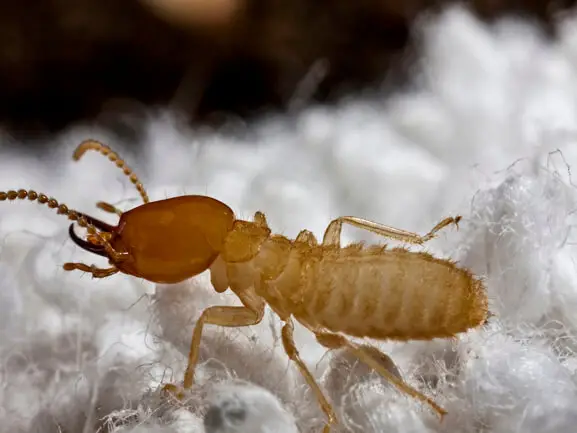
When winter settles over Texas, many homeowners believe pest problems ease with the cooler weather. Unfortunately, termites remain an exception. While other insects slow down, the termite threat continues quietly beneath the surface. The mild Texas climate allows termites to stay active throughout the year, feeding and spreading without obvious signs of activity. Understanding how termites behave in cooler months is key to preventing costly structural damage. Why the Termite Threat Persists in Mild Winters In regions with warm or moderate winters, termites do not completely stop their activity. Instead, they adapt by seeking stable temperatures and moisture sources. Subterranean termites retreat deeper into soil or move closer to heated foundation areas, while drywood termites remain inside the wooden structures they infest. Moisture is one of the biggest reasons termite colonies survive winter in Texas. Leaks, standing water, and poorly drained soil provide ideal conditions for these pests to thrive. Since termites avoid light and open air, their winter movements often go unnoticed, allowing colonies to grow undisturbed. Common factors that allow termite activity in winter include: Mild winters do not provide enough cold to eliminate colonies. Instead, the moderate climate helps termites spread into new areas, sometimes using warmth from homes as a survival source. Recognizing Early Termite Signs During Cooler Months Even when termites remain hidden, they leave subtle clues of their presence. Homeowners who learn to identify these early indicators can prevent widespread damage before spring arrives. Look for these warning signs of termite activity: Since these signs can be difficult to detect without training, professional inspections remain the most reliable way to identify active infestations. Detailed guidance on how to interpret inspection findings is available in our guide on understanding termite inspection reports. Environmental and Structural Conditions That Encourage Infestations The mild Texas climate allows termites to remain active around homes that provide warmth, food, and moisture. Poor maintenance or improper construction creates opportunities for infestations to start and spread. Some of the most common risk factors include: These conditions can exist in any season, but winter often worsens them when homeowners neglect outdoor maintenance. For new construction, proper soil preparation and barrier treatments can prevent problems before they begin. This process is explained in more detail in our resource on preventing termites with proactive soil prep. Why Professional Termite Control Is Necessary DIY termite control methods rarely offer lasting success, especially during Texas winters when infestations remain hidden. Termites live deep inside wood and soil, far beyond the reach of surface sprays or consumer-grade products. Professionals use specialized tools and treatments that target colonies directly without damaging property. The benefits of professional termite control include: Professionals also understand seasonal termite behavior and adjust their approach based on temperature and humidity. This ensures that treatments remain effective even when weather patterns change. Simple Maintenance Habits That Strengthen Termite Defense Preventing termites from settling in your home requires year-round attention. By maintaining the right conditions, homeowners can discourage colonies from forming or returning. Helpful prevention measures include: Even during mild winters, termite activity may continue behind walls or under floors. A consistent maintenance routine, paired with professional termite control, provides the strongest line of defense against future infestations. Stay Protected Throughout the Texas Winter Termites do not rest when the weather cools. The mild Texas winter allows them to remain active and continue damaging homes unnoticed. Protect your property before the problem worsens. Schedule an expert inspection with Fullscope Pest Control to ensure year-round protection and effective termite control for your home.
Preventing Termites in New Construction with Proactive Soil Prep

When building a new home or commercial property, protecting the structure begins long before the walls go up. Termites are among the most destructive pests, capable of silently damaging foundations, flooring, and support beams. For this reason, incorporating termite control during new construction is one of the smartest investments a property owner can make. Proactive soil preparation creates a protective barrier against infestations, ensuring long-term safety and reducing the risk of costly repairs. What makes soil preparation particularly valuable is that it tackles the problem before it begins. Once termites gain access, colonies can spread quickly and compromise the integrity of a property. By addressing vulnerabilities during construction, owners set up a defense system that remains effective for years, giving peace of mind and safeguarding the investment from the very start. Why Termite Prevention Starts with the Soil The soil beneath a structure is often the first point of contact for termites. Subterranean termites, in particular, live underground and access buildings through foundation cracks, plumbing penetrations, and expansion joints. Without protection, a new structure becomes vulnerable before anyone even moves in. A preventive strategy focused on soil ensures that termites encounter a barrier before they reach the property. This step is just as critical as selecting durable building materials or maintaining proper drainage. Skipping it could mean spending thousands on repairs later, far exceeding the modest investment in preventive termite control. Another reason prevention begins with the soil is accessibility. Before concrete slabs, flooring, or landscaping are installed, professionals have a clear opportunity to apply treatments evenly across the foundation footprint. Once construction is complete, reaching these hidden areas becomes far more difficult and disruptive. Acting during the building stage ensures uniform coverage and creates a long-term protective shield that cannot be achieved later without added cost and effort. Finally, soil preparation provides a foundation for other protective measures. When paired with physical barriers and long-term monitoring, it becomes part of an integrated defense system. This layered approach reduces risks significantly and ensures that even if termites attempt to invade, they encounter multiple challenges before reaching the structure itself. Key Steps in Proactive Soil Preparation Professional pest specialists apply precise methods to create effective protection during the construction phase. These steps are designed to reduce risk and create an environment that termites cannot easily penetrate. These measures collectively provide long-lasting protection, ensuring the building begins its life with strong defenses. Long-Term Benefits of Soil Preparation Soil preparation is not just about short-term protection; it sets the stage for decades of structural security. The benefits are both financial and practical. For property owners, these benefits emphasize the importance of early action rather than waiting until problems arise. A better understanding of termite inspection reports also helps clarify why prevention is more effective than post-infestation treatment. Integrating Soil Prep with Modern Termite Solutions While soil preparation is highly effective, it works best when integrated with modern systems designed for long-term monitoring. For example, baiting systems can be installed during or after construction to complement treated soil. One such approach, the Sentricon termite system, provides continuous protection by targeting entire colonies. By combining soil treatments with monitoring stations, physical barriers, and annual inspections, property owners can create a layered defense. This approach not only reduces the likelihood of infestations but also ensures that if termite activity does occur, it is detected and addressed quickly. Preparing Your Property for the Future Proactive soil preparation during construction is a safeguard that pays for itself many times over. Once a structure is completed, applying treatments beneath foundations and slabs becomes more complicated, disruptive, and costly. Incorporating termite control early is far easier and significantly more effective. Builders and property owners should view soil treatment as a fundamental part of the construction checklist, right alongside roofing, plumbing, and electrical systems. By prioritizing prevention, you ensure that your investment stands strong against one of the most damaging pests in the region. Build Strong Foundations with Lasting Protection Termites should never get the chance to compromise your new property. Start with confidence by scheduling expert soil preparation with FullScope Pest Control. Our team delivers proven termite control solutions that safeguard your investment from the ground up.
Understanding Termite Inspection Reports for Commercial Properties
Commercial properties represent significant investments, and protecting them from pests is essential for maintaining safety, value, and long-term functionality. Among the most destructive pests are termites, which can silently compromise structures over time. For property owners and managers, termite inspection reports provide detailed insights into vulnerabilities, current infestations, and prevention needs. Interpreting these reports correctly is crucial for making informed decisions about termite control and safeguarding buildings against costly damage. Unlike residential inspections, reports for commercial buildings often involve larger, more complex structures with unique challenges such as multiple entry points, varied construction materials, and higher occupancy rates. These factors make inspections more detailed, with reports covering everything from structural risks to environmental conditions that promote termite activity. Because commercial spaces serve businesses, tenants, and sometimes the public, the information in these reports carries broader implications. A clear understanding allows managers not only to protect their property but also to ensure compliance with safety regulations and maintain the trust of those who rely on the building. What Termite Inspection Reports Typically Include A termite inspection report is a structured document outlining the results of a professional evaluation. While details may vary, most reports cover several standard areas. Understanding these sections helps property managers identify priority concerns. Key elements of inspection reports include: These details create a clear record of the property’s condition. Reports act as both a diagnostic tool and a roadmap for future termite management. Why Reports Are Critical for Commercial Properties The stakes are especially high for commercial property owners. Termite infestations not only create physical damage but can also affect tenant satisfaction, compliance with building codes, and long-term investment value. A thorough termite inspection report provides reassurance while also identifying areas needing immediate attention. The importance of reports lies in: By reviewing reports regularly, managers avoid surprises and can schedule treatments in advance. The importance of timing is emphasized in termite re-inspections, which help ensure properties remain protected year after year. Common Findings in Termite Inspection Reports While no two properties are exactly alike, many reports identify similar problems that contribute to infestations. Knowing what to expect prepares owners for effective follow-up. Frequent findings include: These findings highlight how environmental and structural conditions play a role in infestations. Addressing them quickly reduces long-term threats and supports ongoing termite prevention efforts. Interpreting Recommendations and Next Steps One of the most valuable sections of an inspection report is the set of recommendations provided by professionals. These suggestions are tailored to the property and outline both immediate needs and future safeguards. Common recommendations may include: Understanding these steps helps property owners make informed choices about treatment options. For example, innovative systems such as the Sentricon termite system provide targeted, environmentally responsible solutions that address colonies effectively. Why Professional Guidance Matters Reading an inspection report provides valuable information, but acting on it effectively requires professional expertise. Termite behavior is complex, and misinterpreting signs or applying the wrong treatment can leave properties vulnerable. Professionals not only prepare reports but also implement solutions that address the root causes of infestations. Beyond treatment, experts offer ongoing monitoring, ensuring that commercial properties remain secure over time. Their ability to combine inspection findings with proven termite control strategies creates a reliable defense against future problems. For property owners, this translates into financial protection, safer structures, and peace of mind. Safeguard Your Commercial Investment Today Termite inspection reports are more than just paperwork; they are essential tools for maintaining and protecting commercial properties. By understanding report details, recognizing risks, and acting on professional recommendations, property owners ensure long-lasting structural security. For dependable termite control solutions tailored to commercial spaces, contact Fullscope Pest Control today and protect your investment with confidence.
The Sentricon Termite System: What Homeowners Should Know
Termites cause billions of dollars in property damage each year, making prevention and early intervention a priority for homeowners. Among the modern solutions available for termite control, the Sentricon system stands out as a proven, environmentally conscious method for eliminating colonies and providing long-term protection. Unlike traditional liquid barrier treatments, Sentricon uses a strategic baiting approach designed to target termites at their source. Understanding how this system works, what makes it effective, and how it fits into a comprehensive pest management plan can help you make an informed decision about protecting your home. How the Sentricon Termite System Works The Sentricon system is a bait-based method for termite control that uses scientifically engineered stations placed strategically around your property. Unlike traditional liquid treatments, which attempt to create a chemical barrier to keep termites out, Sentricon focuses on eliminating the colony at its source. This method capitalizes on termite behavior rather than simply trying to block them out, ensuring that the source of the problem is eradicated rather than just diverted. Advantages of Choosing Sentricon Homeowners choose the Sentricon system for a variety of reasons, from environmental safety to long-term effectiveness. This method aligns with the principles discussed in eco-friendly solutions, offering both effective pest management and a reduced environmental footprint. Why Sentricon is Different from Other Termite Control Methods While multiple methods exist for termite management, Sentricon offers distinct benefits that set it apart from traditional treatments. For homeowners interested in learning more about addressing infestations quickly, this resource on how to get rid of termites highlights why speed and precision matter in termite control. When to Consider Installing a Sentricon System The best time to install a Sentricon system is before termites have a chance to cause significant damage, but it is equally valuable in active infestations. By integrating this system into a broader pest management plan, you create a layered defense that addresses both immediate and long-term threats. Maintaining Protection with Sentricon Once installed, the Sentricon system is not a one-and-done solution. Regular monitoring and maintenance keep the system effective and your home protected. Homeowners who commit to ongoing maintenance not only protect their investment but also enjoy peace of mind knowing that their termite defense is always active. Protect Your Home with Confidence Termites are relentless, but with the right solution, you can safeguard your home from costly damage. For expert installation and maintenance of the Sentricon system, contact Fullscope Pest Control and take the first step toward long-term termite protection.
Timing Your Termite Re-Inspections: How Often Is Enough?
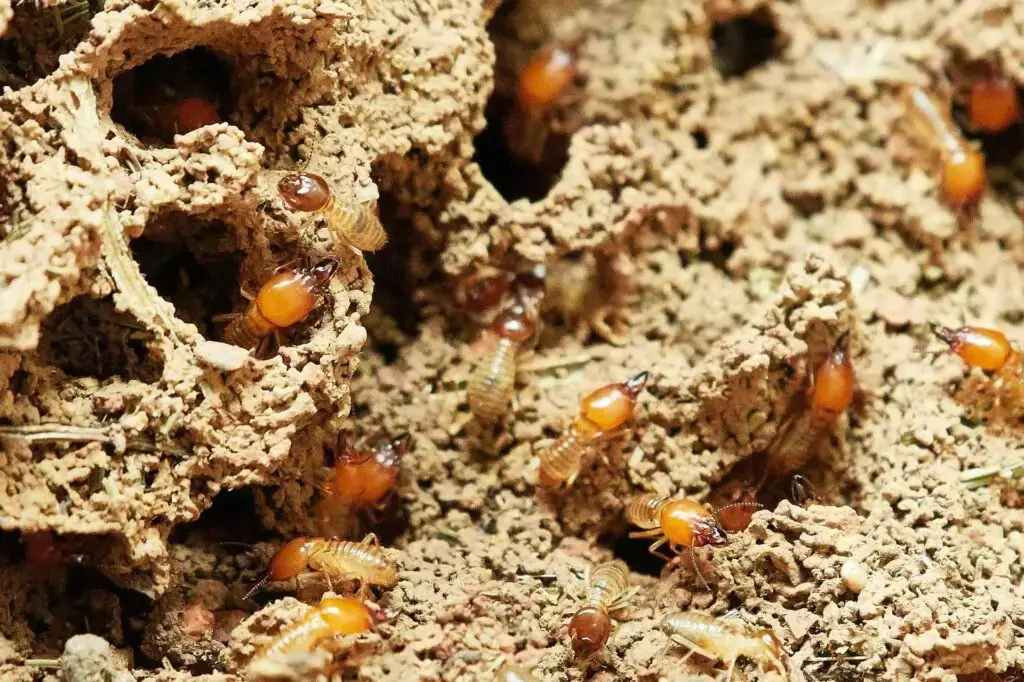
Termites are among the most destructive pests homeowners can face, capable of causing significant structural damage before the problem is even detected. A one-time treatment is not a permanent solution, as termite colonies can re-establish themselves if conditions allow. For that reason, scheduling regular termite re-inspections is critical to maintaining protection and preventing costly repairs. The question many property owners have is: How often should a termite inspection be performed? The answer depends on multiple factors, from the risk level of your location to the history of past infestations. Consistent monitoring is the key to early detection and lasting control. Why Termite Re-Inspections Are Important Termites can work quietly behind walls, under floors, and in structural supports for months or even years without visible signs. This stealthy nature makes them especially dangerous, as homeowners may not notice an issue until substantial damage has already occurred. A thorough termite inspection gives you an updated picture of your home’s condition, identifies vulnerable areas, and helps ensure that any preventive measures in place are still working effectively. Following the guidelines outlined in how to get rid of termites, it becomes clear that re-inspections are an integral part of long-term protection strategies. Factors That Affect How Often to Schedule Inspections The right frequency for termite inspections depends on the unique risk profile of your property. Certain factors increase the likelihood of infestation and may require more frequent checks. By assessing these conditions with a professional, you can determine whether you need annual, semi-annual, or even quarterly inspections. In some high-risk situations, pairing more frequent checks with preventive treatments can greatly reduce the chance of a serious infestation. Recommended Termite Re-Inspection Intervals While every property is different, there are general recommendations for how often a termite inspection should take place. During each inspection, a qualified technician will examine your property for mud tubes, damaged wood, discarded wings, and other warning signs. They may also inspect crawl spaces, attics, and exterior walls for vulnerabilities. In addition, they will often recommend preventive adjustments, such as fixing drainage issues or replacing damaged wood, to maintain protection. Benefits Beyond Infestation Detection Termite re-inspections are not only about finding current activity but also about safeguarding the long-term integrity of your home. Re-inspections also give you a chance to address other conducive conditions around your home that could invite pests, such as wood-to-soil contact, plumbing leaks, or improper ventilation. Over time, these small preventive steps compound into stronger overall protection. Signs You Shouldn’t Wait for the Next Scheduled Inspection Even with a set schedule, certain indicators call for immediate action. If you spot any of these signs, arrange for a termite inspection right away: Ignoring these warning signs can allow termites to continue feeding unnoticed. Acting quickly can prevent further spread and significantly reduce repair costs. Keep Your Home Protected Year After Year Waiting too long between inspections can leave your home vulnerable to silent, costly damage. Establishing a consistent inspection schedule tailored to your risk factors will give you peace of mind and safeguard your property’s value. For professional monitoring and customized prevention strategies, contact Fullscope Pest Control and ensure your home remains protected from these destructive pests.