 1500+ reviews

How Moisture And Humidity Drive Spider Activity During Spring
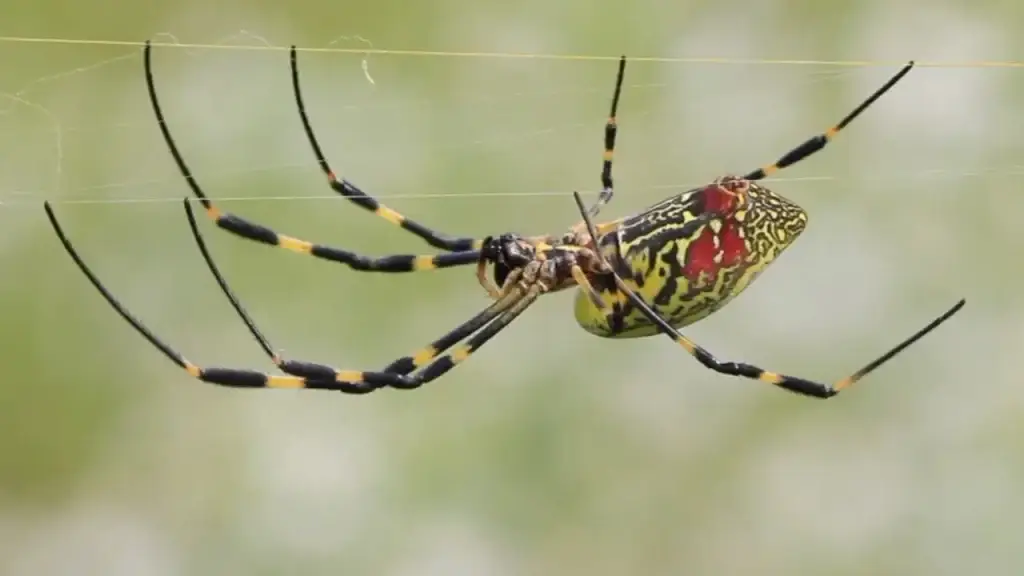
Spring introduces a noticeable shift in environmental conditions, particularly in moisture levels and humidity. These changes do not go unnoticed by pests. Spider activity, in particular, tends to increase during this time as the environment becomes more favorable for both survival and reproduction. From a professional pest control standpoint, spiders are not acting randomly. Their presence is often tied directly to moisture patterns, prey availability, and shelter conditions. Understanding how these factors interact provides a clearer view of why spiders appear more frequently during spring and what that means for long-term property protection. Why Moisture Creates Ideal Conditions for Spider Activity Moisture is one of the most influential environmental drivers behind spider activity. Areas with elevated humidity tend to attract insects, which in turn draw spiders seeking reliable food sources. This creates a chain reaction that begins with environmental conditions and ends with increased pest presence indoors and outdoors. These conditions often develop gradually, making them easy to overlook. However, even minor moisture imbalances can shift the ecosystem around a property, encouraging spiders to establish themselves nearby. How Humidity Supports Spider Survival and Expansion While moisture attracts prey, humidity plays a key role in sustaining spider populations. Many spider species thrive in environments where air moisture levels remain stable, allowing them to maintain hydration and reproduce effectively. Humidity also influences where spiders choose to settle. Indoor areas such as basements, bathrooms, and crawl spaces often retain higher humidity levels, making them ideal habitats. Outdoors, shaded areas and dense vegetation provide similar conditions. This is why spider activity often appears concentrated in specific zones rather than evenly distributed. The environment determines where spiders can survive most efficiently, and those areas become long-term nesting sites if left unaddressed. Seasonal insights from this spring pest prevention tips resource highlight how moisture and humidity shifts during spring contribute to increased pest movement, including spiders. Common Areas Where Spider Activity Increases As moisture and humidity levels rise, certain areas within and around a property become more vulnerable to spider activity. These locations typically offer a combination of shelter, food, and favorable environmental conditions. These spaces provide everything spiders need to establish themselves. Once settled, they often remain undetected until activity becomes more visible. Identifying these high-risk areas is a critical step in understanding how infestations develop over time. The Relationship Between Spider Activity and Other Pests Spiders are not isolated pests. Their presence often signals a broader ecosystem of insect activity. Where there are spiders, there is typically a consistent supply of prey supporting their survival. This connection makes spider activity an indirect indicator of other pest populations. Reducing spider presence often requires addressing the underlying insect activity that sustains them. A comprehensive pest control approach considers this relationship. Focusing solely on spiders without addressing their food sources can lead to recurring activity. Long-term results depend on managing the entire environment rather than isolated symptoms. For a broader perspective on maintaining consistent protection, this guide on year-round pest control explains how ongoing strategies help stabilize pest activity across seasons. Why Professional Evaluation Matters in Moisture-Driven Infestations Moisture-related spider activity is rarely resolved through surface-level observation alone. The conditions that support spiders are often hidden, developing behind walls, beneath flooring, or within structural gaps. Professional pest control focuses on identifying these underlying factors. It provides a structured approach that considers not just the presence of spiders, but the conditions that allow them to persist. This level of evaluation is essential for achieving lasting results. Without it, moisture issues and spider activity can continue to cycle season after season. Where Prevention Meets Long-Term Confidence Moisture and humidity do more than influence the environment. They shape the patterns of spider activity and determine how infestations develop over time. Recognizing these connections allows for more informed decisions and more effective outcomes.For reliable support and a deeper level of protection, reach out to Fullscope Pest Control and move forward with a strategy designed for consistent, long-term results.
Quick Fixes for Common Spider Problems in Your Home (That Don’t Involve a Broom)
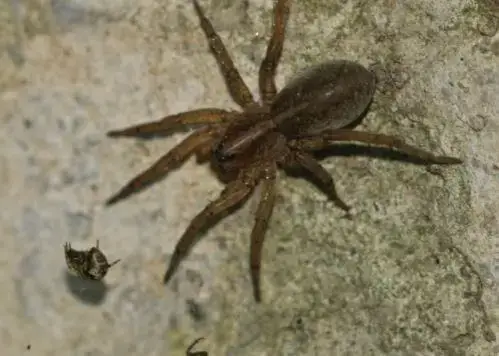
Key Highlights Introduction Keeping a clean home helps, but spiders can still come in. These little creatures can be more than a simple nuisance, and if you let it go, a spider infestation can happen. They like to hide in quiet places, such as corners, basements, and spots where you may not look all the time. This is why it is good to handle it early before things get worse. If you see more webs around or spiders moving across the floor, then it is your sign to do something. Here, we will talk about quick and easy ways to tackle spider problems in the home, and you will not need to use a broom. Spotting the Signs of a Spider Problem in Your Home If you start to see more spiders than you usually do, it may be more than just a random spider showing up. Seeing spider webs in the corners, closets, or the basement can mean you have a spider infestation. You should also keep an eye out for spider egg sacs. These look like small, round, silk balls. If you leave them alone, they could hatch many more spiders in your home. Spiders often stay in dark places where you do not go much. If you see more spiders, webs, or spider egg sacs, it means the problem is getting worse and will need some pest control. Noticing these signs early is the best way to stop a big infestation before it gets worse. Recognizing Spider Webs, Egg Sacs, and Hiding Places Spider webs are one of the most clear signs of a spider infestation. You might see a web or two in corners or closets, and that may not seem like much at first. But if you find webs in different rooms, then this could be a sign of an actual spider infestation. Check places that are hard to get to. Spiders like hiding in attics, basements, and spots behind furniture. Seeing spider egg sacs is also a major clue. These are small, white or off-white balls. You may find them: Pay close attention to cluttered spots. Spiders often hide among the clutter like stacks of papers, old clothes, or boxes. If your pest control tasks lead you to find webs, spiders, and spider egg sacs in many areas, then there is most likely more than just a few spiders here. Cleaning often and getting rid of clutter can help break up their hiding spaces and can stop spiders from spreading through your house. What an Infestation Looks Like Versus Normal Occurrences It is normal for you to see a house spider every once in a while. They are a part of the local ecosystem and pop up sometimes. But if you start noticing spiders every day or find them in groups in many rooms, this can be a sign of a spider infestation. The spider problem can turn into a real nuisance when the webs come back quickly after you clean, and you also keep finding new egg sacs. If you spot several spiders at the same time, mainly in quiet or unnoticed places, this might mean that there is a group of spiders living and having babies in your house. When there are a lot of spiders, you may also find more dead insects, spider droppings, or see more pest activity which means the infestation is growing. These pests might seem fine at first, but they become a big problem when the numbers go up. Thinking about when you should really worry? When spiders are often in groups, or when you find webs and egg sacs a lot, it’s a good time for you to treat the issue as a real infestation, not just something natural that happens sometimes. Why Spiders Invade Homes in Humble, Texas A lot of people in Humble, Texas, want to know why spiders suddenly show up in their homes, especially at certain times of the year. The main reason spiders come inside is to look for food, like ants, mosquitoes, or moths. They also need safe spots to hide from things that can hurt them outside. The humid air and the big number of bugs in the area make it easy for arachnids to like being inside. Once you know these reasons, you can make good choices about spider control and how to stop spiders and bugs from getting into your house. This will help you start using real ways to keep your home safe. Common Attractants in Local Residences Your home can be a place that spiders want to get into more than you might think. The spider will come inside if there are pests like ants, mosquitoes, moths, and even rodents. These bugs serve as food for the spider, making a kind of buffet that brings house spiders and some that are more dangerous. When you have clutter, you give spiders a lot of places to hide. If there are boxes, piles of clothes, or papers in your home, spiders can hide and stay there without being seen. Spiders like to stay in places such as: You can make your home less attractive to spiders and their food by keeping it clean, putting away food, and sealing up any gaps. When you remove what draws the spiders and what their prey likes, you take a big step toward spider prevention. This is a good way to keep the spider out for good. Seasonal Factors That Increase Spider Activity Spiders are not seen the same way all throughout the year. In Humble, the air is often wet, and spider activity goes up in late summer and fall. This is the time when outdoor changes push both pests and the spiders that eat them into the house. When it gets cooler or there is a lot of rain, bugs come inside, and the spiders follow them. You may get more spiders in some rooms, especially where there are more bugs or when it is easy for them
Spiders: Freeloading Roommates Who Think They’re Helping
“Sure, they eat bugs—but do they pay rent? No.” Let’s face it: spiders have a bit of a PR problem. Some people see them as harmless houseguests that take care of other pests. Others see them as eight-legged nightmares with a web design degree. Either way, one thing is certain—they didn’t get your permission to move in. At FullScope Pest Control, we’re all about facts and fun. So here’s a lighthearted look at why spiders think they’re helping…and why you probably still want them gone. 🕷️ The Spider’s Pitch: Why They Think They’re Great Roommates Spiders are the ultimate self-appointed pest control agents. Here’s what they think they bring to the table: We’ll give them this—they’re quiet, resourceful, and don’t raid your fridge. But… 🕸️ The Reality: Why You Might Not Want a Spider-Based Security System Here’s why relying on spiders isn’t exactly a foolproof plan: 1. Web Decor Isn’t Exactly Trendy Unless you’re decorating for Halloween year-round, random webs in corners, windows, and ceiling fans are a visual nuisance. 2. They Multiply…Quietly One spider is quirky. Ten is a problem. If you see webs in every room, your freeloaders may have invited their cousins. 3. Some Bites Hurt While most house spiders are harmless, Texas is home to venomous spiders like the brown recluse and black widow. Suddenly, that “live and let live” approach feels a lot riskier. 4. They’re Still a Sign of Bigger Issues Spiders eat bugs. So if you’ve got a spider problem, guess what? You probably have other pests too. Recommended Read: Spider Extermination – Effective Methods Revealed 🧽 What You Can Do About It (Without Burning Down the House) 🧑🔧 Or… Let Us Handle It Like Pros At FullScope Pest Control, we love nature—but we don’t think it should live inside your house rent-free. Whether you’re dealing with one or twenty unexpected “roommates,” our safe and effective spider control services can help you reclaim your home. 🕷️ Ready to Evict Your Eight-Legged Freeloaders? We offer targeted treatments for both common house spiders and the more dangerous types.📞 Call us today or book online to schedule your free inspection. Check Out Our Residential Pest Control Packages – As low as $36 a month! FullScope Pest Control — Protecting Your Home from Pests (And Their PR Campaigns).
Identifying Venomous Spiders in Texas: What You Need to Know
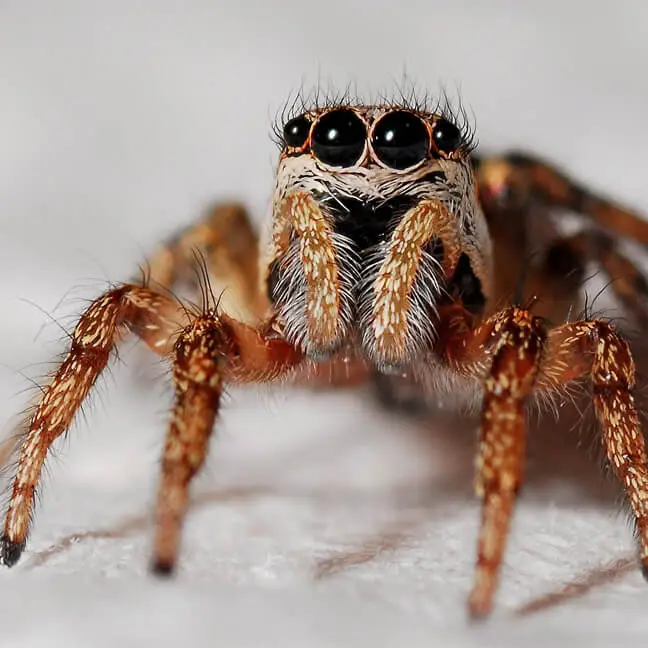
Texas is home to a variety of spider species, most of which are harmless and play a beneficial role in the environment. However, a few venomous spiders can pose risks to people and pets when disturbed or cornered. Misidentifying these arachnids can lead to unnecessary panic, or worse, serious health consequences. As pest control experts serving North Houston communities, including Kingwood, Conroe, and Humble, the team at Fullscope Pest Control frequently addresses spider concerns in residential and commercial settings. Understanding which spiders to watch out for is the first step toward maintaining a safer home. The Difference Between Venomous and Dangerous Before jumping into identification, it’s important to distinguish between “venomous” and “dangerous.” All spiders produce venom, which they use to subdue prey. However, only a few species have venom strong enough to cause medically significant reactions in humans. In Texas, the two most notable venomous spiders are the Black Widow and the Brown Recluse. While bites from these spiders can lead to discomfort or complications, both are naturally shy and avoid human interaction. Most bites occur when they are accidentally provoked. Identifying these spiders accurately can help you avoid unnecessary fear and take the right steps to keep your household safe. The Black Widow Spider: Shiny, Black, and Noticeable The Black Widow is arguably the most well-known venomous spider in the United States. Females are recognized by their shiny black bodies and distinct red hourglass marking on the underside of the abdomen. Key traits: Risks and symptoms: A Black Widow’s bite can cause muscle pain, nausea, and cramping. Although fatalities are extremely rare, children, the elderly, and those with compromised immune systems may be at higher risk for complications. The Brown Recluse Spider: Small, Fast, and Elusive The Brown Recluse is another venomous spider found in Texas, most often in dry, dark, undisturbed areas like attics, closets, or behind furniture. They are light brown and can be identified by a dark, violin-shaped marking on their back. Key traits: Risks and symptoms: Bites may start off painless but can develop into open sores or lesions. Bites may start off painless but can develop into open sores or lesions within days. In some cases, systemic symptoms such as fever or fatigue may occur. Prompt medical attention is recommended if a Brown Recluse bite is suspected. To better understand which spiders are likely to appear near or in your home, take a moment to explore the most common spiders found throughout Texas. Common Myths About Venomous Spiders There are several myths surrounding venomous spiders in Texas that can create confusion and fear. Here are a few worth debunking: Understanding the facts helps reduce panic and allows for more rational decision-making when dealing with a potential encounter. How to Reduce Spider Encounters at Home Preventing encounters with venomous spiders starts with smart home maintenance and environmental control: Regular pest control treatments, especially in the warmer months, can further reduce the insect populations that spiders rely on for food, making your home less attractive to them overall. When to Call a Professional Spotting the occasional spider indoors may not be a cause for alarm. However, if you suspect you’ve seen a venomous species or are experiencing frequent spider activity, it’s time to consult a professional. At Fullscope Pest Control, we provide expert identification and treatment services tailored to the spider species common in Texas. Our trained technicians take a targeted approach that considers your home’s layout, environment, and specific pest activity. For those unsure about the best course of action, these effective extermination methods offer helpful insight into how professionals resolve spider issues thoroughly and safely. We also offer ongoing pest prevention services to reduce attractants like insects and moisture, without the use of unnecessary chemical treatments. This approach is safer, more sustainable, and more effective in the long term. Know the Signs, Trust the Experts Living in Texas means coexisting with a wide range of spider species. Most are harmless and even helpful, but knowing how to identify the few that are venomous is important for your health and peace of mind. When it comes to spider control, prevention and early action are key. If you’re unsure about what’s hiding in your attic, closet, or backyard shed, don’t rely on guesswork. Let a trusted local team handle the inspection, treatment, and follow-up.Contact Fullscope Pest Control today to schedule a spider inspection or learn more about our comprehensive pest control services across the North Houston area.
The Most Common Spiders in Texas and How to Get Rid of Them
Several spider species call Texas home, including both harmless spiders and spiders that can be dangerous to humans. Learning about spiders in your area and ways to keep them out is key to ensuring a comfortable, secure home. If you have an ongoing spider problem, spider control in Texas is key to providing an insect-free home. Most Common Spiders Found in Texas Black Widow Spiders The black widow is among the most venomous spiders in Texas. It has an hourglass red spot on an otherwise shiny black body. Black widow spiders live in dark areas, including garages and stacks of wood, and attack in defense. Their venom contains neurotoxins, causing intense pain, cramping, and nausea. Although rarely fatal, bites require medical attention immediately, especially for vulnerable individuals. Brown Recluse Spiders Small, light to dark brown, brown recluse spiders possess three sets of eyes and an hourglass spot on their backs. Their habitat is in basements, attics, and closets where these spiders bite in response to provocation to inflict necrotic ulcers. Professional spider control in Texas can effectively manage their presence. Wolf Spiders These large, hairy spiders move quickly and hunt on the ground. Unlike spiders that have webs to entrap prey, these spiders chase down prey. Wolf spiders can be commonly found outdoors in gardens, rocks, or foundations but can periodically venture inside. Their bite is not dangerous to humans, yet swelling can occur. Though helpful in controlling insect populations, most homeowners wouldn’t welcome these spiders inside. Southern House Spiders The Southern House Spiders (Kukulcania hibernalis) live in and around homes in Texas. They have brown coloring, just like brown recluses, but they are not hazardous to humans. The spiders construct webs in undisturbed locations like basements or attics, including corners and ceilings. Consistent cleaning and web removal may help keep them out of your house. Effective Strategies to Keep Spiders Away When to Call Professional Pest Control in Texas Professional spider control in Texas is needed when spiders continue to return despite preventive measures or when dangerous varieties are regularly present. Experts may evaluate your house, administer safe treatments, and implement long-term plans. The pest management service can guarantee extended protection if you have egg sacs, numerous webs, or repeated infestations. Conclusion Knowing which spiders most commonly live in Texas and taking proven preventive measures can keep your home safe. Brown recluses and black widows, both hazardous spiders, require greater caution. If spiders remain an ongoing problem, call FullScope Pest Control. Our professional spider control service in Texas is individualized to your home and guaranteed to be safe and effective. For a complete assessment and long-lasting protection, get in touch now.
Are Spiders A Sign Of More Pests?
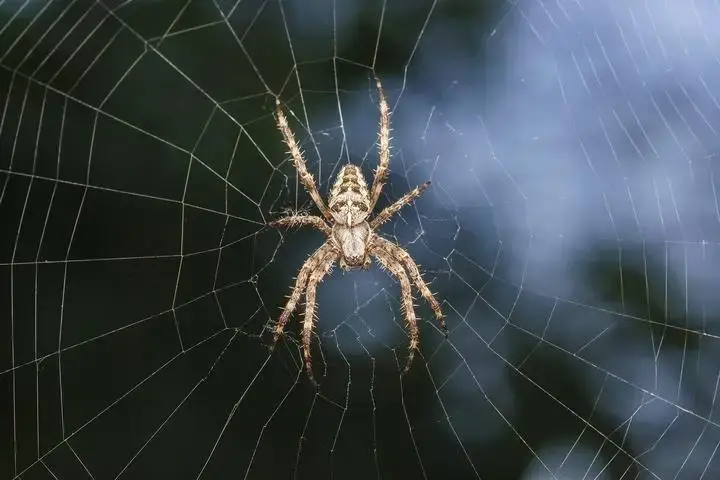
Spiders can virtually be found in every home, lurking in corners or spinning in undisturbed areas of your home. They thrive well and do great in an atmosphere where it has an ample number of food supplies, such as insects. This is usually where the connection comes from, making them a good yet highly unwanted indicator of potential bug activity. To maintain a pest-free home, it’s important to understand their role and adopt effective spider control measures that address both the spiders and the pests they feed on. Why Spiders Might Indicate Other Pests Presence of Prey Species Generally, spiders show up where their source of nutrition does exist constantly, like flies, ants, or mosquitoes. These pest species denote the abundance of such species in your home. Shared Environmental Factors The conditions that usually attract spiders and pests are moisture, warmth, and dark spaces. This may be an indication that your house is a preferable place for them to live. Increased Spider Activity as a Warning Sign An increase in spider activity may be an indication of a greater pest problem, indirectly. Spiders don’t just show up for no reason; they follow the food source. Web Locations Reveal Pest Hotspots Spider webs often indicate the location of other infestations. Webs near food or refuse may point to an attraction in that area. How to Detect Warning Signs of a Pest Infestation One possible red flag is an increase in spider sightings, but it’s not the only indicator. You may also find pest droppings, packages of food that have been ruined, or unusual smells. These signs will help you to identify whether you have a more significant pest problem. How to Deal with Spiders and Prevent More Pests Simple steps in the management of spiders and the prevention of other pests begin with sanitation and the elimination of harborage opportunities for spiders in areas like the basement and attic. Seal all crevices and openings in walls, doors, and windows to prevent entry. Remove attractants such as food crumbs, standing water, and bright lights. For most minor infestations, natural repellents such as peppermint or citrus oils can be quite effective. If the problems are more serious, professional help is required. Professionals in pest control will be able to carefully investigate all nooks and corners for well-concealed infestations and apply specific treatments for effective spider control. They will also have long-term strategies to avoid having spiders and other pests enter your home again, thereby keeping it safe and pest-free. Professional-grade treatments and advice are often the best bet if natural remedies do not work or if the extent of the infestation is getting worse. Conclusion While spiders can be much more than a nuisance, they usually are indicative of a greater problem with pests. It’s very important to take proactive steps to control spiders and other pests; however, it sometimes requires professionals to intervene. Here at Fullscope Pest Control, we are experts in effective spider control and thorough pest management in order to keep your home safe from all pest infestations. Be it spiders or a more significant invasion, our expert team prepares solutions according to your very needs. Contact Fullscope Pest Control today and take the first step toward a no-pests home!
What Attracts Spiders To Your Home?
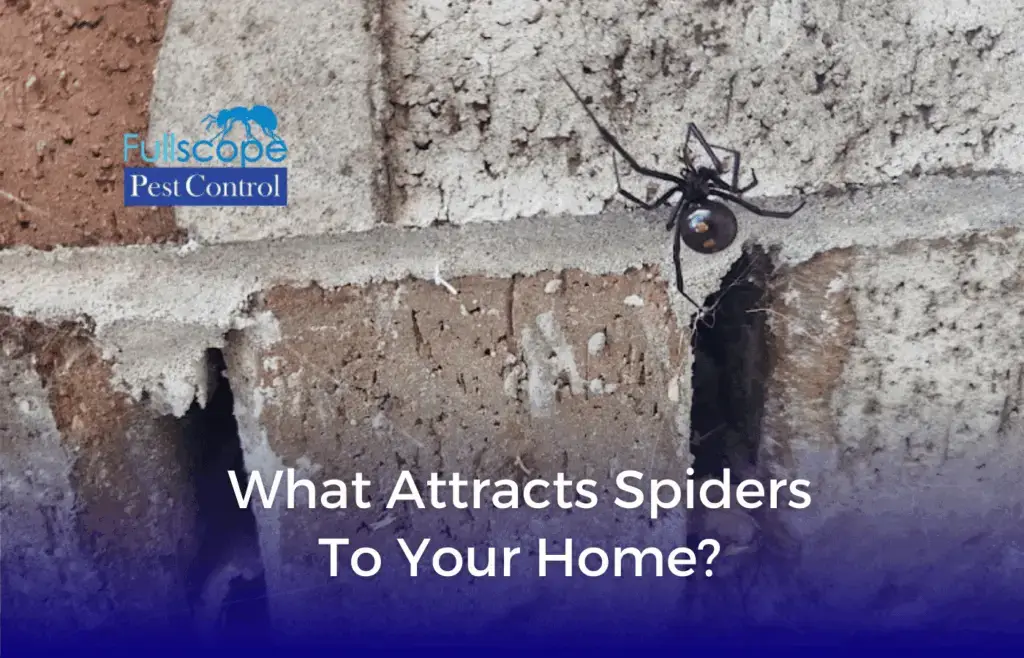
Spiders can be common in homes, but what attracts them? While most are harmless and can help deter other pests, having too many can be unsettling. Understanding why they come into your living spaces is the first step to keeping them out. If you’re dealing with this problem, seeking spider control in Texas might be a wise solution. In this blog, we will discuss why spiders invade homes and provide effective tips to keep them out. Factors That Attract Spiders To Your Home Presence of Other Insects Most spiders are natural predators, feeding on other insects. If you have a bug-infested population in your home, you can almost surely have spiders, too. Spiders follow their food, so homes with flies, ants, or other insects are often places a spider may consider prime hunting territory. Humidity and Moisture Spiders are attracted a lot of the time to areas where moisture may be present. Basements, bathrooms, and kitchens are usually more humid than other rooms in the house, which makes them ideal environments for spiders. The dampness also attracts other insects to these areas. Clutter and Hiding Places Spiders adore dark and undisturbed spots, usually with opportunities to spin webs or hide. Rooms filled with clutter, storage boxes, piled-up laundry, or other used items are a haven for spiders. Poor Sealing on Windows and Doors Gaps, cracks, and ill-sealed windows and doors grant easy access to spiders entering your home. These little entry points facilitate spiders moving indoors, especially when cold outside, in search of warmth. Outdoor Lighting You might think outdoor lighting would help keep bugs away, but the opposite is true. Bright lights attract flying insects, and spiders quickly follow where there are insects. Switching to yellow “bug lights” or motion-activated lighting will reduce this issue. How to Prevent Spiders From Entering Your Home Now that you know what attracts spiders, it’s time to act. Here are some practical steps against spiders making your home their den: Conclusion Spiders may be nature’s pest control, but that doesn’t mean you want them to reside in your house. Stay proactive entry points, reduce clutter, manage moisture, and create a less appealing environment for spiders. But if you constantly hold off these eight-legged visitors, now may be the time to consider a more comprehensive solution. At FullScope Pest Control, we do much more than eradicate pests; indeed, we facilitate the means for regaining your living space. Beyond simply removing spiders, our team in spider control in Texas will address the root causes of their entry. Call FullScope Pest Control today, and let’s work together to make your home yours again!
Spider Pest Control Solutions for Your Home

Key Highlights Introduction Spiders are common household pests that can cause discomfort and anxiety for homeowners. While they play a role in controlling other insect populations, many people prefer to keep their homes free of spiders and their webs. Understanding the habits and habitats of spiders is essential in effectively controlling and preventing spider infestations. This blog will provide valuable information on identifying common house spiders, understanding why spiders choose your home, recognizing when spiders are dangerous, and offering practical spider control solutions. We will also address frequently asked questions about spider prevention and treatment. By following the recommended spider control measures and preventive strategies, homeowners can create a spider-free environment and enjoy their homes without the presence of these eight-legged creatures. Understanding Spiders: Habits and Habitats Spiders are arachnids that belong to the class Arachnida. There are thousands of spider species worldwide, with around 4,000 species found in the United States alone. Among the various spider species, the most common ones found in homes are known as common house spiders. These spiders are typically harmless to humans and play a beneficial role in controlling other insect populations. They are natural predators of pests like flies, mosquitoes, and roaches. Common house spiders are found throughout the United States and can vary in size, color, and behavior. They typically prefer dark and undisturbed areas such as basements, attics, and crawl spaces. These spiders are known for their ability to spin intricate webs to catch their prey. The presence of spider webs is often a sign of a spider infestation or activity. It is important to be able to identify common house spiders for effective pest control. Some of the most common types of spiders found in homes include the brown recluse spider and the black widow spider. These two species are venomous and can pose health risks if encountered. Proper identification and professional spider control measures are necessary when dealing with these dangerous spiders. By understanding the habits and habitats of spiders, homeowners can better recognize and control spider infestations in their homes. Regular inspections, proper sanitation, and targeted pest control treatments can help keep spider populations in check and maintain a spider-free environment. Common House Spiders: Identification Guide Identifying common house spiders is crucial in determining the appropriate spider pest control measures. Here are some key features of the most common types of spiders: It’s important to note that not all spiders found in your home are dangerous. In fact, the majority of spiders are harmless and can even be beneficial in controlling other insect populations. However, if you suspect the presence of brown recluse or black widow spiders, it’s best to seek professional spider pest control services. Why Spiders Choose Your Home: Attraction Factors Spiders are attracted to certain factors that make your home an ideal habitat for them. Understanding these attraction factors can help you address the issue effectively. One of the main attraction factors for spiders is the presence of dark corners and crawl spaces. These areas provide them with shelter and a safe place to build their webs. Spiders also need a readily available food source, which often includes other insects like flies and mosquitoes. To discourage spiders from choosing your home, it’s important to eliminate these attraction factors. Regularly clean and declutter your home, paying special attention to areas where spiders are likely to hide. Seal any entry points to prevent spiders from entering your home, and keep your home free from other insect pests to reduce their food source. When are Spiders Dangerous? While most spiders are harmless, there are a few species that can be dangerous to humans. Understanding when spiders are dangerous is important for your safety and well-being. In general, spiders are not aggressive and will only bite when they feel threatened. Most spider bites result in minor reactions, such as redness, swelling, and itching. However, there are a few species that deliver venomous bites, which can cause more severe symptoms. The black widow spider and the brown recluse spider are the two most dangerous spiders in North America. Their bites can result in more serious health issues, such as muscle cramps, abdominal pain, weakness, and tremors. If you suspect you have been bitten by one of these spiders, it’s important to seek immediate medical attention. It’s also worth noting that some individuals may have allergic reactions to spider bites, which can result in more severe symptoms. If you experience difficulty breathing, chest pain, or any other severe reaction after a spider bite, seek medical help immediately. We know spiders At FullScope Pest Control, we understand spiders and have the expertise to effectively control and eliminate spider infestations. Our trained technicians are knowledgeable about the different spider species and their habits, allowing us to provide targeted pest control solutions. We take pride in our ability to identify and address spider issues in a safe and effective manner. With our professional spider pest control services, you can have peace of mind knowing that your home is free from spiders and potential health risks associated with them. Trust us to provide the best solutions for your spider control needs. How to Spot Brown Recluse Spiders Being able to spot brown recluse spiders is crucial in addressing and preventing infestations. These spiders are known for their venomous bites, which can cause severe reactions. Here are some key tips on how to spot brown recluse spiders: If you suspect the presence of brown recluse spiders in your home, it’s best to seek professional spider pest control services. Attempting to handle the infestation on your own can be dangerous, as these spiders can deliver venomous bites. How to Spot Black Widow Spiders Identifying black widow spiders is crucial in addressing and preventing infestations. These spiders are known for their potentially deadly bites. Here are some key tips on how to spot black widow spiders: If you see a black widow spider or suspect its presence in your home, it’s important to seek professional spider pest
Don’t Share Your Home with Eight-Legged Tenants: Why Spider Control Matters
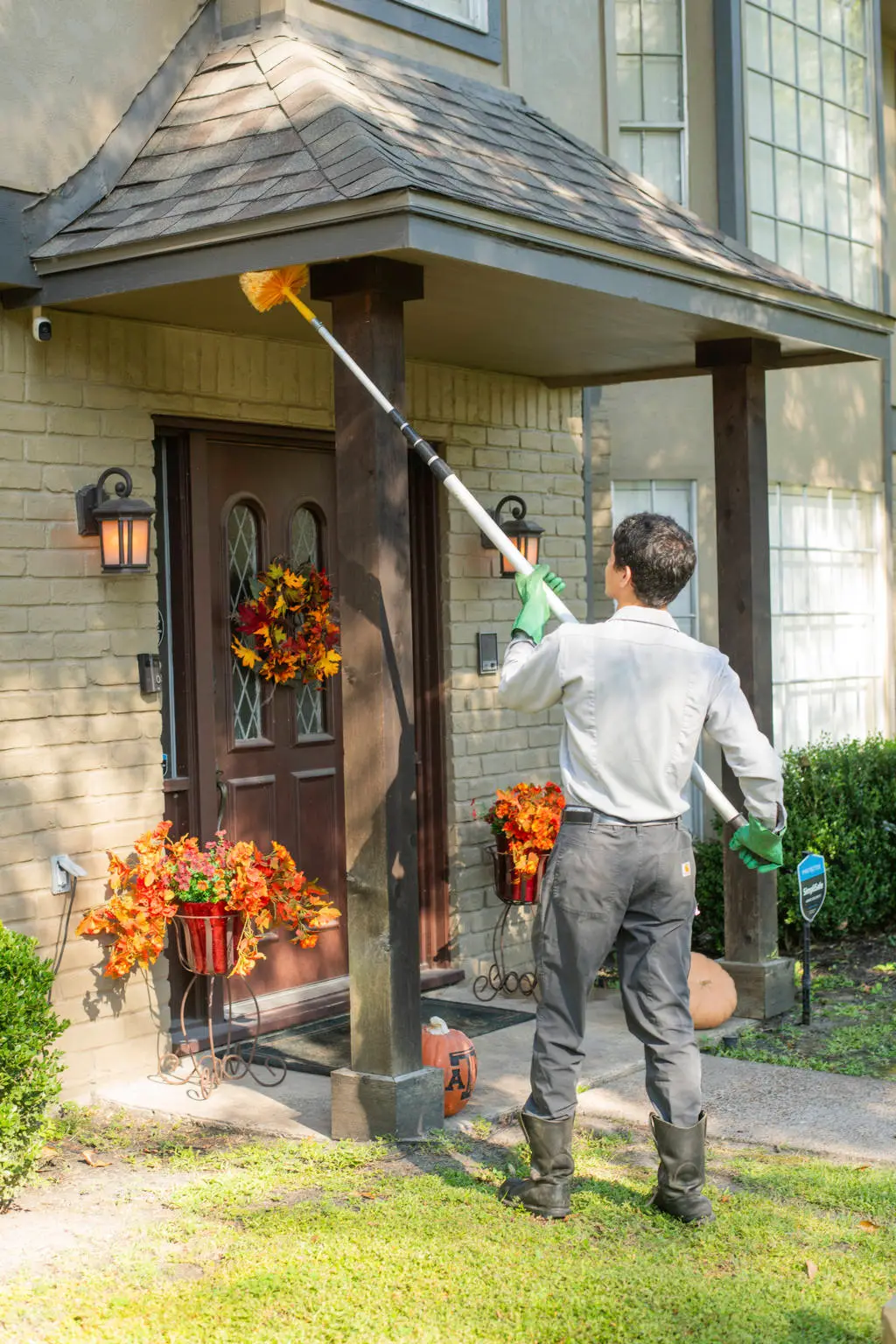
Spiders: They spin intricate webs, capture pesky insects, and sometimes…creep us out. While some spiders are harmless, their presence can be unsettling, especially for arachnophobes. But beyond the fear factor, uncontrolled spider populations can pose problems for your home and health. Here’s why professional spider control services might be the answer you’ve been searching for: Beyond the Shivers: Health Concerns: Certain spider species, like brown recluse and black widows, have venomous bites that can cause serious health issues. While rare, professional pest control companies such as FullScope Services can identify and eliminate these potentially dangerous spiders, giving you peace of mind. Most spiders are drawn to your home in search of feed, so reducing their food source (insects) can also help reduce spider populations. Regular pest control services can ensure that insect populations are not the “Open for Business” sign that attracts spiders in the first place. More Than Just Creepy Crawlies: Spiders often indicate larger pest problems. Their presence means food sources like insects are readily available, attracting unwanted house guests like roaches, ants, and even rodents. Addressing the spider issue at its root eliminates not just the spiders, but potentially a whole ecosystem of unwelcome guests. Prevention is Key: Reactive measures often fall short. Professional spider control services go beyond simply eliminating existing spiders. They identify entry points, seal them shut, and implement preventative measures to deter future infestations. This proactive approach saves you time, money, and stress in the long run. Expert Knowledge and Tools: Knowing where to look, what products to use, and how to safely apply them is crucial for effective spider control. The FullScope professional team has the expertise, experience, and equipment to tackle even the most complex infestations, ensuring a thorough and lasting solution. Peace of Mind and Guaranteed Results: Living with the constant worry of spiders can be anxiety-inducing. Our professional pest services offer a guarantee, giving you the assurance that the problem will be solved, allowing you to relax and enjoy your pest-free home. Investing in Your Comfort and Health: Think of it this way: Recurring spider control is like an insurance policy for your peace of mind, health, and wallet. Keep your family and pets safe. Don’t wait for an eight-legged invasion to disrupt your comfort. Invest in a spider-free future by contacting your locally trusted pest control professional, FullScope today and enjoy the lasting benefits of a recurring service plan. Ready to say goodbye to unwanted houseguests? Contact a FullScope pest control company today! They’ll assess your situation, develop a customized plan, and help you reclaim your home from the eight-legged invasion. Remember, a spider-free home is just a call away!
Natural And Chemical Spider Control Methods
A lot of folks worry about eliminating spiders at home. Those eight-legged creatures can show up without an invite, and we want to find good ways to manage them. Whether you like natural methods or are thinking about chemicals, it’s essential to understand the pros and cons of each. In this guide, we’ll check out different ways to make your home spider-free and bring back that peace of mind. Natural Spider Control Methods Peppermint Oil: A Natural Repellent Spiders don’t like the smell of peppermint. Mix a few drops with water and spray them around doors, corners, and windows. It’s a natural way to stop spiders from entering without harming the environment. Diatomaceous Earth: A Silent Killer Here’s an easy solution: diatomaceous earth. It’s safe for you and your pets but not so friendly to spiders. This powder dries out spiders and messes up their outer shell, eventually taking them out. Just sprinkle it where spiders could be hanging out, like corners and cracks. Simple as that! Citrus Peels: Nature’s Spider Repellent Citrus is repulsive to spiders. Save your citrus peels and strategically position them around your home, especially near windows and doors. It not only adds a pleasant smell but also keeps spiders at bay. Vinegar Solution: A Repellent for Web-Building Spiders Try a simple trick if you prefer spiders setting up shop in your home. Mix some vinegar with water and spray it where those web-spinning spiders like to hang out. The acidity of the vinegar messes with their ability to stick their silk, so they’ll think twice about building webs in your space. Keep at it regularly; you’ll likely keep those eight-legged visitors at bay. Chemical Spider Control Methods Insecticides: Targeted Spider Elimination When used carefully, chemical insecticides can be efficient at eradicating spiders. Look for solutions intended explicitly for spider management, and carefully follow the instructions to guarantee your family’s safety. Spider Sprays: Direct Application Spider control sprays provide a quick and effective solution. Apply them directly to baseboards, window sills, and corners where spiders are present or are prone to enter. For long-lasting protection, select products with residual effects. Professional Pest Control: Expert Intervention A professional pest control service is an excellent solution for chronic spider infestations. Trained professionals may analyze the degree of the infestation and perform tailored chemical treatments to provide a complete and long-term remedy. Ultrasonic Repellents: High-Frequency Spider Deterrence Ultrasonic repellents create high-frequency sound waves that are inaudible to humans but disrupt spiders, causing them to flee the treated area. These chemical-free devices offer a non-intrusive and environmentally responsible way to keep spiders away. Conclusion Finding the correct balance between natural and chemical control approaches is critical in the war against spiders. The goal is the same whether you choose the fragrant force of peppermint oil or the precision of professional pest control: a spider-free house. Consider contacting Fullscope Pest Control for experienced guidance suited to your needs. Our experienced team is committed to offering efficient, long-term solutions that keep your home free of uninvited arachnid visitors. Act today, and let us assist you in reclaiming your space.