 1500+ reviews

Top Places Scorpions May Hide
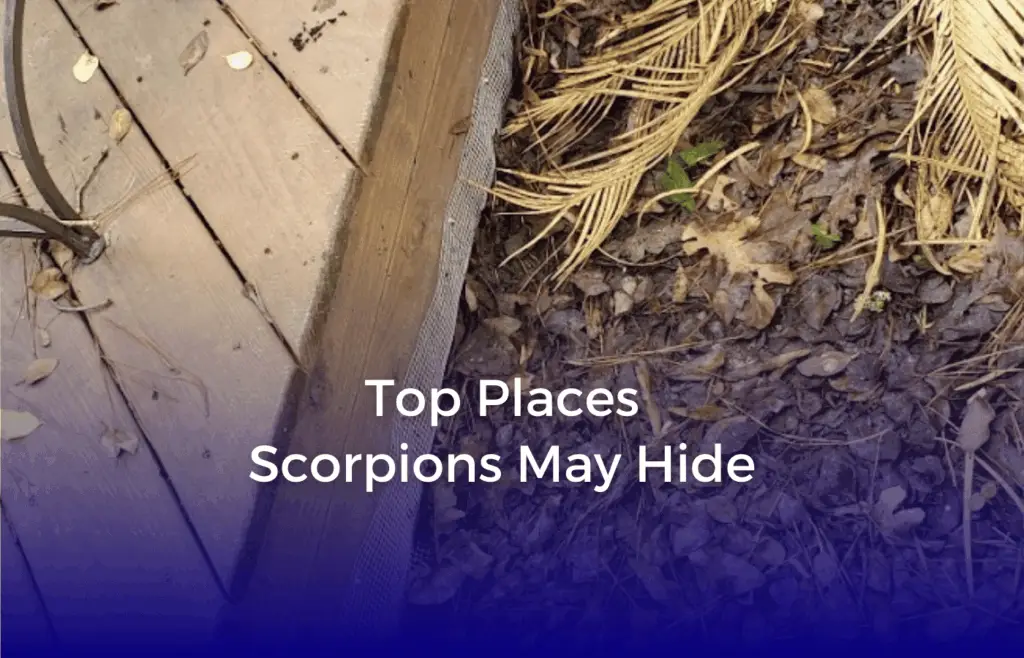
Scorpions are so elusive that most homes and gardens do not want them as guests. These nocturnal predators shelter expertly in areas that can protect them and provide them with easy access to food. Identifying where scorpions are most likely hiding is the first step in effective scorpion control. In this blog, we will find where scorpions hide and what attracts them to these secretive areas. Common Hiding Spots for Scorpions Under Rocks and Logs Scorpions like dark, moist places and rocks or wood are best for them. These outside harboring points provide shade, dampness, and protection from predators. If your property has many stones as decoration, woodpiles, or fallen branches, it’s recommended that you be keen on the presence of this creature. In Cracks and Crevices Cracks in the walls, foundation, and baseboards are invitations to scorpions. They provide them with easy shelter while concealing themselves from possible dangers. Inside the home, scorpions can climb into the crevices of furniture or along the edges of walls where gaps are usually not noticed. Inside Shoes and Clothing Scorpions like to hide in places where they feel snug and protected. A line of shoes on the floor or even clothing that is never disturbed may become their hiding places. Always shake out shoes and look through your clothes before wearing them, especially if they are left in areas where scorpions are often found. Around Plumbing and Drains Moisture is one of the most critical attractants for scorpions, making plumbing and drain areas ideal hiding places. Some common areas found infested are bathrooms, kitchens, and laundry rooms with direct access to sinks, bathtubs, and drains. Scorpions may enter through gaps in plumbing or even crawl up from drains in search of a cool, moist refuge. Within Firewood Piles When firewood is stacked, it provides scorpions with all their favorite qualities: heat, darkness, and protection. Any pile of firewood set outdoors, or even inside, in a few instances, seems to develop a population explosion of scorpions within a short time. Always investigate logs well before bringing them inside a house. When to Call a Pest Control Professional Whether it is multiple scorpions or an infestation suspicion that one may have, then professional involvement comes in place. Professional services are vital because scorpion control should be addressed at its cause. Signs of an invasion are described by regularly seeing them, finding unusual places they appear in, and finding tiny exoskeletons that usually molt around your property. Your search for professional pest control means properly inspecting the core, and targeted treatments will be carried out against these pests safely and successfully. Conclusion While scorpions can be sneaky, you don’t have to be at the receiving end of their attack if you possess the right knowledge and take proactive steps. If scorpions have become more than a minor nuisance, don’t wait any longer; let the experts at Fullscope Pest Control take over. Our professional scorpion control services will target the pests right at their source for your safe and comfortable home. Call Fullscope Pest Control today to schedule an appointment and be on your way to a no-pests environment!
Do’s and Don’ts After A Scorpion Sting

Scorpion stings are foreboding and may be challenging, especially if one does not know about them. While most scorpion stings are not life-threatening, learning to act soon enough and regressively will make a massive difference in your case. In this blog, we will walk you through the primary dos and don’ts after being stung by a scorpion and ensure that you make the right moves toward preserving your health. Common Symptoms of a Scorpion Sting Scorpion sting symptoms might be moderate or severe, depending on the stinger. Common reactions include localized pain, swelling, redness, and tingling around the sting site. Sometimes, you might experience unusual muscle twitching, breathing difficulties, or nausea. Recognizing these symptoms early is key to determining the appropriate treatment, and taking prompt action can also help prevent further complications, especially when considering scorpion control in Texas as a proactive measure to avoid future stings. H2: Do’s After A Scorpion Sting: Do Wash the Sting Area Thoroughly First aid after a sting involves washing with soap and water to decrease the likelihood of infection and remove any residual venom on the skin. Do Elevate the Affected Limb to Reduce Swelling Elevating the area of the sting can help reduce swelling and pain. This should mainly be done if the sting involves a limb. Do Monitor for Severe Symptoms Monitor your condition for the next few hours after the sting. Seek medical help immediately if you experience situations that deteriorate into muscle spasms, pain, or vomiting. Don’ts After A Scorpion Sting: Don’t Ignore Signs of an Allergic Reaction If breathing is problematic, face and throat swelling occurs, or rapid heartbeat occurs, seek immediate medical help. These symptoms could be signs of a serious allergic reaction that needs to be addressed quickly by a medical professional. Don’t Panic or Rush to Suck Out Venom Feeling panicked after being stung is natural, but remaining calm is essential. Attempting to suck out the venom is not only ineffective but can also cause additional harm. Don’t Apply a Tourniquet Tourniquet application to a scorpion sting may be much more destructive than good. It could impede blood flow and hence has the potential to cause tissue damage. How to Keep Your Home Scorpion-Free Scorpion-proof your house to reduce future incidents of scorpion stings. Seal your house to prevent entry, reduce clutter, keep your home clean so as not to offer hiding places, and remove food for scorpions. If you wish to be well-protected, professional scorpion control in Texas provides an operator-trained university, including the possibility of an intensive home inspection and treatments around the home—especially those that prevent scorpion entry. Conclusion It is a stressful moment when a scorpion stings, yet with these do’s and don’ts, you can make a safer, more informed response. Regardless, the best form of protection for you and your loved ones against scorpions is to try your best to ensure they never enter your home. Call Fullscope Pest Control today for our comprehensive scorpion control in Texas and protect your home from these unwanted intruders. Please don’t wait for a sting; call Fullscope Pest Control today and let our experts help you create a scorpion-free environment for your family.
Top Tips for Scorpion Pest Control: Eliminate Scorpions
Key Highlights Introduction Welcome to FullScope’s comprehensive guide on scorpion extermination. Scorpions are venomous pests that can be found in various parts of the world, excluding Antarctica. While most scorpion stings are not fatal, it is important to identify and eliminate them from your home to ensure the safety and peace of mind of your family. This guide will also cover other common household pests such as cockroaches, mice, rats, silverfish, “house” ants, clothes moths, spiders, centipedes, millipedes, earwigs, house crickets, and paper wasps. Scorpion control is a critical aspect of pest management, as these arachnids can pose a threat to humans and pets alike. Their stings can be painful and may cause allergic reactions in some individuals. Therefore, it is crucial to understand how to identify and get rid of scorpions. In this guide, we will delve into the identification and behavior of scorpions, explore key features for identifying common scorpion species, discuss their habits and habitats, and provide tips on making your home inhospitable to scorpions. We will also cover professional scorpion extermination techniques, the latest advancements in scorpion extermination technology, and the health risks associated with scorpion stings. With lengths ranging from less than half an inch to as large as 9 inches, it is important to accurately identify and exterminate scorpions in order to keep your home safe. Whether you’re dealing with a scorpion infestation or simply want to protect your home from potential invasions, this guide will provide you with the knowledge and tools you need to effectively identify and get rid of scorpions. Understanding Scorpions: Identification and Behavior Scorpions belong to the arachnid family and can be found in various species across the globe. One common species is the bark scorpion, known for its potent sting. Scorpions have distinctive features, including a pair of pincers, four pairs of legs, a segmented tail, and a stinger at the end. They rely on their sense of smell and touch rather than their limited vision, making them similar to their close relatives, spiders, mites, and ticks. Understanding their behavior is essential for effective scorpion control. Key Features for Identifying Common Scorpions Identifying common scorpions is crucial for effective pest control. The bark scorpion, striped bark scorpion, and Arizona bark scorpion are among the most prevalent species of scorpions found in the United States. The bark scorpion is typically yellow without stripes or patterns and has a very thin tail. The striped bark scorpion, as the name suggests, has stripes on top of its pale yellow body. The Arizona bark scorpion, one of the most dangerous species of scorpions, is known for its potent venom and is found in the southwestern states of Arizona, California, Nevada, and New Mexico. By familiarizing yourself with these key features, you can accurately identify the species of scorpions in your area and implement appropriate control measures. Habits and Habitats: Where Scorpions Thrive Scorpions have specific habits and habitats that allow them to thrive in various environments. While they are commonly associated with dry and desert areas, scorpions can also be found in grasslands, forests, and even caves. In the United States, scorpions are prevalent in states like Arizona, New Mexico, and Texas. They prefer dark and cool areas, such as under rocks, wood, or debris piles. Leaf litter and piles of rocks also provide suitable hiding spots for scorpions, as well as nooks and crannies in and around homes. By understanding their preferred habitats, you can take proactive measures to eliminate these favorable conditions and reduce the risk of scorpion infestations. Pre-Extermination Preparation: Making Your Home Inhospitable to Scorpions Before embarking on scorpion extermination, it is essential to prepare your home to make it inhospitable to these pests. Pest control experts recommend securing potential entry points, such as cracks in window frames and doors, to prevent scorpions from entering. Removing surface debris, such as leaf litter and piles of rocks, as well as firewood, can also eliminate hiding spots for scorpions. By taking these pre-extermination measures, you create a less inviting environment for scorpions and increase the effectiveness of subsequent control methods. Natural Deterrents and DIY Solutions In addition to pre-extermination preparation, implementing natural deterrents and DIY solutions can help repel scorpions. Eliminating their food source, such as small insects and crickets, can reduce scorpion activity in your home. Removing excessive vegetation around your property can also discourage scorpions from taking up residence. Natural solutions like essential oils, such as drops of lavender and cedarwood in a spray bottle filled with water, can be sprayed around areas where scorpions might enter, such as window frames and doorways. While these natural deterrents may not completely eliminate scorpions, they can complement professional pest control methods and provide an added layer of protection. Securing Entry Points: A Step-by-Step Guide Securing entry points is a crucial aspect of scorpion control. By sealing cracks, gaps, and crevices, you can prevent scorpions from entering your home. Start by inspecting window frames, doors, and other potential entry points for any openings. Use caulk to seal gaps and crevices, ensuring a tight seal. For larger openings or gaps, consider using weatherstripping or other appropriate sealing materials. Glue boards can also be placed near entry points to trap scorpions. By following these steps, you can effectively secure entry points and reduce the risk of scorpion infestations. Professional Scorpion Extermination Techniques When dealing with scorpion infestations, it is often best to rely on professional scorpion extermination techniques in your local area. Pest control experts have the knowledge and experience to effectively eliminate scorpions from your home. They utilize various methods, including the use of insecticides and treatment plans tailored to your specific situation. An exterminator will assess the severity of the infestation and develop a comprehensive treatment plan to eradicate scorpions and prevent future infestations. By entrusting the task to professionals, you can ensure the safety and effectiveness of the extermination process. The Latest in Scorpion Extermination Technology The field of pest management is constantly evolving, and advancements in technology have