 1500+ reviews

Pet-Safe Flea Control: Eco-Friendly Solutions That Actually Work
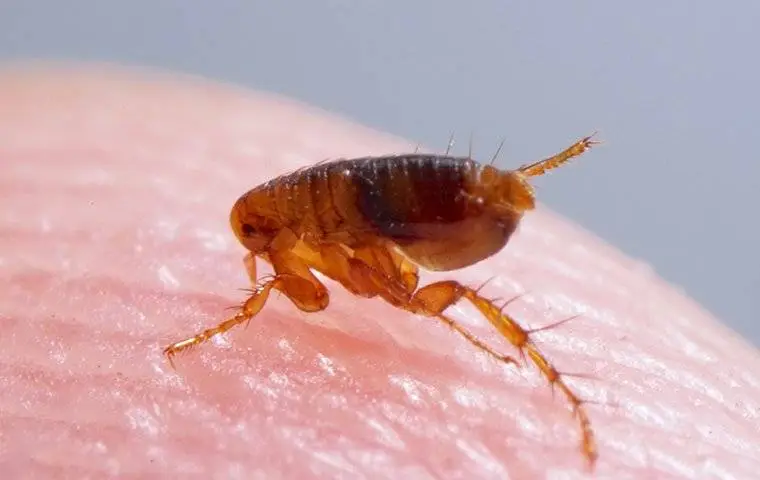
Introduction: Fleas Keep Coming Back—Now What? You’ve treated your pets. You’ve cleaned the carpets. Yet somehow, the fleas keep coming back—and you’re rightly concerned about using harsh chemicals around your furry family members. If you’re searching for eco-friendly pest control services for homes with pets in Conroe, Texas, you’re not alone. Fortunately, there are effective pest control strategies that not only eliminate fleas but also prioritize the safety of your pets, your family, and your home. Quick Answer: What Are Pet-Safe Pest Control Options? The best pet-safe pest control options combine integrated pest management (IPM), natural treatments, and certified low-toxicity products applied by experienced professionals. The goal is to treat the infestation at its source—your home’s hidden nooks and flea-friendly zones—without putting your pets at risk. Why Fleas Keep Coming Back (Even After Pet Treatment) Even if your cat or dog has been treated with flea medication, infestations can persist due to: Treating your pet is step one. Treating your home and yard—safely—is step two. Eco-Friendly Pest Control: What It Really Means “Eco-friendly” doesn’t just mean using a product labeled “natural.” It includes a broader strategy focused on prevention, inspection, and targeted treatment. Key Components: Top Safe Solutions for Flea Control Around Pets 1. FullScope Pest Control (Conroe, TX) One of the first pest control companies to consider is FullScope Pest Control, based in Conroe and serving the North Houston area. What makes them stand out? They inspect for entry points and hiding spots that most homeowners would miss—and they use treatment plans that are safe for cats, dogs, and even toddlers crawling on the floor. 2. Diatomaceous Earth (DIY Friendly) This natural, mineral-based powder kills fleas by damaging their exoskeletons. It’s non-toxic to humans and pets but must be used properly: 3. Professional Steam Cleaning High-temperature steam penetrates fabrics and crevices where flea eggs and larvae hide. Hire a service or use a professional-grade steamer. 4. Cedar Oil Treatments Many pest control companies now use cedar oil sprays as a safe, natural deterrent against fleas. These treatments are ideal for pet-heavy households and can also be used in outdoor spaces. What to Avoid: Flea Treatments That Could Harm Pets While looking for solutions, avoid the following unless guided by a professional: Always check labels and consult with your vet or pest control provider. Long-Term Flea Prevention: Safe and Sustainable Indoor Tips: Outdoor Tips: Consider Subscription Services Many pest control companies offer year-round eco-friendly services, including flea prevention, ant control, and mosquito management—keeping your entire home safe and protected. Final Thoughts: Safety and Peace of Mind Can Go Hand in Hand You don’t have to choose between protecting your pets and protecting your home. With solutions like FullScope Pest Control’s eco-friendly pest control services for homes with pets in Conroe, Texas, you get the best of both worlds: powerful results and peace of mind. Fleas are persistent, but with the right approach, you can be more persistent—and win. Next Steps: Helpful Resources:
What’s The Difference Between Fleas and Bed Bugs?
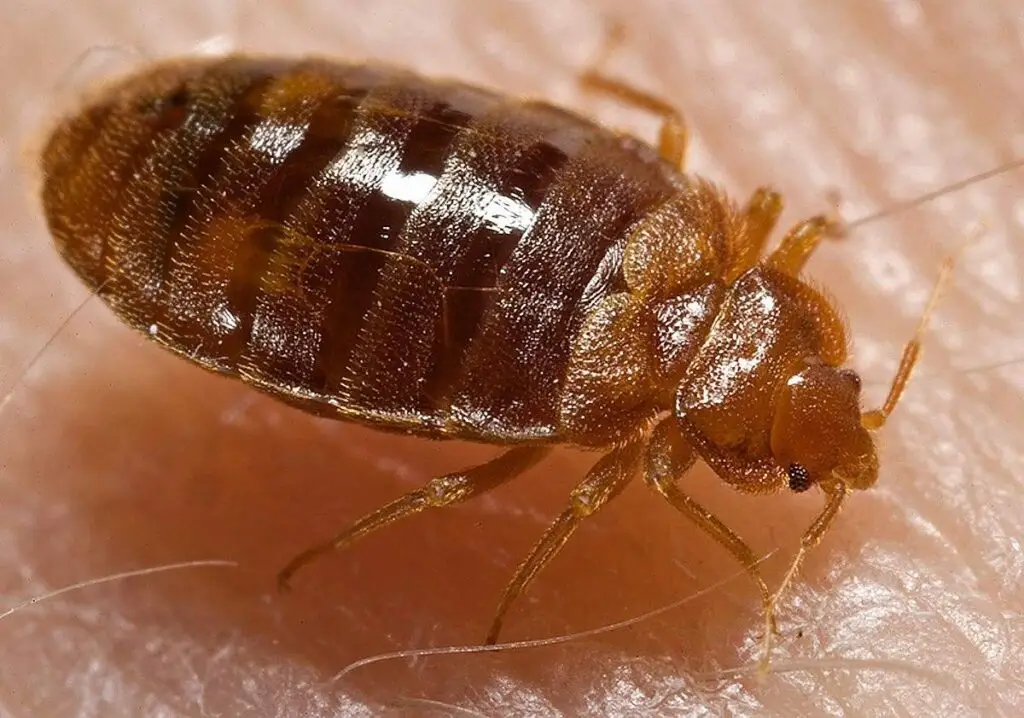
Fleas and bed bugs are two very common bugs that could create a load of discomfort in your house. Though they somewhat resemble each other, they also differ in several ways. Being able to identify these important differences can further allow you to decide which pest is invading your space and the best way to deal with it. If you happen to deal with any of these pests, having expert flea control or management of bed bugs becomes important in effectively addressing an infestation. Understanding Fleas What Are Fleas? Fleas are small insects without wings that feed on animal blood. They mainly attack pets such as dogs and cats. The main characteristic of these pests is that they jump long distances, thus transferring from one animal to another or into your home. Where Are Fleas Found? Fleas are usually discovered in pet beds, carpets, and upholstered furniture-especially those areas where animals rest or roam freely. They hide in soft, warm places near your pets, making locating them difficult. How to Spot Fleas You can identify fleas by the small, itchy bites they leave, often around the ankles or lower legs. Flea dirt, which comes out as tiny black specks, is another telltale indicator of the presence of this pest. Understanding Bed Bugs What Are Bed Bugs? Bed bugs are nocturnal pests that consume the blood of humans and animals at night. They do not jump like fleas; instead, they crawl to different hiding places, which makes detection a bit tough. Where Are Bed Bugs Found? Bed bugs hide in cracks or crevices in or around the bed, furniture, and baseboards. They tend to be active at night because they usually feed during this time; during the day, they often hide. How to Spot Bed Bugs If you see little reddish-brown bugs hiding in your mattress or other bedding, you may have bed bugs. You might even see the red, itchy welt in a line on the skin, usually caused by bed bug bites. How to Prevent Fleas and Bed Bugs Preventing Fleas Keeping them at bay involves treating your pets with flea-prevention products. Regularly wash pet bedding and frequently vacuum your house to reduce the number of fleas and their eggs. If you reside in some rural or wooded area, treat your yard as one way of minimizing exposure to fleas. If your efforts are unsuccessful, feel free to call for expert flea control services that will efficiently handle the problem. Preventing Bed Bugs When you travel, check hotel rooms for bed bugs. Do not bring used furniture or mattresses into your home unless you have checked them carefully for bed bugs first. Periodically check your mattress, furniture, and baseboards for signs of a bed bug infestation. Conclusion Whether you have an infestation of fleas, bed bugs, or both, fast action is required to prevent the problem from getting out of hand. Early identification is the key to effective elimination or treatment. Fullscope Pest Control offers comprehensive pest control services, including expert flea control and bed bug management. Our team is here to help you keep your home free from pests. Contact us today for a thorough inspection and professional treatment for your needs!
Can Fleas Live On Your Bed?

Fleas are an annoying issue for pet owners, and even those without pets may find themselves fighting an infestation of the tiny bitters. A frequent question is whether fleas can actually live on beds and how to identify, heal, and prevent such an infestation. In this article, we will look into the truth about having fleas in your bed, how damaging it can be, and what measures one could take to keep the bed space free of unsolicited guests. Can Fleas Really Live On Your Bed? Here’s What You Need to Know What Attracts Fleas to Your Bed? Fleas are attracted to warmth and moisture; your bed becomes ideal if you let your pets jump on it frequently. The presence of a warm-blooded host, either you or your pet, provides all the right conditions needed for flea feeding, survival, and breeding. For effective flea control in Texas, it’s essential to keep your pets and bed clean. Can Fleas Survive in Bedding? Yes, fleas can definitely survive in bedding. Warmth and darkness are key habitat elements favored by fleas; beds can offer these to them. They live in the gaps in your mattress, sheets, or any fabric retaining heat. The fleas can jump into your bed and make matters worse, so it’s time to take action if you suspect an infestation. Regular flea control in Texas can help prevent these pests from taking over your bed. How Can I Tell If There Are Fleas in My Bed? Some signs that there might be fleas in your bed include: Can Fleas Lay Eggs in My Bed? Yes, and this is one of the reasons flea infestations can get out of hand so quickly. Female fleas can deposit 50 eggs every day and fall into your bed from the host. After entering the bed, flea eggs hatch fast, continuing the life cycle. How Long Can Fleas Survive Without a Host in Your Bed? Fleas can survive for days to weeks without a host. Treating an infestation promptly is essential to prevent it from spreading in your home. Preventing Flea Infestations in Your Home Regularly comb and use veterinarian-approved flea treatments to keep fleas off your pets and out of your bed. Keep a clean house by vacuuming, washing pet bedding, and using flea sprays or diatomaceous earth. Regular maintenance helps to keep your pets and home free from fleas. Conclusion More than a nuisance, fleas disturb your home and peace of mind. While keeping your pets flea-free and maintaining a clean environment are crucial steps, sometimes the best methods of prevention just aren’t enough. If you suspect your bed or your home has become invaded by fleas, don’t wait until the problem spirals out of hand. At Fullscope Pest Control, we provide comprehensive flea treatments designed to eradicate your infestation issue while preventing future outbreaks. Need help? Call in to schedule a consultation with one of our pros to help take back your home from these unwanted visitors.
How to Get Rid of Fleas in House: 8 Essential Steps to Eliminate Fleas in House
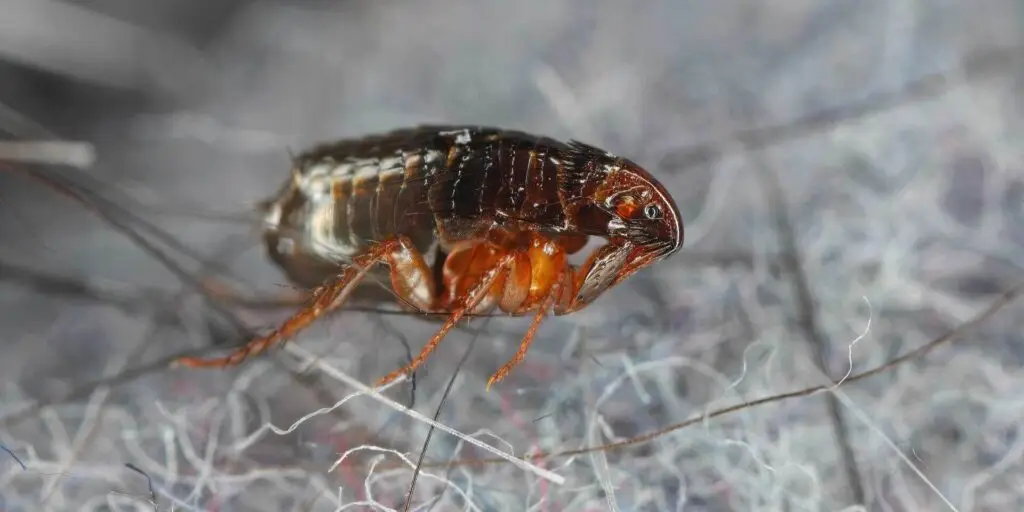
Key Highlights Introduction Fleas are a common problem faced by pet owners. These tiny parasites can quickly infest your home and cause discomfort to your pets. Apart from being annoying, fleas can also transmit diseases and cause allergic reactions. Getting rid of fleas in your house requires a comprehensive approach that targets both the source of the infestation and the environment in which they thrive. In this blog, we will provide you with 8 essential steps to eliminate fleas in your house. These steps will help you identify and treat a flea infestation, prevent future infestations, and ensure the well-being of your pets. From early identification to regular vacuuming and the use of chemical treatments, we will cover all the necessary measures you need to take to create a flea-free environment. By following these steps, you can effectively eliminate fleas from your house and keep your pets and family safe from the discomfort and health risks associated with flea infestations. Let’s dive into the details of each step and learn how to get rid of fleas in your house once and for all. 8 Key Steps on How to Get Rid of Fleas in House If you’re dealing with a flea infestation in your home, it’s important to take immediate action to eliminate these pests. Here are 8 key steps to rid your home of fleas: 1. Identify the Infestation Early Identifying a flea infestation early is crucial in preventing it from spreading throughout your home. Look out for signs such as adult fleas on your pets or in your home, flea eggs in your pet’s fur or bedding, and flea dirt (small black specks resembling pepper) on your pet’s skin or in their favorite resting areas. If you suspect a flea infestation, take immediate action to treat your pets and begin the process of eliminating fleas from your home. 2. Treat Your Pets Immediately Treating your pets is an important step in getting rid of fleas in your house. Start by using a flea comb to remove adult fleas from your pet’s fur. Be sure to focus on areas such as the neck and tail, as these are prime spots for fleas to hide. After combing, drop any fleas you’ve removed into a container of hot, soapy water to kill them. Next, consult your veterinarian to determine the best flea treatment for your pets. They can recommend topical or oral treatments that will effectively kill fleas and prevent future infestations. 3. Vacuum Floors, Furniture, and Pet Areas Regularly Regular vacuuming is essential in removing fleas and their eggs from your home. Use a vacuum cleaner with strong suction power and a HEPA filter to effectively capture fleas, eggs, and larvae. Pay special attention to areas where your pets spend a lot of time, such as their bedding, carpets, rugs, and furniture. Be thorough in your vacuuming, making sure to reach all corners and crevices. Don’t forget to vacuum wood floors as well, as fleas can hide in the cracks and crevices. Empty the vacuum bag or canister outside immediately after vacuuming to prevent fleas from reinfesting your home. 4. Wash Beddings and Soft Furnishings in Hot Water Wash all beddings and soft furnishings in hot water to eliminate fleas effectively. Hot water helps kill adult fleas, flea eggs, and larvae present in the fabric. Use a high temperature setting for washing and drying to ensure thorough elimination. Pay close attention to pet bedding, cushions, carpeting, and upholstery as these areas are preferred spots for flea infestation. Regular washing with hot water disrupts the flea life cycle and prevents reinfestation, maintaining a clean and pest-free environment in your home. 5. Apply Chemical Treatments When tackling a flea infestation, it’s crucial to apply chemical treatments with caution. Always follow product instructions meticulously and consider consulting with a pest control expert for guidance. Be mindful of where you apply the treatments, focusing on pet resting areas, carpets, and furniture. Keep pets and children away from treated areas until it is safe. Regularly monitor the effectiveness of the chemical treatments and reapply as needed. Safety is paramount when dealing with pest control solutions. Remember, prevention is better than cure. 6. Use Natural Remedies as Preventative Measures Consider incorporating natural remedies like soapy water or flea spray to prevent fleas. These solutions are effective as preventative measures and are safe for your pets and the environment. Regularly cleaning areas where your pets spend time, like pet bedding or living room carpets, can deter flea infestations naturally. By using natural remedies proactively, you can maintain a flea-free environment without resorting to harsh chemicals. Consulting with experts for advice on natural flea control methods can help you combat fleas effectively. 7. Consider Professional Pest Control Services Consider engaging professional pest control services to efficiently tackle a persistent flea infestation. Expert advice and specialized treatments can effectively eliminate fleas from your home, ensuring a comprehensive approach to flea control. Professionals use targeted methods to address the root cause of the issue, safeguarding your family and pets from potential health risks associated with fleas. Their experience and knowledge in flea treatment can provide a lasting solution for a flea-free environment. 8. Maintain a Flea-Free Environment Regular maintenance is key to keeping your home free of fleas. To maintain a flea-free environment, continue to vacuum floors and furniture frequently, wash pet bedding in hot water weekly, and use flea treatments on pets as recommended. Pay attention to the pet’s bedding and living areas, applying preventive measures consistently. Consider consulting pest control services periodically for expert advice and additional interventions to ensure a pest-free environment. By following these steps diligently, you can effectively prevent flea reinfestation and maintain a clean living space. Understanding Fleas: Lifecycle and Habits To effectively eliminate fleas in your house, it is important to understand their lifecycle and habits. The flea lifecycle consists of four stages: egg, larva, pupa, and adult. Understanding the flea lifecycle helps in targeting all stages of the infestation. It is
Mastering Flea Pest Control: Identifying & Eliminating Fleas
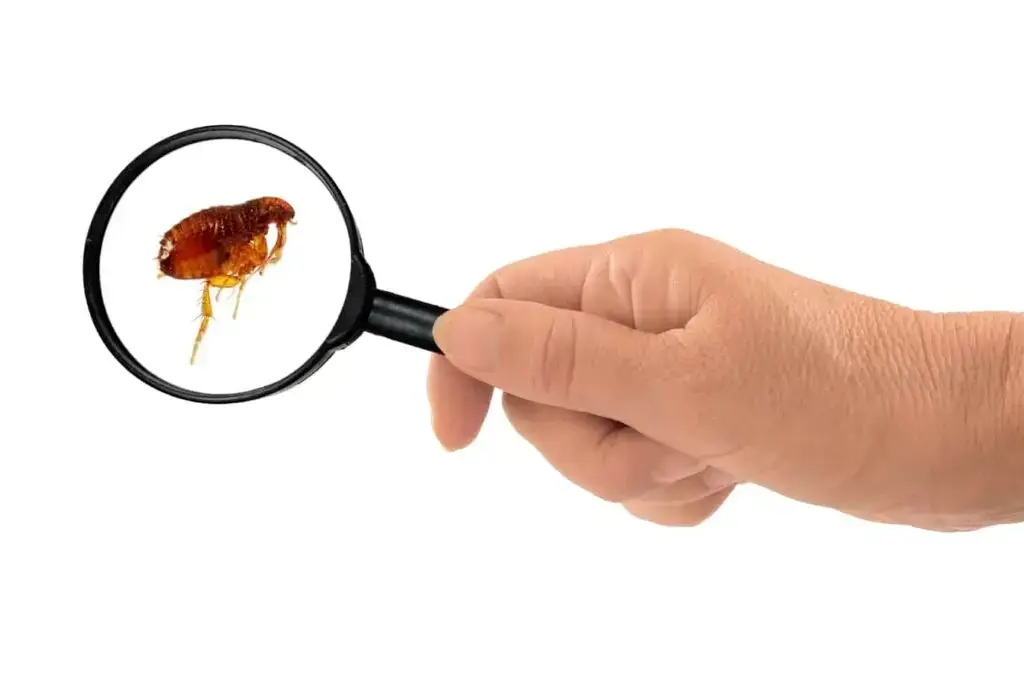
Key Highlights Introduction Fleas are a common nuisance for homeowners, especially those with pets. These tiny blood-sucking pests can quickly infest your home and cause significant discomfort for both you and your pets. Flea bites can be itchy and irritating, and the presence of fleas can lead to allergic reactions in some individuals. To make matters worse, fleas reproduce rapidly, making it challenging to eliminate them without professional help. Understanding the flea problem is the first step towards effective flea control. This blog will guide you on how to identify and get rid of fleas with the help of a professional flea exterminator like FullScope. We will discuss the common signs of flea infestation, the threat they pose to your home, and the comprehensive flea extermination solutions offered by FullScope. Don’t let fleas take over your home. With the right knowledge and professional help, you can eradicate these pesky pests and enjoy a flea-free living environment. Understanding the Flea Problem To effectively eliminate fleas, it is crucial to understand the flea problem. Fleas are small, wingless insects that feed on the blood of mammals and birds. The most common types of fleas that infest homes are cat fleas (Ctenocephalides felis) and dog fleas (Ctenocephalides canis). These fleas have a life cycle consisting of four stages: eggs, larvae, pupae, and adult fleas. Flea eggs are oval-shaped and usually laid on the host animal or in the animal’s bedding. These eggs are tiny and can easily fall off onto carpets, furniture, and other surfaces. Once the eggs hatch, they develop into larvae, which feed on organic debris and flea dirt. After the larval stage, the flea pupates and eventually emerges as an adult flea. Adult fleas are capable of jumping long distances and quickly infesting your home. Understanding the life cycle of fleas is essential for effective flea control. By targeting all stages of the flea life cycle, it is possible to eliminate the infestation and prevent reinfestation. Common Signs of Flea Infestation Identifying the signs of a flea infestation is crucial for prompt action. Here are some common signs to look out for: If you suspect a flea infestation, it is important to act quickly to prevent the problem from worsening. Contacting a professional flea exterminator like FullScope can help ensure thorough and effective flea removal. Why Fleas Are a Threat to Your Home Fleas not only cause discomfort but also pose various threats to your home and family. Here are some reasons why fleas are a threat: To protect your home from the threats of fleas, it is essential to seek professional flea extermination services. FullScope’s comprehensive solutions can effectively eliminate fleas and prevent future infestations. FullScope’s Comprehensive Flea Extermination Solutions FullScope offers a range of comprehensive flea extermination solutions to meet the unique needs of each customer. Their experienced technicians are trained in effective flea control methods and use safe and proven techniques to eliminate fleas from your home. Their treatments include the use of professional flea control products, such as flea bombs and flea shampoos, to target fleas at all stages of their life cycle. These treatments are applied strategically to ensure maximum effectiveness and long-lasting results. With FullScope’s flea extermination services, you can have peace of mind knowing that your home is free from fleas and the potential health risks they pose. Homeowner Checklist for Flea Treatments Tailored Flea Treatment Plans FullScope understands that every flea problem is unique, and they tailor their treatment plans to address specific infestations. Their experienced technicians will assess the severity of the infestation and identify the type of flea causing the problem. When developing a treatment plan, FullScope takes into account various factors, including the presence of pets, the condition of pet bedding, and the use of vacuum bags. By addressing these factors, FullScope ensures thorough flea extermination and minimizes the risk of reinfestation. Their tailored flea treatment plans include a combination of professional treatments, such as flea control products and targeted applications, to effectively eliminate fleas from your home. With FullScope’s expertise, you can trust that your flea problem will be resolved efficiently and safely. Safe and Effective Flea Removal Techniques FullScope utilizes safe and effective flea removal techniques to protect your home, pets, and family. Their technicians are trained in the proper use of flea foggers, which release insecticides that target fleas while minimizing exposure to humans and pets. In addition, FullScope may recommend the use of diatomaceous earth, a natural powder that dehydrates and kills fleas. This environmentally friendly option is safe for both pets and humans. By utilizing these safe and effective techniques, FullScope ensures that flea removal is conducted with utmost care and consideration for the well-being of your home and loved ones. Step-by-Step Process of Flea Extermination FullScope follows a comprehensive step-by-step process for flea extermination to ensure the best results for their customers. The process begins with an initial inspection of your home to assess the severity of the flea infestation and identify any potential entry points or hiding spots for fleas. Based on the findings, FullScope’s technicians will develop a tailored treatment plan. The treatment application involves targeted applications of professional flea control products to effectively eliminate fleas from your home. FullScope also provides post-treatment monitoring to ensure the success of the treatment and offer tips on preventative measures to prevent future infestations. With FullScope’s satisfaction guarantee, you can have confidence in the effectiveness of their flea extermination services. Their goal is to provide long-lasting results and a flea-free home for their customers. Initial Inspection and Assessment During the initial inspection and assessment, FullScope’s professional exterminators will thoroughly examine your home to determine the extent of the flea infestation. Their years of experience and expertise enable them to quickly identify the first signs of flea activity, such as flea bites or flea dirt. By identifying the source and severity of the infestation, FullScope can develop a targeted treatment plan to eliminate the fleas effectively. With their knowledge and experience, they can address
Does Pest Control Get Rid of Fleas
Fleas are a nuisance in any home they infest because of their tenacity despite their small size. Not only do they bite and annoy people and animals, but they also spread disease. Many homeowners who have experienced a flea infestation question the efficacy of professional pest control services. This blog post will discuss the efficacy of flea pest control and the many approaches taken to eradicate these troublesome parasites. Understanding the Flea Problem Identifying the type of flea infestation you’re facing is essential before attempting to treat it. The blood of mammals, especially dogs and cats, is the flea’s primary food source. Fleas are tiny, wingless insects. Their ability to rapidly reproduce and travel great distances makes it difficult to contain an infestation once it has begun. Why DIY Methods Might Not Be Enough DIY approaches to flea control can be tried, but they may not be adequate, especially for particularly bad infestations. Carpets, upholstered furniture, and pet beds are all potential hiding places for flea eggs, larvae, and pupae. Expert assistance is often needed to eradicate the problem in these inaccessible regions. Recommended Read : TERMITE CONTROL VS. TERMITE PREVENTION: WHAT’S THE DIFFERENCE? Pest Control Methods for Fleas Chemical Treatments Professional flea control services frequently employ chemical treatments that kill fleas at every stage of their development. Flea-specific therapies, insecticides, and growth regulators can be applied to the affected areas. These chemicals will kill adult fleas and interfere with their ability to reproduce. Vacuuming and Cleaning Experts in pest control would tell you to clean your house from top to bottom to eliminate fleas. Adult fleas, eggs, and larvae can all be removed by vacuuming carpets, upholstery, and pet bedding. Empty the vacuum bag or canister promptly to prevent fleas from escaping. Flea Foggers and Sprays Exterminators may use insecticide-releasing flea foggers or sprays to treat your entire home. Fleas and their eggs can be eradicated with the help of these solutions since they can penetrate hard-to-reach locations. Outdoor Treatment Fleas can hitchhike indoors from anywhere pets have been. Pest control services may also treat your yard or outdoor areas to reduce flea numbers and stop future infestations. Pet Treatment It would help if you treated your pets to rid your home of fleas completely. Exterminators can advise you on flea treatments that won’t harm your pet, or they can refer you to a vet who can give you a prescription. Follow-Up Inspections Inspections after flea treatment are essential to ensure that the infestation is successful. To avoid the problem from returning, this step is necessary. Conclusion We at Fullscope Pest Control know how annoying a flea problem can be. While you can fix certain things independently, only a professional should handle more severe problems. To protect the safety of your family and pets, we provide individualized solutions that maintain security. You can get your home back from the fleas with the help of our professional staff. It may take some time to eliminate fleas, but with our assistance, you can enjoy your home without worrying about these pests. Contact Fullscope Pest Control immediately to free your property from these unwanted visitors.
Flea Extermination: The Cost of Getting Rid of Those Pesky Fleas
Fleas are one of the most annoying pests that a homeowner can deal with. Not only are they a nuisance, but they can also carry diseases and make your pets uncomfortable. If you’re dealing with a flea infestation, you may be wondering how much it will cost to get rid of them. The cost of flea extermination depends on the size of the home or office as well as yard size. Article Outline: – Fleas are a nuisance and can carry diseases – The cost of flea extermination depends on the size of the home or office as well as yard size – Flea extermination can be an unexpected expense, but it is worth it to get rid of the pests – There are a few things you can do to prevent fleas from coming into your yard or home Fleas are not only a nuisance, but they can also carry diseases. They’re small, hard to see, and can jump long distances, making them difficult to get rid of. If you have a flea infestation, you may be wondering how much it will cost to get rid of them. The Cost of Flea Extermination The cost of flea extermination depends on the size of the home or office as well as yard size. Flea extermination can be expensive, but it is worth it to get rid of the pests. Waiting should not be an option, they will not go away on their own. Must Read Flea Extermination: The FullScope Way Flea Extermination cost can be a difficult thing to estimate. The size of the area to be treated, type of flea, and product used all play a role in the price. On average, it will cost between $100 and $500 to have a professional exterminator treat your home for fleas. For smaller areas, such residential yards, the cost is more in line with $145.00, verses acreage. Over the years we have forgotten about fleas because of new flea medication, we may have thought they disappeared, but the facts are that we need to get back to performing regular flea prevention in the spring. Fleas are having a huge resurgence, which is caused not only from our pets but rodents and wildlife that move about in your yards, and in some cases in your attics. There are a few things you can do to prevent fleas from coming into your yard or home: Keep your yard moved and managed, tall grassy areas can be difficult to eliminate fleas Spring preventative treatments are effective for preventing fleas that are introduced from wildlife Keep you pets on flea medication Rodent proof you home and yard Here are a few steps that will help make your flea extermination more successful and help eliminate them from your home and yard quicker: Vacuum all floor service areas prior to treatment and after treatment Prior to lawn treatment mow your lawn Activate sprinklers the morning of treatment Be able to remove pets from yard and home Pick up toys, water/food bowls from home and yard Remove objects that prevent treatment Pick up interior to allow floor surface treatment Conclusion: Flea extermination can be a surprise expense this year, but it is worth it to get rid of the pests. Waiting should not be an option, they will not go away on their own. Be proactive and take measures to prevent fleas from entering your yard or home in the first place. Call your local experts for more information on treating for fleas and also preventative options. Want To Learn More About Fleas? Check Out Our Other Posts Flea Extermination Options for Your Home Flea Extermination: The FullScope Pest Control Way
Flea Extermination: The FullScope Pest Control Way
Fleas are small, dark brown insects that live off the blood of mammals and birds. Fleas are a common nuisance for pet owners and can often be found in homes with pets. Fleas can cause health problems for both humans and animals, so it is important to get rid of them as soon as possible. Fleas go through four stages in their life cycle: egg, larva, pupa, and adult. The entire cycle can take place in as little as two weeks, which makes flea infestations difficult to control. Extermination efforts must target all stages of the flea. Typically, the adults you are seeing are only about 5% of the actual flea population, the rest of the 95% are in the other stages, and these are not affected directly by chemical application. Table of Content: What are fleas? The flea life cycle Why flea extermination is important What is the FullScope Pest Control approach to flea extermination FAQs about flea extermination What are fleas? Fleas are small, wingless insects that feed on the blood of animals. They are a common nuisance pest, and can be found in homes with pets. Fleas can bite humans and transmit diseases, so it is important to get rid of them as soon as possible. Read About Does Pest Control Includes Termites The flea life cycle Fleas go through four stages in their life cycle: egg, larva, pupa, and adult. The entire cycle can take place in as little as two weeks, which makes flea infestations difficult to control. Extermination efforts must target all stages of the flea Why flea extermination is important Flea extermination is important because fleas are not only annoying, but they can also pose a serious health risk to you and your family. Keep yourself healthy and happy by eliminating pests from the get-go. How FullScope Pest Control can help At FullScope Pest Control, we take a personalized approach to each of our clients’ needs. So even if you are searching for residential or commercial flea pest control services, we will tailor our flea extermination methods to fit your specific situation. We understand fleas and their habits, which allows us to not only control the current flea population, but also prevent future flea problems. Don’t wait until it’s too late – call FullScope Pest Control FAQs about flea extermination – What do fleas look like? Adult fleas are small (about 1/8th of an inch long), dark brown insects with flattened bodies. They have long hind legs that they use for jumping, and their bodies are covered in tiny hairs. – Where do fleas live? Fleas typically live in cracks and crevices around the home, such as in baseboards, under furniture, or on pet bedding. In warm weather, they may also live outdoors in grassy areas. – Do fleas bite humans? While fleas can bite humans, they are more likely to bite pets. However, some people may be allergic to flea bites and can Fleas can pose a serious health risk to you and your family. Keep yourself healthy and happy by eliminating pests from the get-go. FullScope Pest Control will quickly and effectively get rid of your flea problem. We understand fleas and their habits, which allows us to not only control the current flea population, but also prevent future flea problems. Contact FullScope Pest Control today for all your flea extermination needs!
How To Control Flies In The Restaurant

For people who work in the food service sector, flies are among the most annoying pests you might encounter. A fly infestation significantly compromises hygiene. Unfortunately, flies are drawn to settings found in restaurants, where they may do the most damage. When flies land on human food or surfaces used in food preparation, they can introduce harmful bacteria from their feet that they have picked up from decomposing organic waste. There is a risk that the tiny bugs will ruin a restaurant or bar’s reputation. Here’s how to keep flies away from a restaurant. Fruit Flies Garbage: Do not let the trashcan sit in for more than a day. Make sure the bins are emptied if there are any leaks or spills. As a result, fruit flies are less likely to breed rapidly in trash cans. Sink: A fruit fly’s best friend is water, so make sure your sink is always dry. This reduces the amount of water they can consume and prevents them from reproducing. Drains: Drains offer fruit flies water, food, and a safe place to breed. Run sanitizer or bleach into drains before bed. Use store-bought medicines to kill fruit flies. Bottles: Put a plug in the bottle’s opening to keep fruit flies out and preserve the quality of your wine. Common House Flies It is the responsibility of the staff to maintain clean garbage cans, sinks, and drains in the kitchen. Kitchen surfaces, including cutting boards, should be regularly washed off. Kitchen staff should close doors and windows as much as possible to keep flies out. Windows and doors might benefit from the installation of screens. Must Read Pest Control Can be done in restaurants Bar mats: Over the day, bar mats accumulate a great deal of waste matter. Wash them in warm, soapy water often to eliminate any residue. Drain Flies As drains are the most common breeding ground for these pests, they must be constantly and thoroughly scrubbed clean. Use a pipe brush to remove debris from the drain, then flush it with hot water. Next, add 1 cup vinegar and 1/2 cup baking soda after waiting an hour. Rinse the solution with more hot water by pouring it down the drain. One alternative to using vinegar is to flush a mixture of one bleach and ten water parts down the pipes. If you like, you may also try using drain treatments from your local hardware or home improvement store. If there are specific directions for using the product, adhere to them. General Solution For Flies Maintaining hygienic conditions are essential. Closely examine the fruit and vegetable shipments that come in. Using a fan to create significant air circulation will deter the flies from settling on the food. Flies spread diseases such as cholera, typhoid, and TB. Fullscope Pest Control is aware that managing a restaurant is a full-time commitment. We can reduce the number of flies by limiting their breeding grounds, which include water and damp areas. Your attention is better served by managing your personal and ensuring everything goes correctly, rather than worrying about pests. All flies, from fruit flies to house flies, may be a restaurant nuisance. Therefore, they must take preventative steps. Do not delay contacting us immediately if you are experiencing issues with pests. We can help you protect your business and your reputation!
Stop Fleas Before They Start
How Do You Stop a Flea Infestation Before it Starts? Perhaps you’ve noticed your pet scratching and biting at itself more frequently lately, or worse, maybe your pet is starting to look “mangy” (fur starts falling off due to excessive scratching). This could very well mean your pet has fleas. Which means it might not be long before you’ve got a full-blown flea infestation at home. And once these blood-sucking pests get a foothold, it is extremely difficult to get rid of fleas at home. If you want to get rid of fleas, the best first steps are prevention, and ongoing preventive steps. This can also help prevent them from ever coming back. Read on for some steps to help keep fleas from getting into your home to begin with. Where Do Fleas Hide in Your House? Fleas are sneaky, and, like cockroaches, are great hitchhikers. They love hiding in tiny cracks and crevices, and they have the perfect narrow body shape to do it. They will be able to populate more effectively in areas where they can feed on animal blood (including yours, even if you don’t have pets). They love areas like pet bedding, furniture, carpet, curtains, and living rooms. Anywhere they can stay warm and cozy. They also thrive in areas where they can reproduce without disturbance, like areas with less human traffic. They can hide just about anywhere you can imagine at home, and at any time of the year (they do tend to thrive more in the summer, and in any hot, humid environments). How Do You Get Rid of Fleas in Your Yard? If you have fleas in your home, it means they came from outside, most likely from your own yard. A visiting guest in your home who brings an infested pet into your home is another possibility. Fleas hate being in the sun; they always prefer shaded, dark areas. As with all pests, any place you don’t want them to go, just make the area uninhabitable for them, and they will go elsewhere. Try the following: Don’t overwater your lawn. This creates a humid environment where fleas love to hang out. They dryer you can keep your grass (without killing it), the better. Mow your lawn frequently. Short grass means fewer places for fleas to hide, and it exposes them to the sunlight, which they always try to avoid. Also keep bushes and trees pruned and trimmed. Remove lawn clutter regularly (brush, rock piles, junk, tree debris, etc.). Keep mulch and firewood at least 20 feet away from the side of your home. Regularly treat your lawn with a flea control product, especially in areas where your outdoor pets love to play. Do what you can to make your yard uninhabitable for rodents and other wildlife. These wild creatures are fleas’ first meal of choice, and they can be brought into your yard by rodents and other animals, like deer, raccoons, squirrels, etc. Avoid leaving pet food outdoors. Seal up cracks and crevices around the exterior of your home so flea-infested rodents and other pests cannot get inside. Keep lids on tightly to cover trash cans. What Stops Fleas from Coming Into Your Home? Prevention is always the best remedy. Keeping fleas OUT of your home will be easier than getting rid of them once they’ve moved in. To help prevent an infestation of ANY pest, the first step is always cleanliness. But don’t be too hard on yourself. Fleas can get into even the cleanest of homes. To help keep fleas out of your house: Sweep and vacuum your floors thoroughly and regularly. Vacuum carpets, rugs, and cushions on your furniture. You’re vacuuming for live hiding fleas, but more importantly, you’re vacuuming for flea eggs and flea larvae and pupae. Thoroughly launder bedding, and even more importantly, pet bedding in hot water, and tumble dry on high heat. Again, looking to eradicate flea larvae and pupae. How Do I Prevent Fleas From Coming Into My House? Dogs and cats are very prone to get fleas, but you can help safeguard them. Remember, even if you don’t have pets at home, you are still able to get fleas at home. To help prevent your pet from getting fleas, here are some steps you can take: Be vigilant. Check your pets for fleas frequently. Pay attention to their behavior (excessive scratching, etc.) Ask your pet’s veterinarian about the best flea control products for your pet. Treat your pets for fleas all year-round so you can kill adult fleas and help prevent eggs from hatching. Always follow product recommendations. Bathe and brush your pets often, using a flea control shampoo as needed. Wash pet bedding thoroughly and regularly. Limit the amount of time your pet spends outdoors (keep in mind that even indoor pets can get fleas from another pet that frequently plays outside). If you do find a flea or fleas on your pet or elsewhere in your home, start treating your pets as indicated above and also clean, launder, and use flea control products in areas your pets frequent (like where they sleep and play). Must Read:GERMAN ROACHES OUT YOUR HOME You can take many effective steps to help prevent and control fleas in your home, but realize that sometimes fleas can just become overwhelming. Even in the cleanest of homes! If you see flea activity, know that these pests reproduce quickly. Call our friendly pest control experts today at 832.898.0190! Or email us at info@fullscopepestcontrol.com for a free consultation. We can help you, your family, and pets enjoy life at home, without worrying about fleas. Call Us Today! 832.898.0190 [wpforms id=”1478″]