 1500+ reviews

Simple Prevention Tips You Can Do Today To Reduce Ants
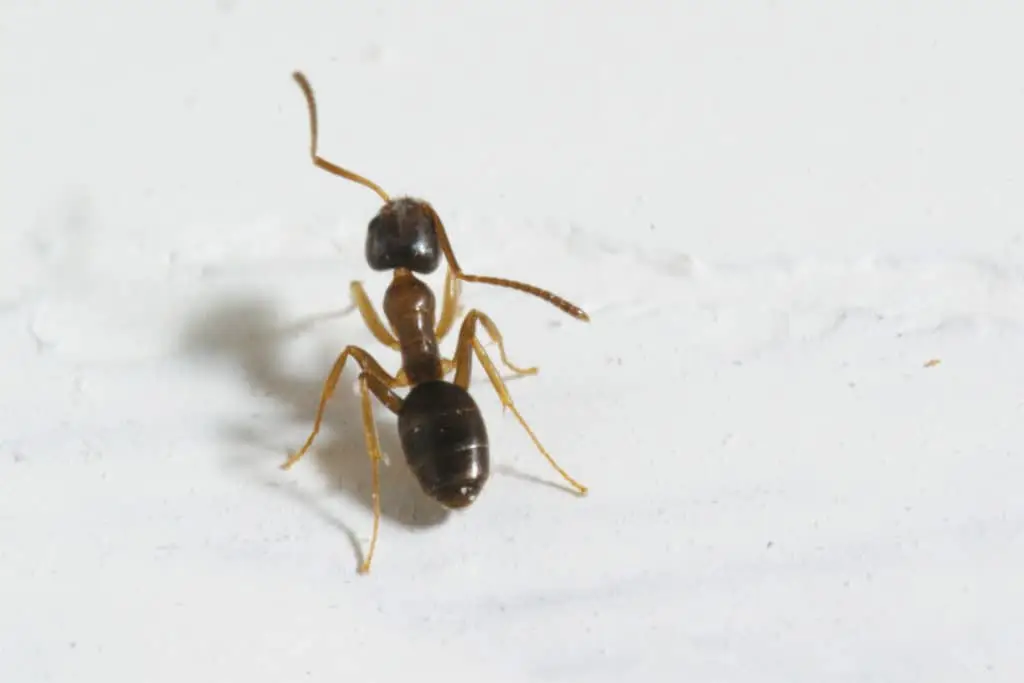
If you’re like most people who have an experience with these pestering ants, then you’ve had your fair share of struggles with this insect, whether it’s a colony of pavement ants in your garage or a procession of stinky house ants crawling across your kitchen counter. There are, however, some basic precautions that homeowners may take to lessen the likelihood of unintentionally attracting ants into their houses. 1. Be Aware Of The Most Popular Spots It’s perhaps no surprise that ants are most commonly seen in kitchens. After all, kitchens are full of food and water, which ants (and other pests) require to thrive. Ants are known to congregate in bathrooms, bedrooms, living rooms, basements, inside walls, and in/around air conditioning and heating devices. 2.Remove Food Sources Keeping your kitchen clean will assist in keeping ants away from your home. Wipe down surfaces and sweep floors regularly to remove crumbs and spill residue. Food should be stored in pest-proof containers, and ripe fruit should be kept in the refrigerator. Wipe sticky jars, particularly those holding honey, syrup, soda, or other sweets. Finally, utilize trashcan lids and dispose of rubbish regularly. 3. Remove All Water Sources Reduced dampness and standing water around your property might help avoid ants. Repair leaking pipes and inspect beneath sinks for moisture regularly. Consider utilizing a dehumidifier in damp basements, crawl spaces, or attics. Outside, ensure the downspouts and gutters are working correctly so that water flows away from the house’s base. 4.Limit Or Remove Access Points Examine the outside of your home for simple entrance points. Trees and shrubs should be pruned away from the house since their branches might serve as ant highways. Seal any exterior cracks and crevices with silicone caulk, giving specific attention to locations where utility pipes enter. Must Read about Top 5 Pest They Infest Clothes 5.Don’t Disregard Your Pets Cats, dogs, and other pets might unintentionally bring ants into your home. Pests are attracted to pet food and water bowls, so keep them clean and pick up any spilled food or water immediately. Dry pet food should be stored in a sealed plastic container rather than the paper bags it usually comes in, which ants and other pests may readily reach. Inspect dog and cat doors to ensure that pests cannot enter. Remember that ants can fit through the smallest of openings. 6. Avoid Doing It Alone Fighting ants may be difficult without the correct training and equipment. Worse, if an infestation is not adequately handled, it will spread. Some ants, such as carpenter ants, can actually cause significant property damage, while others, such as fire ants, might endanger your family’s health. Don’t do it alone; contact a professional pest control company to help you prevent ants from entering your home. Reach Out to Us Today! Do not let ants take over your house! Simply contact Fullscope Pest Control for a hassle-free experience. We do everything possible to remove these insects, increasing the chances that they will not return. You can contact us online to learn more about our ant control solutions.
How Do I Get Rid of Carpenter Ants in My Home?
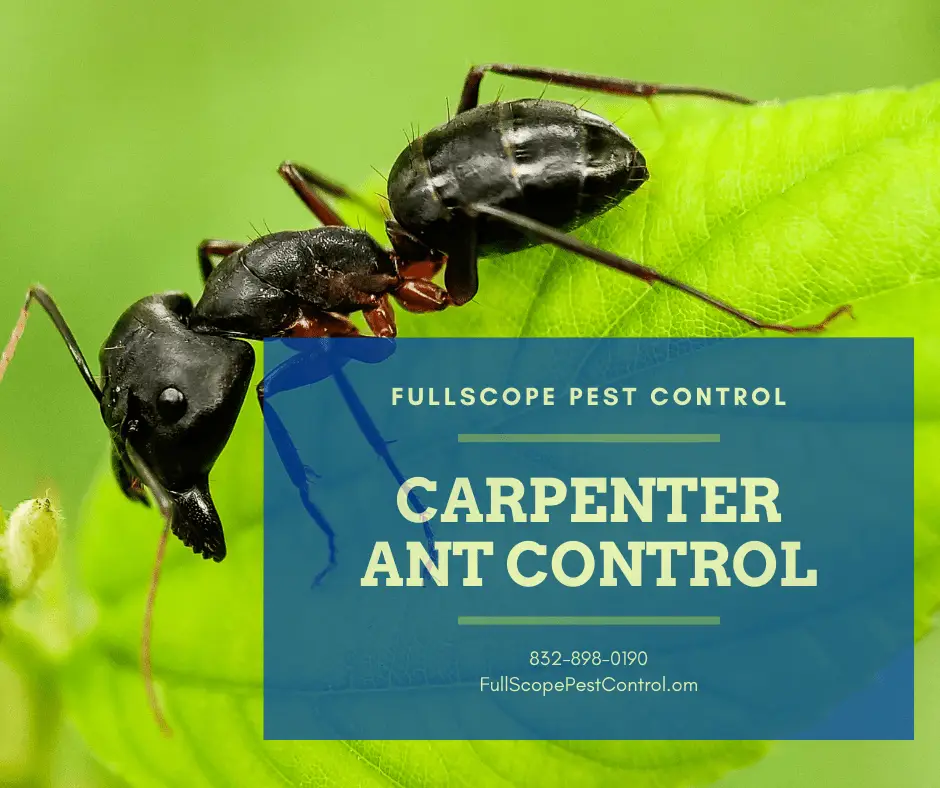
🔍 Key Highlights: Getting Rid of Carpenter Ants Carpenter Ants Are Destructive, Not Just AnnoyingThese large ants chew through wood to build colonies, threatening your home’s structural integrity. Watch for Early Warning SignsLook for small piles of sawdust-like “frass,” rustling sounds in walls, or sightings near water sources. Entry Points Include Cracks, Branches & WiresCarpenter ants often enter through tiny crevices or from overhanging tree limbs—keep vegetation trimmed 12–18 inches from your home. Disrupt Their Pheromone TrailsClean surfaces with essential oils, vinegar, or dish soap spray to confuse scout ants and reduce traffic. Use Homemade BaitsCombine sugar or jam with boric acid or baking soda. Ants carry the poison back to the colony, helping kill the nest over time. Boric Acid = Natural Nest KillerApply boric acid dust into suspected wall nests or ant trails using a bulb duster—safe, effective, and long-lasting. Destroy the Nest Directly if FoundDrill small holes near activity zones and puff in boric acid. Repeat treatments may be needed for full eradication. Call a Professional for Large InfestationsDIY treatments help, but professional inspection ensures hidden nests are found and fully eliminated. There are over 12,000 known species of ants, and you can easily split them into just two categories: 1) annoying, but still harmless, and then 2) very destructive (and dangerous). During warm weather months, you may find both kinds of ants inside and outside your home. Watch out, because among these ant species, there are large Carpenter ants who may have taken refuge in your home with the ultimate outcome of destroying your home from the inside out in order to build their colony up – they can also inflict painful bites. What can you do to get rid of Carpenter ants? Read on for some Pro tips. FullScope Pest Control offers expert carpenter ant removal services, ensuring your home remains safe and pest-free. What Are Carpenter Ants? Carpenter ants earned their name because of the uncanny way they damage and burrow through wood, especially wood in your home and that your furniture is made of. These insect pests don’t eat wood like termites do, but they chew it and spit it out to make pathways for themselves and their colony members. You might start noticing small piles of wood shavings (a.k.a. “frass”) near your walls and around your home – that’s a pretty good sign that you have Carpenter ants that have already moved in. Carpenter ant are quite easy to distinguish from other types of ants because of their larger size. They are usually red in color, or reddish black, sometimes brown, and sometimes all black, and they typically measure between 1/2″ to 5/8″ in length. How Did Carpenter Ants Get Inside My Home? Carpenter ants are crazy about damp, rotting wood, so if you have moisture issues in and around your home, that’s a good attractant for Carpenter ants. They won’t always get into your home by gnawing their way through wood, but rather they can get in through any crack or crevice, even those higher up off the ground. Carpenter ants and other pests can access your home via a nearby branch, wire, or pipes, which is why it’s so important to keep your hedges and trees near your home trimmed at least an inch to an inch and one-half away from the sides of the structure. Also learn about How To Detract Pest and Wildlife from your Home Once inside, Carpenter ants will usually set up shop near water sources, like leaky faucets, pipes, kitchens, and bathrooms, for example. The A/C unit in your home is also a popular hangout for these pests. Pro Tip: Keep tree branches at least 12–18 inches away from your home to prevent easy access. How Do I Get Rid of Carpenter Ants? Carpenter ants are notoriously difficult to kill, in comparison to other ant species. Here are some things you can do to get rid of them once you’ve found them: Disrupt their pheromone (scent) trails. Carpenter ants (like other ants) use pheromone trails to help them and their colony mates find their way back to food and water sources. Cleanliness is always the first line of defense against any pest, and Carpenter ants are no exception: cleaning surfaces where these pests may have wandered will disrupt their trails and make it more difficult for them to find their way back to where they’ve been. Essential oils like tea tree, lemon, orange, or cedarwood on a cotton ball used to wipe down surfaces will also disrupt their trails. Maybe you want to mix up a solution of one-third dish soap to two-thirds water to pour into a spray bottle (this will also kill them if used to spray them directly, though your best strategy is to kill off the nest/colony. A half-half mixture of white vinegar and water will also disrupt their trails and kill them when applied directly. Mix up a bait for scout Carpenter ants to find and take back to their nest. Most ants are attracted to sweets just about any time, so mix up a bit of jam or jelly with baking soda or boric acid. You can also mix up half sugar and half baking soda/boric acid, and leave it for them in a dish they can access easily. The sugar/jam will attract them, and then the baking soda/boric acid will kill them. They’ll find it and take it back to their nest to share. This strategy will gradually diminish their numbers. This will take longer than killing them directly, but over a couple, maybe three weeks, this will be the most effective way of killing them off at their source: their nest/colony. Destroy their nest directly. If you are lucky enough to have found their nest (“frass” trails, or you may notice a “rustling” sound coming from inside a wall at home), you can more aggressively attempt to destroy their nest. Boric Acid: A Natural and Easy Solution for Carpenter Ants (And Many Other Pests) Pro Tip:
Top 3 Ways to Get Rid Of Odorous House Ants From Your Home
Have you ever walked on or otherwise crushed trailing ants and smelled a weird odor—a bit like rotten coconuts? If so, it is plausible that those ants were odorous house ants—and you can understand how they received their name! Odorous house ants can be observed trailing through kitchens in homes all around the U.S. This ant is most prone to invade homes after heavy rains when it is attempting to escape flooding of its tiny nest. Odorous house ants are little but swift. They generally travel in lines, but if they are disturbed or scared, they will dash around randomly, emitting their odor as they run. Some people have also compared their stench with a type of a peculiar pine fragrance, albeit decaying coconuts are the most prevalent comparison. Mint For ant repellent, place mint plants around the perimeter of your property. Peppermint has long been used as an insect repellant. Planting mint around your home or using peppermint essential oil as a natural ant control remedy can help keep ants at bay. Your home will smell minty fresh, which will keep ants away. Mint should be planted around your property’s entrances and around the perimeter. Apply peppermint essential oil with a cotton ball to the afflicted areas and wipe away. As an extra precaution, place a peppermint oil cotton ball in areas where ants are known to congregate, such as cabinets. Bait Baits are usually the greatest solution for eradicating ants that have gotten into the residence. Ant baits can be found at most home and garden stores. Following all label directions, the bait should be placed where ants have been seen. Because ants can be finicky and prefer different sorts of foods at different seasons of the year, you may need to test several baits. But be patient. The ants will feast on the bait, then transport it back to the nest to feed the colony. It is through this feeding that the insecticide will be delivered to and kill the queen and other colony members. Using Chalk, Cinnamon, or Cornmeal Incorporating a common household product such as cinnamon, chalk, or cornmeal into your pest control strategy will help prevent not just the entry of odorous house ants but also the entry of a variety of other ants and insects. Read more about the types of wood-destroying insects in Texas. Chalky substances such as chalk, cinnamon, and cornmeal can disturb the waxy exoskeleton of odorous house ants, which is important for keeping them hydrated and holding in moisture. You can take advantage of the fact that odorous house ants will generally avoid walking over these things by scattering cinnamon, cornmeal, or chalk along the perimeter of your property, around ant nests you discover outside or along doorways and garages to keep ants at bay. If you use these methods and still have any problems, contact FullScope Pest Control. We offer expert advice to help our customers keep their homes and businesses free of ants. Please contact us if you believe you require assistance in combating these intruders.
Get Rid of Thief Ants in Your New Caney House and Yard
Thief ants are one of the smallest of household ant species, and they get their name from their clever habit of nesting near other ants’ nests, so they can rob them of food and their young. If you have other ant species nesting in your New Caney, TX yard, there’s a good chance that Thief ants will show up at some point! Generally speaking, ants are among the most hearty, resilient, and adaptable insects around, and most species can be difficult to get rid of once they’re indoors. It’s a good idea to know what type of ants you’re dealing with to help you in managing them.
How to Get Rid of White-footed Ants in Your Humble, TX House and Yard
White-footed ants are prolific reproducers and can produce colonies and even supercolonies that can house tens of thousands and up to millions of ants on your Humble, TX property, with up to 1/3 of them actively reproducing. These ants are found in different places around the U.S., mainly in Florida, but also in Georgia, Louisiana, Texas, and South Carolina. White footed ant colonies release winged female and male reproducing ants from their colony during mating season, and they will mate to create an entire new colony. Males die after mating, and the female will die more than a year later, after founding one or more colonies. Generally speaking, ants are among the most hearty, resilient, and adaptable insects around, and most species can be difficult to get rid of once they’re indoors. It’s a good idea to know what type of ants you’re dealing with to help you in managing them.
How to Get Rid of Acrobat Ants in Your Kingwood Home
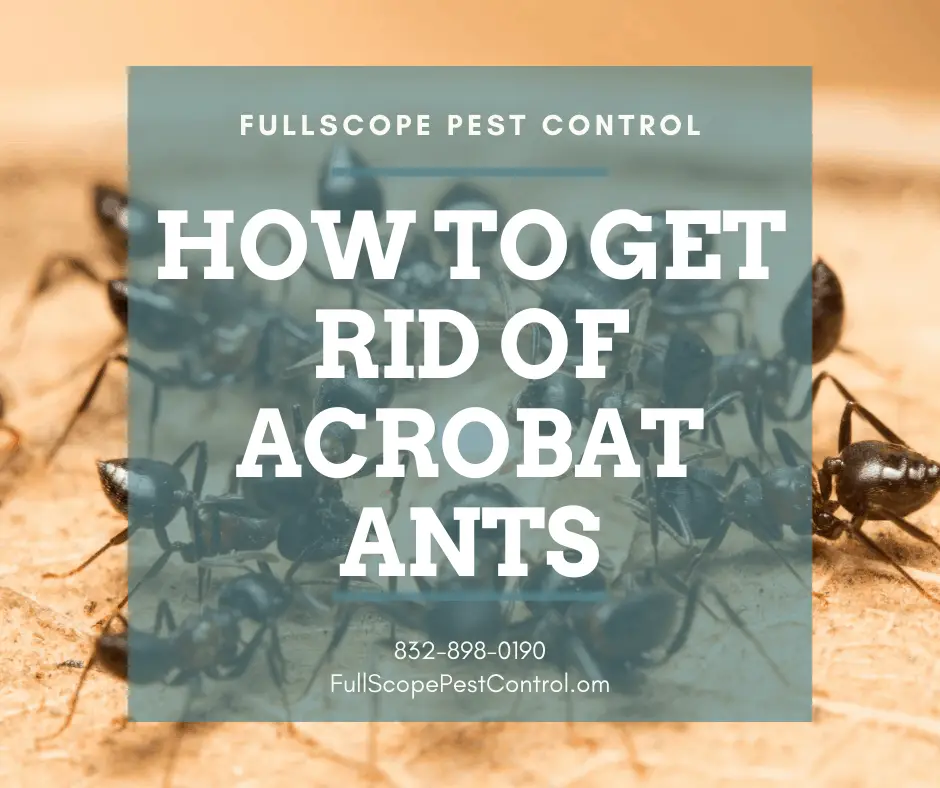
Anytime ants (any kind!) invade your Kingwood property and home, they easily become nuisances and wear out their welcome. The problem is, they can be difficult to get rid of once they’ve established themselves. Knowing what type of ants you’re dealing with will help you quite a bit in managing them. Acrobat Ants (Crematogaster) Acrobat ants are so called because of the way they famously raise their hind ends up above their heads, which they do when they are suddenly disturbed. They are aggressive ants, and they do sting if tampered with. They also give off a foul odor as a defense. They are found around the United States. In the fall especially, you will see several of them swarming around with their wings. If you have several of them flying around your home, chances are you’ve got an infestation on your hands, because they don’t usually nest indoors. They may have located some damp or rotting wood inside your home, and that’s what’s attracting them. Acrobat ants are tiny compared to other ant species (only about 1/5″), light brown to black in color, and when viewed from overhead, their hind ends have a distinct “heart” shape to them. Outdoors these ants like to nest in decaying, damp wood. If they come indoors, they’ve probably done so via cracks or crevices they’ve found on the outside of your home, and they will find indoor woodwork to hide and nest in, as well as head for your kitchen pantry for food. Must Read:PROFESSIONAL BAT REMOVAL SERVICES How do I get rid of Acrobat ants? Here are some tips to help you keep those pests under control. Mow your lawn regularly. Trim trees and shrubbery so that they are at least 1 to 2 inches away from the side of your home. Caulk exterior cracks and crevices in your home’s foundation, and screen off (or stuff with steel wool) openings around pipes and utility lines. Inspect attic vents and repair damaged screens. Move firewood piles (and mulch) away from the side of your house. Remove dead tree stumps and dead limbs from off your property. Keep food in tightly sealed containers indoors, keep your sink free of dirty dishes, and keep trash covered. Consistently doing the steps above will help keep Acrobat ants (as well as other species of ants and other pests) away from your house. Acrobat ants prefer the outdoors, but if they can, they will come into your home for shelter, food, and water. Keep an eye out for them and do what you can to keep them outdoors. No matter what you do, sometimes infestations still happen. You can save yourself all sorts of money, time, and stress by calling our Kingwood, TX pest control experts today! Keep those pesky ants in check!
Eliminating Tawny Crazy Ants in Porter
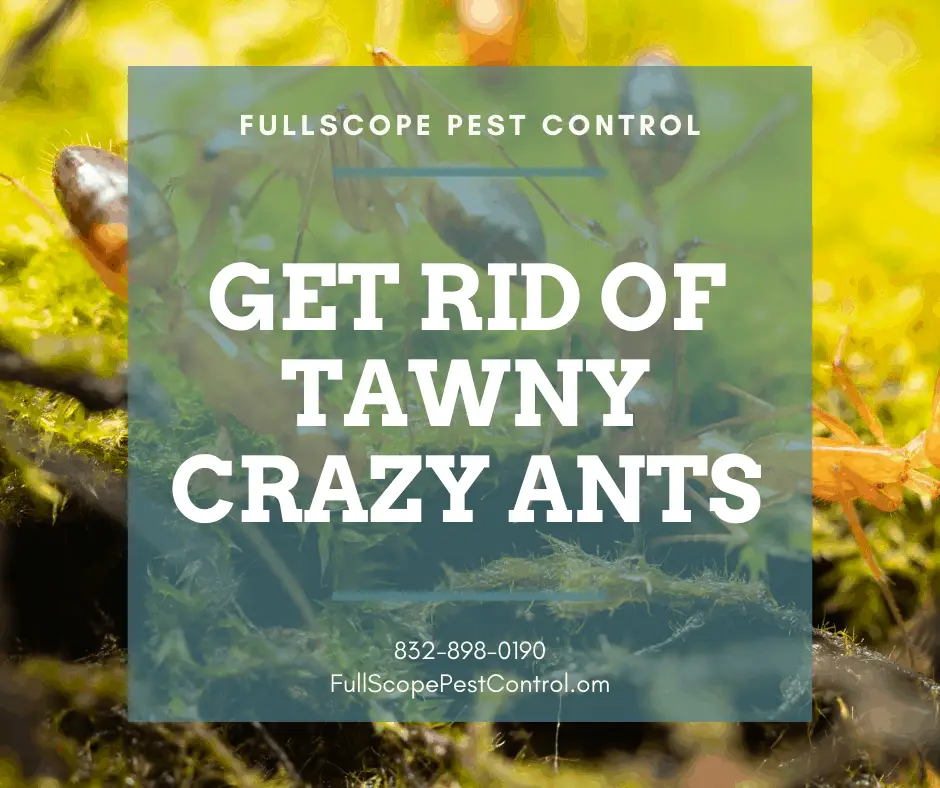
Tawny Crazy ants (previously known as Rasberry Crazy ants or Caribbean Crazy ants) were originally discovered near Houston in around 2002, and with human assistance, have been able to spread their presence out in the United States. They are an invasive species, reddish-brown, and about 1/8″ in length. Their bite/sting isn’t painful, but they can freak you out by racing up your legs and bodies (one reason they’ve been dubbed “crazy ants” is because of their unpredictable behavior). People in Texas have become so frustrated with these “crazy” ants that they have considered selling their homes after giving up on getting rid of them. Tawny Crazy Ants (Nylanderia fulva) Crazy ants terrorize and destroy other native insects. They can overrun beehives and destroy entire bee colonies. They can smother hatching chicks. In South America, where researchers believe this ant species originated, they have been known to overrun the nasal cavities of chickens so they can’t breathe, effectively killing them. They can blind cattle by attacking their eyes. Crazy ants overrun electrical boxes, systems, and outlets, leaving chaos and damage in their wake, causing hundreds of millions of dollars in property damage annually. Experts are still working on an effective, comprehensive way to contain them. Come fall, when temperatures start to drop, worker Crazy ants can start dying off, but their queens live on, later in the following spring, a new, possibly larger colony of them will emerge. They have spread through Texas and the region even faster than Fire ants, and Fire ants are considered one of the most invasive, destructive species in the world. Steps to Help Prevent Crazy Ants Here are some things you can do help prevent Crazy ants in your yard and home: Seal cracks, holes, and crevices around doors, windows, and your home’s foundation that might serve as an entry point. Trim vegetation around and clear out as much grass and vegetation around your home as possible to eliminate a possible food source for Crazy ants. Keep your lawn mowed. Eliminate standing water around your property to eliminate sources of moisture that ants need to survive. Promptly clean up spills and crumbs from your kitchen surfaces and floors. Keep the sink free of dirty dishes. Keep trash covered and dispose of it regularly. Clear out yard debris and get rid of fruit that’s fallen from trees quickly, as it will attract Crazy ants and other pests. Tawny Crazy ants are very prolific reproducers that can overrun a property in a very short period. The best you can do as a homeowner is to reduce conditions that attract them and reduce potential habitats for them to nest in. Through a spring and summer, they can produce millions of offspring. Any effective treatment needs to target the colony, queens, and all workers, otherwise you’ll be looking at a bigger problem the following year. Despite your best efforts, sometimes Tawny Crazy ants will still invade your property and home, possibly causing lots of expensive damage. You can save yourself all sorts of stress, money, and time by calling our Porter, TX pest control experts today! Let us help you get your yard and home ant and pest free so you can enjoy the summer with your family and friends!
How to Get Rid of Odorous House Ants in Your Conroe Yard and Home
Odorous House ants are commonly found throughout kitchens and homes all over the United States. Most often after heavy rains, these ants are known to enter homes as they try to escape being flooded out of their shallow nests. Odorous house ants are very tiny, but also very quick, and they frequently travel in lines, unless they are disturbed. When their straight lines are disturbed or startled, they will take off running around randomly, releasing an odor that will remind you of rotten coconuts, or even a rotten pine scent. They also emit this unpleasant odor when squished, hence getting them their common name. Generally speaking, ants are among the most hearty, resilient, and adaptable insects around, and most species can be difficult to get rid of once they’re indoors. It’s a good idea to know what type of ants you’re dealing with to help you in managing them. Odorous House Ants (Tapinoma sessile) Odorous House ants can nest just about anywhere, including underneath stones, yard debris, mulch, and logs, as well as in the abandoned nests of birds or mamals. In your home, they will likely take up residence in wall voids, window frames, and even in insulation. Unlike other ants, these ants are very mobile, relocating their nests every three to four weeks. Considering a nest can have multiple colonies housing several thousand ants at a given time, this is a big deal. Odorous House ants are only about 1/8″ of an inch in length, and dark brown to black in color. These ants particularly love sweets, including pastries and fruit juices of all sorts, but they can also consume a wide range of foods including greasy foods and meats. How Do You Get Rid of Odorous House Ants? As with trying to prevent other ant and insect invader pest species, keeping your lawn well mowed and the interior of your home wiped down and clean is a major key to keeping Ghost ants out. No matter how clean your home is, keep in mind that ants can show up in even the cleanest of homes. Try the following tips to help you get rid of Odorous House ants in your home. Promptly wipe up food and beverage spills, keep your sink free of empty dishes, and sweep and mop regularly in your kitchen. Make sure all leaks indoors and outdoors are repaired. Seal up cracks and crevices in the baseboards, doors, and windows. Screen off pipe and utility entry points. Keep firewood and mulch at least 20 feet away from your home, and clear your yard of debris. Trim your shrubs and trees at least an inch or two away from the side of your home. Mow your lawn regularly and keep it clear of lawn clutter (logs, branches, stumps, leaf piles, etc.). Must Read:GET RID OF FIRE ANTS ON YOUR KINGWOOD PROPERTY As with other ant species, baiting is the most consistently reliable and long-term way to eliminate entire colonies instead of spraying with a conventional repellent residual spray. But you can spot treat for ants with a good spray, just don’t spray where you’ve put down bait, or the ants won’t come anywhere near the bait like you want them to. You can also spray your yard with a good yard bug spray. Be patient! Depending on the colony size, it could take from a few days to a few weeks to eliminate it entirely. Odorous House ants are part of living in Texas, and even with all the best preventive measures, you may still find yourself dealing with an infestation from time to time. Is that how you want to spend all your summer and fall months? Call our Conroe, TX pest control experts today at 832-898-0190 and we can help you save all sorts of money, stress, and time. Keep your weekends free for time grilling with family and friends in your backyard!
Get Rid of Fire Ants on Your Kingwood Property
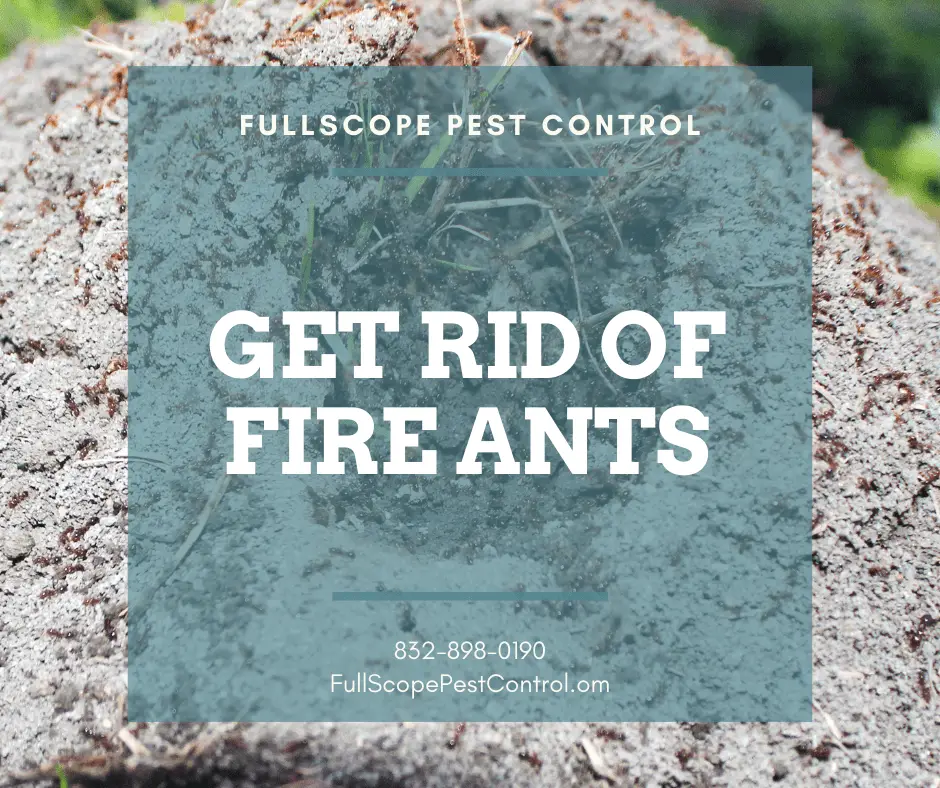
Fire ants (or Red Imported Fire ants (RIFA), as they’re commonly known in the United States) are not known to bother people much, and they are not considered invasive. They pretty much keep to themselves in colonies outdoors, including on your Kingwood property. Doesn’t sound too bad, right? Fire ants are not only nuisances, they are aggressive pests that will attack you and your family, and repeatedly sting if you disturb them. They are known for their large colony hills and for their painful sting, and are most prominent in the Southern, Southwestern, and Western United States, If you get bit enough times by enough of these ants, you will probably need to seek medical attention quickly. Ants are among the most hearty, resilient, and adaptable insects around, and most species can be difficult to get rid of, so it’s a good idea to know what type of ants you’re dealing with to help you in managing them. Must Read:DEALING WITH BLACK WIDOW SPIDERS
How do You Get Rid of Cornfield Ants in Your New Caney Home and Yard?
Cornfield ants are a common ant species that are known to build their homes in grassy fields. Cornfield ants can also make themselves cozy in your New Caney lawn. These ants are similar to a species known as Field ants, and they are known for feeding on nectar, other insects (alive or dead), and honeydew produced by aphids. Ants are among the most hearty, resilient, and adaptable insects around, and most species can be difficult to get rid of once they’re indoors, so it’s a good idea to know what type of ants you’re dealing with to help you in managing them. Cornfield Ants (Lasius americanus) Cornfield ants aren’t known to often nest in homes (they prefer outdoors), but they will enter your house while foraging for sugary foods and water. Like other ant species, once inside, they can contaminate your stored food and track bacteria all over surfaces where they travel. If you are seeing Cornfield ant activity indoors, there’s a good chance you have leaks and/or issues with wet wood indoors that need to be addressed. One reason Cornfield ants are significant is that they are frequently mistaken for Carpenter ants. They are light to dark brown in color, and measure between 1/10″ to 1/5″ in length, though queens can measure up to 1/3″. These ants aren’t as aggressive as Fire ants, but they will bite/sting if their nest is threatened. They also emit an acidic odor when squished. Outdoors you can find Cornfield ants nesting in the soil underneath sidewalks, bricks, landscaping stones, etc., as well as in and around rotting stumps, limbs, and logs. How Do You Get Rid of Cornfield Ants? As with many other ant and insect invader pest species, keeping your lawn well kept and the interior of your home clean is a major key to keeping Cornfield ants out. No matter how clean your home is, keep in mind that ants can show up in even the cleanest of homes. Try the following tips to help you get rid of Cornfield ants in your home. Mow your lawn regularly. There’s nothing Cornfield ants hate more than a well-trimmed lawn. Trim your shrubs and trees at least an inch or two away from the side of your home. Keep firewood and mulch at least 20 feet away from your home, and clear your yard of debris. It is critical to ensure that all of your food products (including pet food) is well-sealed and stored. If they have difficulty finding food in your house, Cornfield ants will go elsewhere. Promptly wipe up food and beverage spills, keep your sink free of empty dishes, and sweep and mop regularly in your kitchen. Make sure all leaks indoors and outdoors are repaired. If you find ants entering your home through a crack in the baseboards, doors, or windows, seal it up with caulk or spackling. Screen off pipe and utility entry points. Do everything you can to keep Cornfield ants out. You can spot treat for ants indoors with a good home bug spray, and you can also treat around the outside of your home regularly with a yard bug spray. Spraying nests you find directly with pesticide is also effective. Must Read:HOW TO GET RID OF PAVEMENT ANTS IN YOUR CLEVELAND YARD AND HOME There’s a lot you can do yourself to prevent and get rid of Cornfield ants and other pests from your home and yard, but wouldn’t you rather be enjoying your downtime with family and friends? Despite your best efforts to manage them, sometimes Cornfield ants will still invade your home. Save yourself all sorts of stress, money, and time by calling our New Caney, TX pest control experts today. Let us help you get your yard and home ant and pest free so you can enjoy the good weather in your backyard while it lasts!