 1500+ reviews

How Pests Can Damage Inventory and Equipment in Warehouses
Warehouses and other commercial facilities face various operational and financial losses when pests harm the quality of stocks and equipment. The types of pests range from rodents and insects to birds and even includes wildlife in severe cases, which makes any storage solution vulnerable to their invasive behavior. They attack packages while biting electrical cords, threatening product integrity while creating electrical hazards. Their presence also makes goods unusable and decreases stock availability. Pests damage buildings through their destruction of insulation and wood, hence forcing owners to invest in repairs. The extent of pest-caused losses needs clear evaluation by warehouse proprietors to establish protective measures against additional damage to property and legal complications before reaching optimal operational performance. Identification Of Some Of The Most Frequent Pests Affecting the Inventory Stocks Rodents Each business relies heavily on inventory, yet pests create major problems that trigger extensive destruction across the stored items. Rodents stand out as the regular pest population that continuously exists in various property types. Mice and rats devour everything accessible in their range and destroy power lines with their destructive habits. The business quality suffers as well as the health risks faced by team members, not to mention the fire hazards that emerge from such conditions. Beetles, Cockroaches, and Other Insects Textile fabrics are a preferred food source for beetles and moths along with grain pests, which makes these insects dangerous to every item stored for food consumption. Facilities that contain cockroaches face adverse health dangers since these pests spread bacterial infection and are incredibly resilient, outsmarting the survival instincts of other insects. Birds and Other Wildlife Bird entry creates inventory loss, pipe blockages, and the spread of infectious diseases through their waste. Other common wildlife that rummage through warehouse items and equipment include raccoons, squirrels, snakes, and other small animals. Businesses must identify and utilize efficient pest management practices to prevent pests from entering inventory because they could spoil the product. Through expert pest control measures, businesses secure their stock against harm while cutting down potential financial losses and protecting their workforce and customers from pest-based risks. Recognizing Signs of Pest Infestation in Storage Areas There are multiple ways to identify pest infestations. It is so important for warehouse management to closely observe these signs and prevent pest infection. Fecal Matter Rodent droppings or stains from the urine of pests are signs of infestations brewing around the area. Shredded Packaging Damaged packaging in the form of tears and gnaws indicates that rodents or insects are consuming the products. Cobwebs and Nesting Substances Any material that looks like a cobweb, silken thread, or nest, which is usually formed by spiders or insects, respectively. Bitten Products Food that has signs such as gnaw marks, holes, or any other signs of pests in and on them. Tracks and Rub Marks t is evident through the presence of footprints or rubbing marks on the walls through which the movement of the rodents can easily be traced. Molds and Odor Stench or foul smell in a house is a major sign that the house has pests or mold or is experiencing water damage. Pest Sightings Actual physical identification of the pests, whether they are insects, rodents, or birds, is evidence of the infestation. Why Warehouses Have Become Pests’ Preferred Haunt The widespread invasion of warehouses by pests presents multiple reasons for this escalating trend. Structural aspects of warehouse architecture, along with design elements, make locations favorable for pest survival. Areas inside warehouses that receive little sunlight, alongside many dark places, create ideal conditions for pests to find new homes. Several different commodities within warehouses frequently contain food, which draws rodents and insects that feed on the products. The operational characteristics of warehouses prove essential in the overall pest management strategy. Pests find opportunities to hide among ongoing freight shipments because of warehouse product movements. Business properties commonly attract pests through entry points like poorly sealed doors and cracks, as well as loose areas around loading docks. The utilization of boxes composed of wood and cardboard as product storage components creates conditions for cockroaches and rodents to multiply due to their suitability as pest habitats. Pest access to structures is amplified by warehousing facilities being placed in densely populated areas located near urban centers. Proper pest management strategies are necessary because the multiple conditions created within warehouses continually attract pest infestations. Why Pest Control Is Important For Industrial Settings Professional pest control services provide crucial protection of warehouse stocks through effective measures. The implementation of professional pest control lowers the extent to which pests affect goods, thus maintaining their value until they reach markets. The combination of property security and improved reputation effectively strengthens confidence in the facility between staff members and all patrons. Warehouses require regular pest management operations, which prevent them from becoming the safest spots in society. For robust pest solutions, contact our team of experts at Fullscope Pest Control today.
Why You Have More Mosquitoes After It Rains
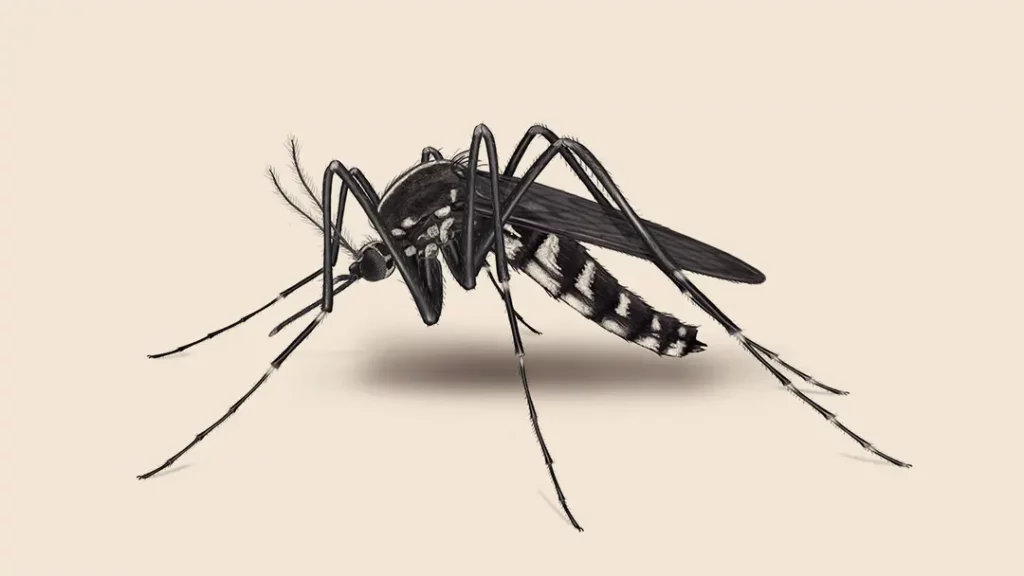
Have you ever pondered the mystery of the mosquito cloud that appears after a heavy rain? Don’t worry; what you’re seeing is real. Rain creates a favorable condition for mosquito reproduction, and therefore, their populations surge. By knowing what triggers them to reproduce after rainfall, you can prepare and avoid them from causing an infestation. This article will outline the major factors causing this and how to manage them with professional mosquito control methods. Top Reasons Why Mosquitoes Increase After Rain 1. Standing Water Turns into a Breeding Ground Mosquitoes lay eggs in stagnant water, and there is an ample supply following a downpour. Puddles, clogged gutters, flowerpots, bird baths, and low areas in the yard collect rainwater and provide ideal breeding grounds. Mosquito eggs hatch into larvae, which grow into adults in just a few days. 2. Increased Humidity Favors Mosquito Activity Humidity helps the growth of mosquitoes, and rain increases it naturally. The high moisture content in the air will, therefore, allow mosquitoes to linger for longer periods of time and be more active than usual. And that is why you may find that right after a rain, they seem to actually be biting you more. 3. More Vegetation and Shade Provide Shelter The rain enhances plant life, thus providing a very dense cover in your yard. Overgrown grass, bushes, and shrubs provide mosquitoes with the shade they require, protecting them from predators. Even better, these wet and shady locales allow moisture into the air, making it an even more attractive hiding-and-breeding environment for mosquitoes. 4. Warmer, Damp Conditions Speed Up Mosquito Life Cycle Mosquitoes will reproduce faster in warm and moist conditions, which will be more common after a storm. Warmth and standing water encourage a faster mosquito life cycle, with eggs hatching and maturing to biting adults faster than usual. This faster growth leads to a rapid increase in mosquito populations. How to Reduce Mosquitoes After Rain Here are some practical prevention tips: Best Mosquito Control Methods for Rainy Seasons Prevention is always preferable, but professional mosquito control can be a lifesaver, especially in rainfall seasons. Here are a few effective strategies: Conclusion Mosquitoes reproduce quickly after rainfall thanks to standing water, moisture, and heat. They can be difficult to control despite yard maintenance. Long-term protection is best achieved with professional mosquito control. FullScope Pest Control delivers expert mosquito treatments to eradicate infestations and destroy breeding sites, leaving your yard and house mosquito-free. Don’t be overwhelmed with mosquitoes after rainfall—contact FullScope Pest Control today for effective and trustworthy mosquito control services!
The Most Common Spiders in Texas and How to Get Rid of Them
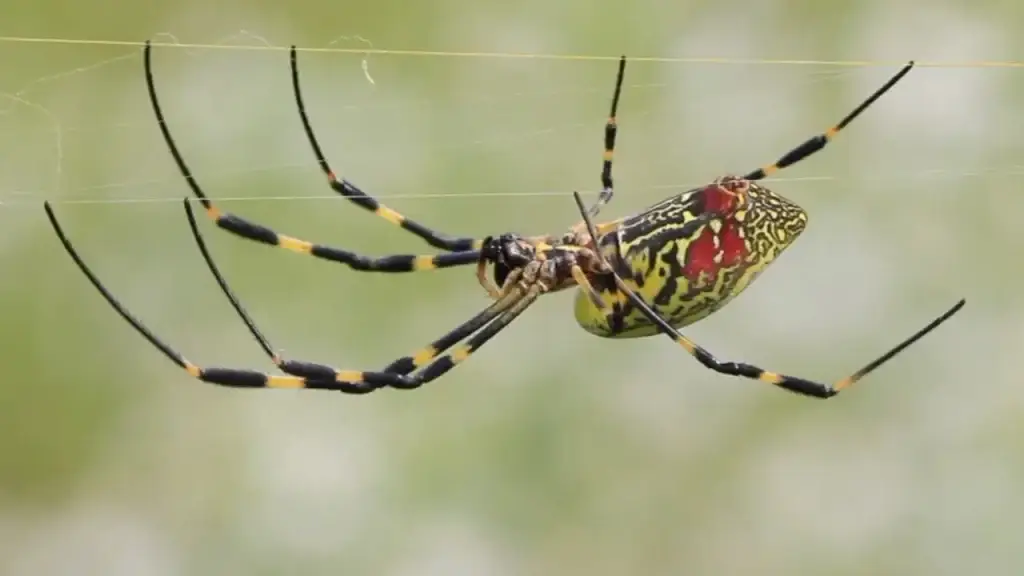
Several spider species call Texas home, including both harmless spiders and spiders that can be dangerous to humans. Learning about spiders in your area and ways to keep them out is key to ensuring a comfortable, secure home. If you have an ongoing spider problem, spider control in Texas is key to providing an insect-free home. Most Common Spiders Found in Texas Black Widow Spiders The black widow is among the most venomous spiders in Texas. It has an hourglass red spot on an otherwise shiny black body. Black widow spiders live in dark areas, including garages and stacks of wood, and attack in defense. Their venom contains neurotoxins, causing intense pain, cramping, and nausea. Although rarely fatal, bites require medical attention immediately, especially for vulnerable individuals. Brown Recluse Spiders Small, light to dark brown, brown recluse spiders possess three sets of eyes and an hourglass spot on their backs. Their habitat is in basements, attics, and closets where these spiders bite in response to provocation to inflict necrotic ulcers. Professional spider control in Texas can effectively manage their presence. Wolf Spiders These large, hairy spiders move quickly and hunt on the ground. Unlike spiders that have webs to entrap prey, these spiders chase down prey. Wolf spiders can be commonly found outdoors in gardens, rocks, or foundations but can periodically venture inside. Their bite is not dangerous to humans, yet swelling can occur. Though helpful in controlling insect populations, most homeowners wouldn’t welcome these spiders inside. Southern House Spiders The Southern House Spiders (Kukulcania hibernalis) live in and around homes in Texas. They have brown coloring, just like brown recluses, but they are not hazardous to humans. The spiders construct webs in undisturbed locations like basements or attics, including corners and ceilings. Consistent cleaning and web removal may help keep them out of your house. Effective Strategies to Keep Spiders Away When to Call Professional Pest Control in Texas Professional spider control in Texas is needed when spiders continue to return despite preventive measures or when dangerous varieties are regularly present. Experts may evaluate your house, administer safe treatments, and implement long-term plans. The pest management service can guarantee extended protection if you have egg sacs, numerous webs, or repeated infestations. Conclusion Knowing which spiders most commonly live in Texas and taking proven preventive measures can keep your home safe. Brown recluses and black widows, both hazardous spiders, require greater caution. If spiders remain an ongoing problem, call FullScope Pest Control. Our professional spider control service in Texas is individualized to your home and guaranteed to be safe and effective. For a complete assessment and long-lasting protection, get in touch now.
Preventing Fire Ants Before They Invade Your Property
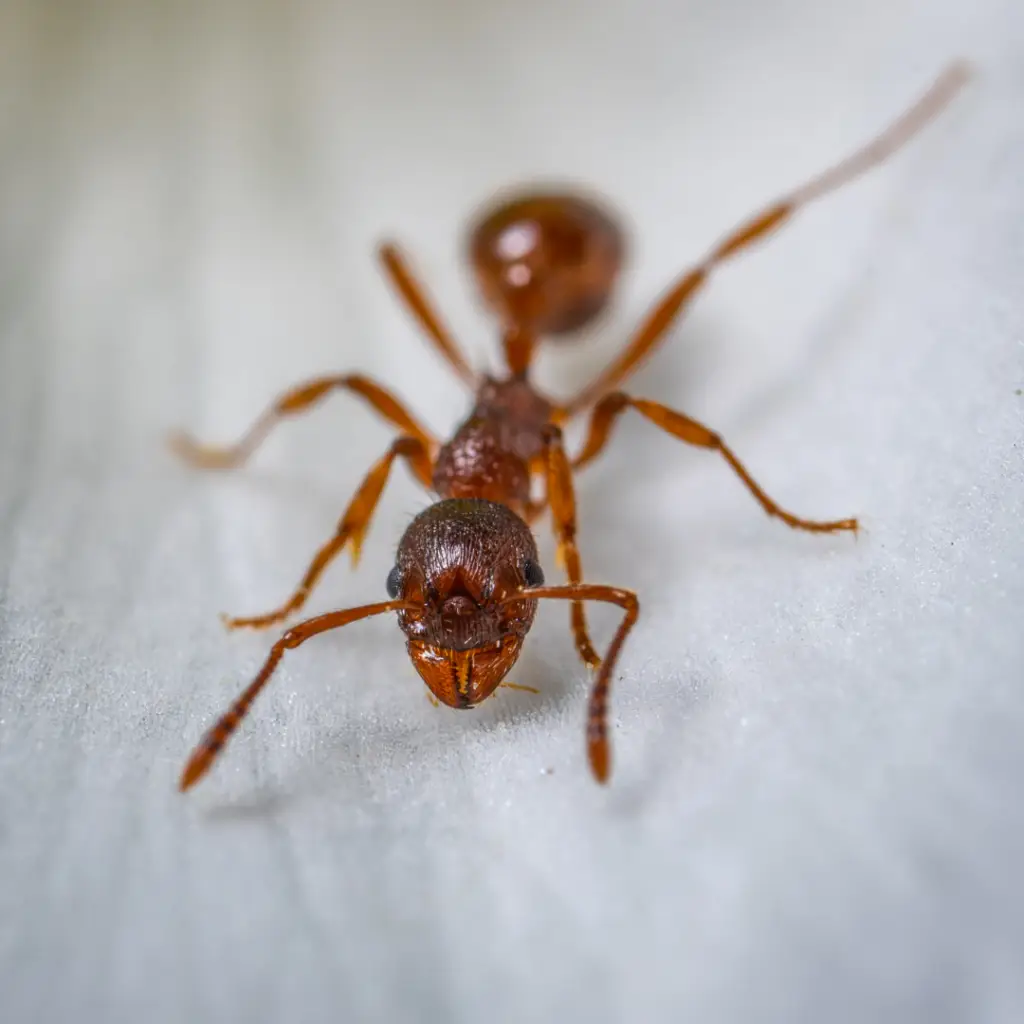
Fire ants are more than just a nuisance—they’re aggressive, cause painful stings, and are extremely challenging to remove once established in colonies on your property. The tiny foes build these huge underground nests and can disperse quickly if left unchecked. This guide will discuss early detection of fire ant activity, prevention techniques, and when to call a professional fire ant exterminator to keep your home pest-free. Warning Signs of Having Fire Ants on Your Property Early detection can stop full-fledged infestations from breaking out. Keep a lookout for the following: Best Practices for Keeping Fire Ants Out of Your Home 1. Keep Your Yard Well-Maintained Fire ant colonies love overgrown, clumpy areas. Keeping the grass nicely mowed, bushes trimmed, and debris out of the yard would all make the area less attractive to them. 2. Eliminate Food Sources Fire ants are constant foragers for food. Please clean up after outdoor eating times, keep all pet food inside, and ensure all garbage cans are tightly sealed to prevent them from being attracted. 3. Seal Entry Points Around Your Home Fire ants can find their way indoors through minute cracks and openings. Check around doors, windows, and foundations for any places of entry, and seal these with caulk or weather stripping. 4. Use Fire Ant-Repelling Landscaping Techniques Certain plants like mint, lavender, and marigolds can be unwelcoming to fire ants. Try incorporating some into your landscaping to not create an inviting asylum. 5. Maintain Proper Moisture Levels Fire ants are found in moist environments. Excessive irrigation or watering the lawn attracts fire ants. Therefore, ensure proper drainage at all times and avoid excessive irrigation. When Should You Hire a Pest Control Exterminator? If the fire ants are already established in colonies on your property, then the do-it-yourself approach may not be adequate. Consider calling a fire ant exterminator if: A fire ant exterminator has access to specific treatments that effectively kill fire ants while preventing future infestations. Conclusion Repelling a fire ant invasion is far more challenging than avoiding them. If you’ve noticed fire ants in your area, contact Fullscope Pest Control today. Infestations can be a real pain, but we have the solutions to eradicate them for good. Our fire ant exterminators specialize in all aspects of fire ant control, using proven techniques to target established populations. For a pest-free property, contact us today!
Effective Spider Extermination Methods
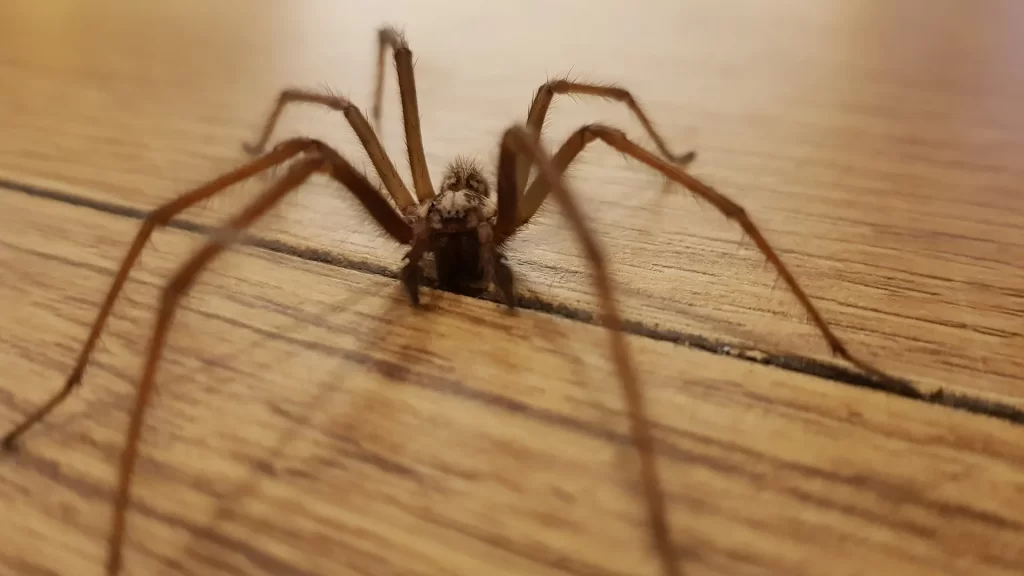
Stop Spiders in Their Tracks with FullScope Pest Control Key Highlights Introduction Dealing with a spider infestation can be very unsettling. Many people are scared of spiders, and even if you are not, having a spider problem at home can still be alarming. The good news is that there are effective ways to take back control of your home. Whether you see a few cobwebs or face a bigger issue, this blog post will look at the best pest control methods. It will also share helpful tips for dealing with these uninvited guests. Our experts at FullScope Pest Control provide scientifically backed strategies to protect your home. Understanding the Severity of Your Spider Problem Before choosing a way to get rid of spiders, it’s important to know how bad your spider problem is. Not every spider issue needs the same fix. If you see just a few spiders, some simple DIY methods may work. But if you have an infestation, it’s a different story. Identifying the species is crucial—most spiders are harmless, but dangerous species like the brown recluse and black widow pose health risks due to their venom. Identifying Signs of Infestation Most spiders are harmless, but it’s important to know which ones require caution. The brown recluse and black widow spiders are two of the most dangerous species in the U.S. If you see these spiders in your home, do not attempt to handle them. Contact a professional pest control service like FullScope immediately.. Recognizing Dangerous Spiders in the United States Most spiders are safe, but it’s important to know which ones might be dangerous. In the United States, the brown recluse and black widow spiders are two types that need attention. The brown recluse has a violin-shaped mark on its back. Its bite can hurt you and might harm your skin. The black widow is black with a shiny body and has a red hourglass shape on its belly. A bite from a black widow can cause a lot of pain, cramps, and more serious issues. If you see either of these dangerous spiders, do not try to handle them. Contact spider removal services right away to keep yourself and your family safe. Preventive Measures to Keep Spiders at Bay Preventing spiders is the best way to control them. By blocking possible entry points and reducing food sources, you lower the chances of an infestation. By reducing where spiders can enter your home, you lower the chances of an infestation. Essential Home Maintenance Tips Seal cracks and gaps: Check your home’s foundation, windows, doors, and utility pipe entry points. Use caulk or weather stripping to seal openings. Repair damaged window screens: Keep spiders from entering through small holes. Keep your home clutter-free: Spiders like to hide in undisturbed areas, so regular cleaning can make your home less appealing to them. By following these steps, you will make it harder for spiders to enter and establish a presence in your home. Natural Substances That Deter Spiders You can keep spiders away by sealing entry points and using natural things they don’t like. Peppermint oil is a common choice. Its strong smell tends to drive them away. Here are some natural spider repellents: By using these natural repellents, you can help make your home less inviting for spiders. DIY Solutions for Spider Control If you have a small spider problem, there are many DIY ways to handle it before calling in a professional, such as Fullscope Pest Control. Safe and Effective Homemade Repellents Homemade repellents that use natural substances can work well to keep spiders away. White vinegar, with its strong smell, can disrupt how spiders smell things. This makes it difficult for them to find their way around. Check out these homemade repellent ideas: These natural repellents are a safer choice than chemical pesticides. They can give you peace of mind, especially if you have children or pets at home. Step-by-Step Guide for Removing Webs and Egg Sacs Use a vacuum cleaner with a hose to remove spider webs in corners and ceilings. Carefully remove egg sacs and seal them in a plastic bag before disposing of them in an outdoor trash can. Regularly check attics, basements, garages, and under furniture for webs and sacs. By consistently removing webs and egg sacs, you can disrupt the spider life cycle and reduce infestations. When to Opt for Professional Extermination DIY methods work for small spider issues, but larger infestations require professional pest control. If spiders keep returning despite your efforts, it’s time to call in experts. Professional spider exterminators have the knowledge and the experience. They also use special treatments to deal with tough spider problems. Evaluating the Need for Expert Intervention Knowing when to call a professional spider exterminator is key. It depends on factors like how big the infestation is, if there are dangerous spiders, and how well your past efforts worked. If you have a large infestation or can’t tell the spider species, it’s best to get professional help. If you see spiders come back even after trying to prevent them, an exterminator can check the situation and offer solutions just for you. Homes with small kids, elderly people, or those with weak immune systems need special attention because they are more at risk of bad reactions from spider bites. In these cases, using professional pest control can lower risks and keep your home safe. At FullScope Pest Control, our trained professionals use industry-approved treatments to eliminate spider infestations safely and effectively. What to Expect from Professional Spider Extermination Services Reputable professional spider control services like FullScope Pest Control typically involve a multi-step process tailored to your specific needs. An FullScope Pro will conduct a thorough inspection to determine the extent of the infestation, identify the spider species involved, and identify potential entry points and contributing factors. Based on the assessment, they will develop a customized treatment plan, which may include targeted pesticide application, web and egg sac removal, and sealing off entry points. Service
5 Signs You Need Effective Rodent Control Right Now
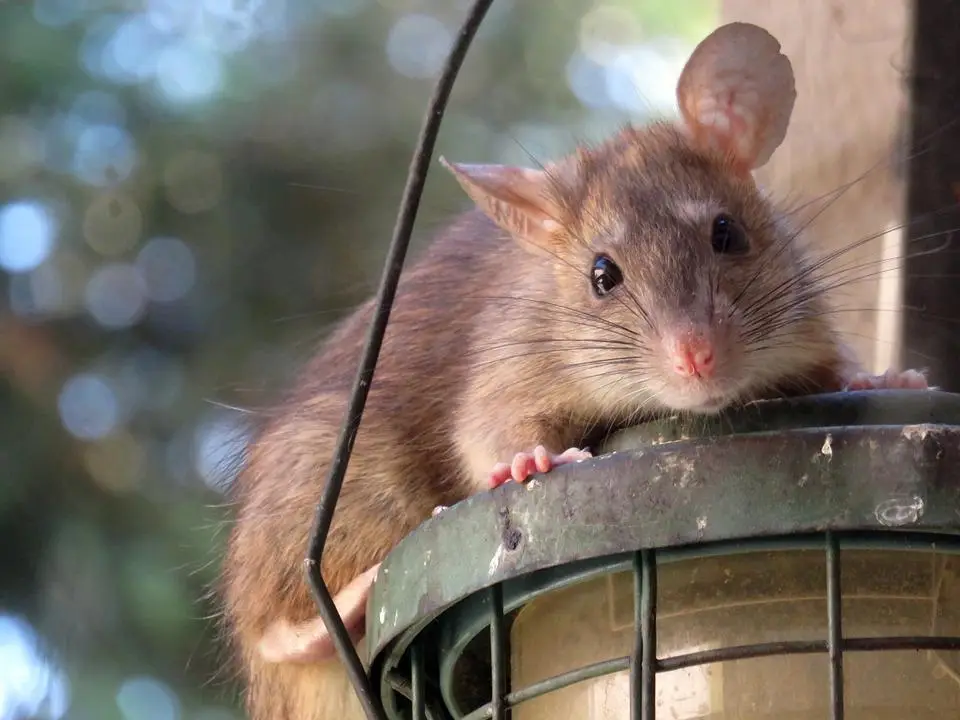
Rodents are more than a simple nuisance; they take your peace of mind, threaten your health, and can severely damage your property. This gives you yet another reason to get effective rodent control very fast if you see signs of any rodent in your house. Here are five primary signs indicating that assistance is urgently needed. Signs You Need Effective Rodent Control 1. Increased Rodent Activity Around Your Home Seeing and hearing rodents more frequently are some of the most obvious indicators you have an infestation. Because rodents are most active at night, you might hear them rustling around in your attic, walls, or ceilings. Spotting them during the day signals an active, growing infestation. The more frequent the sightings or sounds, the worse the problem. 2. Droppings and Urine Stains in Key Areas Once a rodent has moved around, its droppings and urine leave a trail. Infestations often cause these symptoms, especially in areas where food is kept, such as kitchens, pantries, and even attics on occasion. Rodent droppings are small, dark pellets, while urine has a strong ammonia smell. Finding these signs in hidden areas, like behind furniture or inside cabinets, indicates it’s time to act before the problem worsens. 3. Gnaw Marks on Furniture, Wires, or Structures Rodents enjoy gnawing to keep their teeth from growing long, and in the process, they damage furniture, wiring, even insulation, and the structure of your house. If you notice gnaw marks on electrical wires, this raises a serious fire hazard, thus requiring immediate action. These indicators show the probability of rodents living in your house, which presents problems. 4. Strange Smells or Unusual Odors One cannot ignore the unique, musty smell left by rodents. Rats’ urine and excrement rapidly soak into walls, insulation, and other unreachable areas as they break down. Once any strange odor is sensed, rodents have already made themselves home, jeopardizing your residence’s air quality and hygiene. 5. Unexplained Damage to Food or Packaging Rodents are naturally known scavengers in search of food. Chewed food packages or missing food in your pantry would be a clear invitation for trouble. Rodents can chew through plastic, cardboard, and metal in pursuit of food. Therefore, the matter must be treated immediately, or these rats will urinate, defecate, and get hairs in your meals, putting your health at risk. How Can Professional Rodent Control Services Help You? Though these do-it-yourself methods give temporary relief, the ultimate remedy for dealing with a rodent infestation is effective rodent control. Pest control professionals wield tools and expertise to discern avenues of entry, remove rodents, and advise on sustained prevention methods. They also offer the safe and humane forces of rodent removal to protect your home without risks to your family or pets. Wrap Up Rodent infestations can multiply to larger numbers within a short time, and the longer you let the issue lay, the more damage they will cause. Fullscope Pest Control appreciates the urgent situation due to the fast action required. Our expert team recognizes the importance of effective rodent control, applying the latest tools and techniques for solutions that last. Contact Fullscope Pest Control today to help restore your family’s safe, clean, pest-free environment.
Why Mosquitoes Are Worse in Summer and What to Do
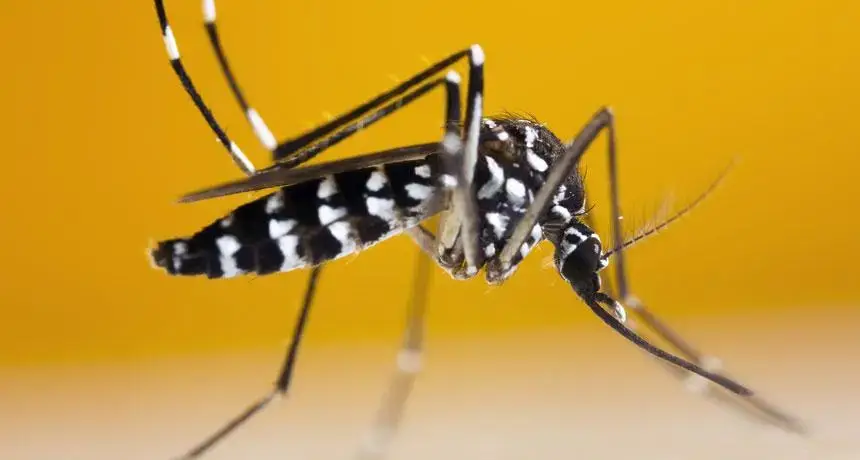
Ah, summer! The very term raises images of warm weather, long days, and an excess of `outdoor time.’ However, mosquitoes are most prevalent in the summer. These tiny nuisances become the biggest irritants in summer, causing itchy bites and spreading diseases. So, what is it about summer that aggravates these little pests? Let’s discuss what causes their summertime outbreak and what you can do to keep them off. For those affected by a continuous invasion, resorting to the best mosquito control services is the key to achieving a blissful, bite-free summer. Why Mosquitoes Thrive in Summer and How to Prevent Them Warm Weather Speeds Up Breeding With the temperature rising, mosquitoes breed faster! The eggs hatch at lightning speed, and in a matter of days, larvae become fully grown. What to do: High Humidity Creates Ideal Conditions Mosquitoes need humid conditions since moisture assists in hatching their eggs while prolonging the adults’ life span. What to do: Longer Days Mean More Biting Time Longer daylight means longer hours for mosquitoes to feed at dawn and dusk. What to do: More Outdoor Activities Attract Mosquitoes More people hanging out means more opportunities for mosquitoes to bite, being attracted to body heat and carbon dioxide. What to do: Stagnant Water Accumulates Faster Summer rains and subsequent irrigation provide the right environment for breeding. Even a small puddle can sustain the larvae. What to do: When to Contact a Professional for Mosquito Control When all your efforts have failed, it is time to call an expert pest control service. A full-fledged assault of mosquitoes can render outdoor areas useless and also pose higher threats for diseases transmitted by mosquitoes. The best mosquito control services will provide lasting solutions like targeted treatments for adult mosquitoes, larviciding, and habitat modification to keep your property free of mosquitoes throughout the season. Conclusion Indeed, these tiny pests constitute the bane of all summer outdoor activities; with a little planning, however, they can be kept to a minimum! Consider methods such as removing sources of standing water, using repellents, and other methods of prevention in order to provide yourself and your family with that little piece of heaven beyond the walls.When mosquitoes seem to remain a troublesome issue, professional intervention is needed. Fullscope Pest Control provides the best mosquito control services, directed toward ridding the area of mosquito infestations at the source so your home can be defended all summer long. Give us a call today so you can enjoy a mosquito-free summer!
Stop Termites Before They Take Over Your Home
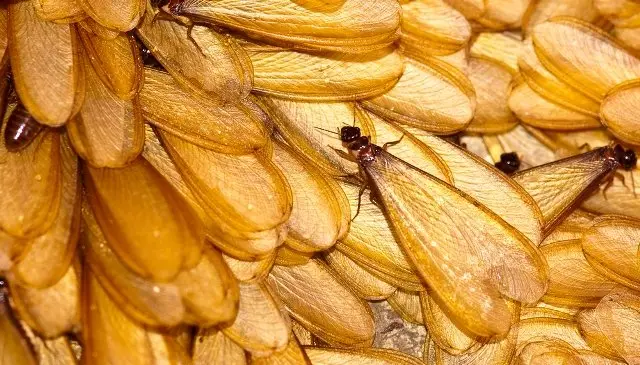
Termites may be small, but the damage they inflict on your home can be massive. These silent destroyers chew through wood; when you realize they’re there, it would have caused extensive damage. Early action is the best approach to preventing termite infestations and avoiding them taking over your home. Here are the vital tips that will help you protect your property and provide peace of mind. Signs of a Termite Infestation You may save yourself a lot of hassle, money, and effort if you catch termites early. If any of these signs are found, immediately prevent further damage. The Best Ways to Stop Termites from Infesting Your Home Routinely Inspect Your House Early detection is one of the best ways to prevent termite infestation. Keep an ear out for broken walls, hollow-sounding timber, or mud tubes near your home’s foundation. Regular inspections are a critical step in preventing termite infestations before they turn into a costly problem. Fix Moisture Issues Around Your Home Termites love damp and moist environments. Fix any condition causing access moisture, such as leaky water pipes, clogged drains, and incorrectly channeled rainwater. Getting rid of excess moisture will eliminate termites without welcoming other perils into your home. Remove Wood and Debris Near Your Foundation Termites are especially attracted to any wood, even more so when it happens to be near or around your property. Keep the firewood and tree stumps away from the very foundation of your home, and clean up other construction debris, as this maintains a clear perimeter around your house that termites should not occupy. Seal Cracks and Entry Points The slightest crack in the foundation or walls could admit them. Seal all such entry points with caulk or sealant so termites don’t gain access to your home. That would stop you from getting a bad termite infestation. Schedule Annual Professional Termite Inspections No matter how great your DIY efforts may be, termites may find a way into your home. Scheduling a professional pest control service annually is crucial in preventing termite infestations. Experts in pest management have the training and equipment to detect and eliminate even the most covert termite activity. Why Professional Termite Control Is Essential Professional pest control technicians have experience, equipment, and expertise in finding signs of an infestation that may not be readily visible. They can apply advanced treatments, including liquid termiticides and baiting systems, outperforming over-the-counter products. By partnering with professionals, you have a long-term solution for protecting your home from termites. Conclusion While termites can be relentless, proactive measures may stop them from taking over a home. Safeguarding your property requires professional treatments, moisture control measures, and regular inspections.Fullscope Pest Control is the best at protecting homes and businesses against pests and termites. Our crew will perform thorough inspections and apply effective termite treatments to ensure your property is safe. Don’t wait for termites to cause costly damage; contact FullScope Pest Control today and enjoy peace of mind, knowing your home is in expert hands.
Types of Lawn Care for Pest Control

Keeping a healthy lawn is not only an aesthetic point; it also contributes to pest control. A healthy lawn may also act as a protective hedge against these pest infestations, ensuring your outdoor space is truly safe and much more agreeable. Proper care of the lawn is extremely essential in making a surrounding pest-free, ranging from simple, regular maintenance to a special pest control strategy. We will learn in this blog some types of lawn care that help in controlling the problem and why they are essential. Essential Lawn Care Tips for Pest Control Regular Lawn Mowing Mowing your lawn frequently keeps these tiny creatures that like living amongst grass, such as ticks and rodents, at bay. Regular mowing will never make it grow high, therefore preventing infestation of bugs inside it, while even just trimming keeps the grass healthy and hence pest-free. Aeration and Overseeding Aeration helps your soil be healthier by how much more efficiently air and nutrients can reach the root, which builds strong grass, hence discarding pests. Aerating could revive a patchy lawn if done in combination with seeding; hence, they become stronger against pests or diseases. Professional lawn care experts execute these processes with precision so that they may give great results. Fertilization and Weed Control Trimming your lawn at a low height controls the tick and rodent populations that thrive in your lawn. It prevents overgrowths of the grass, which is usually shelter for such pests, while regular trimming ensures the health of the grass, hence keeping away pests. Proper Watering Practices Irrigation balancing is one of the main keys to pest control. Overwatering may attract pests such as mosquitoes and fungi, while a lack of it weakens the grass and makes it quite vulnerable. Deep, infrequent watering helps keep lawns healthy and keeps pests away from them. Disease and Pest Management Care is also about addressing the most common lawn diseases, like brown patches and grub pests. This will help with treatments and prevent the grass from getting affected, which would leave it weak. Professional lawn care services are experts in handling such challenges effectively. Why Professional Lawn Care is Worth It Professional lawn care is more than a matter of convenience; it’s experience, efficiency, and custom solutions to make your lawn the best it can be while keeping those pesky pests at bay. Professionals know and have the right tools to attend to specific issues like grub control, lawn diseases, and patchy areas with precision. You can save time, avoid costly mistakes, and end up with a healthier and pest-resistant lawn that adds great appeal to the overall home. Conclusion By incorporating basic lawn care, you’ll be able to have a healthier and more enjoyable outdoor space. But perfect grass is complicated and time-consuming. That’s where Fullscope Pest Control comes in. Our professional lawn services include everything from fertilizing and aerating to disease and pest control. Let’s take the weight off your shoulders as we work our magic to transform your yard into a thriving, pest-free oasis. Call us now and give your lawn the care it deserves!
What to Know About the Different Types of Wasps
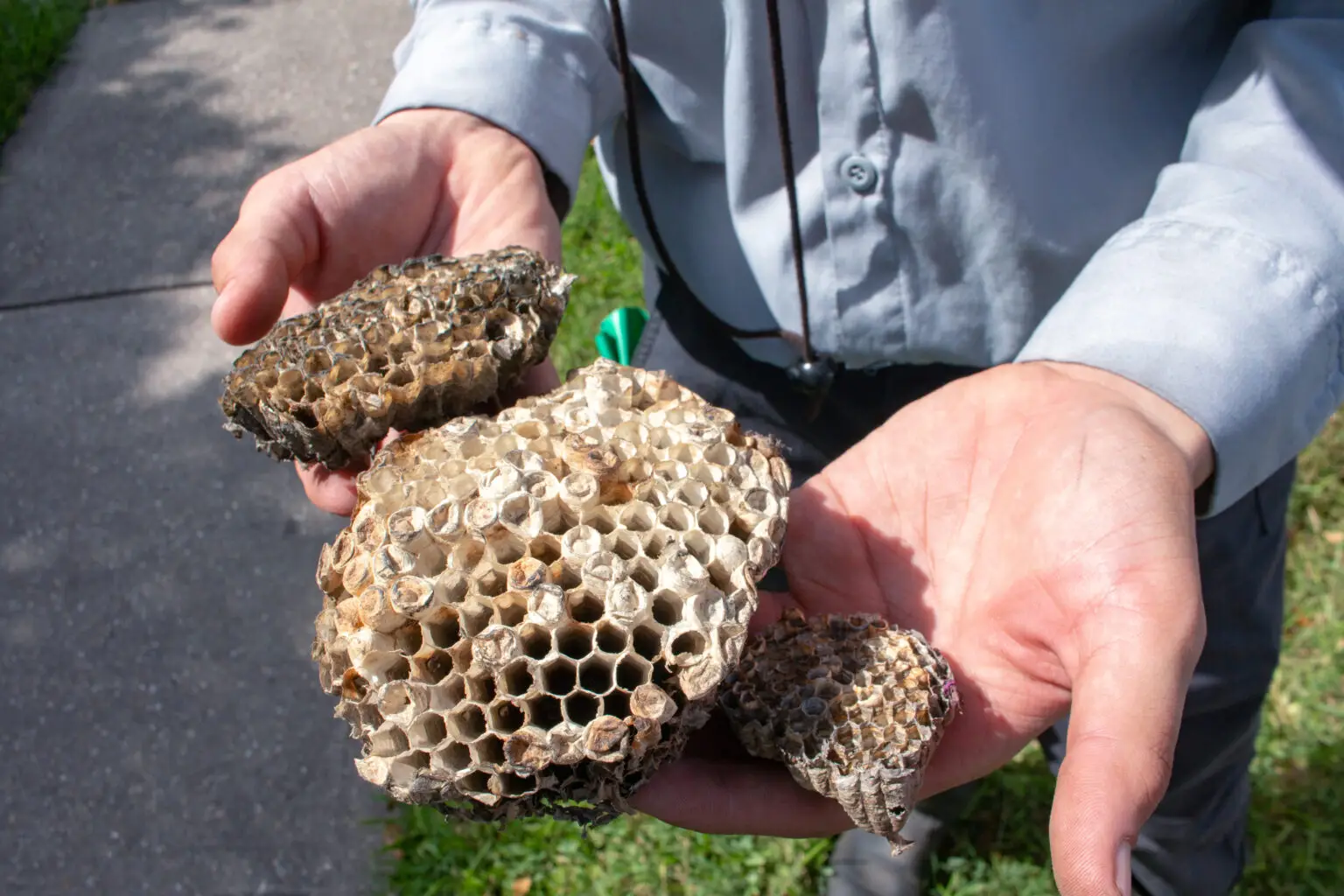
Wasps are actually very important to nature in pollination and pest control; however, most get a bad reputation because of their stingers and general aggressive behavior. The important thing is to be familiar with the most common types, their behaviors, and characteristics, as it will be great for safe coexistence with these wasps. However, if they become dangerous or become a threat, then an expert wasp control service can always be available to offer effective solutions. This guide looks at the most common wasp species and their ecological roles. Most Common Types of Wasps Paper Wasps Paper wasps are long-legged, slender insects with brown or yellow markings. They create umbrella-shaped nests out of chewed wood fibers that they mix with saliva and locate them under eaves, tree branches, and other situations. Generally non-aggressive, they sting only when their nests are threatened. They are effective pest controllers and pollinators in the garden owing to their predation habits on caterpillars. Yellowjackets Yellowjackets are also referred to by many people as black and yellow-striped wasps and are extremely social and aggressive insects. They form very large nests with thousands of wasps located underground or inside a void in a wall. General scavengers of human food, they often become a nuisance at outdoor events but they do provide very effective natural pest control: most of their prey items are harmful insects. Hornets Hornets are larger and usually more aggressive compared to other wasps. They normally create huge, paper-like nests, which are hung from trees or eaves. They typically create enormous, papery nests that they suspend from trees or eaves. Hornets have black bodies with whitish markings. Protective of their nests, hornets will sting when threatened. Their general size and behavior make them intimidating, yet substantial in their role within ecological balance. Cicada Killers Cicada killer wasps can grow to be two inches long, making them among the biggest wasp species. Despite their intimidating size, they actually are not at all aggressive, as well as very seldom sting people. They dig burrows into the sandy ground and get their name from a habit of hunting cicadas for young ones to feed on. Preventing Wasp Problems Around Your Home You must ensure that wasps cannot enter your home through any openings by sealing all holes and crevices in the structure. This includes windows, doors, and walls. Trash bins should also be kept tightly sealed, and one must not leave sugary food and drinks outdoors. Larger nests and aggressive wasps pose more problems and may be dealt with by expert wasp control services for safety and efficiency. Conclusion Wasps are very helpful to the environment, but when they build their homes far too close for comfort, they can become an unsavory threat to your home and family. Don’t let wasps interfere with your peace of mind; Fullscope Pest Control will provide professional and efficient services that cater to your unique situation. Our experienced team can keep you safe from wasps and protect you for years to come so that you can enjoy your outdoor living space without stress. Keep your family and home safe from harm with Fullscope Pest Control’s expert wasp control services; call us today!