 1500+ reviews

Ants: Nature’s Tiny Home Inspectors (That You Never Hired)
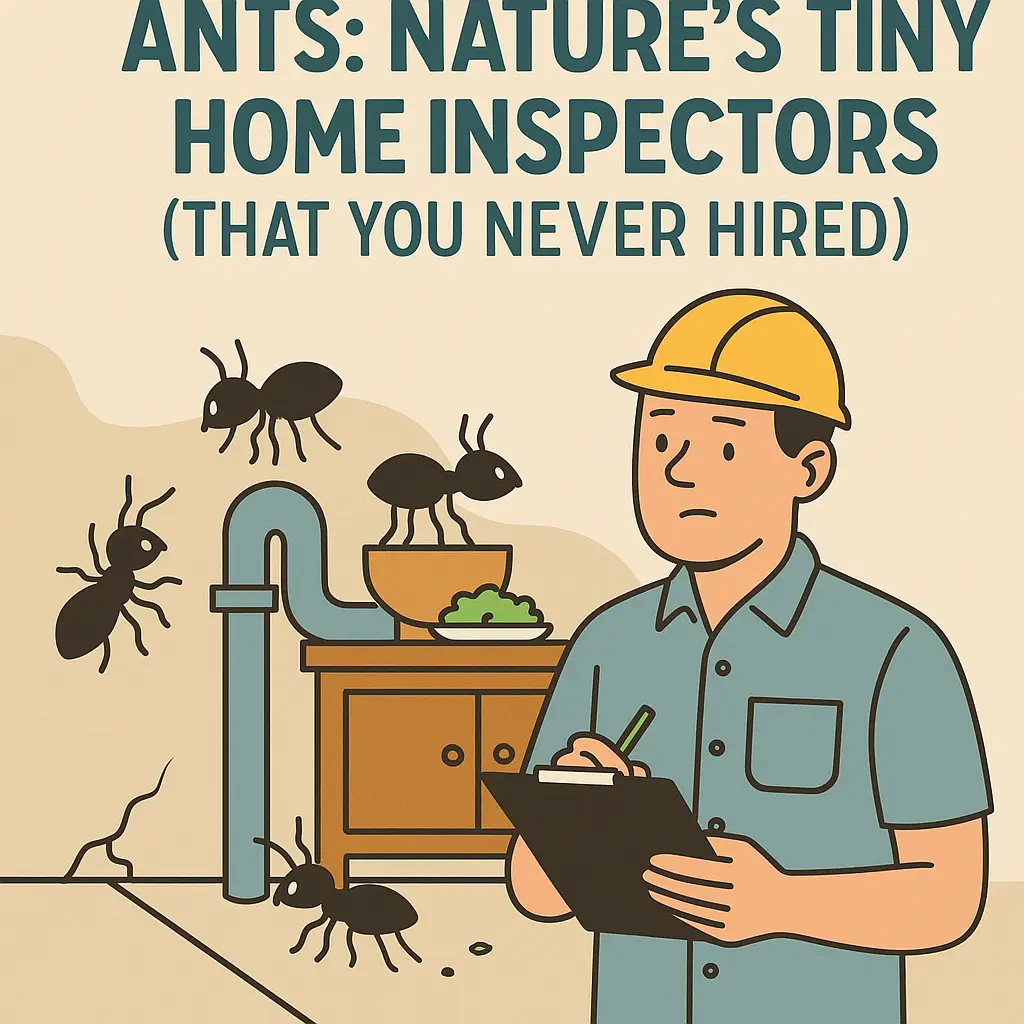
Spoiler: They’re not leaving a report, just a trail. Ever feel like your home is being audited—crumb by crumb? You’re not wrong. When ants show up, they’re not just wandering around aimlessly. They’re on a mission. A mission that involves sniffing out every microscopic snack, moisture source, and tiny crack in your home like they’re prepping it for an HGTV reveal. But unlike real home inspectors, these six-legged scouts don’t leave a report. They leave pheromone trails… and about 3,000 of their closest coworkers. Welcome to the ant-vasion. 🐜 So, Why Do Ants Seem So Thorough? Ants have evolved to be incredible problem-solvers—and by “problem,” we mean anything that smells remotely edible or moist. Their “inspection” process includes: They’re like the Sherlock Holmes of household pests—but they don’t stop once the mystery is solved. They move in. 🚨 Signs You’ve Been “Inspected” Here’s how to know the ants have finished their walkthrough and decided to set up shop: 🧂 DIY Deterrents (and Why They’re Not Always Enough) We’ve all tried it: vinegar sprays, cinnamon lines, and that thing your aunt swears by with salt and duct tape. And hey, they may work… for about 20 minutes. The truth is: ants don’t scare easy. Their colonies can be enormous, hidden deep underground or inside walls, and your homemade “no trespassing” signs usually just send them to another room. 🧼 What You Can Do Right Now: 🧑🔧 But When They Don’t Take the Hint… Call FullScope At FullScope Pest Control, we don’t just break up the ant parade—we shut down the whole inspection team. We use professional-grade treatments that target ants at the source: the colony. Our team will identify how they’re getting in, what they’re after, and how to make sure they never conduct another “inspection” of your home again. 🛑 Stop the Sneaky Inspections Before They Start Whether you’re seeing a few scouts or a full-blown trail takeover, it’s time to evict your tiny houseguests. We’re just a call away. 📞 Contact FullScope Pest Control for your free consultation and fast response to solve your ant inspection issue. FullScope Pest ControlBig solutions for tiny problems. Would you like this exported as a downloadable Word doc, or paired with social captions and graphics? Ask ChatGPT
How to Freshen Up Trash Bins to Deter Pests Effectively
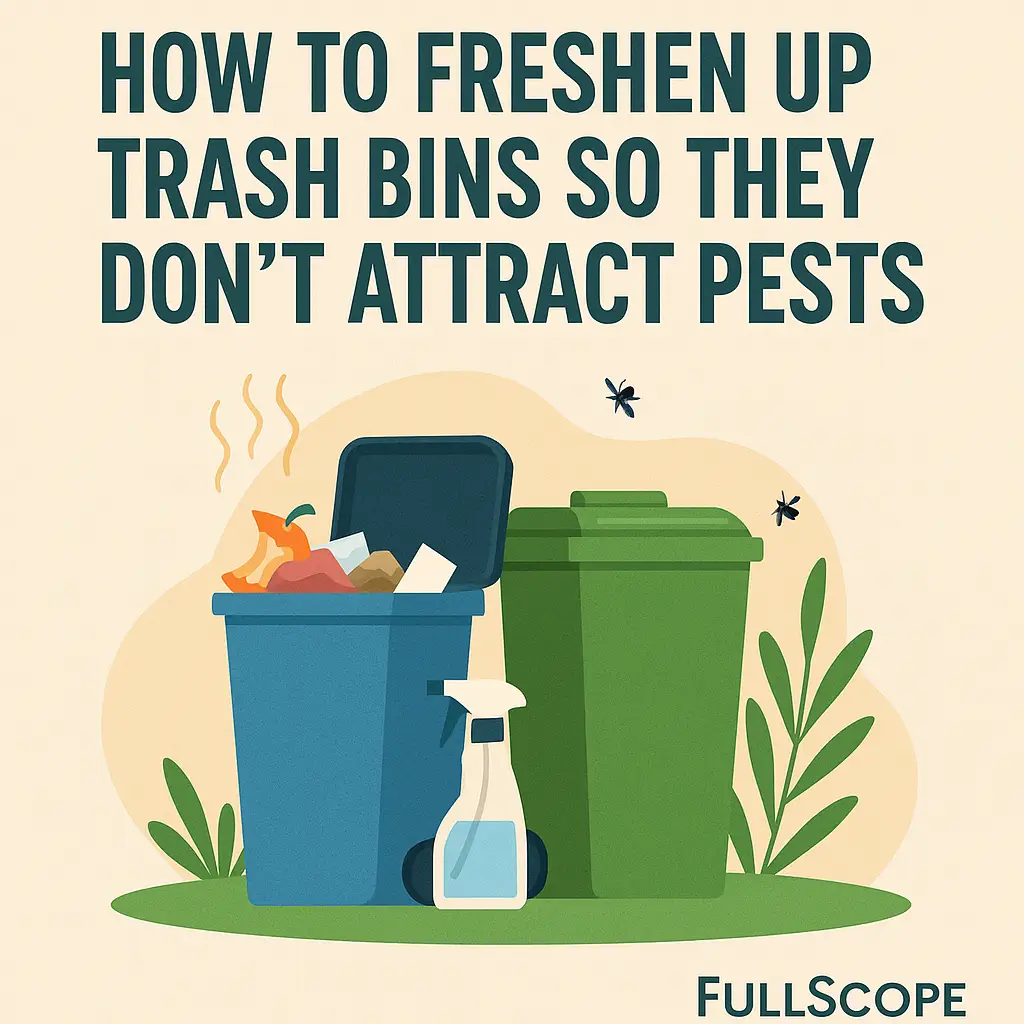
Key Highlights Introduction Trash bins can attract a lot of pests, especially when you have food waste, food scraps, and organic waste that start to rot. In Humble, Texas, rodents and other critters do well in garbage cans left dirty and filled with smelly trash. If you do not clean your bins, harmful critters might move close to your home, which can cause health issues for you and your family. The good thing is, there are simple pest control tips you can use. Good cleaning helps your bins stay free from pests and unwanted intruders. Do you want to make your trash area pest-free? Now is the time to start. Common Pests Attracted to Trash Bins in Humble, Texas Pests are a common problem in Humble, Texas, because food scraps and old waste in bins around homes and businesses attract critters. Rodents like rats and mice often show up at garbage cans. Cockroaches, flies, and wasps are also found going through bins. These pests can grow in number very fast, so it is important to stop them early. When trash is not handled well and bins are dirty, it brings more pests. These critters are not only a nuisance. They also spread harmful diseases and can cause damage to your property. So, people have to act quickly to get rid of them and stop the trouble before it gets worse. Types of Insects and Rodents Found in Local Trash Areas Flies and cockroaches are the main insects you often see in bins. Flies like to be around rotting organic waste. They lay eggs in it and this soon turns into maggots. Cockroaches do well in warm, damp places where there are food scraps. They spread germs to your bin and the nearby area. Rats and mice are some of the most common rodents that get into bins. They bite holes in thin plastic bins, so they can reach leftover food waste inside. These rodents spread germs, disease, and even chew up wires or insulation. This can damage your property. Here’s a look at the types of pest you might see in Humble, Texas bins: Pests are a common problem in Humble, Texas, because food scraps and old waste in bins around homes and businesses attract critters. Rodents like rats and mice often show up at garbage cans. Cockroaches, flies, and wasps are also found going through bins. These pests can grow in number very fast, so it is important to stop them early. Pests are a common problem in Humble, Texas, because food scraps and old waste in bins around homes and businesses attract critters. Rodents like rats and mice often show up at garbage cans. Cockroaches, flies, and wasps are also found going through bins. These pests can grow in number very fast, so it is important to stop them early. When trash is not handled well and bins are dirty, it brings more pests. These critters are not only a nuisance. They also spread harmful diseases and can cause damage to your property. So, people have to act quickly to get rid of them and stop the trouble before it gets worse. Pest Type Attraction Risks/Impact Flies Rotting organic matter Maggots, germs Cockroaches Food scraps in moist areas Diseases, rapid infestation Rats/Mice Food waste and uncovered bins Property damage, harmful illnesses If you want to keep maggots, cockroaches, and other pest away from your bins, take steps right away to protect your garbage from germs and rodents. Recommended Read: The Role of Sanitation in Preventing Pest Infestations Why Your Trash Bin Becomes a Pest Magnet Trash bins are full of food waste, moisture, and odor that most pests, like cockroaches and rodents, want. If you throw leftover food, decaying food, wrappers, or any other residue into the bins, these can become meals for pests. They get drawn in by all this stuff. Dirty bins get worse with extra moisture, like when liquids spill or when it rains. That makes the perfect place for pests to live and grow. Flies and cockroaches can multiply fast in this kind of damp area. The smell from decaying food, wrappers, and other strong odors travels a long way. Pests can smell this and will come try to get it. If you want to keep pests like rodents and cockroaches away, regular cleaning and keeping your bins clear of residue or food waste helps a lot. This stops them from being attracted by the smell and moisture. Essential Cleaning Techniques for Freshening Up Trash Bins Cleaning your trash bin on a regular basis is a good way to keep pests away. Scrub the inside and outside of the trash bin with water and disinfectant. This will help you get rid of germs, any grime, and food residue. After cleaning, you need to dry the bin well. Drying it stops moisture buildup, and that keeps pests from coming. Taking care of any bad smells is also important when it comes to keeping pests out. Use vinegar solutions or baking soda in the trash bin. These can get rid of tough smells and help make the space feel fresh. If you make a habit of cleaning well, your bin will stay free from pests and germs. Step-by-Step Guide to Cleaning and Deodorizing Bins Cleaning your trash bin does not be hard. Use these simple steps when cleaning bins. These steps help keep your bin clean and stop germs, moisture, unpleasant smells, and pests from coming around. Baking soda, vinegar, hose, and disinfectant are good for getting bins clean. Recommended Cleaning Products and Natural Alternatives Using the right products can make it easy to keep your bins clean. Cleaning products like ammonia and disinfectant sprays help get rid of bad germs. They also fight against tough grime and smells. If you have a big pest problem in your bins, you may need to use stronger cleaning solutions. You can also use natural choices that are safe for you and good for the earth. Baking soda
Spiders: Freeloading Roommates Who Think They’re Helping
“Sure, they eat bugs—but do they pay rent? No.” Let’s face it: spiders have a bit of a PR problem. Some people see them as harmless houseguests that take care of other pests. Others see them as eight-legged nightmares with a web design degree. Either way, one thing is certain—they didn’t get your permission to move in. At FullScope Pest Control, we’re all about facts and fun. So here’s a lighthearted look at why spiders think they’re helping…and why you probably still want them gone. 🕷️ The Spider’s Pitch: Why They Think They’re Great Roommates Spiders are the ultimate self-appointed pest control agents. Here’s what they think they bring to the table: We’ll give them this—they’re quiet, resourceful, and don’t raid your fridge. But… 🕸️ The Reality: Why You Might Not Want a Spider-Based Security System Here’s why relying on spiders isn’t exactly a foolproof plan: 1. Web Decor Isn’t Exactly Trendy Unless you’re decorating for Halloween year-round, random webs in corners, windows, and ceiling fans are a visual nuisance. 2. They Multiply…Quietly One spider is quirky. Ten is a problem. If you see webs in every room, your freeloaders may have invited their cousins. 3. Some Bites Hurt While most house spiders are harmless, Texas is home to venomous spiders like the brown recluse and black widow. Suddenly, that “live and let live” approach feels a lot riskier. 4. They’re Still a Sign of Bigger Issues Spiders eat bugs. So if you’ve got a spider problem, guess what? You probably have other pests too. Recommended Read: Spider Extermination – Effective Methods Revealed 🧽 What You Can Do About It (Without Burning Down the House) 🧑🔧 Or… Let Us Handle It Like Pros At FullScope Pest Control, we love nature—but we don’t think it should live inside your house rent-free. Whether you’re dealing with one or twenty unexpected “roommates,” our safe and effective spider control services can help you reclaim your home. 🕷️ Ready to Evict Your Eight-Legged Freeloaders? We offer targeted treatments for both common house spiders and the more dangerous types.📞 Call us today or book online to schedule your free inspection. Check Out Our Residential Pest Control Packages – As low as $36 a month! FullScope Pest Control — Protecting Your Home from Pests (And Their PR Campaigns).
The Lazy Homeowner’s Guide to a Mosquito-Free Backyard
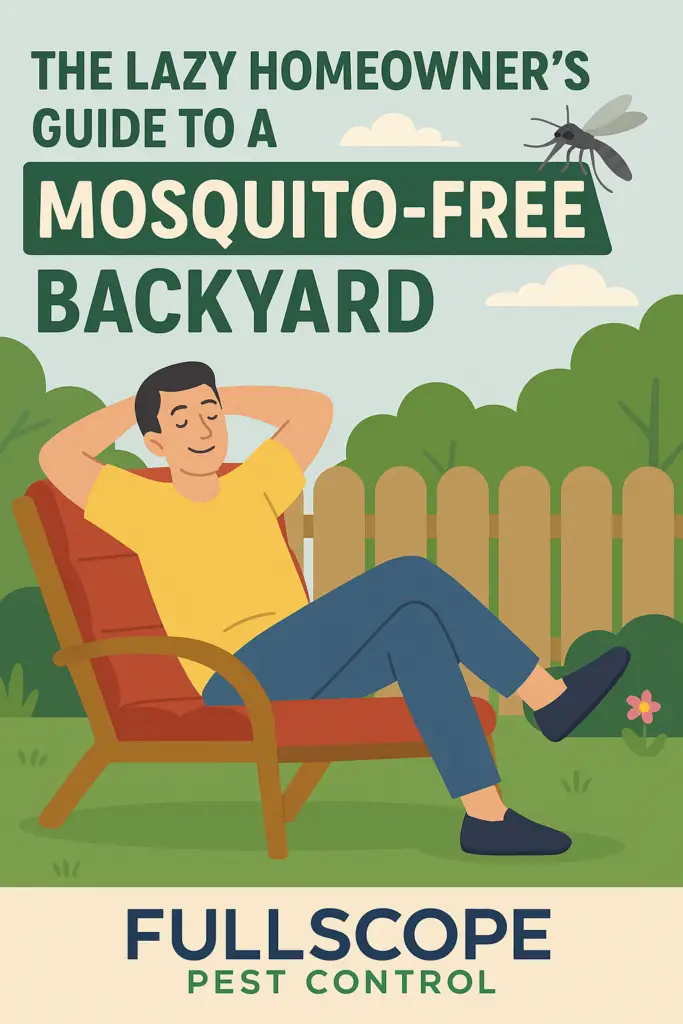
Key Highlights Introduction Are mosquitoes ruining your fun outside? This easy guide to mosquito control can help you get your backyard back. Stop letting mosquito bites mess up your outdoor living. Mosquitoes are not only annoying. They also bring serious health risks. Some diseases they spread are west nile and zika virus. No matter if you are always busy or just want to do the least work, you can still find good mosquito prevention tips here. The ways to control mosquito populations are simple and take little work. That means you will get to relax outside with your friends or family. Enjoy calm nights without worrying about bites or those health risks from west nile virus and zika virus. Understanding Mosquitoes in Humble, Texas Mosquitoes do very well in Humble, Texas, because the air is often humid and the weather is warm. This helps mosquito populations grow fast. People who live here have a long mosquito season. That is why it is important to start mosquito control at your house. In the backyard, small amounts of stagnant water can help female mosquitoes lay their eggs. Things you see every day, like birdbaths or clogged gutters, can have stagnant water and also bring in mosquitoes. To stop mosquitoes in this area, you have to know why there are so many. This is the first thing you must do to keep mosquito populations low. Common Mosquito Species in the Area Several kinds of mosquitoes live in Humble, Texas. The most seen types are Aedes aegypti, Culex pipiens, and Anopheles quadrimaculatus. Each of these female mosquitoes brings its own problems. They all like to live in different places. The Aedes aegypti is usually out in the daytime. These adult mosquitoes can give you dangerous diseases. Some are dengue fever and the Zika virus. This type likes busy areas with lots of people. They need standing water, which can be found in many city spots. The Culex pipiens comes out more at night. They breed in stagnant water. Dirty and still water offers them a place to lay eggs. The Anopheles quadrimaculatus likes to live and breed in damp, swampy areas. This kind spreads malaria and is known for living in humid spots. It is good to notice these habits of female mosquitoes. Knowing when and where they are active can help you with mosquito prevention. This means you get a better way to keep them out of your home or yard. Why Mosquitoes Thrive in Texan Backyards Texas backyards can be a perfect environment for mosquitoes to live, especially in the warm months. There are often many rains and lots of damp air in the area. The water collects and sits in puddles and standing water, which helps mosquito eggs hatch fast. During the summer months, days are longer and more people spend time outside. This makes mosquito activity go up because they like to come out when people are outdoors. Stagnant water in places like bird baths or clogged gutters gives them more spots to lay eggs. If you do not take care of these spots and keep them clean, the problem just gets worse. A good, green lawn and thick plants are easy places for mosquitoes, who are weak fliers, to rest during the day. When you have both warm weather and wet places in the yard, your backyard becomes a strong draw for mosquitoes. To lower the number of these bugs in Texan yards, people must take care of these problems in a good way. Health Risks Associated with Mosquitoes Mosquito bites do more than cause itching. They can let in serious diseases. In Humble, Texas, health risks such as the west nile virus, zika virus, and eastern equine encephalitis are a big worry. These small insects can carry dangerous diseases that change lives. The health risks from these bites are a real problem because signs can start out mild and then get worse. For example, the zika virus may first cause things like a fever and sore joints, but it can also lead to birth defects. The west nile virus can cause nerve problems as well. Each mosquito bite is a real risk to your family. Lowering mosquito activity is about more than keeping comfortable. It helps you and your loved ones stay safe and healthy in your outdoor spaces. Taking good preventative measures will help keep these serious diseases away so you can enjoy your time outside. The Challenges of Mosquito Control for Busy Homeowners For homeowners who are busy with work and family, mosquito prevention can seem tough to keep up with. There is not a lot of time in the day for effective mosquito control. But when you skip these steps, your outdoor spaces can quickly become a place for mosquito infestations. Simple things like cleaning up places where mosquitoes breed or cutting the grass need to be done often. This is hard when people do not have much free time. The good news is that there are some easy ways to do mosquito treatments. You can take simple steps for mosquito control and outdoor living that do not take too much work. If we do not keep up with the basic tasks, mosquito populations can get worse fast, and your outdoor spaces may be full of bugs. Time Constraints and Maintenance Realities Not all homeowners have the time to focus on mosquito prevention. Between long work days and family needs, it is easy to forget to get rid of stagnant water or clean out standing water in gutters. Outdoor areas, especially big ones, need regular care to stop mosquitoes from breeding. Things like clogged gutters, tall grass, and lots of shrubs give mosquitoes a place to stay if you do not keep up. Many people know this, but busy schedules or putting things off mean this work often does not get done. To save time and still have good mosquito control, try simple ways like automated systems or hiring a professional mosquito control team.
How to Keep Ants Out of Your Pets Food Bowl Like a Pro
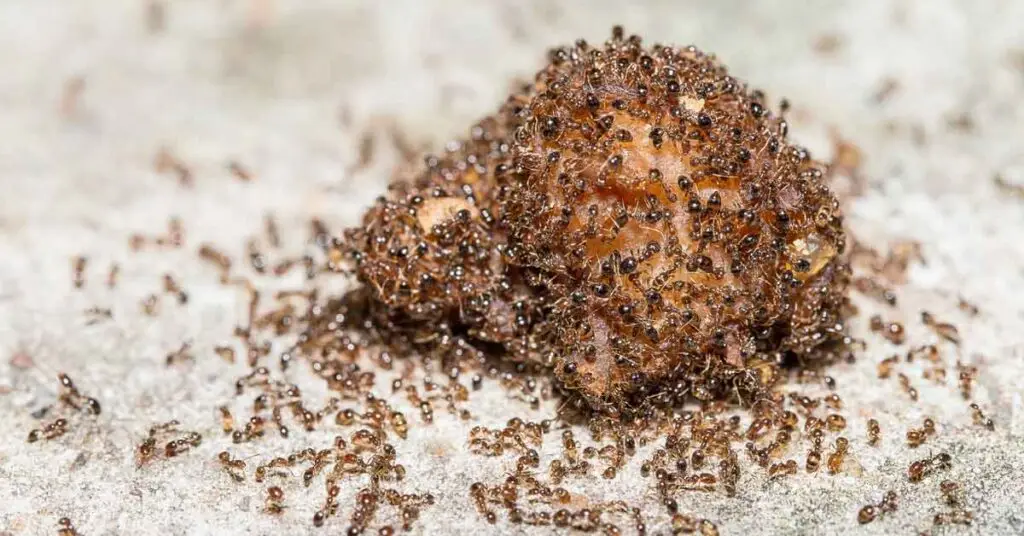
Key Highlights Introduction Finding ants on your dog food bowl or your cat’s food can be really annoying. These small pests show up fast. They take over the pet’s meal and turn it into their own feast. When this happens, it can make meal time hard for both you and your pet. The ants can even turn into a bigger nuisance by getting all over your home. But you do not have to just put up with this. Stopping ants from getting into your pet’s food bowl is not as hard as it may seem. With a few easy steps, you can keep ants away from your dog food or cat’s food and make sure they do not bother your pet. Here, we look at simple ways to keep ants away from your pet’s food and stop these pests from coming back. Why Ants Are Attracted to Your Pet’s Food Bowl Ants do not stop looking for something to eat. If you have a food bowl with pet food like kibble or wet food, it will pull ants in fast. They love high-protein kibble and wet food, and all the smells from your pet’s food. If crumbs or any little spills are left behind, it will make things worse. These things can bring ants into your home and turn them into a real nuisance. When scout ants find the food bowl, they set chemical trails for other ants to follow. Soon, there are a lot of ants moving in a line to the bowl. They will keep coming unless you do something to stop it. Knowing what brings ants to pet food gives you a good start on how to deal with this problem. Common Reasons for Ant Infestations in Pet Feeding Areas Keeping ants away from your pets’ food dishes starts with knowing why the ants come in. Crumbs on the floor near pet food draw ants in. These pests are fast to find even tiny bits of food. If kibble or dry food is left out and not covered, the smell brings ants into your house. Ants are drawn to strong scents, so your cat’s food is easy for them to find. If your pets make a mess when they eat, it gets worse. Wet food spills make sticky spots on the floor and around feeding areas. This brings ants in as well. If you leave scraps or do not clean the dishes right, ants will keep coming. The best way to keep out ants is to keep pet food spots clean and neat. Risks of Ants in Your Pet’s Food for Pets and Humans Ants in your pet’s food bowl are not just annoying. They can be a risk for your pet’s health and for your home. The ants by themselves may seem harmless, but they can bring in germs and pests. This can lead to your pet’s food getting dirty. Some ants are more aggressive, like fire ants. They can bite or sting your furry friend while your pet eats. This can hurt their nose or lips and make them not want to eat. It can be stressful for your pet and for you. It’s not just pets that can have trouble. When there are infestations near the food bowl, ants may move around your house. They can carry allergens and germs with them. If you take care of ants right away, your pet can have safe meals in the food bowl. It also helps keep your home clean for your family and furry friend. Essential Supplies to Prevent Ants in Your Pet’s Food Bowl Having the right tools is the best way to keep ants away from where your pet eats. You need to choose pet food bowls that have special features like moats or stands that raise the bowl. These make it hard for ants to get in. You should also keep your pet food in airtight containers. This keeps the smell in and stops ants from being attracted to the food. When you use these things, you help stop ant problems before they start. This way, your furry friend’s meals stay clean and safe from pests. Now, let’s see how to pick the right bowl and trays for them. Recommended Read: Why Spring is the Worst Season for Ants Choosing the Right Bowls and Trays Buying special pet bowls and trays can change the way you feed your pets. Some bowls come with moats or are a bit higher off the ground. These things help keep ants away from your dog food bowl or your cat’s food. Some of these bowls, like ones you can find on Amazon, have a little water moat or smooth sides. The water makes it hard for ants to get to the food, and the smooth sides stop them from climbing up. Bowl Type Key Feature Example Stores Moat Bowls Water barriers deter ants Amazon, Chewy Elevated Bowls Lifts dishes off the ground Chewy, PetSmart Slippery-Leg Bowls Smooth legs that ants can’t climb Walmart, Target You need to follow the instructions from the company to get the most out of food bowl for your pet. When you use these bowls and keep the area clean, there will be less ants or pests near your dog food or cat’s food. This keeps their eating place nice and safe. Pet-Safe Cleaning Products and Barriers Using safe cleaning products and good barriers near your pet’s food dish can help keep ants away and protect your pet’s health. You can use natural and pet-safe things like a baking soda mix or cinnamon to stop ants. These options will not harm your pet. Try these tips: You can also use barriers to help. Rub some Vaseline on the bottom of your pet’s food dish so ants cannot climb up. Always use ways that are safe for pets. Clean the area often to get the most out of these tips. Step-by-Step Guide: How to Keep Ants Out of Your Pet’s Food Bowl Following
Rodent Hotspots Inside & Out
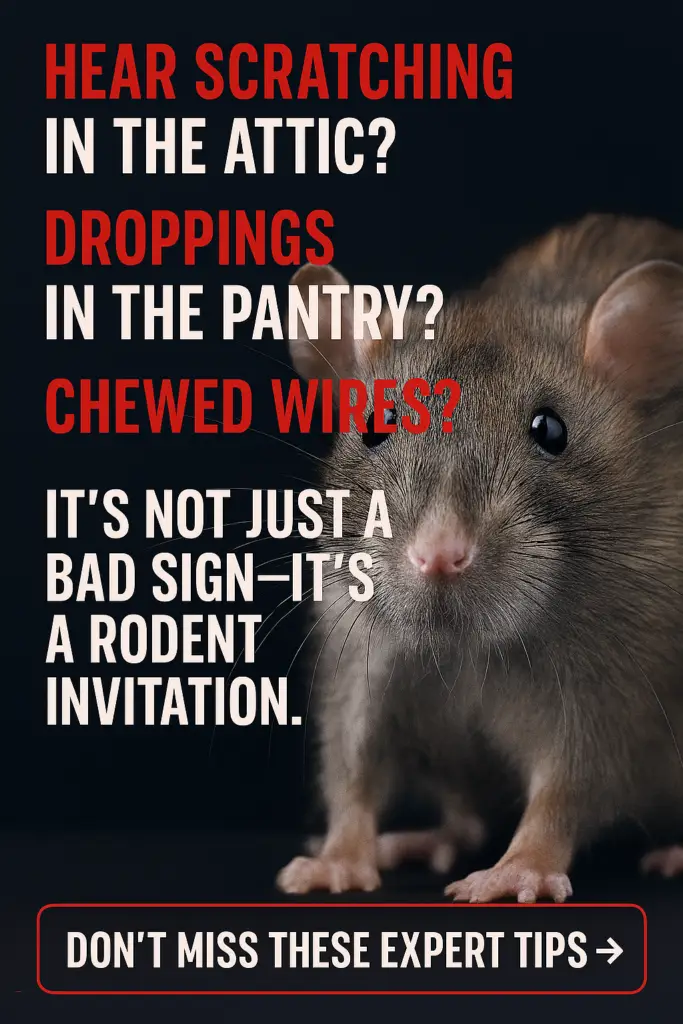
How to Make Your Home Uninviting to Rats and Mice Introduction If you’re spotting signs of rats or mice in your home—scratching noises in the attic, droppings in the pantry, or chewed wires—you’re not alone. Rodents are resourceful, and once they find a cozy spot with food and shelter, they tend to stick around. At FullScope Pest Control, we help homeowners not only remove rodents but also prevent them from returning. In this post, we’ll walk you through the most common rodent hotspots and what you can do to make your home less inviting. 🏠 Indoor Rodent Hotspots 1. Attics and Crawl Spaces Warm, quiet, and often undisturbed—these areas are prime nesting spots. Look for shredded insulation, droppings, or gnaw marks around beams and entry points. Prevention Tip: Seal gaps around roof vents, install metal mesh behind attic fans, and avoid storing open bags of pet food or seed. 2. Pantries and Kitchens Food access is a major draw. Rodents can squeeze into cabinets, behind appliances, and even through wall gaps to reach dry goods. Prevention Tip: Store all food in sealed containers and clean up crumbs and spills promptly. Regularly inspect under sinks and stoves for droppings or signs of chewing. 3. Garages and Utility Rooms These areas often have open boxes, clutter, and entry points near doors or pipes. Prevention Tip: Keep items off the floor, seal around utility lines, and use rodent-proof storage bins. 🌳 Outdoor Rodent Hotspots 4. Overgrown Vegetation & Wood Piles Rodents love hiding in dense bushes, tall grass, and stacks of firewood. Prevention Tip: Keep vegetation trimmed at least 2–3 feet from the foundation. Store firewood 20 feet from the house and at least 12 inches off the ground. 5. Unsealed Crawl Space Vents or Foundation Gaps Mice can squeeze through holes as small as a dime. Prevention Tip: Inspect and seal cracks around the home’s base, use hardware cloth over vents, and ensure doors and weather stripping fit tightly. 6. Pet Food Bowls and Bird Feeders Food left out—even outdoors—can invite rats and mice to linger nearby. Prevention Tip: Feed pets indoors when possible, and bring food bowls in at night. Use squirrel-proof bird feeders and clean up spilled seed regularly. Recommended Read: 5 Signs You Need Effective Rodent Control Right Now 🛠️ What to Do If You Suspect Rodent Activity If you’re seeing or hearing signs of rodents, it’s important to act quickly. Rodents reproduce rapidly and can cause serious damage to insulation, wiring, and even HVAC systems. At FullScope Pest Control, we offer: ✅ Final Thoughts Rodent control isn’t just about traps—it’s about making your home unwelcoming to pests in the first place. If you’re unsure where to start, let our team at FullScope help you build a custom prevention plan that works for your space. Contact us today for a free inspection or rodent consultation. 📞 832-898-0190 | 🌐 fullscopepestcontrol.pestcontrolseos.co/
Fungus Gnats: The Dirty Secret in Your House Plants
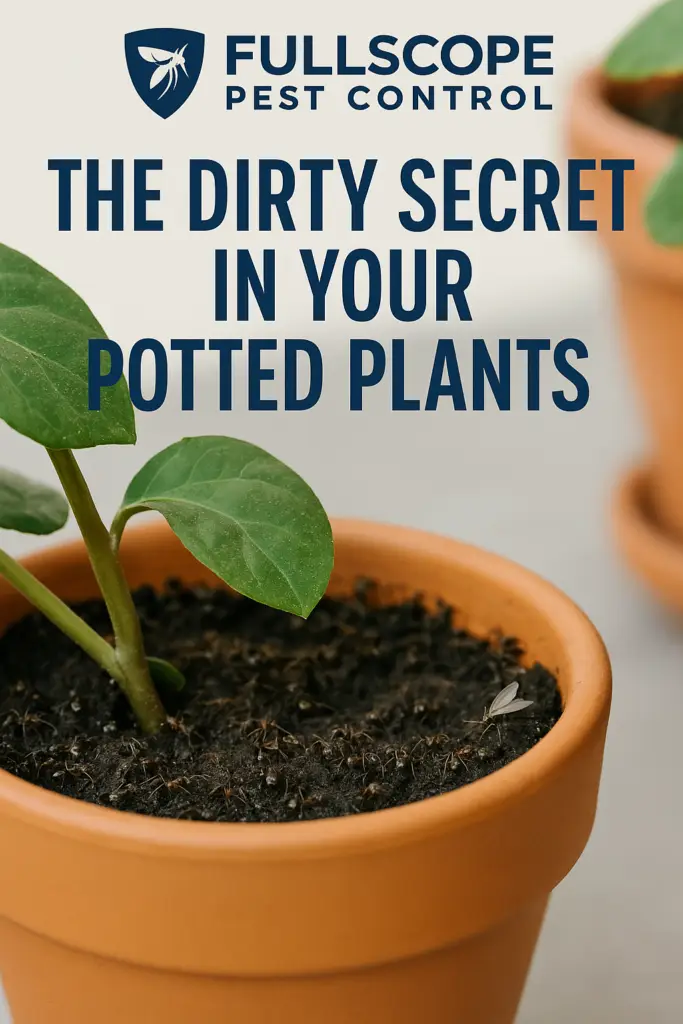
If you’ve noticed tiny black flies hovering around your houseplants, chances are you’ve stumbled upon one of the most annoying — and often overlooked — indoor pests: fungus gnats. While they may seem harmless at first glance, these soil-loving pests can quickly become a frustrating nuisance and a sign of deeper issues with your plant care routine. At FullScope Pest Control, we understand how important your home environment is — right down to your potted plants. Let’s dig into the dirty details behind fungus gnats and how to keep them out of your space. 🪰 What Are Fungus Gnats? Fungus gnats are small, dark-colored flying insects, typically about 1/8 inch long, that resemble tiny mosquitoes. They’re often mistaken for fruit flies but are actually members of a different family altogether. Unlike fruit flies, which are drawn to sugary food and drains, fungus gnats breed in moist soil, especially in houseplants. They’re more than just a flying annoyance — their larvae live in the top few inches of your potting mix, feeding on organic matter, roots, and fungi. In large numbers, they can damage root systems and stunt plant growth. 🌱 How Did They Get in My House? Fungus gnats usually find their way into your home through:– Overwatered indoor plants– Bags of potting soil containing organic material and moisture– Plants brought in from outside– New nursery plants already carrying larvae in the soil They thrive in environments where the soil stays damp, especially in pots that don’t drain properly or where organic matter is rich and decomposing. 🚨 Why They’re a Bigger Problem Than You Think While adult fungus gnats don’t bite or spread disease, their presence can still create real issues:– Constant buzzing around your face and home– Root damage in seedlings and delicate plants– Population explosions if conditions are ideal– They can spread plant diseases via their larvae and contaminated soil Recommended Read: Summer Pest Control Tips for Texas Homes ✅ How to Get Rid of Fungus Gnats At FullScope, we recommend a combination of prevention, treatment, and long-term care: 1. Let Soil Dry OutFungus gnat larvae need moist conditions to survive. Letting the top few inches of soil dry out between waterings is your first defense. 2. Bottom-Watering Your PlantsInstead of watering from the top (which encourages gnat breeding), use a saucer so plants absorb moisture from the bottom — keeping the surface drier. 3. Use Sticky TrapsYellow sticky traps are great for catching adult gnats and monitoring infestations. 4. Repot or Refresh SoilIf an infestation is heavy, consider removing the top layer of soil or repotting with a sterile, well-draining mix. 5. Call in the ProsSometimes DIY just doesn’t cut it. Our team at FullScope Pest Control offers safe, effective indoor pest solutions — including treatments that target gnats without harming your plants, pets, or people. Checked all your plants and still have an issue? Could they be coming from your kitchen or bathroom drains? These areas build up organic matter in the drains, so these areas can be another source of the problem. 🏠 FullScope’s Gnat-Free Guarantee If fungus gnats are driving you crazy, you’re not alone — and you don’t have to fight them on your own. Whether you’re a houseplant lover, apartment dweller, or run a commercial space full of greenery, FullScope Pest Control has the tools and expertise to help you take back your space. 📞 Call us today at (832) 346-7269🌐 Or request a free quote at fullscopepestcontrol.pestcontrolseos.co/
The Importance of Pest Control in Property Management
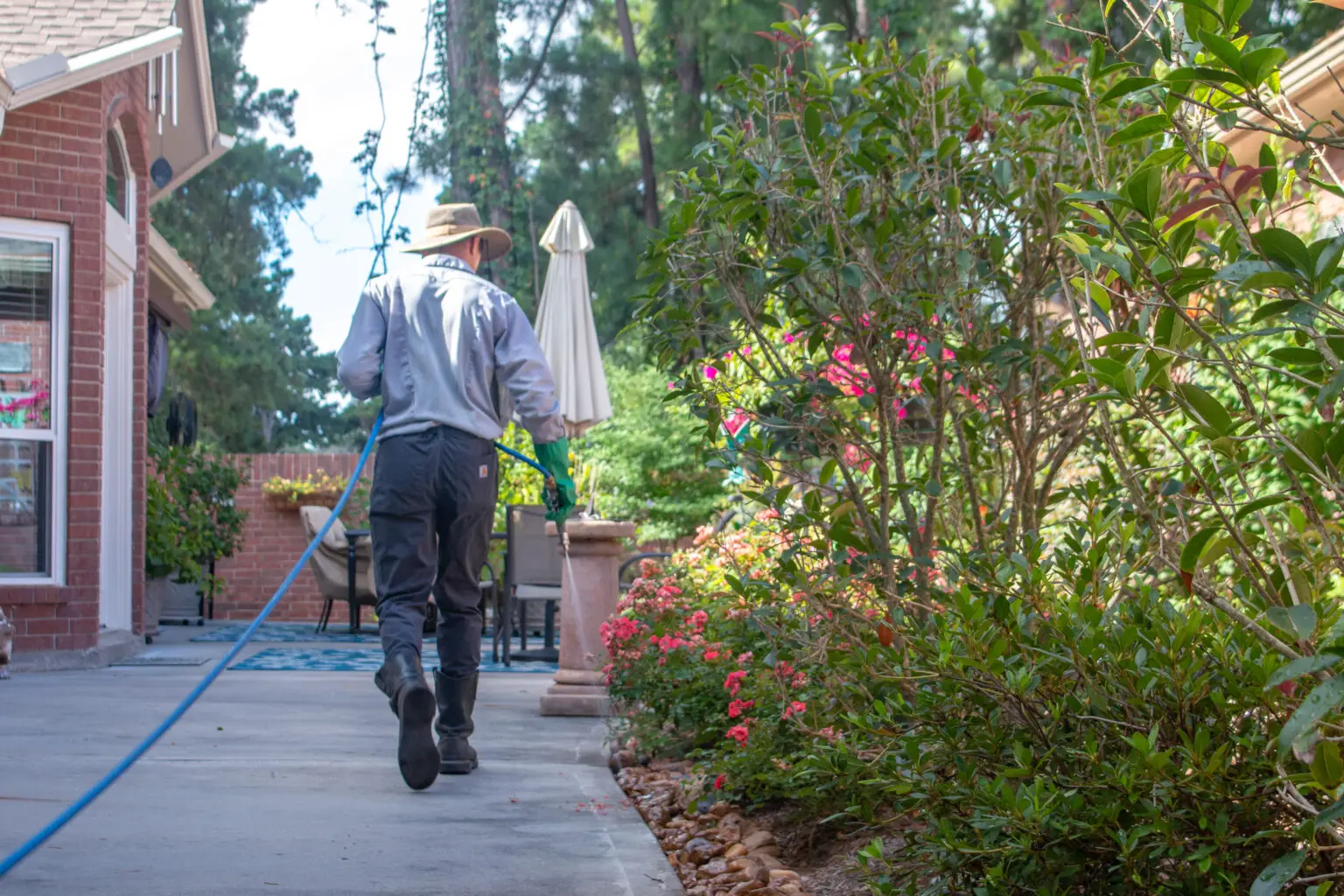
Managing residential or commercial properties requires more than just upkeep and tenant satisfaction; it also involves proactive protection from unwanted intruders. Pest control plays a critical role in safeguarding a property’s structure, reputation, and overall safety. Whether it’s termites compromising the foundation, ants invading kitchens, or mosquitoes breeding in standing water, property managers must stay ahead of potential infestations to prevent long-term issues. With ongoing tenant turnover, seasonal weather changes, and varying occupancy patterns, pests often find opportunities to thrive undetected. Left unmanaged, even minor infestations can spiral into expensive, health-threatening problems. Implementing a structured pest management program is not just a preventative measure; it’s a core responsibility of effective property stewardship. Why Property Managers Must Prioritize Pest Control Neglecting pest control in any type of property can quickly lead to reputational harm and financial losses. Tenants expect a clean, safe living or working environment, and visible pests break that trust immediately. Here’s why pest control is non-negotiable in property management: Properties that use scheduled treatment services enjoy smoother operations and better tenant retention. Common Pest Threats in Rental and Commercial Properties In managed properties, pest activity often goes unnoticed until the problem has escalated. Certain pests are especially common in rental homes, apartments, and commercial buildings, each with unique risks to health, safety, and structure. Each pest requires a targeted response, making consistent monitoring and professional intervention a wise long-term approach. Benefits of Scheduled Pest Maintenance Routine pest control programs offer more than just extermination; they focus on long-term prevention. For landlords and managers, investing in ongoing service is often more cost-effective than reacting to emergencies. Here’s what proactive maintenance typically includes: By reviewing these pest control plans, property managers can choose a schedule that fits their occupancy levels and seasonal concerns. How Pest Issues Can Affect Property Value Infestations don’t just inconvenience tenants, they threaten a property’s marketability. Termite damage, visible cockroach activity, or signs of rodents can reduce resale or rental value significantly. Worse, unaddressed issues may require large-scale remediation such as structural repairs, electrical rewiring, or health compliance fines. To protect an asset’s long-term value, pest management should be treated like HVAC or plumbing, a critical infrastructure requiring regular attention. Even the presence of insect droppings in a vacant unit can delay leasing and lower the impression during showings. A review of the benefits of regular pest control highlights how planned maintenance is a wise investment for long-term ROI. Professional Partnerships vs. DIY Attempts Some property managers may consider handling minor pest problems themselves or assigning the task to maintenance staff. While this might seem cost-effective in the short term, DIY methods rarely deliver lasting results. Most over-the-counter treatments only address visible pests, leaving colonies or nests untouched. Professional services offer: Ultimately, professional pest control provides peace of mind and demonstrates a commitment to quality for tenants and investors alike. Your Property Deserves Expert Protection Consistent, strategic pest control is one of the most valuable investments a property manager can make. Don’t wait for tenant complaints or structural damage to take action. To develop a comprehensive plan that safeguards your property and reputation, reach out to Fullscope Pest Control.
Identifying and Sealing Common Entry Points for Rodents
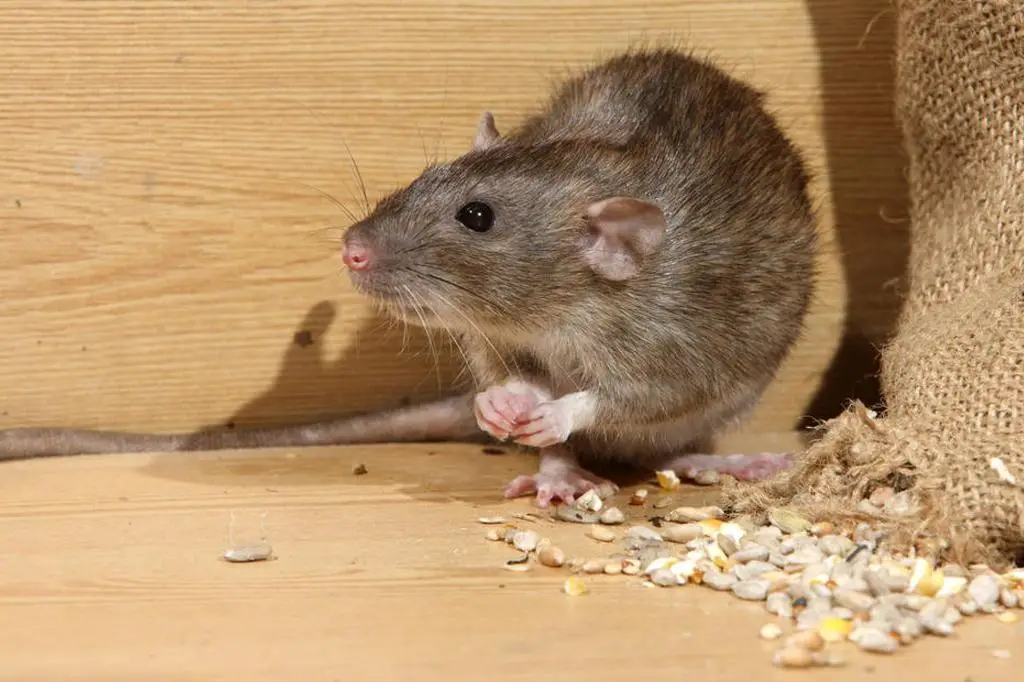
Rodents are resourceful creatures capable of squeezing through tiny openings to find warmth, food, and shelter indoors. In areas like Texas, where urban development continues to expand and disrupt natural habitats, sightings of mice and rats in homes and businesses have become increasingly common. Addressing rodent problems starts with understanding how they get inside in the first place. Identifying and sealing their entry points is a key strategy in long-term prevention and can significantly reduce the risk of infestation. This article explores where to look, what to seal, and how exclusion works as a foundational step in rodent control. How Rodents Find Their Way Inside Rodents possess remarkable agility and adaptability, allowing them to exploit even the smallest structural weaknesses in a building. Mice can enter through holes as small as a dime, and rats can compress their bodies to fit through openings the size of a quarter. They are also excellent climbers and jumpers, which means they’re not limited to ground-level access. These pests are often drawn by smells from food waste, pet food, or warm indoor air escaping through cracks and vents. Once inside, they can quickly establish nests and reproduce, making early intervention essential. As discussed in the context of urban development impact, habitat disruption frequently pushes rodents closer to human dwellings, increasing the importance of physical barriers. Most Common Entry Points to Check When conducting a rodent-proofing inspection, it’s important to think like a pest. Rodents are naturally curious and persistent, so they will test multiple spots around your property. Focus on areas that connect indoor and outdoor environments or where utility lines enter the home. Inspecting these areas thoroughly during daylight and again at dusk is a smart practice. Rodents tend to be more active at night, and you may spot signs of activity such as droppings, gnawed materials, or rub marks near openings. How to Properly Seal Entry Points Sealing entry points, also known as exclusion, is one of the most effective long-term solutions for preventing rodents. This process focuses on making the home as physically impenetrable as possible while maintaining necessary ventilation and utility functions. Materials should be chosen for durability and resistance to gnawing. Be cautious with soft materials like plastic or wood, as rodents can easily chew through these. Ensure all materials are rated for pest exclusion and installed securely. Why Sealing Is More Effective With Prevention Sealing alone can reduce entry, but pairing exclusion with ongoing prevention makes the strategy more effective. Reducing attractants is just as critical as blocking access. Rodents are less likely to test your home if there’s no incentive for them to do so. Even if you’ve sealed known points of entry, ongoing vigilance is important. Periodic reinspection ensures that new vulnerabilities aren’t being created over time. Know When It’s Time to Call a Professional While homeowners can manage basic sealing tasks, more complex rodent problems may require expert support. Rodents often nest in areas that are difficult to access, such as crawl spaces or attics, and a single missed opening can render exclusion efforts ineffective. In addition, tracking and trapping rodents inside the home often demands a strategic plan. If signs of rodent activity persist even after exclusion efforts, it may be time for a professional inspection. As emphasized in the article on why professional rodent control matters, trained technicians can identify hidden access points, apply commercial-grade sealing materials, and implement comprehensive treatment plans. The result is faster control, reduced property damage, and a much lower risk of recurrence. Seal the Problem at Its Source Rodents only need a small gap to cause big problems. By identifying and sealing common entry points, you can take control of your space before an infestation begins. Long-term success starts with physical barriers, regular maintenance, and the right professional insight.For expert rodent exclusion and year-round protection, contact Fullscope Pest Control and secure your home against unwanted invaders.
The Benefits of Regular Pest Control Maintenance Plans
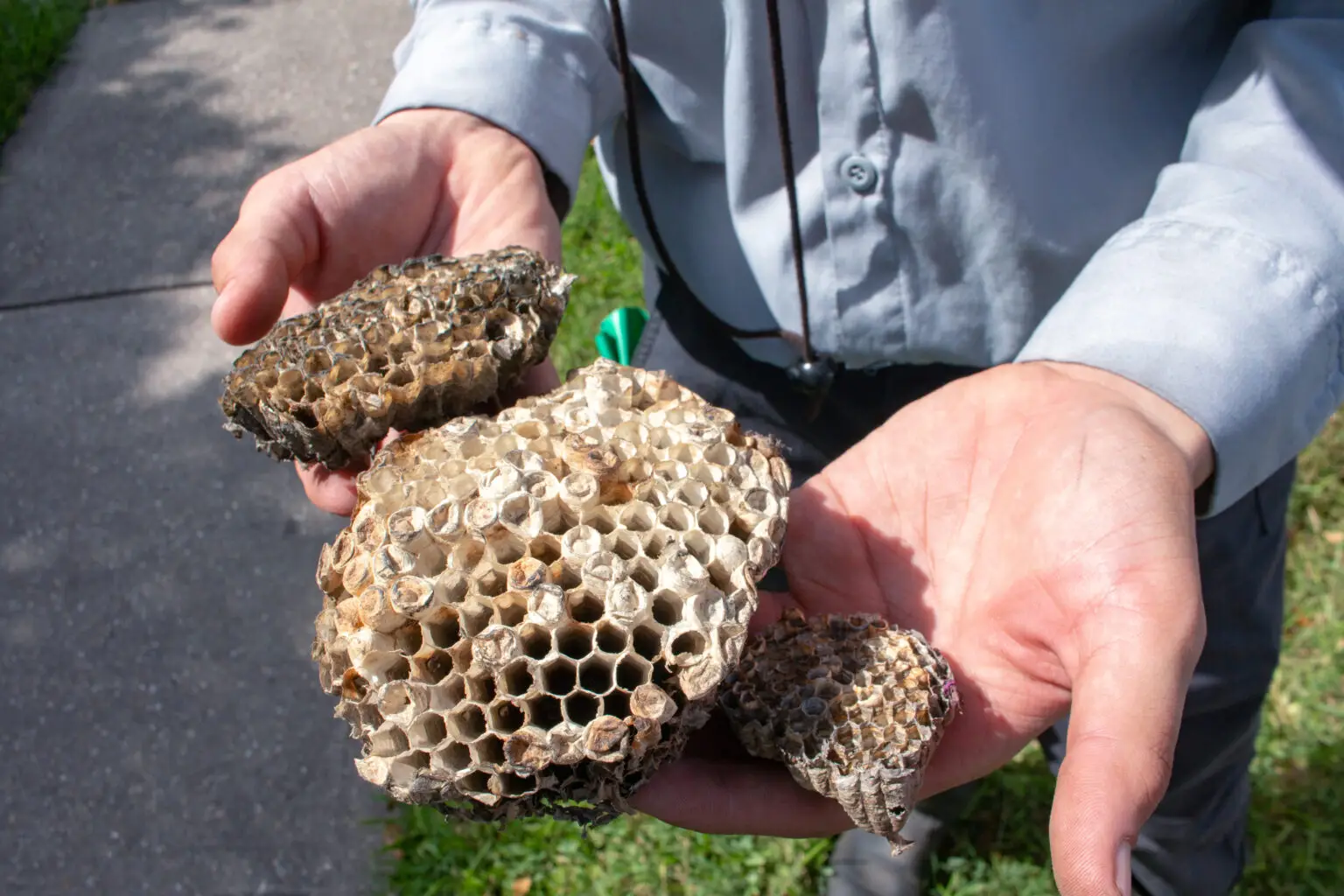
Pests are not just a seasonal nuisance. In Texas, where the warm climate invites year-round pest activity, keeping your property protected means staying ahead of infestations. While one-time treatments may offer temporary relief, a consistent pest control plan is a more effective way to achieve lasting results. Regular maintenance allows for prevention, early detection, and targeted intervention before pests become a widespread problem. In this article, we explore how structured pest control plans benefit homeowners and businesses alike. Ongoing Protection Against Multiple Pests Different pests become active at different times of the year. For example, mosquitoes may be more common during the summer, while rodents might seek shelter indoors in cooler months. A pest control plan ensures that protection evolves with seasonal changes and emerging threats. Common pests targeted through routine plans include: Instead of reacting to infestations after they happen, regular maintenance takes a proactive approach that stops pest issues before they escalate. As highlighted in essential summer pest control tips, timing treatments for the season helps maintain consistent protection when it’s needed most. Early Detection Saves Time and Cost One of the most overlooked benefits of a pest control plan is early detection. Pests like termites or rodents can go unnoticed for months, causing significant damage before any signs are visible. Regular service visits allow trained professionals to inspect your property for subtle changes, warning signs, or pest patterns that the average homeowner might miss. Detecting these problems early can prevent more costly repairs down the line. Routine inspections are also a valuable tool in maintaining clean, healthy environments, especially in kitchens, garages, and basements where pests often start. Customization for Your Property’s Needs A pest control plan is not one-size-fits-all. Each property has its own vulnerabilities based on its size, structure, usage, and surroundings. Whether you live near water, back up to wooded areas, or run a business with food storage, your pest control needs may differ from your neighbors’. With a customized plan, professionals tailor the strategy to fit the unique layout and risks associated with your property. This means: Customized protection makes the difference between short-term fixes and long-term peace of mind. For a deeper understanding of how this works, the pest control plans page outlines several plan types and benefits based on property needs. Reduced Risk of Reinfestation Pests are persistent. Without consistent barriers in place, infestations often return, especially if previous access points or attractants are still present. Regular maintenance plans provide continuity, ensuring your property is always being monitored and defended. This layered approach keeps defenses strong and prevents pests from re-establishing themselves over time. It also reduces the need for reactive emergency services, which can be more disruptive and expensive. Health and Safety Benefits A pest-free home isn’t just more comfortable, it’s also healthier. Cockroaches, rodents, and flies are known to carry bacteria that affect food and surfaces. Spider bites, wasp stings, or flea infestations can also pose risks, especially to children and pets. A well-managed pest control plan significantly lowers these risks. Professional treatments are applied safely and responsibly, with consideration for household members and the environment. When paired with good sanitation and household habits, this results in a safer and more hygienic space for everyone. Keeping pests at bay also reduces stress, minimizes the spread of allergens, and supports overall home wellness. Invest in Peace of Mind Year-Round Pest problems rarely disappear on their own. Instead of waiting for pests to invade, take a proactive approach that keeps your home or business protected all year.To learn how a tailored pest control plan can work for your specific needs, contact Fullscope Pest Control and take the first step toward dependable, long-lasting pest prevention.