 1500+ reviews

Evicting Unwanted Tenants: A Guide to Removing Squirrels from Your Kingwood Attic
Imagine the scenario: you’re enjoying a quiet evening at home when you start hearing strange scratching and scurrying sounds above your head. It doesn’t take long to realize that you have some unexpected, furry visitors in your attic. Squirrels, with their agile nature and persistent curiosity, can find their way into your home and set up residence in the cozy confines of your attic. While they may seem cute from afar, having squirrels in your attic can lead to a variety of problems, from damaged insulation to potential fire hazards. In this guide, we’ll explore effective and humane methods for removing squirrels from your attic and ensuring they don’t return. Identifying the Problem: The first step in dealing with a squirrel infestation is to confirm that these critters are the culprits. Common signs include scratching and running sounds in the attic, chewed wires or insulation, and the presence of nests or droppings, unsure you can call FullScope Pest Control to determine the issue. Once you’ve established that you have a squirrel problem, it’s time to take action. Humane Removal Methods: Inspect Your Home: Conduct a thorough inspection to identify entry points. Squirrels can fit through surprisingly small openings, so be diligent in your search for gaps and holes. Common entry points include vents, chimneys, roof pitches and gaps in the roof or siding. Seal Entry Points: Once identified, seal any potential entry points to prevent further access. Use materials such as wire mesh, steel wool, or caulk to close gaps. Ensure that all repairs are secure, as squirrels are persistent and can find their way back if given the chance. You will want to install an excluder door on the main entrance to allow the squirrel to leave. Install a One-Way Door: Consider installing a one-way door at the main entry point. These doors allow the squirrel to leave but prevent them from re-entering. Once you’re certain the attic is squirrel-free, seal the last entry point. Use Deterrents: Implement deterrents to encourage squirrels to leave voluntarily. Bright lights, loud noises, or the scent of predator urine can be effective in making your attic an inhospitable environment. Professional Assistance: One squirrel is one too many, and sealing all areas can be difficult and in some cases a little scary without the proper gear, seeking professional help is a wise choice. Pest control experts, such as FullScope Pest Control have the knowledge and experience to assess the extent of the infestation, safely remove squirrels, and implement preventive measures to avoid future issues. Preventing Future Infestations: After successfully evicting the squirrels, take steps to prevent future infestations: Trim Trees and Branches: Trim branches that provide easy access to your roof. Squirrels are adept climbers and jumpers, so minimizing access points can deter them. Regularly Inspect Your Home: Conduct regular inspections to identify and address potential entry points before they become a problem. Install Squirrel-Proofing Measures: Invest in squirrel-proofing measures such as chimney caps and vent covers to limit access points. FullScope will always provide a full exclusion on your home with a 12 month warranty on work. Conclusion: Dealing with a squirrel infestation in your attic requires patience, diligence, and a humane approach. By identifying and sealing entry points, implementing deterrents, and seeking professional assistance if needed, you can ensure the safe removal of these furry intruders. With preventive measures in place, you’ll be better equipped to keep your attic free from unwanted tenants in the future. Good to remember that if a squirrel fits in the opening, so can roof rats, so exclusion is always the best option. Call your local squirrel experts in Kingwood, Texas to help eliminate and prevent those rodent invasions.
Bed Bug-Free Home Maintenance and Recovery
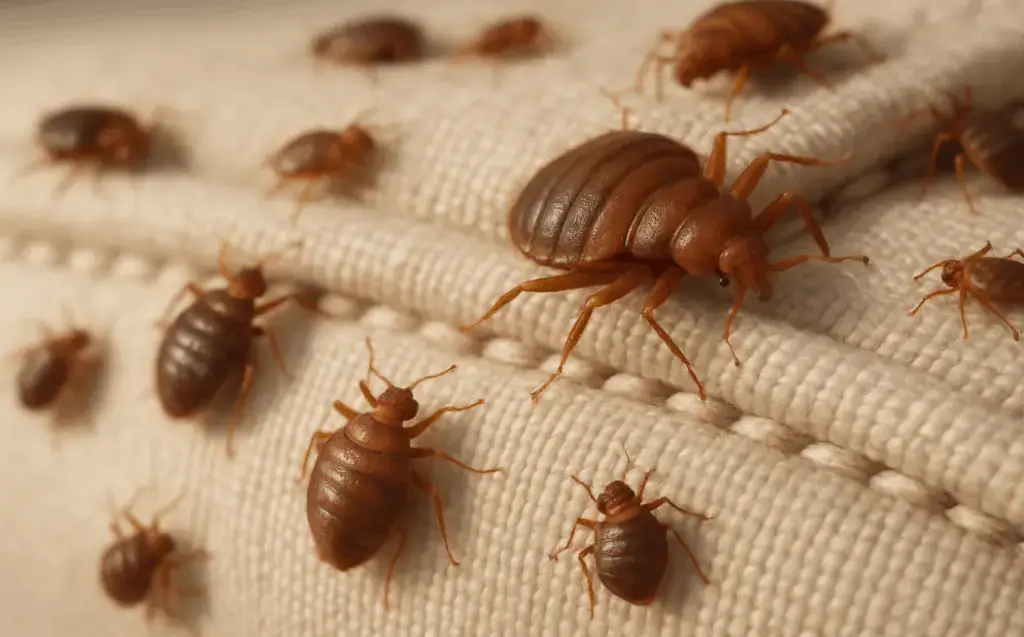
Are you sick of living with the constant horror of bed insect infestations in your home? Eliminating bed bugs is a struggle that no one likes to wage, yet it is one that many homes must face. These tiny blood-sucking parasites can transform your cozy sanctuary into a source of misery and sleepless nights. The good news is that you can keep your house bed bug-free and efficiently recover from infestations with the correct knowledge and actions. Maintaining a Bed Bug-Free Home Regular Inspection and Vigilance The most excellent strategy is always prevention. Inspect your home regularly for bed bug symptoms, such as minor reddish-brown bugs, tiny eggs, or dark fecal patches on your mattress or furniture. Early detection is critical for averting a full-fledged infestation. Declutter and Minimize Hiding Spots Bed bugs enjoy hiding in clutter. Maintain a clean, tidy, and clutter-free home environment. Cut down on their hiding spots to make it harder for bed bugs to camp in your home. Protective Covers for Mattresses and Furniture Purchase high-quality, bed bug-resistant mattresses and furniture covers. These covers keep bed bugs out of your stuff and make it easier to notice if they get in. Regular Cleaning and Laundering Wash and dry your bedding, curtains, and clothing on high heat regularly. Because bed bugs cannot resist high temperatures, this simple action can help avoid an outbreak. Recovering from Bed Bug Infestations Professional Inspection Do not attempt to handle a bed bug problem on your own. A professional pest control agency should perform a comprehensive inspection. They can precisely determine the degree of the infestation. Professional Treatment Once you spot a bed bug infestation, please bring a professional pest control company to remove them. They have the knowledge and tools necessary to eliminate these pests effectively. Regarding bed bugs, do-it-yourself methods frequently need to be revised. Follow-Up Inspections and Treatments Bed bugs can sometimes reappear even after professional treatment. To guarantee complete removal, schedule follow-up inspections and treatments as directed by your pest control professional. Prevention and Vigilance Continue to adopt preventive measures after effectively removing bed bugs. Inspect your home regularly for symptoms of reinfestation and take fast action if you find any. What Kills Bed Bugs Instantly In Bed? To quickly get rid of bed bugs on your bed, grab a bed bug spray or insecticide designed for this job. Directly spray bed bugs and their hiding places, such as mattress seams and crevices. It can immediately kill the bed bugs on the bed’s surface. Still, you may need to take other actions, such as cleaning linens and vacuuming the area, to eliminate the infestation. Conclusion In the fight against bed bugs, adopting preventative measures for maintenance and recovery is critical. Regular inspections, attentive cleaning, and preventive measures can all assist in keeping your house bed bug-free. When faced with an infestation, always seek professional assistance from experts such as Fullscope Pest Control to ensure a thorough and effective bed bug extermination. You can live in a calm and bug-free environment with the appropriate attitude. Don’t put up with bed bugs any longer—take action today for a better, bug-free tomorrow.
Choosing The Right Roach Control Service: Factors To Consider When Hiring Experts
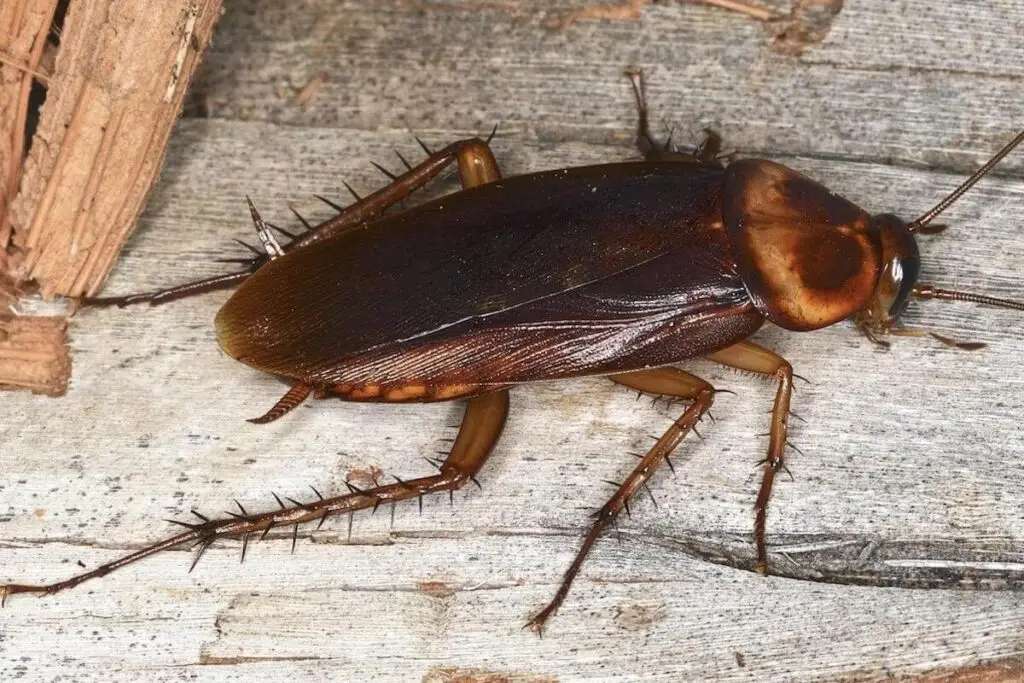
A roach infestation is a nightmare that no one wants to live through. These hardy and unattractive pests may wreak havoc in your house or office, threatening cleanliness and health. When the infestation becomes too much, it’s time to seek professional roach control services. This post discusses the critical aspects to consider when choosing experts to handle your roach infestation and restore your peace of mind. Expertise and Experience Experience counts when it comes to roach control. Search for companies that have a solid history of successfully handling roach infestations. Experienced professionals are likely to have dealt with various roach species and infestation levels, giving them the expertise and abilities to manage your situation effectively. Licensing and Certification Ensure the roach control service you select is qualified and certified to operate in your area. It establishes its reputation and compliance with industry norms. Licensed specialists are more likely to use safe and effective ways to eliminate roaches while causing the most minor damage to the environment and human health. Comprehensive Assessment A good roach control firm will evaluate your property thoroughly before offering a treatment strategy. Locating the roach species, analyzing the amount of the infestation, and finding potential entryways should all be part of this examination. We will use the assessment information to create an effective treatment strategy. Integrated Pest Management (IPM) Inquire whether the roach control service adheres to Integrated Pest Management (IPM) principles. IPM is an environmentally friendly technique that incorporates multiple methods to address the root causes of the infestation, such as chemical treatments, baits, traps, and cleanliness measures. IPM not only kills existing roach infestations but also prevents new infestations from occurring. Safe and Effective Treatments Inquire about the treatments and products used by the service. Please make sure that they prioritize safe and ecologically responsible alternatives. Ensure that pest control experts are up to date on the newest pest management advances and use treatments that are effective and safe for human beings and animals. Guarantees and Warranties Reputable roach control companies frequently provide assurances or warranties on their work. It gives you peace of mind, knowing that they stand behind the efficacy of their treatments. Make sure you grasp the terms and conditions of any warranties offered. Transparent Pricing Pricing must be transparent and open. The roach control company should provide you with a total estimate that includes the cost of the inspection, treatment, and any follow-up visits. Check for hidden expenses and request a breakdown of the prices. Reviews and References Examine the company’s reputation by reading internet reviews and requesting referrals from prior customers. It might provide helpful information on the quality of their services and customer happiness. Conclusion In your search for the best roach control service, critical analysis is essential. The business you hire should have competence, experience, and ethical procedures for roach eradication in your area. Consider teaming with Fullscope Pest Control, professionals dedicated to customer satisfaction and the well-being of your house or business, for a trusted and dependable solution. You may restore control of your home with us, assuring a roach-free atmosphere and peace of mind.
Pest Control for Fire Ants
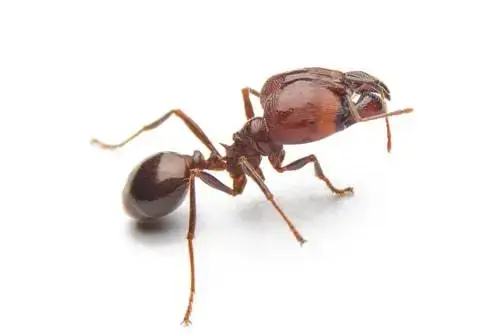
Imagine stepping out into your backyard on a sunny day, ready to enjoy some quality time outdoors, only to be greeted by a painful swarm of red ants. These are not just any ants; they are fire ants, known for their aggressive behavior and painful stings. Turning a peaceful afternoon into an ordeal, these pests make fire ant control a homeowner’s top priority. In this blog, we’ll delve into fire ants, their habits, and how to manage them effectively. What Are Fire Ants Fire ants are small but dangerous pests that can cause property damage and painful stings. To effectively manage them, it’s essential to understand their behavior, identification, and stinging ability. Identification The most common species in the United States is the red imported fire ant, measuring 1/8 to 1/4 inch long, with a reddish-brown to reddish-black color and a two-segmented waist. Behavior Fire ants live in colonies with thousands to hundreds of thousands of ants, building characteristic mounds in sunny areas like lawns. These mounds serve as entrances to their underground nests. Stinging Ability Fire ants aggressively defend their nests, delivering painful stings that can lead to itchy, pus-filled blisters for humans. Severe allergies may result in life-threatening reactions. Effective Pest Control Strategies Let’s explore some proven methods and strategies to control and eliminate fire ants effectively. Prevention is Key The best way to deal with fire ants is to prevent infestations in the first place. Regularly inspect your property for ant mounds and eliminate them when you spot them. Keep your lawn well-maintained and remove debris and food sources that might attract these pests. Chemical Treatments There are various chemical treatments available for fire ant control. These include baits, dust, and liquid insecticides. Baits destroy the queen and colony when worker ants carry them back to the nest. When utilizing chemical treatments, carefully follow the label directions and consider seeking expert assistance for heavy infestations. Natural Remedies Some homeowners prefer to use natural remedies to control fire ants. These can include pouring boiling water into the mound or spreading diatomaceous earth (a natural insecticide) around the nest. While these methods may be less harmful to the environment, they may not be as effective as chemical treatments. Biological Control In some cases, introducing natural predators of fire ants, such as certain species of phorid flies or nematodes, can help control their populations. However, this method may require careful consideration and expert guidance to avoid unintended consequences. Professional Pest Control For severe infestations or unsure about the best approach, it’s wise to consult a professional pest control service. They have the expertise, tools, and resources to effectively eliminate fire ants while minimizing risks to your family and the environment. Conclusion Dealing with fire ants can be a challenging task. Still, with the right knowledge and strategies, you can protect your home and family from these troublesome pests. If you find yourself facing a severe infestation or are unsure about the best course of action, don’t hesitate to reach out to Fullscope Pest Control. Our experienced professionals are here to provide expert assistance, ensuring your peace of mind and a pest-free environment. Don’t let fire ants ruin your outdoor enjoyment – contact Fullscope Pest Control today, and let us help you reclaim your backyard paradise.
Ethical Methods for Safely Removing Animals
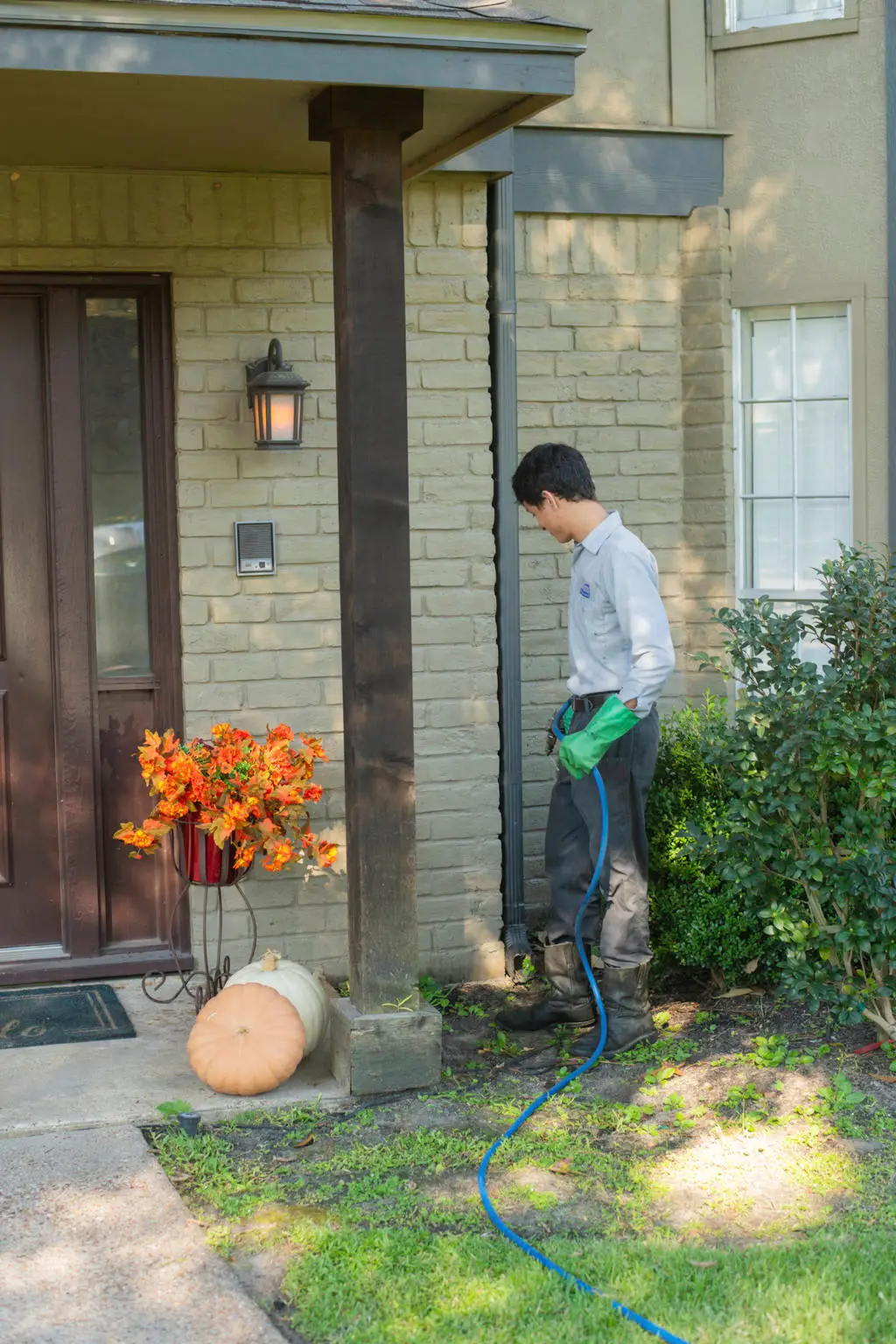
As our world grapples with habitat loss, climate change, and human-wildlife conflicts, the safe removal of animals has become increasingly important and challenging. Balancing wildlife conservation needs with ethical considerations and humane treatment is essential. This blog will explore ethical methods for professional wildlife removal from various situations while prioritizing their welfare and well-being. Habitat Relocation Habitat relocation is often used when animals find themselves in urban or populated areas where their presence poses a risk to humans and animals. This approach involves carefully capturing and transporting animals to a more suitable habitat. However, it’s essential to consider several ethical aspects: Thorough Assessment Before any removal is considered, conducting a thorough assessment is crucial to determine if relocation is necessary. Sometimes, altering the local environment to reduce conflict might be a better solution. Minimize Stress Animals can experience significant stress during capture and transportation. To minimize stress, we should make capture methods as non-invasive as possible and ensure that animals receive appropriate care during transit. Reintroduction When opting for relocation, it becomes imperative to guarantee that the animals are reintroduced into an appropriate habitat with minimal disturbance to their natural behaviors. Wildlife Rehabilitation Wildlife rehabilitation centers are crucial in caring for injured, orphaned, or distressed animals. Ethical considerations in wildlife rehabilitation include: Non-Interference Principle Wildlife rehabilitators adhere to a non-interference principle whenever possible, meaning they intervene only when necessary. For example, young animals found alone might not need rescue as their parents are often nearby. Skilled Care Professionals at rehabilitation centers must undergo training to provide proper care. This includes administering appropriate diets, offering medical attention, and implementing behavioral enrichment measures. Release into the Wild Wildlife rehabilitation aims to return animals to their natural habitat when they can live. Humane Trapping and Removal Using humane trapping methods is crucial when removing animals due to human-wildlife conflicts. Ethical considerations in trapping and removal include: Selective Trapping Traps should be selective to target specific problem animals while avoiding unintended captures of non-target species. Monitoring and Timely Release Regular monitoring is necessary for trapped animals to ensure their well-being, and they should be released promptly once the issue is resolved. Euthanasia as a Last Resort Consider euthanasia as a last resort, only after exhausting all other options and determining it to be the most humane choice for the animal. Public Education and Awareness Educating the public about coexisting with wildlife and ethical animal removal methods is vital. Communities can take proactive steps to prevent conflicts and minimize the need for removal by: Implementing Wildlife-Friendly Practices Encouraging practices like secure trash disposal, proper pet management, and habitat conservation can reduce the likelihood of conflicts. Promoting Tolerance Educating people about the importance of coexisting with wildlife and appreciating animals’ ecological roles can foster greater tolerance and understanding. Conclusion In a world where the delicate balance between humans and wildlife is more crucial than ever, ethical methods for safely removing animals are not just a necessity but a responsibility. At Fullscope Pest Control, we’ve made it our mission to lead the way in professional wildlife removal that prioritizes the welfare of animals and the well-being of our communities. Contact us today, and let’s work towards a better future for all.
Termite Inspections: Why They’re Crucial for Texas Homeowners
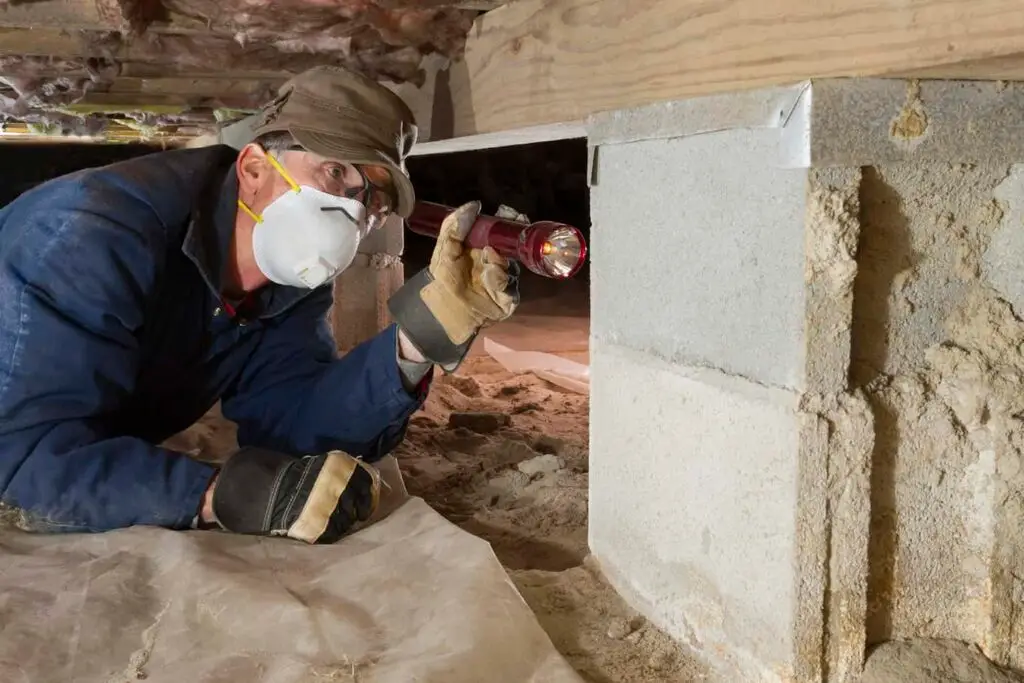
Your home is likely the most significant investment you’ll ever make. It’s not just a place to live; it’s a sanctuary for you and your family, a source of comfort, and essentially an extension of you. However, lurking beneath the surface, a silent and destructive force threatens the very foundation of your home – termites. In this article, we will delve into the critical reasons why termite inspections are essential for homeowners. Understanding the importance of termite inspections can safeguard your home, your finances, and your peace of mind. The Hidden Threat of Termites Termites are tiny, voracious insects that feast on the cellulose found in wood and other organic materials. Despite their size, they are a force to be reckoned with, causing billions of dollars in structural damage annually. The most frightening aspect of termites is their stealthy nature – they often operate behind the scenes, concealed within the walls and foundation of your home. By the time you notice their presence, significant damage may already be done. Early Detection and Prevention One of the primary reasons for termite inspections is early detection and prevention. Regular termite inspections by trained professionals can uncover the signs of termite activity long before you may see any visible damage. When detected early, termite infestations can be treated promptly, preventing extensive and costly repairs. Prevention is almost always more affordable and less invasive than treating a full-blown termite infestation. Must Read: SAFE AND ECO-FRIENDLY MOSQUITO CONTROL Protecting Your Investment Termite damage can have a devastating impact on your home’s value and your financial well-being. Potential homebuyers are likely to be deterred by a history of termite infestations, making it more challenging to sell your home at a desirable price. Protecting your investment means safeguarding its value by preventing and addressing termite issues promptly. Health and Safety Concerns Termite infestations can compromise the structural integrity of your home, leading to safety hazards. Weak or damaged structures can collapse, posing a significant risk to occupants. Furthermore, the presence of termites can result in mold growth, which can lead to respiratory issues and other health concerns for you and your family. Ensuring a safe and healthy living environment is another crucial aspect of termite inspections. Professional vs. DIY Inspections While some homeowners may consider do-it-yourself termite inspections, it’s essential to recognize the limitations of this approach. Professional termite inspectors are trained to spot subtle signs of termite activity that may go unnoticed by untrained eyes. They also have access to advanced equipment and treatment options that DIY solutions cannot match. Choosing a reputable pest control company to conduct regular inspections is a wise investment in your home’s protection. The frequency of termite inspections depends on various factors, including your geographical location and the history of termite infestations in your area. In Texas, it’s advisable to schedule inspections annually or bi-annually. Seasonal variations in termite activity may also impact the timing of inspections. Consulting with a professional pest control expert can help determine the most suitable inspection schedule for your home. You should also have a home inspected before committing to buy it – many lenders will require this of buyers. Protecting it from the silent menace of termites is not just a matter of maintenance – it’s an investment in your future. Termite inspections are the first line of defense against these destructive insects. By understanding the importance of regular inspections, you can ensure that your home remains a safe, healthy, and valuable asset for years to come. Don’t wait for termites to strike; take proactive steps and call the professionals at FullScope Pest Control today! Stuck with a termite problem? Despite all the preventive measures you can take, termites and other pests can just become overwhelming. Not to mention the fact that termites can cause dangerous (and VERY costly) damage to your home’s infrastructure. Calling a professional termite control service is always much more cost-effective and a timesaver in the long run if you feel you are overwhelmed with termites and/or other pests in your home or yard. Call our North Houston area (e.g., (primarily Cleveland, Kingwood, Atascosita, New Caney, Humble, Porter, Conroe, Splendora, and other communities in the North Houston area) FullScope termite and pest control experts today at 832-898-0190 for a consultation. Or email us at info@fullscopepestcontrol.com. We can quickly help you get your termite problems under control, as well as other expensive pest problems in your home, yard, or business. We use Sentricon Termite Baiting Stations as a long-term solution to help home and business owners like you get rid of their termite problems for good.
Safe and Eco-Friendly Mosquito Control

Mosquitoes aren’t just irritating; they can also make you sick by spreading diseases like malaria, dengue, Zika, and West Nile virus. Traditional mosquito control primarily relies on chemical pesticides, which not only harm the environment but can also affect human health. In this blog, we’ll explore the world of safe and eco-friendly mosquito control for your yard, offering practical solutions that let us reclaim our outdoor spaces without compromising the earth we call home. Why Regular Mosquito Control Is a Problem for the Planet The typical way to deal with mosquitoes involves using chemicals like pyrethroids and organophosphates. While these chemicals kill mosquitoes, they can also harm our environment in several ways: Hurting Beneficial Bugs Chemical pesticides can harm helpful insects like bees, butterflies, and dragonflies, disrupting the balance of Nature and making it harder for plants to pollinate. Water Woes Pesticides can seep into water sources, polluting the water and putting fish, amphibians, and other aquatic creatures at risk. Mosquito Resistance Using too many chemical pesticides can make mosquitoes develop resistance over time, making them more challenging to control. Must Read:TERMITE INVASION: WHY DIY SOLUTIONS FALL SHORT Safer and Greener Ways to Keep Mosquitoes at Bay Thankfully, there are many safe and eco-friendly alternatives to traditional mosquito control: Natural Predators Think of this as bringing in the mosquito’s worst enemies. For example, introducing mosquito-eating fish or using bacteria like BTI can help control mosquito larvae in standing water. Plants That Repel Mosquitoes Planting mosquito-repelling plants like citronella, lavender, and marigold can steer mosquitoes clear. These plants release scents that mosquitoes dislike. Mosquito Nets Put up mosquito nets around your bed or windows to physically block mosquitoes from getting in while you sleep. Mosquito Traps Various mosquito traps use harmless lures like carbon dioxide and warmth to attract mosquitoes and trap them without chemical pesticides. Natural Repellents Natural mosquito repellents with ingredients like lemon eucalyptus oil, neem oil, or essential oils like lavender and peppermint can help keep mosquitoes away. The Good Things About Safe and Eco-Friendly Mosquito Control Helps Nature These methods won’t harm other insects or water sources, preserving the balance of Nature and biodiversity. Healthy for People Eco-friendly mosquito control methods won’t pose any health risks to humans, including kids and pets who might be near the treated areas. Sustainable Methods like biological control can keep mosquitoes in check without needing constant intervention, which is excellent for the long term. Effective Over Time Unlike chemical pesticides that mosquitoes can become resistant to, eco-friendly methods often keep working for a long time. Conclusion Opting for safe and eco-friendly mosquito control methods is a wise choice to protect your family from mosquito-borne diseases while preserving the environment. These eco-conscious approaches can significantly impact whether planting mosquito-repelling plants, using natural repellents or relying on natural predators. At Fullscope Pest Control, we specialize in eco-friendly pest solutions that prioritize your family’s well-being and the planet’s health, ensuring effective mosquito control without compromising safety or sustainability. This mosquito season, join forces with us for a greener approach to battling these pesky insects, and together, we can create a healthier and more environmentally friendly living space for all.
Termite Invasion: Why DIY Solutions Fall Short
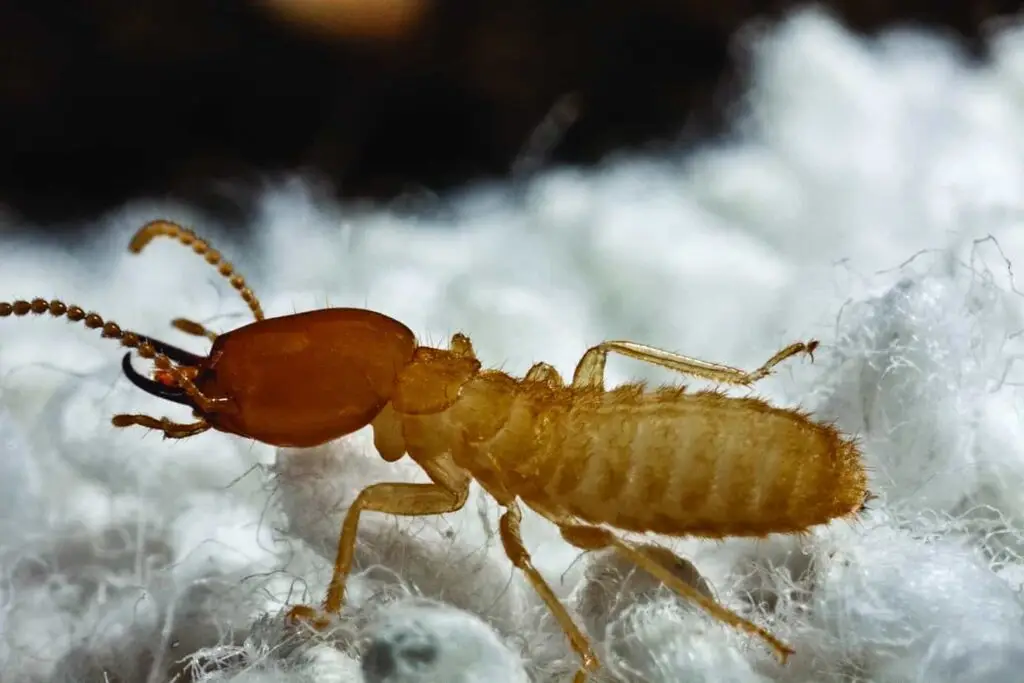
Is DIY termite control a good idea? There are any number of self-administered DIY termite control methods online, like YouTube, for starters, But how viable are they? In reality, the majority of DIY termite control measures offer only a temporary solution. DIY pest control strategies typically center on eradicating pests in your immediate surroundings, without taking the source (the nest/colony) into account.. You need to not just treat for visible termites (or roaches, or ants, etc.) – you need to eradicate termites where they hide out most: their colonies. Sure, there are plenty of preventive steps you can put into place to help prevent them, but once you’ve got a termite infestation on your hands, you’re looking at potentially high-dollar damage to your home’s infrastructure. You might save some money in the short run employing DIY strategies yourself, but end up with a longer term problem. Let’s walk through some of the main reasons why DIY termite control is not recommended. There’s No One-Size-Fits-All Solution for DIY Termite Control It’s a jungle out there in the pest control aisle! But you won’t find a catchall termite solution on the store shelves. Every pest, even those that belong to the same species, dances to its own tune when it comes to treatments. Those off-the-rack, one-size-fits-all products often rely on harsh chemicals that do more harm than good, and they’re a risky business if you have children and/or pets. Surface and “Spot” Treatments Are Only Short-Term Solutions When it comes to DIY termite control, the focus often hovers on superficial solutions that barely scratch the surface of termite problems. This approach might provide some short-lived relief, but think of simply applying a Band-Aid to a serious wound. Surface-level pest control can handle the critters you can see, but it won’t stop the unseen invaders in the termite colony from attacking your home. DIY Termite Control Is Only a Short-Term Solution No matter how good a DIY termite control solution may seem, it will typically only offer short-term relief. Finding the termite nest can prove difficult for amateurs, and once you find it, how will you get rid of it for good? Plus, once the termites are gone, can they come back? They absolutely can, and they do. You’ll want a professional to handle getting rid of the colony effectively, and strategically setting effective termite bait stations. Why Professional Termite Control is Your Best Bet When you enlist the services of a professional termite control team, you’re not just getting personal peace of mind, you’re also ensuring the safety of your loved ones. What’s more, you’re in for a treatment plan that’s 100% customized, utilizing cutting-edge industry tools, state-of-the-art technology, and decades of experience and know-how. And the best part is, you’re investing in a long-term solution that will last. Must Read: WHAT ARE THE DIFFERENT TYPES OF TERMITE COLONIES? How Often Should I Have My Home Inspected for Termites? Termites are a continuous threat all throughout the year, which means that proactive action is always best when it comes to protecting your home. It’s not a bad idea to have your home carefully inspected by professionals at least once annually. For most parts of the country, spring is usually the best time for termite inspections. Of course, ANYTIME you notice signs of possible termite activity, you should have your home inspected before a small problem becomes a big, expensive one. Despite all the preventive measures you can take, termites and other pests can just become overwhelming. Not to mention the fact that, termites can cause dangerous (and VERY costly) damage to your home’s infrastructure. Calling a professional termite control service is always much more cost-effective and a timesaver in the long run if you feel you are overwhelmed with termites and/or other pests in your home or yard. Deter expensive damage by getting a handle on things early on. Call our North Houston area (e.g., (primarily Cleveland, Kingwood, Atascosita, New Caney, Humble, Porter, Conroe, Splendora, and other communities in the North Houston area) FullScope termite and pest control experts today at 832-898-0190 for a consultation. Or email us at info@fullscopepestcontrol.com. We can quickly help you get your termite problems under control, as well as other expensive pest problems in your home, yard, or business. We use Sentricon Termite Baiting Stations as a long-term solution to help home and business owners like you get rid of their termite problems fast.
What Are The Different Types of Termite Colonies?

Termites, often referred to as “silent destroyers,” are notorious for their ability to wreak havoc on wooden structures. Termites are not just annoying pests; they are complex creatures with a wide range of behaviors and characteristics. And they can be very dangerous to your home. To truly understand these relentless pests, we need to take a closer look at the intricate world of termite colonies. Starting with Subterranean termites and Drywood termites (the most common in the Houston area of Texas), let’s find out more about some of the behaviors and habits of some of the most common termites in the United States. Types of Termite Colonies I. Subterranean Termite Colonies Subterranean termites are among the most common termite species, with colonies that thrive underground. These colonies possess a sophisticated caste system, including workers, soldiers, and reproductives. They are known for their relentless foraging behavior, seeking cellulose-rich food sources, and constructing mud tubes for protection. Subterranean termite colonies rely on the continuous production of reproductives to expand their ranks. II. Drywood Termite Colonies Drywood termites are the architects of their destruction, residing within the very wood they consume. Unlike subterranean termites, they don’t require soil contact and build their colonies inside wooden structures. They have fewer caste divisions but display fascinating behaviors like “swarming” when reproductives take flight to establish new colonies. Drywood termite colonies are smaller but equally destructive. III. Formosan Termite Colonies Formosan termites are a highly invasive species known for their aggressive behavior. Their colonies can be enormous, housing millions of termites. These termites build massive nests both above and below ground, forming an intricate network. Their feeding habits include devouring not only wood but also paper and fabric, making them especially destructive. The reproductives of Formosan termites are responsible for establishing new colonies during swarmings. IV. Dampwood Termite Colonies Dampwood termites prefer moist wood, which often leads them to infest decaying trees or damp structural timbers. Their colonies are smaller in comparison to subterranean termites, and they have relatively simple caste systems. Dampwood termites play a crucial role in breaking down dead wood in forests, contributing to ecological balance. Must Read:TERMITE-RESISTANT BUILDING MATERIALS: INVESTING IN YOUR HOME’S FUTURE The Life of a Termite Colony Termite colonies undergo a remarkable life cycle that includes stages of growth and development. Factors such as environmental conditions and available resources influence colony size. Reproductives play a vital role in perpetuating the colony, often participating in swarming events to establish new colonies. Why Not Do-It-Yourself (DIY) Termite Control? Termites can cause very expensive damage to your home’s infrastructure. Though DIY termite treatments might seem appealing because of the idea that they might save you money, when it comes to termites, you will likely want to hire a professional termite control company and get the best recommendation for treatment strategy from them. There are several reasons why you don’t want to risk taking a chance with DIY termite control, one of the main ones being the fact that DIY solutions are for the short-term, at best. How Often Should You Inspect Your Home for Termites? A good rule of thumb for homeowners is to have their homes inspected for termites at least annually. Before buying a new home, you should also have it thoroughly inspected for termites by a professional termite control expert (many lenders require this before you can get approval for your loan). Stuck with a termite problem? Despite all the preventive measures you can take, termites and other pests can just become overwhelming. Not to mention the fact that termites can cause dangerous (and VERY costly) damage to your home’s infrastructure. Calling a professional termite control service is always much more cost-effective and a timesaver in the long run if you feel you are overwhelmed with termites and/or other pests in your home or yard. Call our North Houston area (e.g., (primarily Cleveland, Kingwood, Atascosita, New Caney, Humble, Porter, Conroe, Splendora, and other communities in the North Houston area) FullScope termite and pest control experts today at 832-898-0190 for a consultation. Or email us at info@fullscopepestcontrol.com. We can quickly help you get your termite problems under control, as well as other expensive pest problems in your home, yard, or business. We use Sentricon Termite Baiting Stations as a long-term solution to help home and business owners like you get rid of their termite problems fast.
Termite-Resistant Building Materials: Investing in Your Home’s Future
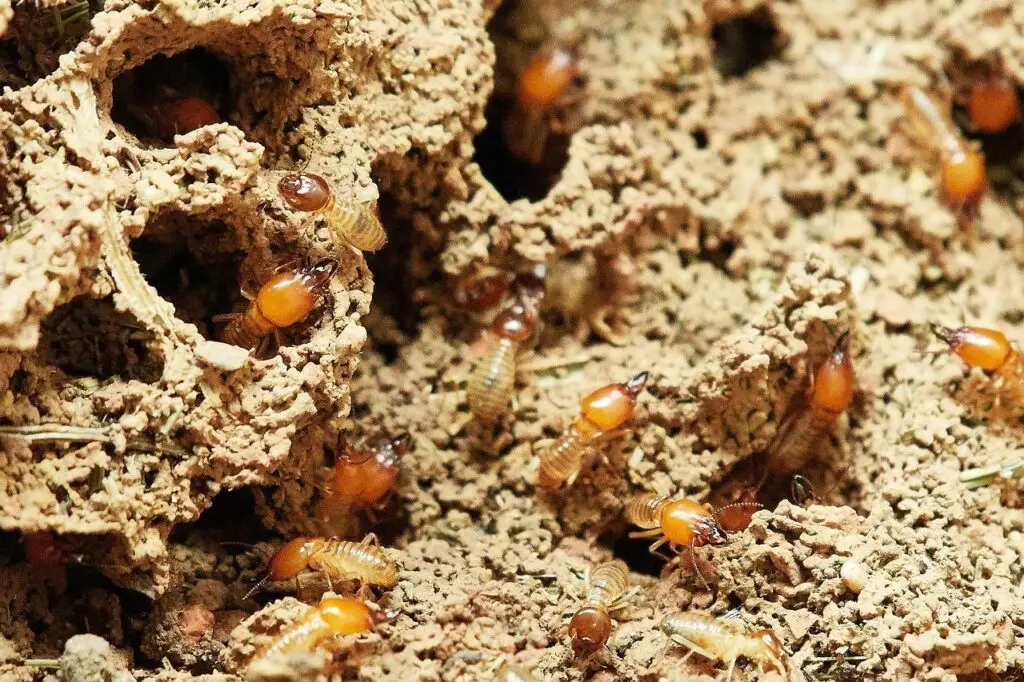
Termites are a homeowner’s nightmare. These silent invaders can wreak havoc on your property, causing extensive structural damage and hefty repair bills. Thankfully, there’s a proactive solution: building with termite-resistant materials. In this article, we’ll explore the advantages of using such materials, offering you both financial security and peace of mind. Understanding Termite-Resistant Materials Before diving into the benefits, let’s talk about what termite-resistant materials are. These are construction components specifically designed to deter termite infestations. They can be broadly categorized into two types: those that 1) employ chemicals and those that 2) utilize physical barriers. Examples of Termite-Resistant Materials Several materials are renowned for their termite resistance, such as treated lumber, concrete, and steel. Their effectiveness varies depending on your geographical location, as different climates present different termite challenges. Consulting with a local expert can help you choose the best-suited materials for your area if you’re building or remodeling and want to do all you can to keep your home termite-free. Must Read:DOES BAKING SODA GET RID OF BED BUGS? Benefits of Using Termite-Resistant Materials Enhanced Durability Termite-resistant materials boast exceptional longevity. They can withstand termite attacks for years, reducing the risk of structural damage. As a result, you’ll save on maintenance and repair costs over time. For instance, pressure-treated lumber or concrete can provide the durability needed to protect your investment. Cost Savings Building with termite-resistant materials is an investment that pays off. You’ll enjoy substantial long-term savings as the need for chemical treatments and pest control services decreases. These materials help you avoid the costly repairs that often follow termite infestations, ensuring your finances remain intact. Peace of Mind Home ownership can be stressful, especially when it comes to termite threats. Termite-resistant materials offer peace of mind. You’ll rest easy, knowing your home is fortified against these relentless pests. The confidence that your property is secure is invaluable for homeowners. Environmental Benefits Opting for termite-resistant materials has eco-friendly implications. It reduces the need for chemical pesticides, contributing positively to the environment. Sustainable and green construction practices are gaining traction, and using termite-resistant materials aligns with this eco-conscious trend. Increased Property Value A termite-resistant home is an attractive proposition for buyers. These properties are less likely to suffer termite damage, making them more valuable on the real estate market. In regions prone to termite infestations, the increased property value can be particularly significant. Reduced Pesticide Exposure Building with termite-resistant materials minimizes the reliance on chemical pesticides inside your home. This translates into a healthier living environment for you and your family. It’s part of the growing trend towards eco-friendly and health-conscious homes. The benefits of building with termite-resistant materials extend far beyond mere protection from these destructive pests. When constructing or renovating your home, consider these materials as a valuable investment in the long-term security and well-being of your property. Stuck with a termite problem? Despite all the preventive measures you can take, termites and other pests can just become overwhelming. Not to mention the fact that termites can cause dangerous (and VERY costly) damage to your home’s infrastructure. Calling a professional termite control service is always much more cost-effective and a timesaver in the long run if you feel you are overwhelmed with termites and/or other pests in your home or yard. Call our North Houston area (e.g., (primarily Cleveland, Kingwood, Atascosita, New Caney, Humble, Porter, Conroe, Splendora, and other communities in the North Houston area) FullScope termite and pest control experts today at 832-898-0190 for a consultation. Or email us at info@fullscopepestcontrol.com. We can quickly help you get your termite problems under control, as well as other expensive pest problems in your home, yard, or business. We use Sentricon Termite Baiting Stations as a long-term solution to help home and business owners like you get rid of their termite problems for good.