 1500+ reviews

Top Services for Pest and Rodent Control Near Me
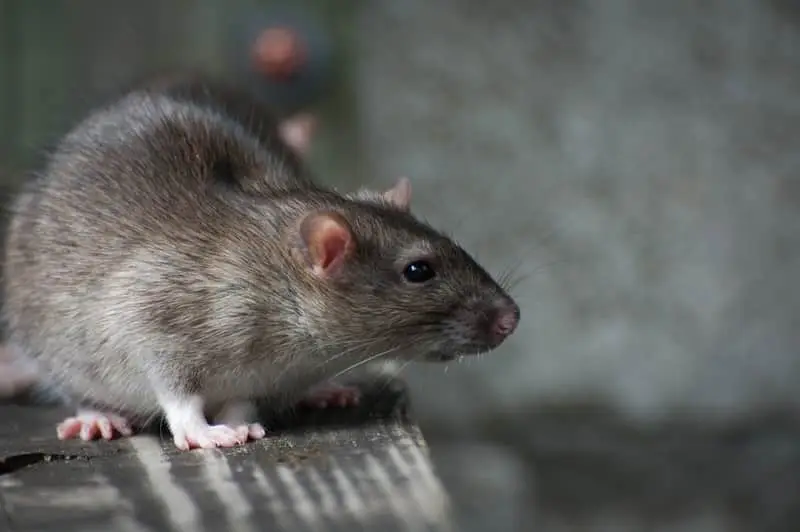
Key Highlights Introduction Are pests or rodents bothering you in your Houston home? Don’t let these unwanted guests make themselves at home! Our skilled team of exterminators knows how to handle both pest control and rodent control. We use safe and effective methods to help you feel peaceful again. Our services cover many types of pests, including annoying ants and roaches, as well as rodents like mice and rats. We are your local experts in Houston for pest control. Top Local Pest & Rodent Removal Services in Houston, TX Protecting your Houston home from pests and rodents is a continuous job. Our team wants to be your trusted partner in this effort. DIY methods usually give only short-term fixes. We provide complete solutions made for your home and Houston’s unique climate challenges. We use advanced extermination techniques and proven strategies, including different methods of pest removal. These methods can remove current infestations and protect your home from future ones. Whether you are facing a current infestation or want to prevent one, we have the know-how to keep your home and family safe. 1. Comprehensive Home Inspection for Pest and Rodent Infestation effective pest control starts with knowing the situation well. Our certified technicians first do a complete inspection of your home. They check every corner for signs of infestation. This thorough screening process includes finding possible entry points like cracks in the foundation, gaps around plumbing, and openings around vents. We pay special attention to places where pests, including termites, and rodents often hide, like attics, basements, and crawl spaces. During the inspection, we search for droppings, gnaw marks, and other signs. This helps us figure out what type of pests are there, how bad the infestation is, and the best treatment methods. This careful approach lets us create a plan that fits the specific needs of your home. 2. Eco-Friendly Extermination Techniques for Safe Pest Control We are focused on giving you safe pest control solutions that worry about your family and the earth. We want to be the best pest control service, so we try to use eco-friendly methods for getting rid of pests. This means we avoid using strong chemicals and instead choose safer treatment options for the environment. We use Integrated Pest Management (IPM) methods. We believe in treating pests with long-term prevention and targeted ways, not just with pesticides. Our eco-friendly way keeps your family and pets safe while also helping the planet. 3. Advanced Rodent Management Solutions for Houston Homes Rodents like mice and rats can be a big risk to your health and your home. They breed quickly and can cause extensive damage to the inside of your house. They might chew on wiring, insulation, and even important parts of the building. Because of this, we use the most advanced technology and methods for rodent control. Our aim is to eliminate these unwanted pests and give you peace of mind. Our trained technicians will find where rodents can get in, set traps carefully, and create ways to stop them from coming back. We want to take care of current rodent problems and make sure they do not return. 4. Seasonal Pest Control Services to Prevent Infestation Houston has hot and damp weather, unlike a dry climate. This is perfect for many pests to live all year long. Instead of just dealing with pests when they show up, we think stopping them before they come is the best way to manage them. Our seasonal pest control services focus on the common pests in Houston during their busiest times. This helps break their breeding cycles and keeps them from settling in your home. We provide service plans that fit the needs of your property. We consider the environment around your home, how old it is, and any past pest issues. 5. Emergency Rodent Removal Services for Immediate Relief Finding rodents in your home can be upsetting. Some situations need quick action. We know this and offer emergency rodent removal services in Houston. Our fast response team can manage tough rodent issues. We provide quick and effective pest removal. Our goal is to help you get your peace of mind back. We will act fast to trap and remove the rodents. We will also find and seal entry points. Plus, we will clean the affected areas to remove health risks. Why Trust Our Pest Control Experts in Houston Choosing the right pest control company is important for good and lasting results. There are many options, so it’s key to know what makes us different. We are a trusted choice for homeowners in Houston. We don’t just offer a quick fix. We focus on giving great service, expert knowledge, and we truly care about customer satisfaction. We go the extra mile to meet your needs. Extensive Training and Certification in Pest Management Our team of certified pest control experts gets a lot of training. This helps them keep up with changes in pest management. They know how to spot and solve many pest problems. They use both old methods and new technology. We make sure each team member learns the newest pest control methods, safety rules, and eco-friendly practices. Our technicians also join ongoing training programs. This helps them stay updated on new advances in the industry. We want them to give you the best quality service. Proven Track Record of Successful Exterminations in Texas We are very proud of our successful pest control and extermination services in Texas. Many homeowners trust us to keep their homes free from pests, and they appreciate our thorough explanation of the services we provide. You don’t have to just believe what we say; you can read the testimonials from our happy customers. Our success comes from using the best treatments, giving great customer service, and having fair prices. We know we can provide you with excellent results. That’s why we back our services with a satisfaction guarantee. Customized Pest Control Plans Tailored to Houston’s Climate No two homes are
Professional Rodent Removal Services Near Me
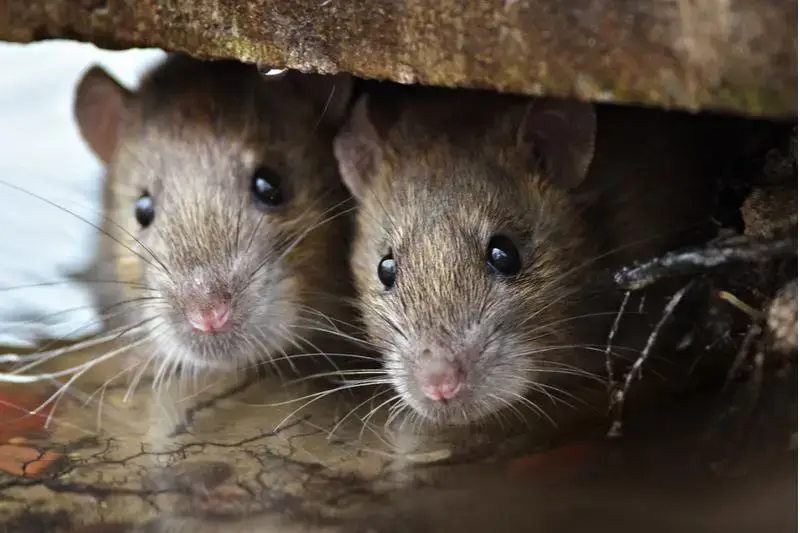
Key Highlights Expert technicians utilize trapping, exclusion, and prevention strategies for long-term rodent control. Introduction Dealing with a rat problem in your home can bring a lot of stress. These pests can harm your house and carry diseases. That’s why getting help from people who do pest control, rodent control, and wildlife removal is very important for keeping your home in Houston safe. This simple guide gives you all the details about removing rats professionally. It helps you keep your home free of pests. Understanding Rodent Infestations in Houston, TX Houston has a warm climate, different types of landscapes, and plenty of food sources. This setting is great for many rodent species, which leads to infestations for homeowners. These clever animals can fit through small openings and get into attics, crawl spaces, walls, and other hidden spots in your home. When rodents get inside, they can breed fast. A small problem can quickly turn into a major infestation. It’s important to know the signs of rodent activity and to get professional help. This is key for good rodent control in Houston. Common Types of Rodents in Texas Homes Among the nuisance animals you might see in Texas, the most common pests in homes are roof rats, norway rats, house mice, and squirrels. Each of these rodents has different habits and characteristics. They can get into various parts of your house. Wildlife control services often find roof rats living in attics and upper levels of homes. Norway rats like to nest in basements, burrows, and lower levels. House mice are very adaptable and can make nests in many places around your home. Squirrels are known for being quick and often get into attics and other high places. To remove wildlife from your home, the first thing to do is identify which type of rodent is causing the problem. Signs of a Rodent Infestation You Can’t Ignore Rodent activity can leave clear signs. If you spot these early, you can avoid a bigger problem. Look out for droppings, especially mouse droppings. They are small and look like dark grains of rice. You usually find them near food sources, in drawers, cupboards, and along where rodents travel. Gnaw marks also show rodents are around. Their teeth keep growing, so they need to gnaw on things like wood, plastic, and even electrical wiring. If you see these marks on furniture or wires, that’s a warning sign. Also, listen for strange noises, especially at night. The longer rodents stay, the greater the risk of exposure to diseases and damge to electrical or plumbing. Act fast if you see these signs. Professional Rodent Inspection and Identification Don’t wait for rodent problems to get worse. It’s best to get professional help for rodent inspection and identification. Skilled pest control technicians can find where rodents enter, spot nesting areas, and check how big the infestation is. They know the small signs of rodents that homeowners sometimes overlook. A detailed inspection helps create a good plan for rodent control in your Houston home. Recommended Read: 5 Signs You Need Effective Rodent Control How Experts Determine the Extent of Your Rodent Problem When you reach out to a good pest control company like FullScope Pest Control, wildlife specialists will check your property carefully. They start by figuring out what type of pest is there. They do this by looking closely and checking droppings, tracks, and gnaw marks. Next, the technicians find out how bad the pest problem is. They look at common paths rodents use, where they might build nests, and food sources like trash cans and pet food left out. They also take into account the size of your property, how your house is made, and nearby rodent groups. With all this information, these experts will create a plan that fits your specific needs. This helps ensure good rodent removal and reduces the chances of having more infestations later. The Role of Professional Inspection in Effective Rodent Control Professional inspection is very important in pest control. It helps find the main cause of the pest problem and creates a specific plan to solve it. If you skip this step, your efforts may not work well. This can lead to ongoing issues with rodents. Professionals do not just set rodent traps anywhere. They first find and seal where the rodents get in to stop future problems. This thorough method includes prevention, cleaning, and trapping if needed. It helps ensure the problem is solved for a long time. Homeowners gain a lot by hiring professionals. They know the best actions to take, which can save you time, money, and hassle. It is key to find and fix issues early with the help of experts for full rodent control. Expert Rodent Removal Techniques Professional pest control companies use many methods. They include trapping, exclusion, and changing habitats. These strategies fit the type of rodent and how serious the pest problem is. The main goal is to get rid of current rodents and stop new infestations. By working on both removing pests and finding long-term solutions, professionals help keep your home safe from these stubborn pests. Safe and Humane Rodent Trapping Methods Humane trapping is important for good pest control companies. They use different rodent traps, like snap traps, live traps, and electronic traps, based on what the situation needs. These traps are placed in key spots where there is a lot of rodent activity. This placement helps keep children and pets safe. Choosing the right bait is also very important for trapping to work well. Experts pick baits that match the specific needs of each rodent species. This helps ensure the traps work while also protecting other animals. Here’s a look at some common trapping methods: Using Advanced Technology for Efficient Rodent Removal Pest control companies are now using new technology to help with rodent removal. For example, thermal imaging cameras can find rodent nests hiding in walls, ceilings, and insulation. This helps locate the source of the infestation. Ultrasonic devices
Safe & Effective Rodent Pest Control Tactics
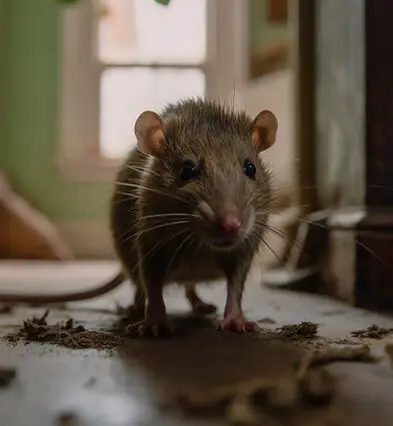
Key Highlights Effective rodent control involves a combination of sanitation, exclusion, and trapping. Signs of a rodent infestation include droppings, gnaw marks, noises in walls, and the presence of nests. Professional pest control services offer comprehensive solutions like thorough inspections, customized treatment plans, and exclusion techniques. Taking preventative measures, such as sealing entry points and maintaining a clean environment, can significantly reduce the risk of future infestations. Introduction Dealing with a rodent infestation can be very stressful for homeowners. These unwanted guests can pose health risks and lead to expensive damage to your property. It is important to know the types of rodents that are common in your area. Learning about the best pest control methods can help you fight infestations well and keep your home clear of rodents. Understanding Rodent Infestations in Houston, TX Houston, Texas, has a warm climate and a variety of landscapes. This creates a good home for different rodent species. To control rodents in this area, you need to know the types of rodents causing trouble in Houston homes and the signs that show they are there. A careful inspection is very important to check if you have a rodent problem. Look for droppings, chew marks on food packages or furniture, and grease marks on walls. Focus on spots where rodents might hide, like crawl spaces, attics, and basements. Finding possible entry points, like gaps around pipes or vents, is also important for making a good plan for rodent control. Types of Rodents Common in Texas Homes Knowing your enemy is the first step to winning any battle, and pest control is no different. In Texas, homeowners often deal with three main types of rodents: It is important to correctly identify the rodent species in your home. This helps to create effective methods for pest control. Signs of a Rodent Infestation in Your Property Early detection of a rodent infestation is very important for control. If you stay alert and spot the signs, you can reduce damage and health risks. When you inspect your home, watch for: Droppings: Rodent droppings are a clear sign of an infestation. Mouse droppings are tiny and look like black grains of rice. Rat droppings are bigger and shaped like cylinders. If you see any of these signs, act quickly to stop more damage and health risks. DIY Rodent Control Tips While expert pest control services give complete solutions, there are some DIY methods you can use. These can help with small rodent problems or work with professional help. Following these tips can make your home less attractive to rodents. Simple steps like cleaning surfaces with a bleach solution can remove urine trails and food smells. This can stop rodents from coming in. You can also use traps with peanut butter, cheese, or nesting materials to catch any rodents. But, be careful when dealing with traps. Always focus on safe and humane ways to handle pests. Natural Repellents and Their Effectiveness For those who want to use natural ways to control rodents, there are several options that can work in different ways. These natural repellents help keep rodents away by using strong smells or tastes that they do not like: Used Coffee Grounds: The strong smell of used coffee grounds can hide other scents that attract rodents. Sprinkling them around the outside of your home can help. Even though natural repellents can help keep rodents away for a while, they are often not very strong and might not solve the problem in the long term, especially if there are already many rodents present. Securing Your Home Against Rodents: Entry Points to Watch One of the best ways to stop rodents from coming into your home is by blocking their entry points. Rodents can get in through very small spaces, so it’s important to do a thorough inspection for these weak spots. Here are some key areas to check: By taking these steps, you can greatly lower the chances of rodents finding a way into your home. Professional Rodent Removal Services DIY methods can help, but pest control experts have better solutions for rodent problems. These professionals know a lot about rodents and have the right tools to completely remove them. They also put in place measures to keep them away for the long term. They can figure out what kind of rodent is in your home, find and take out their nests, and seal entry points well. Using professional services gives you peace of mind, as trained people will safely and effectively deal with your rodent issue. The Process of Professional Rodent Extermination Professional rodent control uses a clear plan to get rid of rodents completely and stop them from coming back. It starts with a thorough inspection of your property. This helps to find out how bad the infestation is, what type of rodent is involved, and where they might be getting in. After this, a treatment plan is made just for your situation. This plan may include: These professional rodent removal services want to offer a long-lasting solution and stop future infestations, focusing on the root causes of the problem. Why Choose Professional Services Over DIY Methods While it might seem cheap to try DIY rodent control methods, hiring professional pest control services has many benefits. Doing it yourself can often fail and can end up costing more later. Professionals in rodent control have the skills and experience to find where rodents get in and where they nest. Homeowners might overlook these spots. Their expertise helps make sure the infestation is completely treated, so you don’t face the same problem again. They use safe and kind ways to remove rodents and can access more effective products and tools that the public cannot. Given the health risks and the chance of property damage, relying on professionals for pest control is a smart choice. It gives you a long-term solution you can count on. Preventive Measures to Keep Rodents Away Preventing rodents is much better and cheaper than handling
Master Rodent Control: Prevention & Management Tips
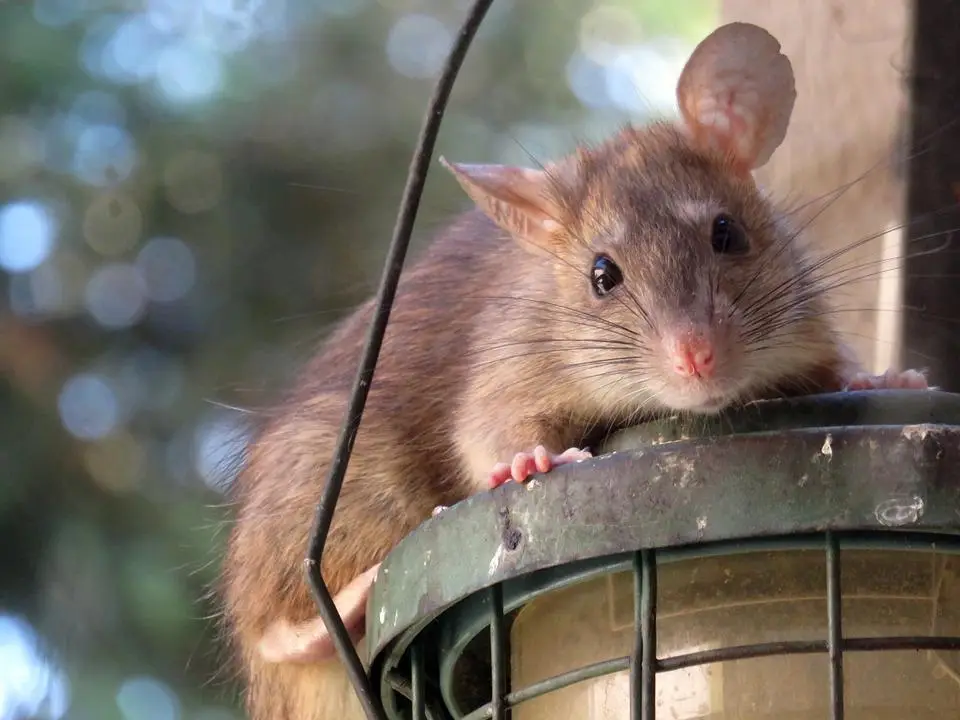
What are the most effective methods for rodent control? Effective rodent control methods include sealing entry points, setting traps, using rodent baits, maintaining cleanliness, and removing potential food sources. It’s also crucial to regularly inspect for signs of rodent activity and address any issues promptly to prevent infestations. Key Highlights Common Houston rodents include rats, mice, and squirrels, each with distinct behaviors. Professional pest control services provide expertise in rodent identification, control, and prevention. Introduction Dealing with household pests is a common issue. However, some pests are more bothersome than others. Rodents in your home can be a big worry. That’s why using good rodent control methods is important to protect your health and your property. This guide will cover how to identify common rodents in Houston. It will also talk about different pest control strategies to help keep these unwanted pests away. Understanding Rodent Behavior in Houston, TX Rodents can adjust well to changing places. They live comfortably in different environments, such as the warm and wet climate of Houston. To control them better, you first need to know how they act. Rodents are most active at night. During the day, they stay hidden and come out to search for food, water, and places to build nests. Because they are small, rodents can squeeze through even the tiniest gaps in your home’s walls. This makes blocking these openings very important in keeping them out. They also breed quickly, so if you don’t handle a problem right away, it can grow fast. Identifying Common Houston Rodents Many types of rodents might choose to live in your Houston home. Knowing the specific type of rodent can help you use the best control methods. Here are some common rodents found in Houston: Rats: These are larger than mice. Rats are smart and can chew through many materials like wood, plastic, and electrical wires, which can start fires. You can often find them by looking for droppings, gnaw marks, and burrows near the base of your home. The Seasonality of Rodent Infestations in Texas Rodent activity in Texas changes with the seasons. They can invade homes all year long. However, in some periods, their activity increases because of the weather and breeding cycles. By knowing these seasonal patterns, homeowners can take steps to prevent problems. This helps lower the risk of infestations and the severity of the infestation if it happens. Effective Rodent Control Strategies Getting rid of a rodent infestation needs a mix of different strategies. Some do-it-yourself methods can help quickly, but hiring professionals is usually better for lasting results. Keeping rodents away isn’t just a one-time job; it needs you to stay alert and take steps regularly. Using both DIY ways and professional help lets you fix the problem now and build a strong plan to stop future infestations. DIY Solutions for Immediate Action Dealing with a mouse problem can be stressful. If you need to take action quickly, here are some DIY ways to help: Safety comes first, so always read the product instructions before you start. If you’re not sure how to handle the mouse problem, it’s a good idea to ask a pest control expert for help. Professional Services for Long-Term Prevention While DIY methods provide immediate relief, addressing the root cause and ensuring long-term prevention often necessitates the expertise of rodent control professionals. These professionals are equipped with the knowledge, experience, and specialized tools to tackle infestations efficiently. Service Description Benefits Inspection & Assessment Thorough examination of property to identify rodent entry points, nesting areas, and contributing factors. Provides a clear understanding of the infestation’s extent and underlying causes for targeted treatment. Customized Treatment Plans Tailored solutions based on the type of rodent, severity of infestation, property layout, and client preferences. May include trapping, baiting, and exclusion methods. Ensures the chosen approach aligns with the specific needs and circumstances, maximizing effectiveness while minimizing risks. Exclusion & Prevention Measures Sealing entry points with durable materials, implementing sanitation protocols, and recommending environmental modifications to deter future infestations. Proactive steps to prevent re-infestation, offering long-term peace of mind and reducing the need for recurring treatments. “We Solve Pest Problems, So You Don’t Have To” Engaging Pest Control professional rodent control services allows you to address the immediate problem effectively and provides valuable insights and recommendations for preventing future infestations. Preventive Measures to Keep Rodents Away Preventing rodent infestations is better than handling a current problem. You can lower the chances of these unwanted guests moving into your home by following a few easy steps. These steps focus on making your home less attractive to rodents and removing anything that might draw them in. If you add these tips to your usual home care, you will have less worry and enjoy a home free of rodents. Sealing Entry Points: A Houston Homeowner’s Guide Rodents can fit through very small openings. To keep them out of your home in Houston, sealing entry points is important. Check the outside of your home carefully. Look for cracks, gaps, or holes near the foundation, windows, doors, vents, and utility lines. Seal any openings, even ones as small as a quarter inch. Use strong materials like steel wool, copper mesh, or concrete patch. Keep in mind that some materials won’t stop rodents since they can chew through many things. Look closely at places where pipes or wires enter your home. Make sure to seal these spots well. Also, trim back bushes and trees close to your home to reduce access. Finally, keep pet food in airtight containers. Do not leave pet food outside overnight because it can attract rodents as a food source. The Importance of Sanitation and Waste Management Proper sanitation and good waste management are very important to keep rodents away and stop them from coming into your home. Rodents like to find easy food sources. So, it is vital to get rid of those food sources to manage pests. Here are some steps you can take: Keeping your home clean inside
What’s The Difference Between Fleas and Bed Bugs?
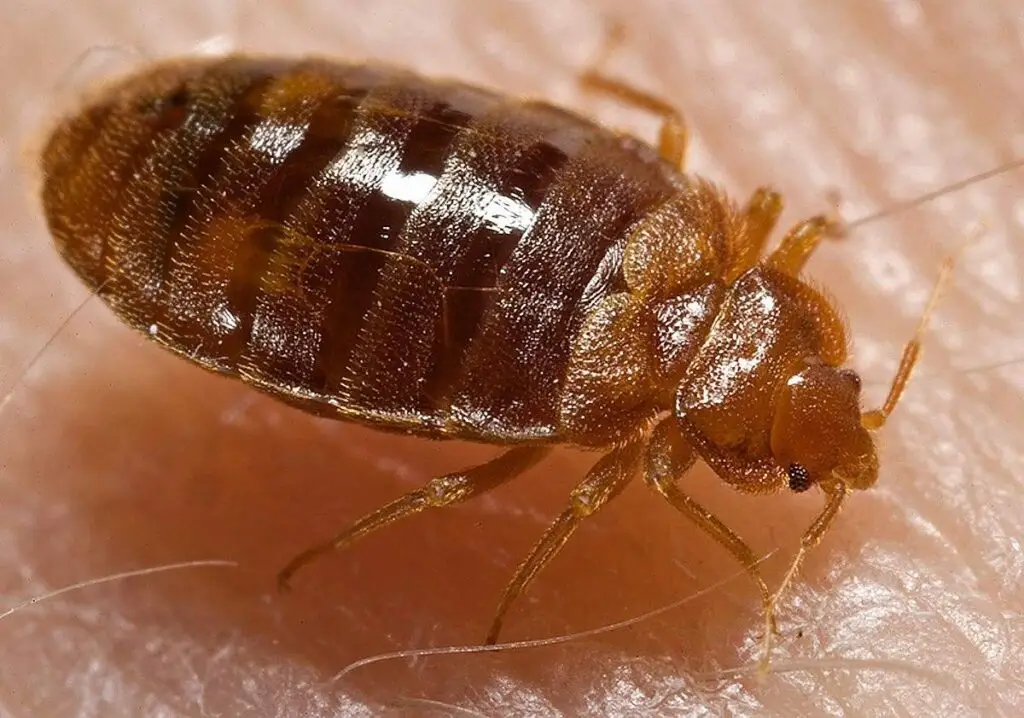
Fleas and bed bugs are two very common bugs that could create a load of discomfort in your house. Though they somewhat resemble each other, they also differ in several ways. Being able to identify these important differences can further allow you to decide which pest is invading your space and the best way to deal with it. If you happen to deal with any of these pests, having expert flea control or management of bed bugs becomes important in effectively addressing an infestation. Understanding Fleas What Are Fleas? Fleas are small insects without wings that feed on animal blood. They mainly attack pets such as dogs and cats. The main characteristic of these pests is that they jump long distances, thus transferring from one animal to another or into your home. Where Are Fleas Found? Fleas are usually discovered in pet beds, carpets, and upholstered furniture-especially those areas where animals rest or roam freely. They hide in soft, warm places near your pets, making locating them difficult. How to Spot Fleas You can identify fleas by the small, itchy bites they leave, often around the ankles or lower legs. Flea dirt, which comes out as tiny black specks, is another telltale indicator of the presence of this pest. Understanding Bed Bugs What Are Bed Bugs? Bed bugs are nocturnal pests that consume the blood of humans and animals at night. They do not jump like fleas; instead, they crawl to different hiding places, which makes detection a bit tough. Where Are Bed Bugs Found? Bed bugs hide in cracks or crevices in or around the bed, furniture, and baseboards. They tend to be active at night because they usually feed during this time; during the day, they often hide. How to Spot Bed Bugs If you see little reddish-brown bugs hiding in your mattress or other bedding, you may have bed bugs. You might even see the red, itchy welt in a line on the skin, usually caused by bed bug bites. How to Prevent Fleas and Bed Bugs Preventing Fleas Keeping them at bay involves treating your pets with flea-prevention products. Regularly wash pet bedding and frequently vacuum your house to reduce the number of fleas and their eggs. If you reside in some rural or wooded area, treat your yard as one way of minimizing exposure to fleas. If your efforts are unsuccessful, feel free to call for expert flea control services that will efficiently handle the problem. Preventing Bed Bugs When you travel, check hotel rooms for bed bugs. Do not bring used furniture or mattresses into your home unless you have checked them carefully for bed bugs first. Periodically check your mattress, furniture, and baseboards for signs of a bed bug infestation. Conclusion Whether you have an infestation of fleas, bed bugs, or both, fast action is required to prevent the problem from getting out of hand. Early identification is the key to effective elimination or treatment. Fullscope Pest Control offers comprehensive pest control services, including expert flea control and bed bug management. Our team is here to help you keep your home free from pests. Contact us today for a thorough inspection and professional treatment for your needs!
Are Earwigs Harmful to Humans?
Earwigs are among the most common creepy crawlies. They have big pincers and are usually seen running around our houses. They’re somewhat fearfully built and were often thought dangerous to humans. But are they really that harmful? In this blog, we’ll look at facts about earwigs and their relationship to humans. Understanding Earwigs Earwigs are small, elongated insects with a distinctive pair of large pincers, or “cerci,” attached to their abdomens. While threatening in appearance to many persons, these forceps serve essential roles in defense and capturing food. In general, earwigs are nocturnal and, during the day, hide in damp, dark locations under leaves, pieces of wood, in moist soil, or among garden mulch. Effective earwig control depends on understanding their habitats and behavior to repel them. Debunking Myths About Earwigs Do Earwigs Really Crawl into Ears? One of the more common myths regarding earwigs is that they must be attracted to human ears in order to lay eggs or burrow into a human brain. The truth is, this is purely folklore. The word “earwig” does indeed originate with Old English and simply means “ear creature,” but earwigs are simply not interested in going inside a human’s ear. This is a totally cranked-up myth. Are Earwigs Poisonous? Contrary to popular belief about these insects, earwigs are not poisonous nor venomous to human beings. Though they look intimidating, they do not carry any level of toxins that may pose threats. Earwigs use their pincers to defend against predators and during courtship displays, but they never hurt people. Are Earwigs Dangerous to People? Earwig Bites and Pinches Earwigs do not bite, but they will use their pincers if threatened. Although an earwig pinch may be a surprise, it’s generally harmless, leaving the victim with only minor discomfort. They don’t inject venom like the bites or stings of some insects, nor do they pose any severe health threats. Disease Transmission by Earwigs There is no evidence to suggest that earwigs transmit disease to humans. Although many insects, such as mosquitoes or ticks, can spread diseases, earwigs are not within this category and pose no serious health concern to people. Pain and Impact of Earwig Pinches While an earwig’s pincers may look formidable, a pinch is usually no more severe than a gentle squeeze or light pinch. Most have minimal effect other than slight irritation or some redness. When to Call a Professional Pest Control Service Sometimes, earwig infestations get out of hand and beyond one’s ability. For severe infestations, professional help is advisable. They can help determine your infestation source and provide a plan for effective earwig control. This ensures that the problem has been addressed to the core, not leaving room for future issues. Conclusion Despite their fearsome appearance, earwigs are completely harmless to humans. They do not bite, transmit diseases, or pose any serious threat. If you have an earwig problem or some other type of pest infestation issue, Fullscope Pest Control offers effective, professional solutions to help you keep your home and garden pest-free. Call us today for effective earwig control with exceptional professionalism for a lasting sense of security.
Do Crickets Bite?

Crickets are among the most common insects that find their way into our homes and gardens. As harmless as they may present themselves, perhaps the most frequently asked question of many is, “Do crickets bite?” Let’s find out! Do Crickets Bite Humans and Pets? The majority of cricket species are non-aggressive to humans and pets alike. In contrast to more threatening insects, crickets do not actively pursue humans or animals to bite them. Crickets, though rare, can bite humans and pets under certain circumstances. Knowing how they behave and applying cricket control methods will reduce interactions and bites from these insects. Are Cricket Bites Painful or Dangerous? Cricket bites are usually harmless and painless to most people and pets. It’s a minor pinch or irritation where the bite occurred but will not necessarily pose an amount of pain and danger. In rare cases, people with sensitive body skin or allergic reactions experience slight swelling, redness, or itching. Reasons Why Crickets Might Bite Humans or Pets Defensive Behavior Crickets bite on instinct when threatened, which might explain why humans and pets encounter them as such. They do this as a defense mechanism from perceived harm or danger. This may be the case when some curious pet, or even a person, tries to handle the cricket. Mistaking Skin or Fur for Food Crickets will sometimes chew on people or pets if they confuse skin, sweat, or fur with a food source. Of course, this is not typical behavior for a cricket; however, this could happen, especially if the insect is starving or even curious. It’s more of a nibble than a proper bite and rarely does any harm. Environmental Stress Crickets can behave strangely, even to the point of biting, if under environmental stress. This would include overcrowding, lack of food, and extreme changes in surroundings that entail erratic behavior. Cricket control treatments can reduce these stressors by eliminating or minimizing their populations around the home. Exploratory Behavior Crickets generally perceive objects in their environment by having something in their mouths. If a cricket encounters human skin or a pet’s fur, it may lightly nip out of curiosity. Such bites are not harmful and are essentially exploratory rather than aggressive. How to Identify a Cricket Bite Crickets usually render minor bites and may not be noticed. Common signs and symptoms include the following: If you are suspicious of a cricket bite, look for small puncture marks or reddish areas. Also, consider if you or your pet were around crickets recently. Conclusion While crickets may occasionally bite, these instances are few and usually harmless to humans and pets. If crickets are becoming a nuisance in your home, some prevention measures are the answer to highly effective solutions in cricket control.At Fullscope Pest Control, we’ve got eco-friendly and complete solutions to ensure crickets don’t take over your home. With years of expertise, our team offers effective pest management services that best suit your needs and offer peace of mind and comfort in your living spaces. Feel free to contact us today!
Are Crickets Dangerous?
Crickets are common insects in backyards, gardens, and occasionally even homes. So distinctive is the cricket chirping, but are crickets dangerous? Although harmless, it pays to understand the possible threats that crickets pose to human health, pets, and properties to ascertain the importance of effective cricket control for protecting your home. Here’s a detailed look at some of the risks associated with crickets and some facts. Understanding the Impact of Crickets Crickets and Your Health While crickets are not aggressive, they will bite when they feel threatened. Crickets are similar in bite to a minor pinch and can sometimes cause slight redness or irritation. They do not vector diseases of any kind. Several people will have an allergic reaction to cricket feces or molted skin, which would result in skin irritation or respiratory problems. If you experience weird symptoms after being around crickets, it is best to contact your doctor. Crickets and Your Pets Crickets do not pose a general threat to pets, but tiny pets may choke on them. The other risk with crickets involves parasites that the insects could carry and pass to other animals, mainly reptiles or amphibians. Above all, if you’re concerned about your pet’s safety, it will be wiser to consult a veterinarian. Crickets and Your Home Large numbers of crickets inside your home can get very frustrating. Crickets will chew fabrics and paper and even store food, although less commonly. Their droppings can stain surfaces. The more serious question could be that crickets tend to denote, more often than not, heavier pests that could pose a greater threat in terms of damage, like rodents or termites. Crickets and Your Garden Crickets could be more problematic in gardens. They feed on young plants and seedlings, sometimes causing them immense damage or death. The insect might also damage flowers and fruits, requiring special garden pest control methods. What Are the Best Ways to Get Rid of Crickets? Effective cricket control starts with prevention. Seal all cracks and crevices around your home’s foundation, windows, and doors to help prevent crickets from entering. Eliminate moisture sites and high humidity by fixing leaks and ensuring good ventilation. Keep your yard debris-free, and store food in tight, covered containers. Try diatomaceous earth or repellents such as peppermint essential oil for natural control. If the infestation of crickets is always present, then professional assistance might be required by engaging the services of a pest control company. Final Answer: Are Crickets Truly Dangerous? Contact FullScope Pest Control for Solutions Crickets present no serious threat to humans or pets; however, they may be pretty irritating and potentially damage different fabrics, plants, and even household items. For this reason, invaded homes or gardens should be taken care of before the cricket situation gets out of hand. Crickets can be deterred, but sometimes, nothing works, and a professional is a fast solution.At FullScope Pest Control, we offer effective cricket control and safe, thorough pest management to keep your home and garden cricket-free. Our expert team finds the root cause of your problem using eco-friendly solutions to ensure pests do not return. Contact FullScope Pest Control today for a pest-free home and peace of mind.
What Do Bed Bug Bites Look and Feel Like?
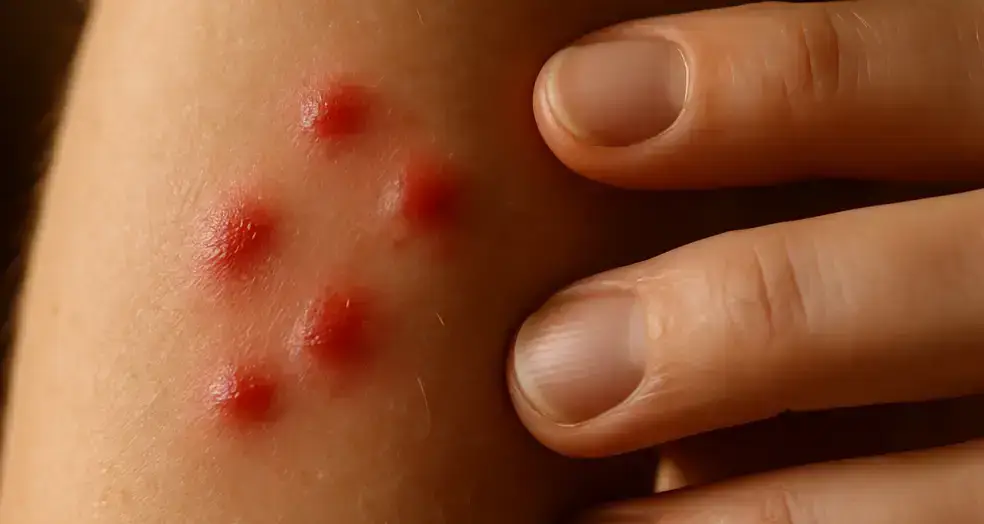
With the increase in bed bug infestations, early identification of a bed bug bite means you might be in an excellent position to act sooner. Having an idea of what bed bug bites appear as and how they feel, you can easily distinguish them from other insect bites and take the required measures towards their control. When bed bugs invade a home, the top choice is usually professional bed bug control to ensure the issue is handled effectively and efficiently. This blog will explain how to identify bed bug bites and what to expect. How to Identify Bed Bug Bites Bed bug bites are difficult to discover because they generally look like other insect bites, including those from mosquitoes or fleas. However, a few telltale signs can pinpoint whether it is a bed bug problem. Recognizing the signs early is crucial for proper treatment, and professional bed bug control ensures that the infestation is addressed quickly and efficiently. What Do Bed Bug Bites Look Like? A bed bug bite typically appears as small, red welts. They often appear as clusters or lines because bed bugs feed repeatedly in the same area. You may observe: Although this kind of bite might appear a little different on each person, the general nature that bed bug bites take on is redness, swelling, and itchiness. What Do Bed Bug Bites Feel Like? Reactions to bed bug bites vary, meaning that the sensation could not be similar from one person to another. These are some of the most common feelings one might associate with bed bug bites: Common Areas Where Bed Bug Bites Appear on the Body Bed bugs most commonly bite the areas of your body that are exposed while you sleep. This typically includes: They would want the most accessible skin to reach so you could find more bites in areas not covered by your clothes at night. Conclusion The stress of dealing with bed bug bites could be overwhelming, but early recognition of their appearance and symptoms may make all the difference in dealing with these bugs. While prevention is crucial, seeking professional bed bug control services is best once bed bugs have entered your home. Fullscope Pest Control believes in expert service to efficiently remove bed bugs and restore peace of mind. Our dedication to customer satisfaction drives our efforts to ensure your home is pest-free through tried-and-tested methods. Do you suspect bed bugs or perhaps some other pest problem? Call today for your detailed inspection and quick, efficient service.
Fire Ants, Odorous House Ants, Carpenter Ants, and Pavement Ants: What’s the Difference?
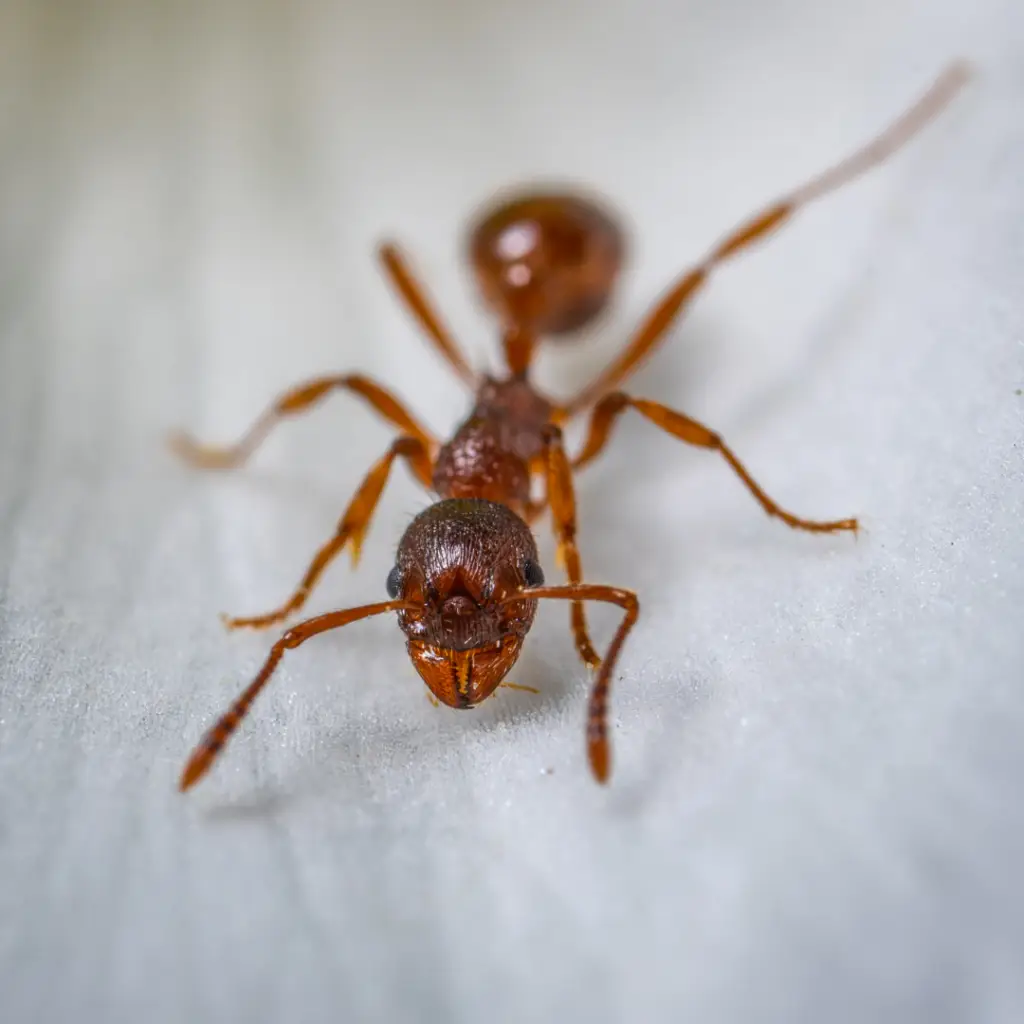
Ants are one of the more common home pests, but not all are alike. Some of the most prevailing species include fire ants, odorous house ants, carpenters, and pavement ants-breeding knowledge on how each differs will help in effective pest control. In this blog, we will discuss how to identify these ants and why protecting your home through expert ant control matters. How to Identify Fire Ants, Odorous House Ants, Carpenter Ants, and Pavement Ants Fire Ants: Aggressive Stingers Fire ants are notoriously recognized for their burning stings. These reddish-brown ants are commonly outdoors, where they mound up in yards and gardens. A danger with fire ants is how intense they are to attack when disturbed, as their sting may be painful, swell up the skin, and even cause allergic reactions in certain people. Odorous House Ants: Tiny but Troublesome Odorous house ants are so named because of the characteristic, rotten coconut-like smell they emit when crushed. These small, dark brown or black ants readily infest kitchens for sweets and food crumbs. They do not sting but are a considerable nuisance while foraging inside homes, especially during the warmer months. Carpenter Ants: Silent Wood Destroyers The carpenter ant is much larger than most others, usually black or dark brown. While they do not eat wood-like termites, they excavate them, making nests that could lead to severe structural damage if left unattended. You may have a carpenter ant infestation in your hands if you find small piles of wood shavings or hear faint rustling sounds within the walls. Pavement Ants: Nesting in Sidewalks Pavement ants are tiny, brown-to-black ants that are common and often nest in cracks in sidewalks, driveways, and other concrete areas. While pavement ants stay mostly outdoors, they enter homes sometimes, especially when food is left out. You might notice little mounds of displaced soil that they push up next to concrete or brick surfaces. Why Knowing the Difference Matters for Pest Control Each type of ant requires or predicates a different approach, given its effectiveness. Fire ants generally require either some kind of bait treatment applied directly into their nests or professional-grade insecticides because the nature of their colonies is hazardous. House odorous ants can be deterred by keeping your home clean and sealing entry points, but carpenter ants may require serious intervention in finding and removing their nests. Pavement ants are often less challenging to control by treating outdoor nesting areas and sealing indoor food sources. Knowing the species helps you control pests safely and effectively. The wrong treatment can simply waste your time and resources or, even worse, further deteriorate the problem at hand. Conclusion Whether fire ants regularly take over yard space or carpenter ants chew through the structure of your home, identifying the species invading your space is the first step toward effective pest control. When an ant infestation becomes a severe problem, Fullscope Pest Control is ready to help. Our comprehensive pest control services provide effective solutions to safely and efficiently eliminate any ant species threatening your home. If you’re struggling with an ant problem, trust our team to deliver expert ant control that brings peace back to your home.