 1500+ reviews

How Moisture And Humidity Drive Spider Activity During Spring
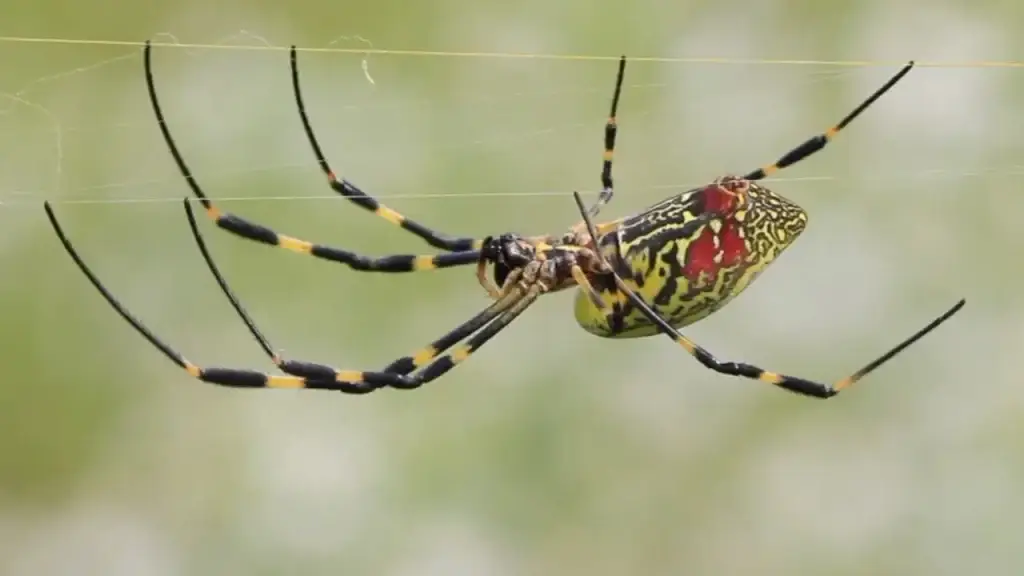
Spring introduces a noticeable shift in environmental conditions, particularly in moisture levels and humidity. These changes do not go unnoticed by pests. Spider activity, in particular, tends to increase during this time as the environment becomes more favorable for both survival and reproduction. From a professional pest control standpoint, spiders are not acting randomly. Their presence is often tied directly to moisture patterns, prey availability, and shelter conditions. Understanding how these factors interact provides a clearer view of why spiders appear more frequently during spring and what that means for long-term property protection. Why Moisture Creates Ideal Conditions for Spider Activity Moisture is one of the most influential environmental drivers behind spider activity. Areas with elevated humidity tend to attract insects, which in turn draw spiders seeking reliable food sources. This creates a chain reaction that begins with environmental conditions and ends with increased pest presence indoors and outdoors. These conditions often develop gradually, making them easy to overlook. However, even minor moisture imbalances can shift the ecosystem around a property, encouraging spiders to establish themselves nearby. How Humidity Supports Spider Survival and Expansion While moisture attracts prey, humidity plays a key role in sustaining spider populations. Many spider species thrive in environments where air moisture levels remain stable, allowing them to maintain hydration and reproduce effectively. Humidity also influences where spiders choose to settle. Indoor areas such as basements, bathrooms, and crawl spaces often retain higher humidity levels, making them ideal habitats. Outdoors, shaded areas and dense vegetation provide similar conditions. This is why spider activity often appears concentrated in specific zones rather than evenly distributed. The environment determines where spiders can survive most efficiently, and those areas become long-term nesting sites if left unaddressed. Seasonal insights from this spring pest prevention tips resource highlight how moisture and humidity shifts during spring contribute to increased pest movement, including spiders. Common Areas Where Spider Activity Increases As moisture and humidity levels rise, certain areas within and around a property become more vulnerable to spider activity. These locations typically offer a combination of shelter, food, and favorable environmental conditions. These spaces provide everything spiders need to establish themselves. Once settled, they often remain undetected until activity becomes more visible. Identifying these high-risk areas is a critical step in understanding how infestations develop over time. The Relationship Between Spider Activity and Other Pests Spiders are not isolated pests. Their presence often signals a broader ecosystem of insect activity. Where there are spiders, there is typically a consistent supply of prey supporting their survival. This connection makes spider activity an indirect indicator of other pest populations. Reducing spider presence often requires addressing the underlying insect activity that sustains them. A comprehensive pest control approach considers this relationship. Focusing solely on spiders without addressing their food sources can lead to recurring activity. Long-term results depend on managing the entire environment rather than isolated symptoms. For a broader perspective on maintaining consistent protection, this guide on year-round pest control explains how ongoing strategies help stabilize pest activity across seasons. Why Professional Evaluation Matters in Moisture-Driven Infestations Moisture-related spider activity is rarely resolved through surface-level observation alone. The conditions that support spiders are often hidden, developing behind walls, beneath flooring, or within structural gaps. Professional pest control focuses on identifying these underlying factors. It provides a structured approach that considers not just the presence of spiders, but the conditions that allow them to persist. This level of evaluation is essential for achieving lasting results. Without it, moisture issues and spider activity can continue to cycle season after season. Where Prevention Meets Long-Term Confidence Moisture and humidity do more than influence the environment. They shape the patterns of spider activity and determine how infestations develop over time. Recognizing these connections allows for more informed decisions and more effective outcomes.For reliable support and a deeper level of protection, reach out to Fullscope Pest Control and move forward with a strategy designed for consistent, long-term results.