 1500+ reviews

4 Reasons DIY Pest Control Often Fails In Houston Homes
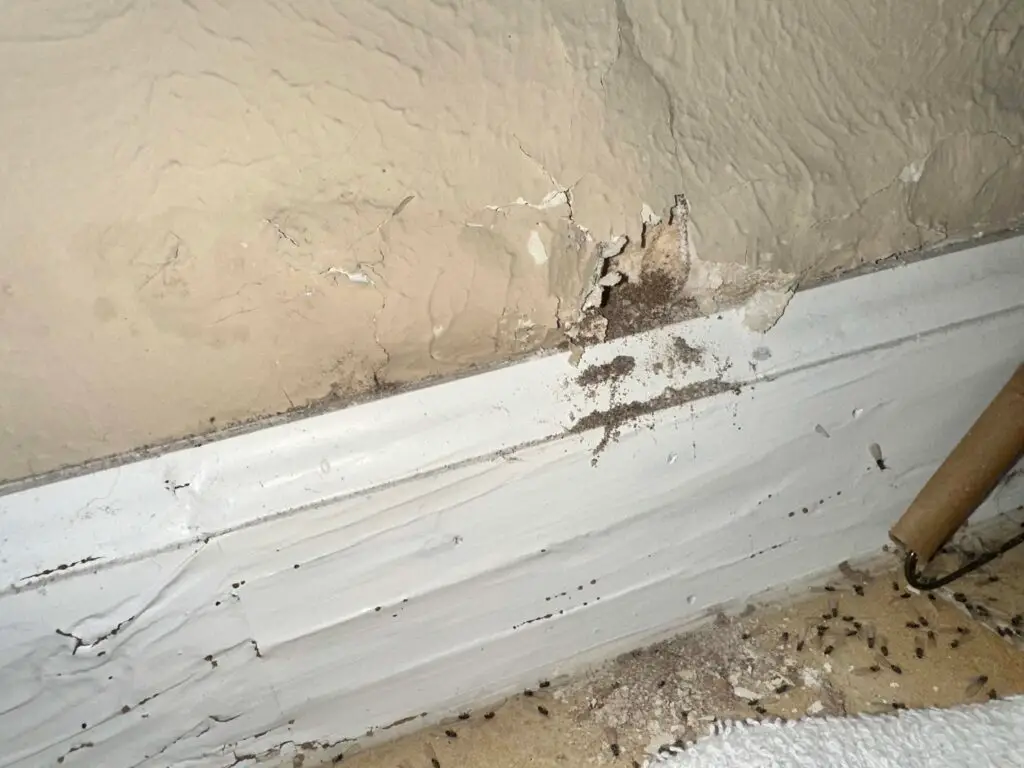
DIY pest control often seems like a practical first step when pests appear. A quick spray, a few traps, or a store-bought solution can feel like enough to solve the problem. In many cases, it even appears to work at first. The visible pests disappear, and the situation seems under control. However, this sense of success is often temporary. In Houston homes, pest activity is influenced by climate, moisture, and year-round conditions that support continuous pest presence. This creates an environment where surface-level solutions rarely hold for long. Understanding why DIY pest control tends to fail helps explain why infestations return and why a more structured approach is often needed to maintain lasting results. 1. DIY Methods Only Address Visible Pest Activity One of the main limitations of DIY pest control is its focus on what can be seen. Most products are designed to eliminate pests that are already visible, but they do not reach hidden areas where infestations begin and grow. This is why initial results from DIY pest control can be misleading. The underlying problem often remains untouched. 2. Houston’s Climate Supports Constant Pest Pressure Houston’s warm and humid conditions create an environment where pests can remain active throughout the year. Unlike regions with colder seasons that slow pest activity, this climate allows infestations to persist and grow. These conditions make it difficult for DIY pest control to keep up with ongoing activity. Understanding the types of pests commonly found in the area, such as those discussed in this overview of Texas home pest issues, provides insight into why infestations can persist. 3. Incorrect Product Use And Application DIY pest control often involves products that require precise application to be effective. Without proper knowledge, these products may be used incorrectly, reducing their effectiveness. Even when products are used as directed, they may not be sufficient for more complex pest problems. 4. Lack Of Long-Term Prevention Strategy DIY pest control is often reactive rather than preventative. It focuses on eliminating pests after they appear, rather than addressing the conditions that allow them to thrive. In contrast, effective pest management requires a long-term strategy that combines treatment, prevention, and monitoring. Why Some Infestations Require A More Advanced Approach Certain pests are particularly difficult to control without a comprehensive plan. Termites, for example, can cause significant structural damage while remaining hidden. Cockroaches and ants can spread quickly and adapt to changing conditions. In these situations, limited solutions often fall short. Understanding how more complex infestations are handled provides a valuable perspective. For example, this discussion of termite treatment challenges explores challenges related to severe infestations, where treatment depth and precision play a critical role. Addressing these problems requires planning and expertise beyond basic methods. Why Professional Insight Makes A Difference Pest control is not only about applying treatments. It involves understanding pest behavior, identifying hidden activity, and adapting strategies based on environmental conditions. Professional pest management focuses on: This approach creates a more reliable outcome by addressing both current infestations and future risks. DIY pest control may seem convenient, but it often lacks the depth required for long-term success. Without a comprehensive plan, infestations can return repeatedly, leading to ongoing frustration and potential damage. A More Effective Way To Handle Persistent Pest Problems Pest issues in Houston homes are rarely isolated. They are influenced by climate, structure, and environmental conditions that require a thoughtful and consistent approach.For a more dependable solution that addresses both immediate concerns and long-term prevention, contact Fullscope Pest Control and take the next step toward lasting pest protection.