 1500+ reviews

Why Fire Ant Mounds Multiply in Spring and How To Respond
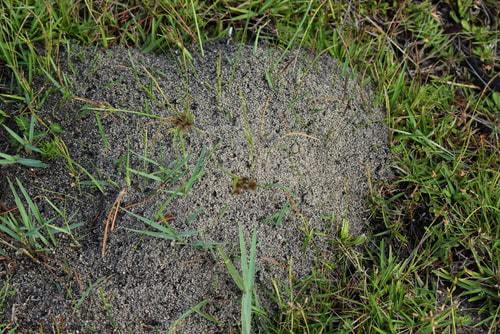
Spring often brings renewed growth, warmer temperatures, and increased outdoor activity. It also marks a noticeable rise in pest presence, particularly when it comes to fire ants. These insects become more visible during this season, forming mounds that seem to appear almost overnight across lawns, gardens, and open spaces. Understanding why fire ants multiply in spring requires a closer look at how environmental conditions influence their behavior. Their activity is not random. It follows patterns tied to moisture, temperature, and colony expansion. Recognizing these patterns is essential for responding effectively before infestations become more widespread. What Triggers Fire Ant Activity in Spring Spring provides the ideal conditions for fire ants to expand their colonies. As soil temperatures increase and moisture levels stabilize, colonies become more active and begin to grow. These conditions combine to create a surge in visible activity. Fire ants begin constructing larger and more numerous mounds, often spreading across properties in a short period. This seasonal pattern is part of a broader increase in pest activity. In fact, fire ants are often among the most noticeable species during this time, alongside other insects discussed in this overview of common Texas pests. Why Fire Ant Mounds Appear So Quickly One of the most striking aspects of fire ants is how rapidly their mounds develop. A seemingly clear lawn can show multiple new mounds within days, creating both visual disruption and safety concerns. This rapid change is not necessarily a sign of new infestations. In many cases, it reflects existing colonies becoming more active and visible due to environmental shifts. Because fire ants operate largely underground, surface mounds represent only a small portion of the colony. The majority of their network remains hidden, which makes the extent of the infestation difficult to assess without a deeper understanding. Risks Associated With Growing Fire Ant Populations As fire ant activity increases, so do the risks associated with their presence. These insects are not only disruptive to landscapes but also pose concerns for safety and property use. Fire ants are highly defensive. When a mound is disturbed, they respond quickly and in large numbers. This behavior makes even small infestations difficult to ignore once they become established. Their ability to spread also means that isolated activity can develop into broader coverage across a property if not addressed early. How Environmental Conditions Influence Their Spread Fire ants are closely tied to their environment, and even small changes can influence how they move and expand. Soil composition, moisture levels, and surrounding vegetation all play a role in their behavior. These factors explain why fire ants often reappear even after initial activity seems to decrease. Without addressing the conditions that support them, colonies can continue to establish themselves over time. Maintaining a balanced outdoor environment is part of the process. This broader perspective is reflected in strategies for living pest-free, where consistent environmental management plays a key role in reducing pest pressure. Why Professional Response Matters for Fire Ant Control Responding to fire ant activity requires more than addressing visible mounds. Because colonies extend beneath the surface, effective control depends on understanding how these networks function and where they are located. Professional approaches focus on identifying active colonies, assessing their spread, and applying targeted solutions that address both current activity and potential expansion. This method ensures that the entire colony is considered, not just the surface-level signs. Timing is also critical. Spring is a period of rapid growth for fire ants, which means delays can allow colonies to multiply and spread further. A structured response during this window can help limit the extent of the infestation and reduce long-term impact. In addition, environmental conditions must be factored into the approach. Soil type, moisture patterns, and surrounding landscape features all influence how fire ants behave. Without accounting for these elements, results may be temporary. Professional intervention brings a level of precision that aligns with these variables. By addressing both the visible and hidden aspects of the infestation, it becomes possible to manage fire ants more effectively. When Mounds Signal Something More A single mound may seem manageable, but multiple mounds appearing within a short period often indicate a growing network beneath the surface. This shift signals the need for a more thorough response. Recognizing when activity is increasing allows for earlier action and more controlled outcomes. Restore Control Over Your Outdoor Space When fire ants begin to take over your lawn, a targeted approach can make all the difference. Reach out to Fullscope Pest Control for solutions designed to manage fire ants and protect your outdoor spaces.