 1500+ reviews

What to Do When Crickets & Earwigs Find Their Way Inside in Winter
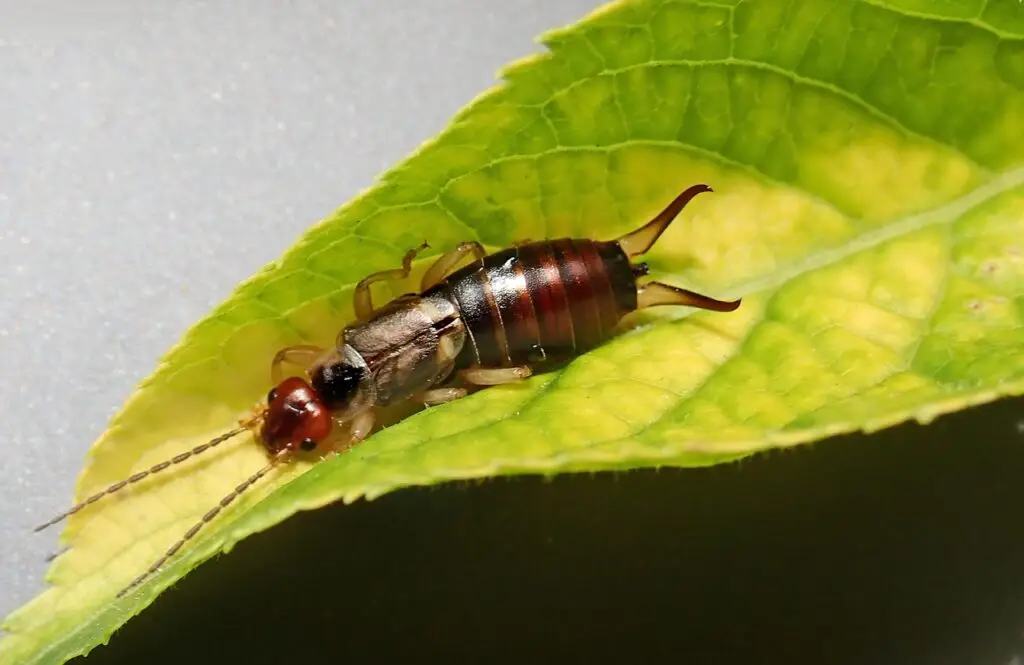
Crickets and earwigs are often dismissed as harmless outdoor insects, yet their presence indoors can signal conditions that allow pests to thrive unseen. These insects typically enter homes seeking moisture, shelter, and stable temperatures. Once inside, they can persist quietly, creating discomfort and raising concerns about broader pest pressures. Understanding how crickets and earwigs gain entry and how professionals address the issue helps homeowners maintain a healthier living environment. Why Crickets and Earwigs Are Drawn Indoors Crickets and earwigs are highly sensitive to environmental changes. Outdoor conditions such as heavy rain, excessive heat, or drying soil often push these insects toward buildings that offer consistent shelter. Homes naturally provide the dark, cool, and damp environments that both pests prefer. Crickets are attracted to warmth and readily move toward structures at night, following light sources and temperature gradients. Earwigs, on the other hand, are moisture-dependent and favor shaded areas where humidity remains high. Once these conditions exist near a home’s foundation or exterior walls, entry becomes far more likely. Factors that commonly draw these insects closer include excess moisture around the structure, dense vegetation near exterior walls, and organic debris that provides cover. Over time, repeated exposure to these conditions increases the chance of crickets and earwigs moving from outdoor spaces into indoor areas. Common Entry Points That Allow Indoor Access Crickets and earwigs do not require large openings to enter a home. Small gaps and overlooked structural vulnerabilities are often enough to allow steady movement indoors. Professionals frequently identify multiple access points during inspections rather than a single obvious opening. These entry points may seem insignificant, but they often connect directly to wall voids, basements, or lower living areas where pests can remain hidden. Without proper identification and sealing, crickets and earwigs can continue entering unnoticed, especially during seasonal transitions. Interior Conditions That Support Ongoing Activity Once inside, crickets and earwigs seek environments that meet their basic survival needs. Indoor conditions play a significant role in determining whether these pests remain temporary visitors or become recurring problems. Moisture is a primary driver. Areas such as basements, laundry rooms, bathrooms, and kitchens often provide the humidity earwigs require. Crickets are more flexible but prefer warm spaces with access to food particles or organic matter. Cardboard storage, cluttered utility areas, and undisturbed corners offer ideal shelter. These factors not only support crickets and earwigs but can also create conditions attractive to other insects. Addressing indoor environments is an essential part of reducing long term pest pressure rather than focusing solely on visible insects. How Professionals Identify and Address the Root Cause Effective management of crickets and earwigs requires more than removing visible insects. Professionals begin by identifying why the insects are present and how they are entering. This process involves evaluating both exterior and interior conditions that contribute to the issue. Inspections typically focus on moisture patterns, structural vulnerabilities, and environmental factors surrounding the home. By understanding these elements, specialists can determine whether activity is isolated or part of a broader pest pattern. This comprehensive evaluation helps prevent repeated occurrences and limits the chance of escalation. Professional strategies often align with principles discussed in pest-free living strategies, where long term prevention is based on reducing attractants and strengthening protective barriers. Rather than relying on short-term fixes, professionals focus on stabilizing conditions that discourage continued activity. Long-Term Prevention Through Ongoing Monitoring Crickets and earwigs are often seasonal, but the conditions that attract them can persist year-round. Long-term prevention relies on continued awareness of environmental changes and regular evaluation of risk areas around the home. Monitoring allows professionals to detect shifts in moisture, structural wear, and outdoor conditions that may increase pest pressure. This approach reduces the likelihood of recurring infestations and supports a more stable indoor environment. Environmental factors such as lawn care, drainage, and soil moisture play a role in managing insect populations near the home. Insights related to exterior conditions and habitat management can be found through outdoor pest prevention tips, which highlight how surrounding areas influence indoor pest activity. By maintaining consistent oversight, professionals help ensure that crickets and earwigs remain outdoor insects rather than indoor disruptions. When Small Insects Signal a Bigger Issue Crickets and earwigs may seem minor, but their presence often points to underlying conditions that deserve attention. Professional assessment provides clarity, accuracy, and lasting results by addressing both visible activity and hidden contributors. For thorough inspection and dependable support, contact Fullscope Pest Control to help restore comfort and protect your home with confidence.