 1500+ reviews

Timing Your Termite Re-Inspections: How Often Is Enough?
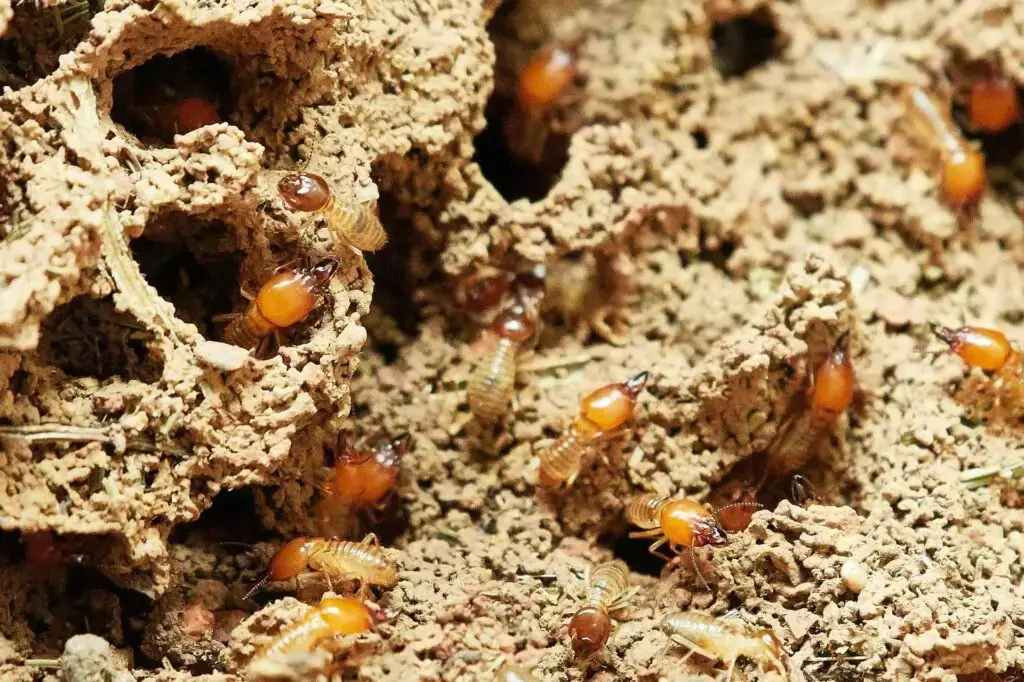
Termites are among the most destructive pests homeowners can face, capable of causing significant structural damage before the problem is even detected. A one-time treatment is not a permanent solution, as termite colonies can re-establish themselves if conditions allow. For that reason, scheduling regular termite re-inspections is critical to maintaining protection and preventing costly repairs. The question many property owners have is: How often should a termite inspection be performed? The answer depends on multiple factors, from the risk level of your location to the history of past infestations. Consistent monitoring is the key to early detection and lasting control. Why Termite Re-Inspections Are Important Termites can work quietly behind walls, under floors, and in structural supports for months or even years without visible signs. This stealthy nature makes them especially dangerous, as homeowners may not notice an issue until substantial damage has already occurred. A thorough termite inspection gives you an updated picture of your home’s condition, identifies vulnerable areas, and helps ensure that any preventive measures in place are still working effectively. Following the guidelines outlined in how to get rid of termites, it becomes clear that re-inspections are an integral part of long-term protection strategies. Factors That Affect How Often to Schedule Inspections The right frequency for termite inspections depends on the unique risk profile of your property. Certain factors increase the likelihood of infestation and may require more frequent checks. By assessing these conditions with a professional, you can determine whether you need annual, semi-annual, or even quarterly inspections. In some high-risk situations, pairing more frequent checks with preventive treatments can greatly reduce the chance of a serious infestation. Recommended Termite Re-Inspection Intervals While every property is different, there are general recommendations for how often a termite inspection should take place. During each inspection, a qualified technician will examine your property for mud tubes, damaged wood, discarded wings, and other warning signs. They may also inspect crawl spaces, attics, and exterior walls for vulnerabilities. In addition, they will often recommend preventive adjustments, such as fixing drainage issues or replacing damaged wood, to maintain protection. Benefits Beyond Infestation Detection Termite re-inspections are not only about finding current activity but also about safeguarding the long-term integrity of your home. Re-inspections also give you a chance to address other conducive conditions around your home that could invite pests, such as wood-to-soil contact, plumbing leaks, or improper ventilation. Over time, these small preventive steps compound into stronger overall protection. Signs You Shouldn’t Wait for the Next Scheduled Inspection Even with a set schedule, certain indicators call for immediate action. If you spot any of these signs, arrange for a termite inspection right away: Ignoring these warning signs can allow termites to continue feeding unnoticed. Acting quickly can prevent further spread and significantly reduce repair costs. Keep Your Home Protected Year After Year Waiting too long between inspections can leave your home vulnerable to silent, costly damage. Establishing a consistent inspection schedule tailored to your risk factors will give you peace of mind and safeguard your property’s value. For professional monitoring and customized prevention strategies, contact Fullscope Pest Control and ensure your home remains protected from these destructive pests.