 1500+ reviews

The Importance of Pest Control in Property Management
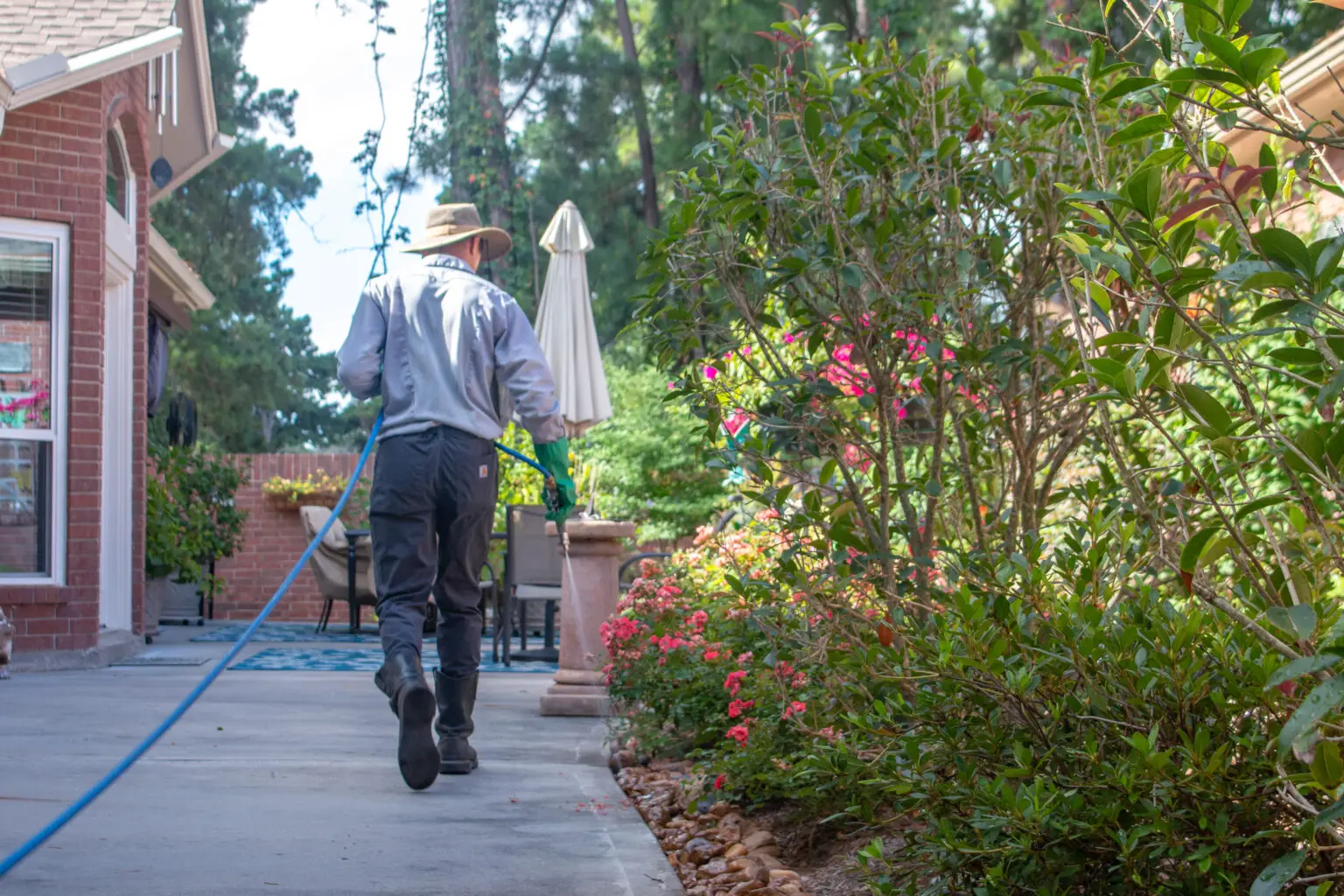
Managing residential or commercial properties requires more than just upkeep and tenant satisfaction; it also involves proactive protection from unwanted intruders. Pest control plays a critical role in safeguarding a property’s structure, reputation, and overall safety. Whether it’s termites compromising the foundation, ants invading kitchens, or mosquitoes breeding in standing water, property managers must stay ahead of potential infestations to prevent long-term issues. With ongoing tenant turnover, seasonal weather changes, and varying occupancy patterns, pests often find opportunities to thrive undetected. Left unmanaged, even minor infestations can spiral into expensive, health-threatening problems. Implementing a structured pest management program is not just a preventative measure; it’s a core responsibility of effective property stewardship. Why Property Managers Must Prioritize Pest Control Neglecting pest control in any type of property can quickly lead to reputational harm and financial losses. Tenants expect a clean, safe living or working environment, and visible pests break that trust immediately. Here’s why pest control is non-negotiable in property management: Properties that use scheduled treatment services enjoy smoother operations and better tenant retention. Common Pest Threats in Rental and Commercial Properties In managed properties, pest activity often goes unnoticed until the problem has escalated. Certain pests are especially common in rental homes, apartments, and commercial buildings, each with unique risks to health, safety, and structure. Each pest requires a targeted response, making consistent monitoring and professional intervention a wise long-term approach. Benefits of Scheduled Pest Maintenance Routine pest control programs offer more than just extermination; they focus on long-term prevention. For landlords and managers, investing in ongoing service is often more cost-effective than reacting to emergencies. Here’s what proactive maintenance typically includes: By reviewing these pest control plans, property managers can choose a schedule that fits their occupancy levels and seasonal concerns. How Pest Issues Can Affect Property Value Infestations don’t just inconvenience tenants, they threaten a property’s marketability. Termite damage, visible cockroach activity, or signs of rodents can reduce resale or rental value significantly. Worse, unaddressed issues may require large-scale remediation such as structural repairs, electrical rewiring, or health compliance fines. To protect an asset’s long-term value, pest management should be treated like HVAC or plumbing, a critical infrastructure requiring regular attention. Even the presence of insect droppings in a vacant unit can delay leasing and lower the impression during showings. A review of the benefits of regular pest control highlights how planned maintenance is a wise investment for long-term ROI. Professional Partnerships vs. DIY Attempts Some property managers may consider handling minor pest problems themselves or assigning the task to maintenance staff. While this might seem cost-effective in the short term, DIY methods rarely deliver lasting results. Most over-the-counter treatments only address visible pests, leaving colonies or nests untouched. Professional services offer: Ultimately, professional pest control provides peace of mind and demonstrates a commitment to quality for tenants and investors alike. Your Property Deserves Expert Protection Consistent, strategic pest control is one of the most valuable investments a property manager can make. Don’t wait for tenant complaints or structural damage to take action. To develop a comprehensive plan that safeguards your property and reputation, reach out to Fullscope Pest Control.