 1500+ reviews

The Best Treatment for Bedbugs: Effective Solutions Explained
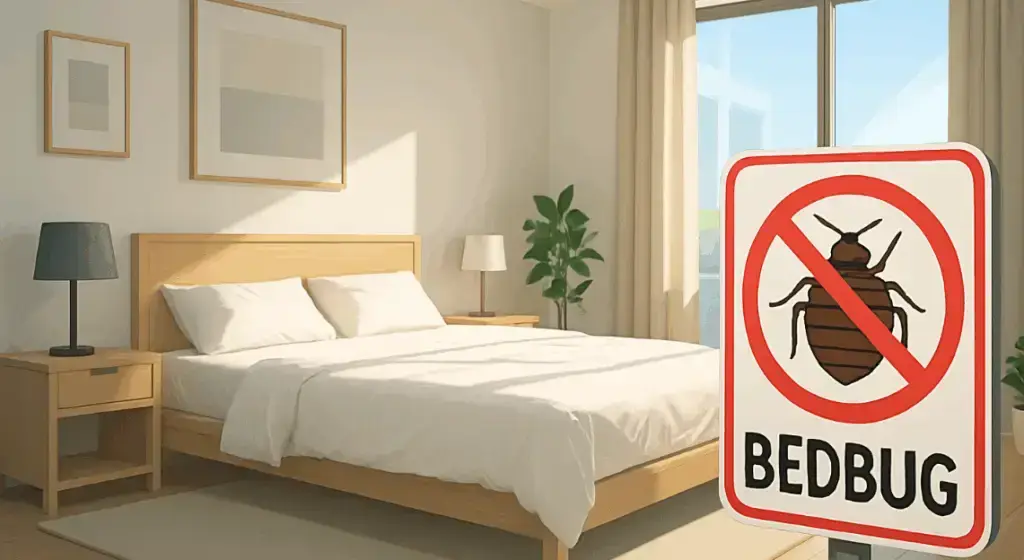
Key Highlights Read on to explore solutions for control and prevention of bedbugs in detail. Introduction Bedbugs are tough pests. You need strong pest control steps to get rid of them. They like to hide in places you can not see easily. Because of this, bedbugs can ruin the comfort of your home. Bed bug control includes doing careful checks and using both chemical and non-chemical treatments. You can try some methods by yourself or you can pick a professional exterminator for help. To remove bedbugs, it takes time and a steady plan. Spring, Texas homeowners can follow some clear steps for a good answer to this pest problem. Understanding Bedbugs: What Spring, Texas Residents Need to Know Bed bugs are small bugs that you can find in the home. These pests have a reddish-brown color and are about the size of an apple seed when they grow up. Bed bugs, both adults and their young called nymphs, live by biting and drinking blood from people and animals. You will often find them hiding in and around the places where you sleep, so they can be hard to spot. Bed bugs go through a few stages: eggs, nymphs, and adults. Females can lay hundreds of eggs during their life. That’s why it is so important to use pest control right away. If you live in Spring or surrounding areas and see signs of these pests, act fast to stop them from taking over your home. Common Signs of a Bedbug Infestation How can you tell if you have bedbugs in your home? There are some clear signs of bedbugs that show if this pest is around. Try to look for reddish spots on your bedding, box springs, or mattress. These may be stains where bedbugs were crushed. It is hard to miss these. There can also be small dark spots left by bedbugs. These often look like dirt and you may see them in the seams or crevices of your bedding, mattresses, and furniture. These dark droppings are one sign that there could be a bedbug problem. Look out for bedbug eggs and the old skins that they shed. The eggs are tiny and pale yellow. You can also find their empty skins, which means the number of bedbugs may be going up. It helps to use a flashlight to check well around your bedding and furniture, especially in the seams and crevices. It is good to do this often, as it can help you spot infestations early and take action before things get worse. How Bedbugs Spread in Spring, Texas Homes Bedbugs are very good at hiding and spreading without getting noticed. They often live in luggage and linens, so travel is a common reason why there are infestations in many homes in Texas. These bugs like to hide in places such as cracks, seams, and any clutter you may have. This makes it easy for them to stay unnoticed and spread out. Bedbugs can also go into places like electrical outlets. Because they are small, they can get into small spots that you do not often check when you look around for them. So, it is easy for them to move from one room to another or even through shared walls in apartments. To keep bedbug infestations from growing, you need to keep clutter down and make sure storage is organised. Taking simple steps while you travel can help protect your home. Always inspect your luggage and wash your linens when you come back from a trip. Watch out for places where bugs can get inside so you can keep your home free of bedbugs. Health Risks and Impacts of Bedbug Infestations Bedbug bites might look small, but they can be risky. The bites often make the skin itch and, for some people, cause an allergic reaction. Other than the rash or marks, bedbug bites also lead to stress and worry. Bedbugs are good at hiding in bedding and around where people sleep. Because of this, many people who have infestations feel anxious and like there is not much they can do. Dealing with these bugs can make people extra watchful about where they sleep and sit, especially on bedding and any soft furniture. Getting full treatment for bedbug problems not only helps get rid of the bugs, but also lets homeowners relax and get back to their life. Physical Effects of Bedbug Bites Bedbug bites are small marks that make your skin itch. They happen when the bedbug uses its protective outer coating to break your skin and feed. These bites are usually only a few millimeters wide. Itching and swelling are common. If you scratch at them, the spot can get worse or become infected. Bedbug bites tend to show up together or in lines. They happen at night on areas like your arms, legs, or neck. Bedbugs do not go deep into your skin like some pests. Still, they can keep you up at night and bother you during the day. If you see bite marks and think that you have a pest problem, start pest control right away. Moving fast will help stop more issues with infestations from bedbugs. You may want to use skin creams or other safe treatments for relief. Do not forget to use pest control steps so that the bites do not come back. Emotional and Psychological Stress Caused by Bedbugs Bedbugs can do more than make your skin itch. They can also make you feel stressed in your mind and your emotions. When you see repeated bites or pest activity in your condominium, it can hurt your mental health. Having bedbugs in your home may feel like it is not safe or not yours anymore. This can bring on feelings of worry and anger. If you rent a space from a landlord, you might feel people will look down on you or think it is your fault, even when pest infestations might come from nearby homes. Infestations like
Essential Summer Pest Control Tips for Texas Homes
Key Highlights Introduction Summer in Texas can get very hot, and this hot weather brings more pest problems to Texas homeowners. The heat and the high humidity make many Texas homes a good place for various pests. You might see unwanted guests like pesky mosquitoes or even rodents. To keep your house safe and comfortable, it helps to use pest control and good preventative measures. You can try DIY ways to keep pests away, or you can get professional support. Taking care of summer pest control will help protect the health of your family and give you peace of mind as a Texas homeowner. Common Summer Pests in Humble, Texas Texas’s hot summer brings the right kind of weather for a lot of pest activity. In this heat, a variety of pests, like mosquitoes, ants, cockroaches, spiders, and rodents, can get into homes in Humble. These types of pests like to be out when the warm temperatures of summer come. If you see pests often, you should act fast. This helps stop an infestation before it gets worse. Knowing how pests behave can help you with pest management. For example, many pests go after food that people leave out or they like to hide in a pile of things. Some pests do well where there is still water or damp spots in the house. Identifying Mosquitoes, Ants, and Cockroaches Mosquitoes are some of the most common unwanted guests during Texas summers. You may know they are around when you hear buzzing sounds, see red and itchy bites on your skin, or spot them hanging out near standing water. Standing water is a big breeding ground for these pests. If you fix water problems like puddles outdoors, it can help keep them away. Ants, and especially fire ants, come into homes in the summer months in Texas. They look for food that gets left out and little crumbs. You may see ant trails in your kitchen, pantry, or even coming in through breaks in a wall. These mean you have an ant problem. Seal up cracks in your house and keep things clean to stop these ants from getting in. Cockroaches can bother people and also bring health risks. You might see small, dark waste that looks like coffee grounds or pepper, spot roaches in dark corners, or find droppings on counters. To handle cockroach control, keep your food in closed containers and clean often. Risks Associated with Spiders, Wasps, and Rodents Spiders in Humble, Texas homes can be both helpful and risky. Some are harmless and help keep pests away. But others, like Black Widows, can be dangerous and bring health risks. If you see webs in corners, on ceilings, or in dark spots, this means there are spiders. The friendly types are good for your home. But if you spot risky ones, it is best to get them out right away. During the warm summer months, you may notice more wasps around your Texas home. They often build nests up high, near rooflines or in trees. Wasps may turn aggressive if you get too close or bother them. Their stings hurt and could cause allergic problems for some people. Using professional help to remove nests is the safest way. Rodents are destructive pests that will come into your home for food and to stay warm. They can do significant damage by chewing on things and leaving droppings. If you hear scratching in your walls or find chewed furniture, these are signs of rodent activity. Rodents are also carriers of diseases, so getting rid of them fast is important to keep your health and your property safe. Where Pests Enter Your Texas Home Entry points can make it easy for pests to get into Texas homes. The main trouble spots are the gaps in windows, loose door frames, and small cracks in the foundation. Attics, basements, and crawlspaces also give pests a way to come inside. To deal with these pest issues, you have to find the problem early. Sealing all potential entry points helps as well. Regular checks for weak spots and cracks in the house structure can go a long way to keep pests out, especially in the summer months when they are most active. Inspecting Doors, Windows, and Foundation Cracks Doors and windows are the main entry points for pests. When screens are worn-out, or there are gaps near frames, pests like ants and flies find it easy to get in. Loose weather-stripping can also let them come inside. Small openings like foundation cracks can also let rats and other pests come in. Early detection of these small openings by checking your home often can stop bigger problems later. When you seal cracks and gaps on a regular basis, it is a good way to stop pest issues. To help stop pest issues, try these tips: Checking for small openings and using early detection can keep pests out and your home safe. Recognizing Signs of Pest Activity Indoors and Outdoors Spotting pest activity early can stop a lot of damage. Inside your home, some signs to look for are droppings, chewed-up furniture, or greasy marks left by rodents. You might also see cockroach waste that looks like coffee grounds. Look for webbing or bits of nest to help you know if pests are there. Outside, pest activity can show up as hurt plants or grass, mud tubes that mean termites are around, and standing water. If you hear strange sounds coming from under the house or in the walls, this could mean there are hidden ants, mice, or other pests living there. If you see pests, like a line of ants outside or dead roaches by the trash, you know for sure there is pest activity. Keep checking for signs like bite marks, your pet scratching more than usual, or bad smells getting stronger. These can all hint at infestation problems. Effective Indoor Prevention Strategies Keeping pests out starts with strong indoor preventative measures. When you
How Do I Know If I Have Bed Bugs? Signs to Look For

Key Highlights Introduction Are itchy red bumps making it hard for you to sleep at night? You could have a bed bug problem. These tiny parasites feed on your blood and like to hide in your home. Knowing the signs of bedbugs early, like bug bites, red bumps, bad smells, and other clues, helps you stop a bigger infestation before it starts. If you feel itching or see stains on your bedding, it’s important to act fast. Check your home right away for these pests, so you can get rid of them before they spread. Understanding Bed Bugs: Basics You Should Know Bed bugs are well-known pests. They live near people and often stay where you sleep. These small parasites need blood to eat, so your bed is one of their favorite spots. Many people think these bugs like dirty places, but they can be in clean homes too if they get the chance. If even one infestation starts, it can get worse very fast. This is because bed bugs have many babies. When you know where they live and what they eat, you can start to deal with them in your home. Next, we will talk about where they come from. What are bed bugs and where do they come from? To understand bed bugs, you first need to know where these bugs come from. Bed bugs are tough. They spread when they hitchhike on your things. For example, they may be on your luggage or inside used items like secondhand furniture. Even if you stay at a five-star hotel, you still can run into bed bugs there. About one in five people living in the United States has had a bed bug infestation or knows someone who has had it. The Environmental Protection Agency says these small parasites hide in cracks and crevices. They wait for people to be close so they can feed on blood, which is how they stay alive. Bed bugs mostly come out at night. They do this so people do not see or catch them easily. No matter if you are traveling or buying used goods, you should always check for signs of bedbugs. Make sure to look at your mattress, anything with soft covering, and box springs. By knowing where bed bugs hide and what to look for, you can take the right steps to stop an infestation before it starts in your home. What do bed bugs look like at different life stages? Bed bugs have different life stages, and each one looks different. Adult bedbugs are flat and reddish-brown. They are about the size of an apple seed. The young ones are called nymphs. They look yellow and see-through unless they eat. After feeding, they get darker. Bed bug eggs look white like tiny pins. Take a look at this quick table to help you know what to look for: Life Stage Appearance Adult Flat, reddish-brown, apple seed-sized (5-7 mm) Nymph Yellow-translucent; darker after feeding Eggs Pearly white, marked with black dots after 5 days A female bedbug will lay many eggs. This makes an infestation worse fast. To get rid of these parasites, spotting adults or their left-behind exoskeletons is very important. Now, let’s find out about usual places where they may be hiding. Typical Places Bed Bugs Hide in Conroe, Texas Homes Your home gives many hiding places to these pests, especially near where you sleep. Bed bugs like beds, couches, and chairs the most. They use crevices and hidden spots for shelter in the day. You should check seams of mattresses, cushions, and wall corners often. You will often find their hiding spots there. If you take care of these hiding places quickly, you can control infestations and stop them from spreading. Now, let’s go over some of the most common places where bed bugs gather. Most common hiding spots for bed bugs Bed bugs like to stay hidden in small spots close to where people sleep. Here are the places where bed bugs hide the most: These bugs also get into bed frames. They do this so they will not be seen during the day. If you check these hiding places, you can cut down on a bed bug infestation. Up next, we look at why homes in Texas are more likely to have this problem. Why bed bugs thrive in Conroe, Texas homes Texas has the right mix of things for bed bugs, such as high heat and a lot of moisture in the air. This warm and wet weather gives bed bugs a good place to grow. It helps these pests be in more homes. These favorable conditions make it easy for infestation to spread quickly. Also, many people in Texas travel a lot and live close together in cities. This can help the bugs travel, too. Bed bugs often come into homes with people’s luggage, or when people bring in secondhand furniture. The bugs are tough because they can go months without eating. This makes it even harder for people to get rid of them. So, if you are in Texas, you have to stay aware. Make sure to always check your home and look into any possible hiding spots for these pests. Soon, we will talk about the signs that show if you have an infestation. Early Signs of a Bed Bug Infestation Spotting early signs of bed bugs can help you stop an infestation before it gets worse. You need to look for tiny dark spots and streaks of blood on the bedding or furniture. These dark spots could come from bug droppings or squashed bugs. You may also find shed exoskeletons, or smell something sweet and musty in the room. These are big clues that bed bugs might be around. If you find these signs early, you can fix the problem faster and have less pain from bites. Let’s talk about other signs to look for on your things and the strange smells that tell you if there could