 1500+ reviews

The Best Time to Treat Lawn Grubs and Prevent Damage
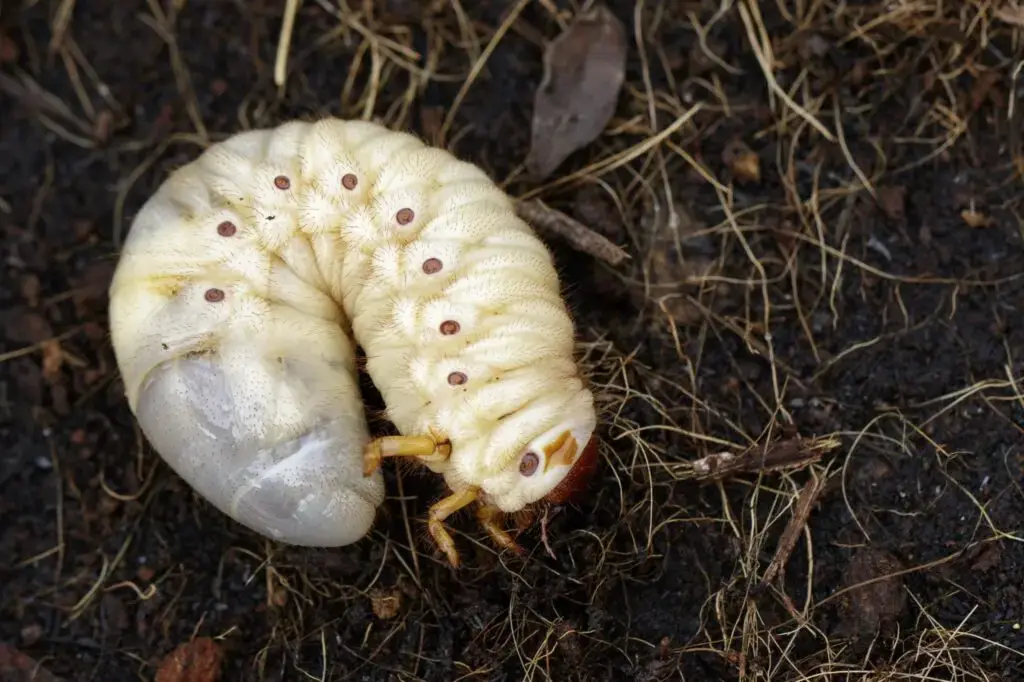
Grubs can turn a thriving lawn into unsightly patches of brown, dying grass. These pests feed on the grass roots, making it hard for your lawn to absorb water and nutrients. If you want to keep your lawn healthy (and avoid getting a call from your HOA about how your lawn is ruining the neighborhood’s aesthetics), you need to know the basics of grub control and how to stop them before they cause real damage. What Are Lawn Grubs? Lawn grubs are beetle larvae. They live just below the surface of your lawn and eat the roots of your grass. This feeding weakens the turf and can lead to thin, brown, or dead areas. Grubs are most active in late summer and early fall, but their life cycle starts much earlier in the year. Grubs are easy to miss at first. You might not notice them until you see large, irregular brown patches in your lawn, at which point, they’ve already done their damage. What’s worse is that sometimes, birds, skunks, or raccoons will dig up your yard looking for these larvae, creating another problem. Signs You Have a Grub Problem Before you treat for grubs, you need to know what to look for. Grub damage often appears as: If you suspect grubs, peel back a small section of turf. If you see more than five to ten grubs per square foot, it’s time to act. Understanding the Grub Life Cycle Knowing the grub life cycle helps you choose the right time for treatment. Most grubs hatch from eggs laid by beetles in early to mid-summer. The larvae feed on roots through late summer and early fall, then burrow deeper as winter approaches. They return to the surface in spring, but by then, they’re larger and harder to control. Why Timing Matters The best time to treat for grubs is when they’re small. This is the time when they live closest to the surface, not deep underground. Treatments work best on young larvae, not on mature grubs that have already caused damage. Applying products too early or too late can reduce their effectiveness. Treating Active Grub Infestations If you notice damage in late summer or fall, you’re likely dealing with mature grubs. At this stage, curative treatments can help, but they may not be as effective as preventative options. These treatments target grubs already feeding on roots. How to Prevent Grub Damage Prevention is more effective than trying to fix a damaged lawn. Here are some lawn care steps you can take to keep grubs from taking over: By sticking to these practices, you give your lawn the best chance to resist grub infestations and recover quickly if problems do occur. How to Spot Grub Damage Early Early detection helps you act before grubs ruin your lawn. Check for these warning signs: If you find grubs, count how many are in a square foot. More than five to ten means you should treat the area. Steps to Take If You Find Grubs If you confirm a grub problem, act quickly: What Happens If You Don’t Treat Grubs? Ignoring grubs can lead to bigger problems. As they eat the roots, your lawn weakens and becomes more vulnerable to drought, disease, and weeds. Severe infestations can kill large sections of grass, leaving bare spots that are hard to repair. Restoring a Lawn Damaged by Grubs If grubs have already damaged your lawn, you can help it recover: Recovery takes time, but with consistent care, your lawn can bounce back and look even better than ever. Final Thoughts Grubs can cause serious damage to your lawn, but you can control them with the right timing and care. Preventative treatments in early to mid-summer work best against grubs. Keep your lawn healthy with regular mowing, aeration, and proper watering, and you shouldn’t worry so much about grubs as you would if you neglected its health. But ff you spot signs of grubs, act quickly to limit the damage and help your lawn recover. You can also work with pest control professionals that offer lawn care services to help keep your lawn in tip-top shape.