 1500+ reviews

The Ultimate Guide to Pet Safe Ant Control Methods
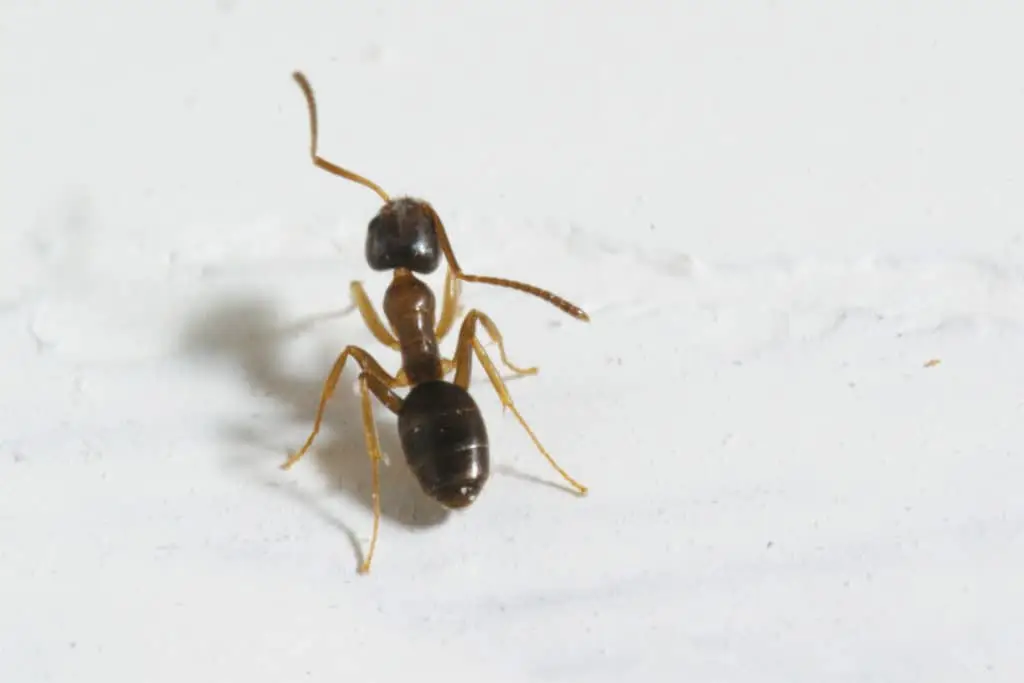
Key Highlights Discover safe and effective ant control methods that won’t harm your furry friends. Get expert advice on when to call in professional pest control for assistance. Introduction Dealing with annoying ants can be hard, especially if you have pets at home. It’s important to use safe ant control methods that don’t put your pets at risk from harsh chemicals. Thankfully, you can get rid of these unwanted visitors with natural ingredients and pet-safe options. In this simple guide, we will look at effective ways to control ants while keeping your pets safe. Understanding Pet Safe Ant Control When it comes to our pets, using safe ant control methods is very important. Many standard ant control products have harsh chemicals. These chemicals can harm pets if they breathe them in or eat them. Such exposure can cause health problems, from mild irritation to serious issues. Pet owners should make their furry friends’ safety a top priority. They can choose pet-friendly ant control options. Natural ingredients, DIY remedies, and pet-safe products that you can buy work well as alternatives to harmful chemical ant killers. These methods lower the risk of pets touching dangerous substances and help keep them healthy. The Importance of Choosing Safe Methods Keeping your pets safe is very important. This includes the products you use at home. It is crucial to choose ant control methods that have low toxicity. This helps to avoid accidental poisoning or bad effects on your pets. Many pet-safe options work as well as traditional methods. They use natural ingredients or smart ways that reduce risks. A good solution gets rid of the ants while keeping your furry family safe. When picking an ant control product, look closely at the label. Check for warnings, active ingredients, and directions. Choose products that say they are safe for pets. You can also ask your veterinarian for recommendations. Common Household Ingredients to Avoid Some everyday items at home may seem like good solutions for ant control, but we must remember that what is safe for us may not be safe for pets. Some common things in our houses can be very dangerous if pets swallow them. For example, a little baking soda might be okay, but too much can upset your pet’s electrolyte balance. This could lead to tremors or seizures. Essential oils are often seen as safe, but they should be used carefully. Some essential oils can upset a pet’s stomach or cause breathing issues. Make sure to look into essential oils before using them and use diffusers in spots where pets cannot go. Always put all cleaning products, insecticides, and anything toxic where pets cannot reach them. Store these products in cabinets or containers that your pet cannot access. Natural and Safe Ant Repellents Natural ant repellents keep ants away by using smells that they dislike, without using harsh chemicals. These safe options are good for your pets and offer a kinder way to control ants. Using essential oils, such as tea tree oil, peppermint oil, and citrus extracts, is a great way to prevent ants. The strong scents from these oils can interrupt ant trails and stop them from getting into your home. Using Essential Oils for Ant Control Essential oils make a great natural way to keep ants away. Tea tree oil, in particular, is strong and works well to repel ants. You can use it as a natural ant repellent. To use tea tree oil, mix a few drops with water and spray it where you see ants. You can also soak cotton balls in this mixture and put them along ant trails or where ants are coming in. Be careful and always dilute essential oils first, as they can be strong. While these oils are usually safe for people, they can be harmful to pets, especially cats. Keep them away from pets and ensure good air flow when you use them. The Role of Cinnamon and Citrus in Keeping Ants Away Cinnamon and citrus fruits, like lemons, are great natural options for controlling ants. These common items can help keep ants away. Ants dislike the strong smell of cinnamon, which makes it an effective repellent. To use cinnamon, sprinkle ground cinnamon where ants enter your home, such as on windowsills or doorways. This will help block their way. Lemon juice also works well. Its acidity can disrupt ant trails and hide their scent, making it hard for ants to find their way. A simple ant repellent can be made by mixing equal parts of lemon juice and water in a spray bottle. You can spray this mixed solution around entry points and places where ants usually go. DIY Pet Safe Ant Baits DIY ant baits that are safe for pets are a great way to control ant problems. They are also cheap to make. These baits attract ants and give them a dose that kills them, helping to remove the entire colony. You can use simple items like sugar and borax to make strong ant bait that affects their digestive systems. Be sure to put these baits in spots where you see ants, but keep them away from your pets. How to Make Sugar and Borax Bait A borax ant bait is a safe way to get rid of ants. It works without using strong chemicals. The mix of sugar and borax makes a tasty treat for ants, which can be deadly. To make your sugar and borax bait, combine equal parts powdered sugar and borax in a bowl. The sugar is a lure, and the borax is a slow poison that affects the ants’ digestive systems. Add a few drops of water to make it into a paste. Put this paste on small pieces of cardboard or index cards. Place them in spots where you see ants. Make sure to keep these baits out of the reach of pets and children. Crafting a Pet-Friendly Protein Bait While sugar baits are good for many types of ants, some prefer
Ultimate Guide: Getting Rid of Rats in 2024
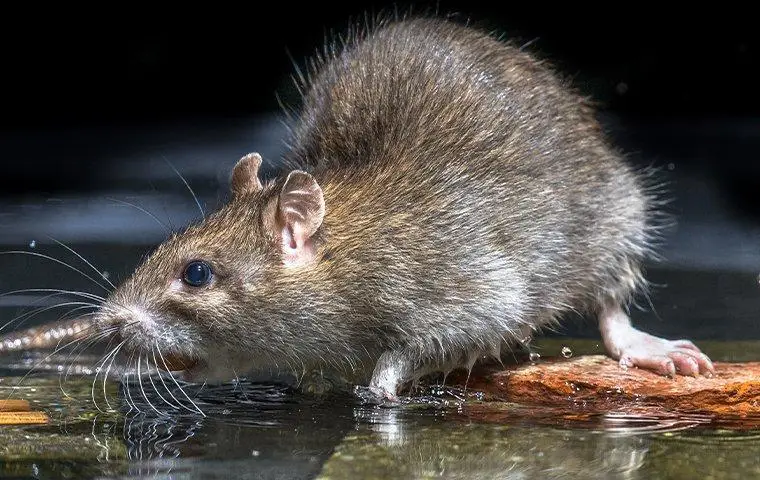
Key Highlights Identifying signs like droppings, gnaw marks, and noises is crucial for early detection. Preventive measures involve securing food, managing waste, and sealing entry points. Introduction Having a rat problem can be very stressful for homeowners. These unwanted visitors can get into your home through small gaps. Once inside, they can become a major nuisance. To keep your home clean and healthy, it’s important to understand the basics of pest control and how to effectively remove rats. This guide will give you all the information you need. How to Get Rid of Rats If you have a rat problem, there are many ways to get rid of them. The best method will depend on how bad the problem is and what you feel comfortable with. You can choose from do-it-yourself methods or get help from expert pest control services. Knowing your choices can help you decide the best way to take care of the issue. Setting the Right Traps Trapping is a popular way to control rat populations. There are different types of traps, and each has its good and bad points: When you set up traps, put them where you see rat activity. Good spots include along walls or near food sources. Always wear gloves when you handle the traps and dispose of any caught rats. Environmental Friendly Repellents When you have a rat problem, try using eco-friendly repellents like peppermint oil. This natural option helps with pest control and does not harm the environment. Another good choice is to place cotton balls soaked in essential oils near entry points. These methods can keep rats away without using harmful chemicals. By adding these natural ways to your pest management plan, you can effectively remove rats while being kind to the earth. When to Use Professional Pest Control Services While DIY methods can help, some situations need professional pest control services: FullScope Pest Control Solutions If you have a rat problem in Houston, TX, FullScope Pest Control can help you. We know the problems people in Houston deal with when it comes to rodents. That’s why we make special plans just for you as a pest control company. Our skilled staff is dedicated to giving you safe and effective rat control services. We use the newest methods and eco-friendly practices to solve your pest problems. Customized Rat Control Plans for Houston Residents We believe in a personalized approach to rodent control. Our customized rat control plans are designed after a thorough inspection of your property. We identify existing rat activity, potential entry points, and conducive conditions to tailor the treatment plan accordingly. Our services typically include: Service Description Inspection Thorough assessment of your property to identify rodent activity and entry points Trapping and Removal Strategic placement of traps and safe removal of trapped rodents Exclusion Sealing entry points to prevent future infestations Sanitation Recommendations for improving sanitation practices to deter rodent activity Safety Procedures and Eco-Friendly Methods At FullScope, we focus on safety and caring for the environment: If you suspect rat activity in your home, watch out for signs such as droppings, gnaw marks, nests made of shredded materials, greasy rub marks along walls or pipes, and scampering noises in the walls or ceiling, it is time to call in the professionals. Conclusion In conclusion, dealing with rat problems needs a careful plan to keep your home and family safe. You should look for common signs of rats, use prevention methods, and apply effective ways to get rid of them. It’s important to act quickly since rats can cause health risks. For people in Houston, FullScope Pest Control provides customized solutions that focus on safety and being eco-friendly. Stay alert, take quick action, and ask for expert help when necessary to keep your space free of rats in 2024. Frequently Asked Questions How often should I inspect my property for signs of rats? Inspecting your property regularly is very important. Check for signs of rats at least once a month. If you live in an area with many rodents, inspect more often. Look closely at the places where you first saw signs of rats or where food might be left out. What are the first steps to take when you notice a rat in your home? The first step is to stay calm. Do not try to catch the rat on your own. Right away, put away any food sources. Store food in airtight containers. Then, call a pest control professional for help. Can rats become immune to traps and poisons? Yes, rat populations can become used to some poisons. They may also learn to avoid traps. If you keep having problems, you may need to use different types of traps or poisons. What should I do if DIY methods fail to control the rat problem? If DIY methods do not work, you should call a professional pest control service. They have the skills and tools to handle the rat problem effectively. How can FullScope Pest Control help with rat infestations in Houston, TX? FullScope Pest Control gives tailored solutions for rat problems in Houston, TX. We offer various services. These include checking for pests, removing them, and stopping them from coming back.