 1500+ reviews

Quick & Effective Bat Removal Near Me
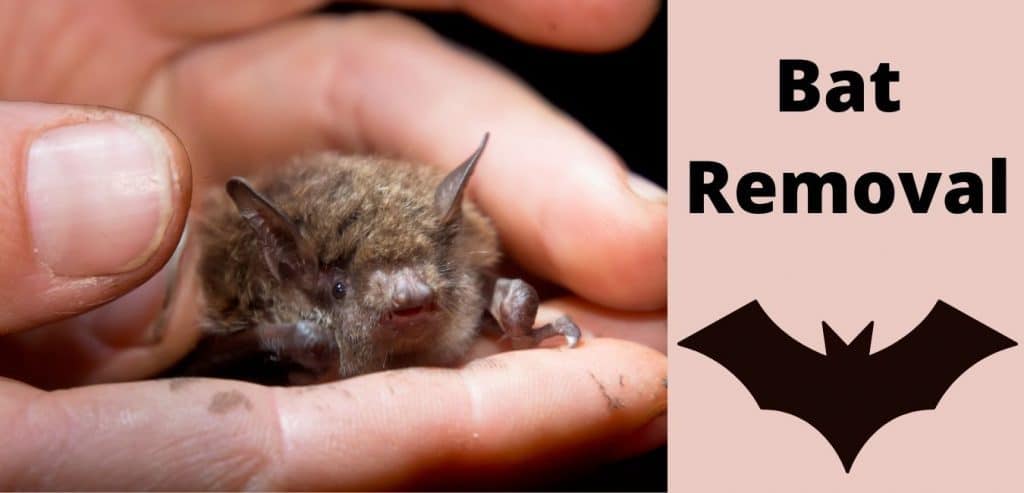
Key Highlights Professional bat removal ensures safe and humane eviction. Introduction Dealing with a bat infestation in your attic or home can be unsettling. These nuisance wildlife often find their way into our living spaces, creating a potentially hazardous environment. Bat removal and pest control are essential for protecting your home and family. This comprehensive guide offers insights into quick and effective bat removal solutions, emphasizing the significance of professional help. Top Methods for Quick & Effective Bat Removal Effective bat removal hinges on understanding their habits and utilizing humane methods. Bats are nocturnal creatures, spending their days roosting in dark, secluded areas like attics. One of the most effective removal methods involves installing one-way doors, allowing bats to exit at night but preventing their return. This approach, combined with sealing potential entry points, provides a lasting solution. Remember that many states have regulations preventing bat control during maternity season. Identifying Signs of a Bat Infestation in Your Home Suspecting a bat infestation? Look out for these telling signs of a bat problem in your home: One of the most evident signs of a bat infestation is bat droppings, also known as bat guano. You might find these droppings accumulated near entry points or in your attic. Guano resembles dark, rice-sized pellets and often leaves stains on surfaces. Another indicator is the pungent smell of ammonia, which emanates from their urine. You might also hear strange scratching or squeaking noises coming from your attic, especially during the nighttime when bats are most active. If any of these signs are present, taking immediate action is vital. Essential First Steps to Take for Safe Bat Removal Discovering bats in your home can be alarming. However, homeowners should remember that these creatures are more scared of you than you are of them. The first step is to remain calm and avoid direct contact with the bats. Contact a professional pest management company specializing in bat exclusion. They have the expertise to assess the situation, develop a safe and humane removal plan, and implement effective preventive measures. Before you call, there are a few things you can do: The Importance of Professional Bat Removal Services While DIY methods may seem tempting, professional bat removal services are essential for several reasons. Professionals understand bat behavior and employ humane methods to ensure safe and effective removal without harming the animals. Moreover, attempting DIY bat removal might expose you to diseases. Professionals have the necessary protective gear and knowledge to mitigate these risks. Why DIY Bat Removal Methods Often Fail DIY bat removal methods often prove ineffective and can sometimes exacerbate the infestation. Nuisance wildlife, like bats, can display unpredictable behavior, making it difficult to remove them without proper knowledge. Professional bat control services encompass various techniques tailored to the specific situation. Exclusion, a humane and effective method, involves installing one-way doors, allowing bats to exit but blocking their return. Bats are persistent creatures, and sealing a single entry point might not suffice. Their small size allows them to squeeze through tiny gaps that are often overlooked. Employing professional prevention services helps identify and address these vulnerabilities. How Professional Exclusion Ensure a Bat-Free Environment Bat removal services provided by wildlife control experts ensure a bat-free environment through a systematic approach. This includes a thorough inspection of your property to identify entry points and assess the extent of the infestation. Professionals utilize proven techniques like exclusion services to effectively and humanely evict bats. This involves installing one-way doors, also known as bat valves, allowing the bats to leave their roost at night but preventing re-entry. Once the bats are gone, professionals seal all entry points, preventing future infestations. Remember that removing bats goes beyond simply evicting them. It involves understanding their habits and implementing long-term solutions. Trusting experts provides peace of mind knowing your home is protected. Residential services consistently usually help find the issues before the problem actually starts. Having a professional inspecting your home every 3 months is ideal for stopping bat and other wildlife before they start. Conclusion In conclusion, prompt action is crucial when dealing with a potential bat infestation in your home. Understanding the signs of their presence and the risks they pose emphasizes the importance of swift and effective removal methods. While DIY approaches may seem cost-effective, the expertise and safety provided by professional bat removal services are unmatched. Ensuring a bat-free environment requires proper assessment and measures that only trained professionals can deliver. Protect your home and loved ones by prioritizing quick and efficient bat removal to maintain a safe living space. Frequently Asked Questions What are the signs that I have bats in my attic? Key signs of a bat infestation: bat guano (droppings) resembling dark, rice-sized pellets; a pungent ammonia-like smell; and hearing scratching or squeaking noises from your attic. You may even catch a glimpse of their furry bodies, particularly at dusk when certain bat species emerge to feed. Can bats cause damage to my property? Yes, bat guano can stain and damage insulation, wood, and other materials. Accumulated guano may require attic restoration. While their appetite for mosquitos is beneficial, having a colony of bats nesting in your home necessitates professional removal and cleanup. Is it safe to remove bats on my own? Safe bat removal is best left to trained pest control professionals. Bats can carry rabies and other diseases transmissible through bat bites. Attempting removal yourself poses health risks.. Professionals have the expertise and equipment to ensure safe and humane removal.
Wasp Exterminator | How To Identify & Get Rid Of Wasps | FullScope Pest
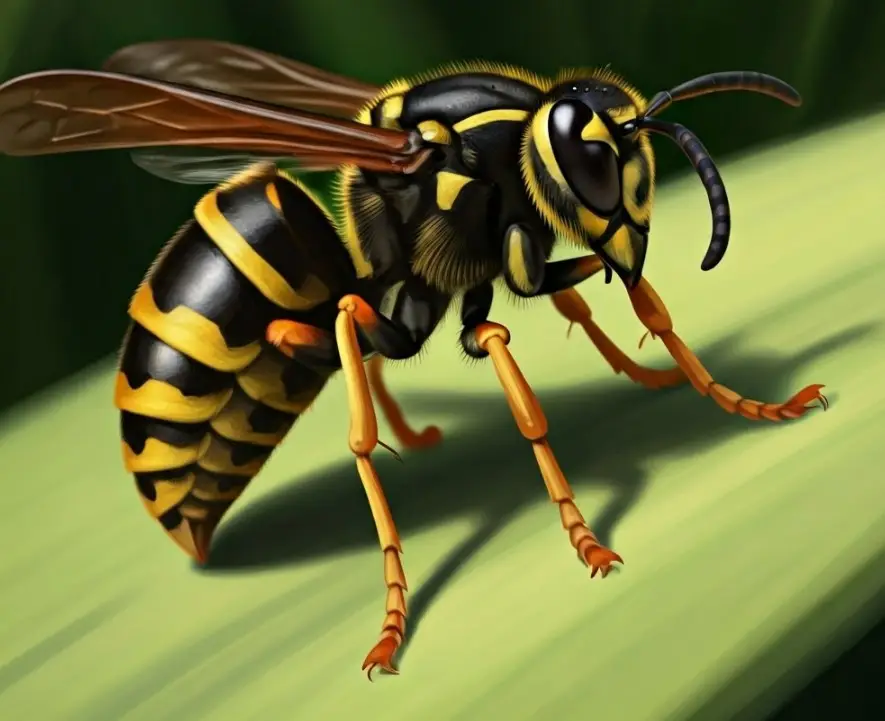
Key Highlights Introduction Dealing with a wasp infestation can be an unnerving experience. Understanding the different types of wasps, their behavior, and the best ways to eliminate them is crucial for maintaining a safe and enjoyable outdoor environment. This comprehensive guide will provide you with valuable information about wasp species commonly found in Texas and effective strategies for wasp control. If you’re facing a wasp problem, it’s important to remember that professional wasp exterminators are equipped to handle these situations safely and efficiently. Identifying and Eliminating Wasps: A Comprehensive Guide Dealing with wasps goes beyond merely eradicating them. A multi-pronged approach involving accurate identification, understanding their behavioral patterns, and implementing safe removal techniques is necessary. This comprehensive guide focuses on providing homeowners with practical knowledge and actionable steps to combat wasp infestations. We’ll cover everything from identifying common wasp species to employing preventive measures for long-term relief. Whether you’re dealing with a minor nuisance or a full-blown infestation, this guide will equip you with the necessary information to handle the situation confidently. How to Spot Different Wasps Species in Texas Texas, known for its diverse ecosystem, is home to numerous wasp species. Among the most common are paper wasps, yellow jackets, and mud daubers. Each type exhibits unique traits, making identification crucial for effective control. Paper wasps, identifiable by their slender bodies and brownish color with yellow markings, are known for their paper-like nests, often found hanging from eaves or tree branches. Yellow Jackets, smaller and more aggressive, display a distinctive black and yellow pattern and typically nest underground. Mud daubers, easily recognized by their long, thread-like waists and fuzzy bodies, construct mud cells in secluded spots like sheds or garages. Recognizing these distinctive characteristics aids in implementing targeted treatments, focusing on each species’ specific nesting and behavioral patterns. Knowing your enemy is the first step towards effective wasp control. Decoding Wasp Behavior: What Attracts Them? Understanding wasp behavior is paramount when confronting a wasp problem. These insects are highly active during warmer months, relentlessly searching for food, water, and nesting sites. One significant aspect of their behavior is their attraction to sweet foods. As temperatures rise and food sources become abundant, wasp activity increases significantly. They are particularly drawn to sugary substances, like soda cans, making outdoor gatherings, picnics, and even uncovered trash cans susceptible to wasp visits. This attraction to sweet foods often brings them into conflict with humans, especially during late summer when their colonies are at their peak. To mitigate potential wasp problems, it’s essential to be mindful of their dietary habits. Practice proper food storage, keeping sugary drinks covered, promptly cleaning up spills, and ensuring trash cans are tightly sealed. These preventative measures can significantly reduce wasp activity around your property. Step-by-Step Process to Safely Get Rid of Wasps Eradicating a wasp infestation involves a systematic approach that prioritizes safety and effectiveness. Before attempting any removal methods, carefully assess the situation, considering factors such as the wasp species, nest location, and the severity of the infestation. Once you’ve adequately assessed the risks, you can explore different wasp control options, including DIY methods or professional extermination. Remember, dealing with wasps can be dangerous, and seeking professional help is always recommended, especially for large, established nests or individuals with allergies to stings. Assessing the Situation: Types of Wasp Nests The first step in tackling a wasp infestation involves identifying the type of wasp nest present. Different species exhibit unique nesting preferences and construction techniques, understanding these differences is crucial for appropriate action. Paper wasps, as their name suggests, construct their nests from a papery material composed of chewed wood fibers mixed with saliva. These nests, shaped like inverted cones, are usually found hanging from tree branches, eaves of buildings, or under decks, housing dozens of wasps and their larvae. Mud daubers, on the other hand, prefer crafting solitary nests from mud. These nests, typically smaller and cylindrical, are often spotted in sheltered places like sheds, attics, or under porch ceilings. Identifying the type of nest not only provides clues about the wasp species but also helps determine the appropriate removal method. For instance, while a small, solitary mud dauber nest might be manageable with DIY solutions, larger paper wasp nests often necessitate professional intervention. DIY vs. Professional Extermination Methods When faced with a wasp infestation, choosing between DIY and professional extermination methods depends on several factors. While DIY solutions might seem appealing for their perceived cost-effectiveness, they often come with inherent risks and may not always offer a permanent solution. Professional wasp exterminators, equipped with the expertise, protective gear, and specialized tools, ensure safe and efficient nest removal. They can also accurately identify the type of wasp, assess the severity of the infestation, and employ the most effective treatment targeted treatments for lasting results. Many pest control companies offer a free consultation, allowing homeowners to discuss their concerns and understand the available options before making an informed decision. Weighing the pros and cons of each approach is crucial. For minor infestations or easily accessible nests, DIY methods might suffice. However, for large, well-established colonies, nests located in precarious areas, or if dealing with allergy concerns, opting for professional wasp control services is always the safer and more effective solution, especially when considering the importance of native bees in pollination. Essential Safety Tips for Handling Wasps Tackling a wasp nest without proper precautions can lead to painful, and sometimes dangerous, consequences. These stinging insects will aggressively defend their homes, making safety paramount, even when dealing with seemingly small nests. First and foremost, never attempt bee removal or wasp nest removal without the right safety equipment. Always wear protective clothing, including thick gloves, long sleeves, pants, and a beekeeper’s veil to shield your face and neck. Approaching a nest during the day, when wasps are most active, increases the risk of being stung. Early morning or late evening, when wasps are less active, are safer times for any removal attempts. Remember, wasp stings can be painful and, in