 1500+ reviews

Rodent Pest Control Treatment & Removal Services | FullScope Services
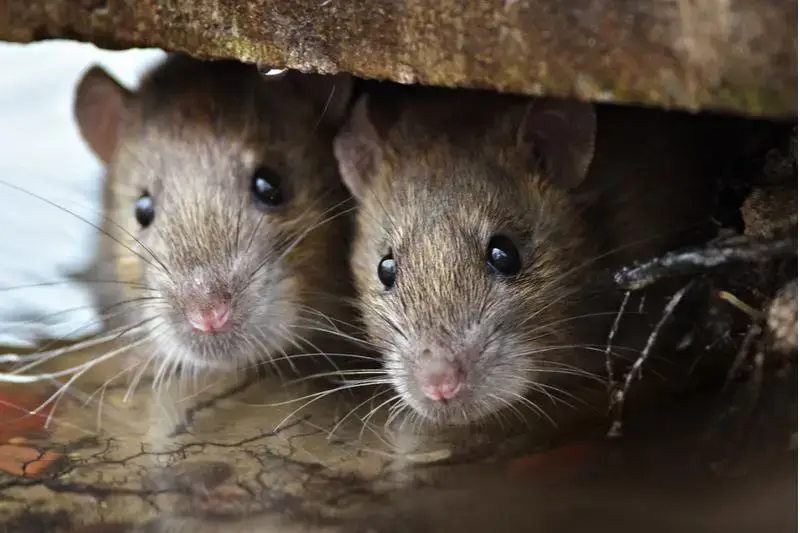
Key Highlights Introduction Rodent infestations can be a major concern for homeowners, as these pests not only cause property damage but also pose health risks. Dealing with a rodent infestation requires the expertise of a professional pest control service like FullScope Services. With their comprehensive rodent control solutions, FullScope Services can effectively treat and remove rodents from your home. Understanding Rodent Infestations in Your Home Rodent infestations can go unnoticed for a while, as these pests are skilled at hiding and nesting in hard-to-reach areas. However, there are certain signs that can indicate a rodent infestation. Look out for rodent droppings, gnaw marks on furniture and wires, and signs of nesting material. Rodents can enter your home through small gaps, cracks, and openings. It is crucial to identify these entry points and seal them off to prevent further infestations. Identifying Signs of Rodent Presence One of the primary signs of a rodent infestation is the presence of rodent droppings. These droppings are typically small, dark, and pellet-like. Another indication is the strong smell of rodent urine, which can be quite pungent. Additionally, look out for gnaw marks on wires, furniture, and other objects, as rodents have sharp teeth that they use to chew through various materials. If you notice any of these signs, it is important to take immediate action to address the infestation. Common Types of Rodents in Residential Areas There are several common types of rodents that can infest residential areas. House mice are small, prolific breeders that can quickly multiply in the right conditions. Roof rats, on the other hand, are excellent climbers and prefer to nest in attics and trees. Norway rats are larger and more robust, often found nesting outside in burrows. It is important to identify the specific type of rodent infesting your home in order to implement the most effective control measures. The Health Risks Associated with Rodents Rodents not only cause property damage but also pose significant health risks. They can transmit diseases to humans through their urine, droppings, and bites. Some common diseases transmitted by rodents include hantavirus, leptospirosis, and salmonella. In addition to disease transmission, rodents can also trigger allergic reactions in some individuals. Their urine, droppings, and dander can contain allergens that can cause asthma and other respiratory issues. It is important to address rodent infestations promptly to protect the health and well-being of your family. Diseases Transmitted by Rodents Rodents can carry and transmit a variety of diseases to humans. Hantavirus is a serious respiratory illness that can be contracted through contact with rodent urine, droppings, or saliva. Leptospirosis is another bacterial infection that can be transmitted through contact with contaminated water or soil. Salmonella, a common foodborne illness, can also be spread by rodents through contamination of food and surfaces with their droppings. It is important to take proper precautions and seek professional rodent control services to minimize the risk of these diseases. Impact on Home Environment and Well-being Rodents can cause significant damage to your home and property. They have a tendency to chew through wires, insulation, and other building materials, leading to costly repairs. Their nesting habits and droppings can also cause unpleasant odors and contaminate the air quality in your home. In addition to the physical damage, rodent infestations can also take a toll on your mental well-being. The constant presence of rodents can be stressful and disruptive to your daily life. It is important to address rodent infestations promptly to minimize the impact on your home environment and overall well-being. Preventive Measures to Keep Rodents at Bay Prevention is key when it comes to keeping rodents at bay. One of the most effective preventive measures is to seal off entry points that rodents can use to gain access to your home. This includes sealing cracks, gaps, and holes in your walls, floors, and foundation. Maintaining cleanliness and proper sanitation in and around your home is also important, as rodents are attracted to food sources and unclean environments. By implementing these preventive measures, you can significantly reduce the risk of a rodent infestation in your home. Sealing Entry Points: A Key Prevention Strategy Sealing off entry points is a crucial step in preventing rodent infestations. Rodents can squeeze through small gaps and cracks in your home’s exterior, so it is important to inspect and seal these entry points. Use caulk or steel wool to fill in any gaps or cracks that you find. Pay extra attention to areas around pipes, vents, and utility lines, as rodents can use these as entry points. It is also important to seal any openings around doors and windows. By effectively sealing off these entry points, you can greatly reduce the chances of rodents finding their way into your home. Rodent exclusion service Rodent exclusion service is a crucial aspect of effective rodent control that focuses on preventing rodents from entering your property in the first place. By sealing off entry points and implementing exclusion measures, such as installing barriers and sealing cracks, you can significantly reduce the likelihood of rodent infestations. This proactive approach not only helps in keeping your home or business rodent-free but also minimizes the risks associated with rodent-borne diseases and damage to property. Rodent Trapping & Removal Trapping is a crucial step in effective rodent control and removal. By setting up traps strategically, you can safely capture and remove rodents from your property. Rodent trapping not only helps in eliminating the current infestation but also prevents future invasions by these pests. It is essential to use the right kind of traps and bait to ensure successful trapping and removal of rodents, safeguarding your home from potential damage and health risks associated with these unwanted guests. Importance of Cleanliness and Sanitation Cleanliness and sanitation play a crucial role in preventing rodent infestations. Rodents are attracted to food sources, so it is important to keep your home clean and free of any food debris or spills. Store food in sealed containers and clean up any
10 Essential Steps to Finding a Pest Exterminator Near Me
Key Highlights Introduction Are you dealing with a pest problem in your home and looking for a pest exterminator near you? Finding the right pest control service is crucial to effectively address and eliminate your pest infestation. Whether you have common pests like roaches, ants, or spiders, or specific pests like bed bugs or termites, a professional pest exterminator can provide you with the best solutions to get rid of them. In this blog, we will discuss the 10 essential steps to finding a pest exterminator near you, including how to effectively exterminate common pests like cockroaches, ensuring that you choose the right service for your needs. 10 Critical Steps to Locate Your Nearby Pest Exterminator When it comes to finding a pest exterminator near you, there are several critical steps you should follow. First, identify the type of pest infestation you are dealing with. This will help you narrow down the search for local exterminators who specialize in handling that specific pest. Next, research your local exterminator options and consider factors such as their experience, reputation, and pricing. It’s also important to check for licenses and certifications to ensure that you are hiring a reputable and qualified professional. Additionally, read customer reviews and testimonials to gauge the level of customer service provided by the bug exterminator. Asking about their pest control methods, warranty, and follow-up services is crucial before making a decision. Finally, compare pricing and service packages to ensure you are getting the best value for your money. 1. Identify the Type of Pest Infestation You Are Dealing With Before you start searching for a pest exterminator near you, it’s important to identify the type of pest infestation you are dealing with. This will help you find an exterminator who specializes in handling that specific pest. Here are a few steps to help you identify the type of pest infestation: By identifying the type of pest infestation, you can narrow down your search for a local exterminator who has experience in dealing with that particular pest. 2. Research Local Exterminator Options Once you have identified the type of pest infestation you are dealing with, it’s time to research your local exterminator options. Start by asking for recommendations from friends, family, or neighbors who have recently used pest control services. You can also search online for local exterminators in your area. Look for reputable companies that have been in business for a while and have positive customer reviews. Consider factors such as their experience, expertise, and the range of services they offer. It’s also important to check if they specialize in handling the specific pest you are dealing with. By doing thorough research, you can find the best pest control service near you. 3. Check for Licenses and Certifications When hiring a pest exterminator, it’s crucial to check for licenses and certifications. A reputable exterminator will have the necessary licenses and certifications to provide pest control services in your area. These licenses ensure that the exterminator has the required knowledge and training to handle pest infestations safely and effectively. It’s also a good idea to check if the exterminator is a member of any professional associations or organizations related to pest control. This not only demonstrates their commitment to the industry but also indicates that they stay updated with the latest pest control techniques and best practices. By choosing a licensed and certified exterminator, you can have peace of mind knowing that you are hiring a professional who will provide quality service. 4. Read Customer Reviews and Testimonials Reading customer reviews and testimonials is an essential step in finding a pest exterminator near you. These reviews provide valuable insights into the level of customer service provided by the exterminator. Look for exterminators with positive reviews and high ratings from satisfied customers. Pay attention to comments about their professionalism, punctuality, and effectiveness in eliminating pests. A reputable exterminator will have a track record of providing great customer service and delivering results. Additionally, you can ask the exterminator for references from previous customers to get a firsthand account of their experience. By reading customer reviews and testimonials, you can make an informed decision and choose an exterminator who will provide the best service for your pest problem. 5. Ask About Their Pest Control Methods When considering a pest exterminator, it’s important to ask about their pest control methods. Inquire about the techniques and products they use to eliminate pests, including fumigation. Consider opting for an exterminator who offers eco-friendly pest control methods that minimize the use of chemical pesticides and prioritize the safety of your family and pets. Ask about their approach to pest management and ongoing monitoring to ensure that the infestation is completely eradicated and doesn’t reoccur. A reputable exterminator will be transparent about their pest control methods and provide you with the information you need to make an informed decision. By choosing an exterminator with effective and environmentally friendly pest control methods, such as fumigation, you can address your pest problem while minimizing the impact on the environment. 6. Inquire About Warranty and Follow-Up Services When hiring a pest exterminator, it’s important to inquire about their warranty and follow-up services. A reputable exterminator will offer a warranty that guarantees their work, making it a valuable option for pest control customers. This means that if the pests come back between treatments, they will return to address the issue at no additional cost to you. Additionally, ask about their follow-up services to ensure that the pest problem is effectively resolved in the long term. Some exterminators offer pest control plans that include regular inspections and treatments to prevent future infestations. By choosing an exterminator with a warranty and follow-up services, you can have peace of mind knowing that you are getting the best value for your money and that your pest problem will be effectively addressed. 7. Compare Pricing and Service Packages When looking for a pest exterminator near you, it’s important to compare pricing and service packages. Get
Termite Treatment & Control | Termite Exterminator
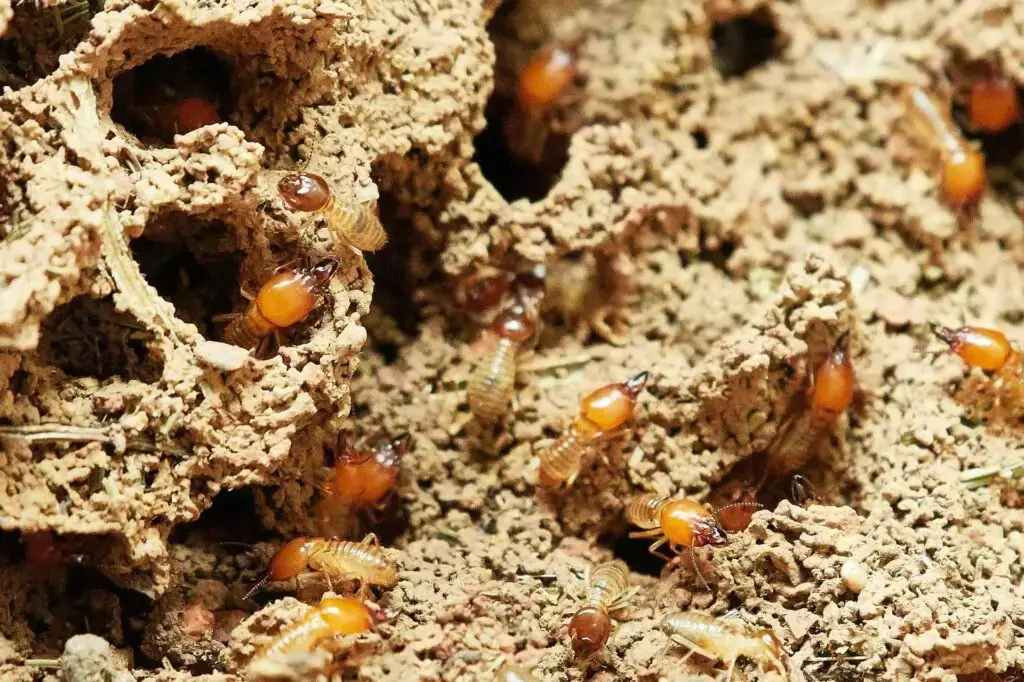
Key Highlights Introduction Termites are a homeowner’s worst nightmare. These tiny pests can cause significant damage to the structure of your home, leading to costly repairs and potential safety hazards. Understanding termite infestation, signs of their presence, and effective treatment options is crucial for every homeowner. In this blog, we will explore the key highlights of termite treatment and control, providing you with the information you need to protect your home from these destructive pests. Understanding Termite Infestation To effectively control termites, it is important to understand how they infest homes and their behavior. Termite infestation occurs when these insects establish colonies near or within wooden structures. They build mud tubes to travel between their nests and food sources, such as wood. There are different species of termites, including drywood and dampwood termites, each with their own preferences and habits. By understanding termite infestation and the species commonly found in your area, you can take the necessary steps to prevent and control their presence in your home. Common Signs of Termite Presence Identifying the signs of termite presence early on is essential for effective treatment and control. Here are some common signs to look out for: If you notice any of these signs, it is important to contact a professional termite exterminator for inspection and treatment. Different Types of Termites and Their Behaviors There are different types of termites, each with their own behaviors and preferences. Understanding these differences can help in identifying and treating termite infestations effectively. Drywood termites are commonly found in coastal regions and infest dry wood. They do not require contact with soil and can establish colonies within wooden structures. Dampwood termites, on the other hand, thrive in moist environments and are attracted to decaying or wet wood. They do not usually infest human structures unless there is significant moisture damage. Subterranean termites are the most destructive and widespread termite species. They build mud tubes to protect themselves from predators and maintain a humid environment. These termites require contact with soil for moisture and often establish extensive colonies underground. By understanding the behavior and preferences of different termite species, homeowners can implement targeted treatment and prevention strategies. Termite Inspection: The First Step to Control Termite inspection is the crucial first step in controlling a termite infestation. A professional termite exterminator will conduct a thorough inspection of your property to identify termite colonies, assess the extent of the infestation, and develop an effective pest control plan. During the inspection, the exterminator will look for signs of termite activity, such as mud tubes, termite damage, and discarded wings. They will also inspect areas prone to termite infestation, such as basements, crawl spaces, and attics. By identifying the source and extent of the termite problem, the exterminator can recommend the most appropriate treatment method for your specific situation. What to Expect During a Termite Inspection During a termite inspection, a professional exterminator will thoroughly evaluate your property for any signs of termite infestation. This process typically involves: How Often Should You Get Your Property Inspected? Routine termite inspections are essential for early detection and prevention of termite infestations. The frequency of inspections may depend on factors such as the location of your property, the age of the structure, and the presence of previous termite activity. In general, it is recommended to have a professional termite inspection at least once a year. However, in areas with high termite activity, more frequent inspections may be necessary. Additionally, if you have had previous termite activity or live in an area prone to termite infestations, more frequent inspections can help ensure early detection and timely treatment. Regular inspections can help identify potential termite problems before they cause significant damage, giving you peace of mind and saving you from costly repairs. Professional Termite Treatment Options When it comes to professional termite treatment, there are several options available. Each treatment option is designed to effectively eliminate termites and prevent future infestations. Liquid barrier treatments involve applying termiticide to the soil around the foundation of the home. This creates a chemical barrier that termites cannot cross, effectively protecting the structure. Bait systems work by placing termite baits near areas of termite activity. The termites consume the bait and take it back to the colony, eventually eliminating the entire colony. Fumigation is a more aggressive treatment option that involves tenting the entire structure and introducing a gas that kills termites. This treatment is typically used for severe infestations or when extensive damage has already occurred. Each treatment option has its advantages and disadvantages, and the best approach will depend on the specific circumstances of the infestation. Consulting with a professional termite exterminator is recommended to determine the most effective treatment plan for your home. Liquid Barrier Treatments and Their Effectiveness Liquid barrier treatments, also known as soil-applied termiticides, are a common and effective method for termite control. These treatments involve applying a liquid termiticide to the soil around the foundation of the home, creating a chemical barrier that termites cannot cross. The termites come into contact with the treated soil as they forage for food, and the termiticide eliminates them. The barrier also prevents termites from accessing the structure, providing long-term protection against infestations. The effectiveness of liquid barrier treatments depends on several factors, including the type of termiticide used, the application method, and the thoroughness of the treatment. It is important to hire a professional termite exterminator for this type of treatment to ensure proper application and maximize effectiveness. While liquid barrier treatments can provide effective termite control, they are not foolproof. Regular inspections and maintenance are still necessary to monitor for any signs of termite activity and address potential issues promptly. Physical barriers, such as steel mesh or sands, can also be used in conjunction with liquid barrier treatments to further enhance protection against termites. Bait Systems: How They Work Bait systems are another popular method of professional termite treatment. These systems work by placing termite baits near areas of termite activity. The baits