 1500+ reviews

The Ultimate Guide To Bed Bugs and Treatment

Introduction Bed bugs are tiny insects that can cause big problems in your home. These pests are notorious for infesting mattresses, furniture, and other areas where humans rest or sleep. Once they invade your home, they can be incredibly difficult to get rid of. In this ultimate guide, we will explore everything you need to know about bed bugs and their treatment. Bed bugs are small, reddish-brown insects that feed on the blood of humans and animals. Despite their name, they are not limited to beds. They can infest any area where people spend a significant amount of time, such as couches, chairs, and even electrical outlets. Bed bugs are experts at hiding in tiny cracks and crevices, making them difficult to detect and eliminate. One of the most common signs of a bed bug infestation is waking up with itchy welts or small red bites on your body. These bites can be extremely irritating and may cause discomfort and sleepless nights. Another indicator of a bed bug infestation is the presence of small, dark spots on your bedding or furniture, which are bed bug droppings. If you suspect that you have a bed bug problem, it is important to take immediate action. Ignoring the infestation will only allow it to spread and become more difficult to control. The sooner you address the issue, the easier it will be to eliminate the bed bugs and prevent further infestations. The Ultimate Guide to Identifying and Treating Bed Bugs Bed bugs and treatment go hand in hand, and knowing how to identify and address these pests is crucial. Recognizing signs like itchy welts and blood spots on bedding is key. Understanding their behavior and where they hide, from mattress seams to electrical outlets, aids in detection. Inspect your home thoroughly, using a magnifying glass if needed. For treatment, consider DIY methods or seek professional help for severe infestations. Remember, early detection and action are vital in managing bed bug problems. 1. Recognizing the Signs of Bed Bug Infestations Bed bugs infestations can be tricky to spot initially. Look out for signs like small insects in mattress seams or near electrical outlets. Check for itchy welts or red, itchy bites on your skin. Using a magnifying glass can help spot bed bugs in their hiding places. Early detection is crucial in tackling a bed bug problem. Be vigilant and inspect your living spaces regularly. Early identification increases the chances of successful treatment. 2. Understanding Bed Bug Behavior and Habitats Bed bugs, scientifically known as Cimex lectularius, are small insects that feed on the blood of humans. They typically hide in cracks, mattress seams, and electrical outlets during the day, coming out at night to feed on their host’s blood. Understanding their behavior and habitats is crucial for effective pest management. Bed bugs prefer warm environments and are commonly found near where humans sleep, such as beds and bed frames. Identifying their hiding places using a magnifying glass can aid in early detection and treatment. 3. Comprehensive Steps for Inspecting Your Home Start by thoroughly examining all potential hiding places using a magnifying glass, focusing on crevices, cracks, and seams. Check your bedding, mattress, box spring, and bed frame for any signs of bed bugs. Inspect electrical outlets, carpets, and furniture as these can also harbor these pests. Utilize a vacuum with a nozzle attachment to clean infested areas. Seal cracks and gaps in walls and furniture, reducing potential hiding spots. Be diligent in your search as early detection is key to effective pest control. 4. DIY Methods for Treating Minor Infestations If you’re facing minor bed bug issues, DIY methods can be effective. Start by washing infested bedding in hot water and using a vacuum to clean up any bugs. Seal cracks and crevices with caulk and encase your mattress in a protective cover. Diatomaceous earth, a natural pest control remedy, can also help in eradicating bed bugs. Remember to declutter your living space to eliminate hiding spots for these pests. These simple techniques can go a long way in managing minor bed bug problems. 5. Professional Solutions for Severe Bed Bug Problems If you’re facing a severe bed bug problem, seeking professional help is crucial. Professional exterminators have the expertise and tools to tackle even the most challenging infestations. By hiring a pest control company experienced in bed bug management, you can ensure thorough treatment of your home. They employ effective methods such as heat treatments, chemical treatments, and nonchemical solutions to eradicate bed bugs. Trusting professionals increases the chances of success in eliminating these persistent pests. 6. Post-Treatment: Ensuring Bed Bugs Don’t Return After successfully treating a bed bug infestation, it’s crucial to take preventive measures to ensure they don’t come back. To prevent a recurrence, thoroughly clean and inspect your home regularly. Seal cracks and crevices where bed bugs could hide, and consider using encasements on your mattress and box spring. By maintaining a tidy environment and monitoring for any signs of bed bugs, you can significantly reduce the chances of a re-infestation. In-depth Look at Bed Bug Treatment Options When dealing with bed bug treatment options, it’s essential to explore various methods for effectively eradicating these pests. From heat treatments that offer high success rates to cold treatments utilizing freezing conditions, each approach has its unique benefits. Chemical treatments are commonly used but should be handled with caution. For a more eco-friendly solution, natural remedies like diatomaceous earth can be effective. Encasements offer added protection for mattresses and box springs. Understanding these treatment options is key to combating bed bug infestations successfully. 1. Heat Treatment: The Most Effective Way to Kill Bed Bugs Heat treatment is widely regarded as the most effective method for eliminating bed bugs. This approach involves raising the temperature in infested areas to levels that are lethal to these pests, typically around 120-135 degrees Fahrenheit. The high heat penetrates cracks and crevices where bed bugs hide, ensuring comprehensive eradication. Professional exterminators use specialized equipment
Effective Bed Bug Control: Tips and Strategies for a Bug-Free Home
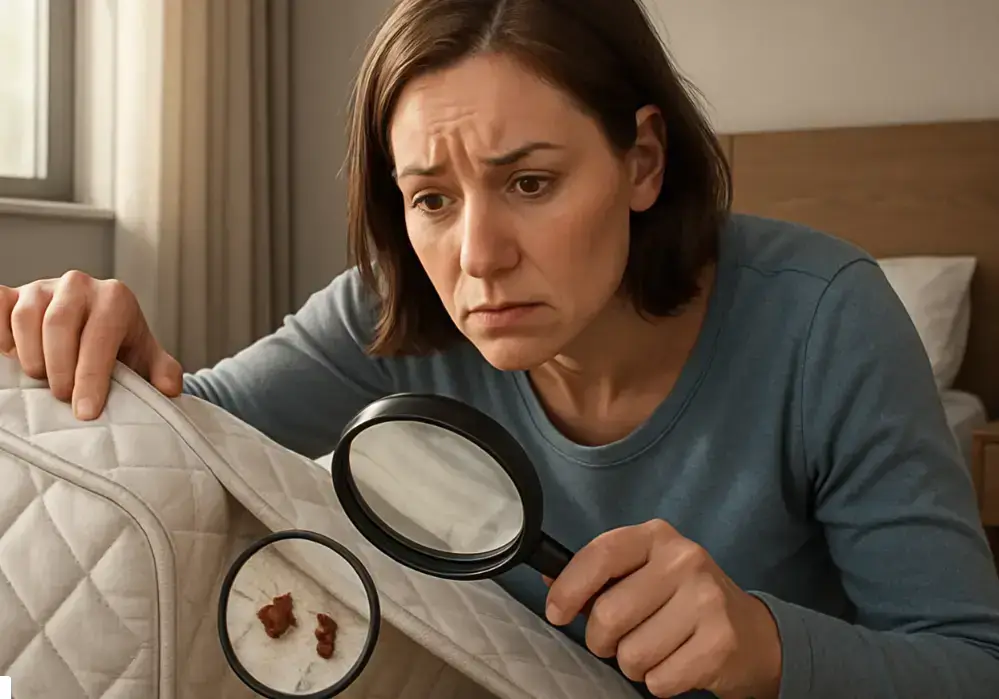
Introduction Bed bugs, those tiny nocturnal pests that feed on human blood, can turn your peaceful nights into a nightmare. Infestations can occur in the cleanest of homes, but the key is to act promptly and effectively to control and eliminate these unwanted guests. In this article, we’ll explore various strategies and tips for successful bed bug control. Identifying Bed Bugs: Early Detection and Regular Inspections: Cleaning and Decluttering: Vacuuming: Steam Cleaning: Chemical Treatments: Isolation and Quarantine: Seek Professional Help: Conclusion: Bed bug control requires a combination of preventive measures, early detection, and strategic treatment. By following these tips and being proactive, you can reclaim your home from these unwanted intruders and enjoy a bug-free living environment. If the infestation is beyond your control, don’t hesitate to seek the expertise of a professional pest control service for comprehensive and effective bed bug elimination.