 1500+ reviews

Spider Pest Control Solutions for Your Home

Key Highlights Introduction Spiders are common household pests that can cause discomfort and anxiety for homeowners. While they play a role in controlling other insect populations, many people prefer to keep their homes free of spiders and their webs. Understanding the habits and habitats of spiders is essential in effectively controlling and preventing spider infestations. This blog will provide valuable information on identifying common house spiders, understanding why spiders choose your home, recognizing when spiders are dangerous, and offering practical spider control solutions. We will also address frequently asked questions about spider prevention and treatment. By following the recommended spider control measures and preventive strategies, homeowners can create a spider-free environment and enjoy their homes without the presence of these eight-legged creatures. Understanding Spiders: Habits and Habitats Spiders are arachnids that belong to the class Arachnida. There are thousands of spider species worldwide, with around 4,000 species found in the United States alone. Among the various spider species, the most common ones found in homes are known as common house spiders. These spiders are typically harmless to humans and play a beneficial role in controlling other insect populations. They are natural predators of pests like flies, mosquitoes, and roaches. Common house spiders are found throughout the United States and can vary in size, color, and behavior. They typically prefer dark and undisturbed areas such as basements, attics, and crawl spaces. These spiders are known for their ability to spin intricate webs to catch their prey. The presence of spider webs is often a sign of a spider infestation or activity. It is important to be able to identify common house spiders for effective pest control. Some of the most common types of spiders found in homes include the brown recluse spider and the black widow spider. These two species are venomous and can pose health risks if encountered. Proper identification and professional spider control measures are necessary when dealing with these dangerous spiders. By understanding the habits and habitats of spiders, homeowners can better recognize and control spider infestations in their homes. Regular inspections, proper sanitation, and targeted pest control treatments can help keep spider populations in check and maintain a spider-free environment. Common House Spiders: Identification Guide Identifying common house spiders is crucial in determining the appropriate spider pest control measures. Here are some key features of the most common types of spiders: It’s important to note that not all spiders found in your home are dangerous. In fact, the majority of spiders are harmless and can even be beneficial in controlling other insect populations. However, if you suspect the presence of brown recluse or black widow spiders, it’s best to seek professional spider pest control services. Why Spiders Choose Your Home: Attraction Factors Spiders are attracted to certain factors that make your home an ideal habitat for them. Understanding these attraction factors can help you address the issue effectively. One of the main attraction factors for spiders is the presence of dark corners and crawl spaces. These areas provide them with shelter and a safe place to build their webs. Spiders also need a readily available food source, which often includes other insects like flies and mosquitoes. To discourage spiders from choosing your home, it’s important to eliminate these attraction factors. Regularly clean and declutter your home, paying special attention to areas where spiders are likely to hide. Seal any entry points to prevent spiders from entering your home, and keep your home free from other insect pests to reduce their food source. When are Spiders Dangerous? While most spiders are harmless, there are a few species that can be dangerous to humans. Understanding when spiders are dangerous is important for your safety and well-being. In general, spiders are not aggressive and will only bite when they feel threatened. Most spider bites result in minor reactions, such as redness, swelling, and itching. However, there are a few species that deliver venomous bites, which can cause more severe symptoms. The black widow spider and the brown recluse spider are the two most dangerous spiders in North America. Their bites can result in more serious health issues, such as muscle cramps, abdominal pain, weakness, and tremors. If you suspect you have been bitten by one of these spiders, it’s important to seek immediate medical attention. It’s also worth noting that some individuals may have allergic reactions to spider bites, which can result in more severe symptoms. If you experience difficulty breathing, chest pain, or any other severe reaction after a spider bite, seek medical help immediately. We know spiders At FullScope Pest Control, we understand spiders and have the expertise to effectively control and eliminate spider infestations. Our trained technicians are knowledgeable about the different spider species and their habits, allowing us to provide targeted pest control solutions. We take pride in our ability to identify and address spider issues in a safe and effective manner. With our professional spider pest control services, you can have peace of mind knowing that your home is free from spiders and potential health risks associated with them. Trust us to provide the best solutions for your spider control needs. How to Spot Brown Recluse Spiders Being able to spot brown recluse spiders is crucial in addressing and preventing infestations. These spiders are known for their venomous bites, which can cause severe reactions. Here are some key tips on how to spot brown recluse spiders: If you suspect the presence of brown recluse spiders in your home, it’s best to seek professional spider pest control services. Attempting to handle the infestation on your own can be dangerous, as these spiders can deliver venomous bites. How to Spot Black Widow Spiders Identifying black widow spiders is crucial in addressing and preventing infestations. These spiders are known for their potentially deadly bites. Here are some key tips on how to spot black widow spiders: If you see a black widow spider or suspect its presence in your home, it’s important to seek professional spider pest
Mastering Flea Pest Control: Identifying & Eliminating Fleas
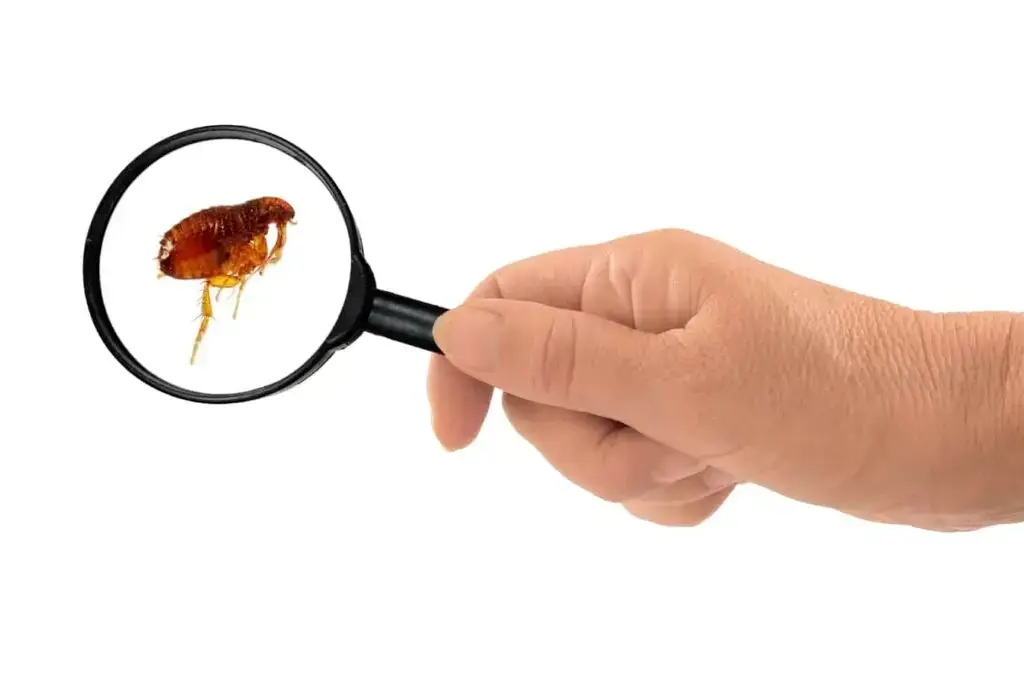
Key Highlights Introduction Fleas are a common nuisance for homeowners, especially those with pets. These tiny blood-sucking pests can quickly infest your home and cause significant discomfort for both you and your pets. Flea bites can be itchy and irritating, and the presence of fleas can lead to allergic reactions in some individuals. To make matters worse, fleas reproduce rapidly, making it challenging to eliminate them without professional help. Understanding the flea problem is the first step towards effective flea control. This blog will guide you on how to identify and get rid of fleas with the help of a professional flea exterminator like FullScope. We will discuss the common signs of flea infestation, the threat they pose to your home, and the comprehensive flea extermination solutions offered by FullScope. Don’t let fleas take over your home. With the right knowledge and professional help, you can eradicate these pesky pests and enjoy a flea-free living environment. Understanding the Flea Problem To effectively eliminate fleas, it is crucial to understand the flea problem. Fleas are small, wingless insects that feed on the blood of mammals and birds. The most common types of fleas that infest homes are cat fleas (Ctenocephalides felis) and dog fleas (Ctenocephalides canis). These fleas have a life cycle consisting of four stages: eggs, larvae, pupae, and adult fleas. Flea eggs are oval-shaped and usually laid on the host animal or in the animal’s bedding. These eggs are tiny and can easily fall off onto carpets, furniture, and other surfaces. Once the eggs hatch, they develop into larvae, which feed on organic debris and flea dirt. After the larval stage, the flea pupates and eventually emerges as an adult flea. Adult fleas are capable of jumping long distances and quickly infesting your home. Understanding the life cycle of fleas is essential for effective flea control. By targeting all stages of the flea life cycle, it is possible to eliminate the infestation and prevent reinfestation. Common Signs of Flea Infestation Identifying the signs of a flea infestation is crucial for prompt action. Here are some common signs to look out for: If you suspect a flea infestation, it is important to act quickly to prevent the problem from worsening. Contacting a professional flea exterminator like FullScope can help ensure thorough and effective flea removal. Why Fleas Are a Threat to Your Home Fleas not only cause discomfort but also pose various threats to your home and family. Here are some reasons why fleas are a threat: To protect your home from the threats of fleas, it is essential to seek professional flea extermination services. FullScope’s comprehensive solutions can effectively eliminate fleas and prevent future infestations. FullScope’s Comprehensive Flea Extermination Solutions FullScope offers a range of comprehensive flea extermination solutions to meet the unique needs of each customer. Their experienced technicians are trained in effective flea control methods and use safe and proven techniques to eliminate fleas from your home. Their treatments include the use of professional flea control products, such as flea bombs and flea shampoos, to target fleas at all stages of their life cycle. These treatments are applied strategically to ensure maximum effectiveness and long-lasting results. With FullScope’s flea extermination services, you can have peace of mind knowing that your home is free from fleas and the potential health risks they pose. Homeowner Checklist for Flea Treatments Tailored Flea Treatment Plans FullScope understands that every flea problem is unique, and they tailor their treatment plans to address specific infestations. Their experienced technicians will assess the severity of the infestation and identify the type of flea causing the problem. When developing a treatment plan, FullScope takes into account various factors, including the presence of pets, the condition of pet bedding, and the use of vacuum bags. By addressing these factors, FullScope ensures thorough flea extermination and minimizes the risk of reinfestation. Their tailored flea treatment plans include a combination of professional treatments, such as flea control products and targeted applications, to effectively eliminate fleas from your home. With FullScope’s expertise, you can trust that your flea problem will be resolved efficiently and safely. Safe and Effective Flea Removal Techniques FullScope utilizes safe and effective flea removal techniques to protect your home, pets, and family. Their technicians are trained in the proper use of flea foggers, which release insecticides that target fleas while minimizing exposure to humans and pets. In addition, FullScope may recommend the use of diatomaceous earth, a natural powder that dehydrates and kills fleas. This environmentally friendly option is safe for both pets and humans. By utilizing these safe and effective techniques, FullScope ensures that flea removal is conducted with utmost care and consideration for the well-being of your home and loved ones. Step-by-Step Process of Flea Extermination FullScope follows a comprehensive step-by-step process for flea extermination to ensure the best results for their customers. The process begins with an initial inspection of your home to assess the severity of the flea infestation and identify any potential entry points or hiding spots for fleas. Based on the findings, FullScope’s technicians will develop a tailored treatment plan. The treatment application involves targeted applications of professional flea control products to effectively eliminate fleas from your home. FullScope also provides post-treatment monitoring to ensure the success of the treatment and offer tips on preventative measures to prevent future infestations. With FullScope’s satisfaction guarantee, you can have confidence in the effectiveness of their flea extermination services. Their goal is to provide long-lasting results and a flea-free home for their customers. Initial Inspection and Assessment During the initial inspection and assessment, FullScope’s professional exterminators will thoroughly examine your home to determine the extent of the flea infestation. Their years of experience and expertise enable them to quickly identify the first signs of flea activity, such as flea bites or flea dirt. By identifying the source and severity of the infestation, FullScope can develop a targeted treatment plan to eliminate the fleas effectively. With their knowledge and experience, they can address
How to Get Rid of Termites | Termite Treatment | FullScope
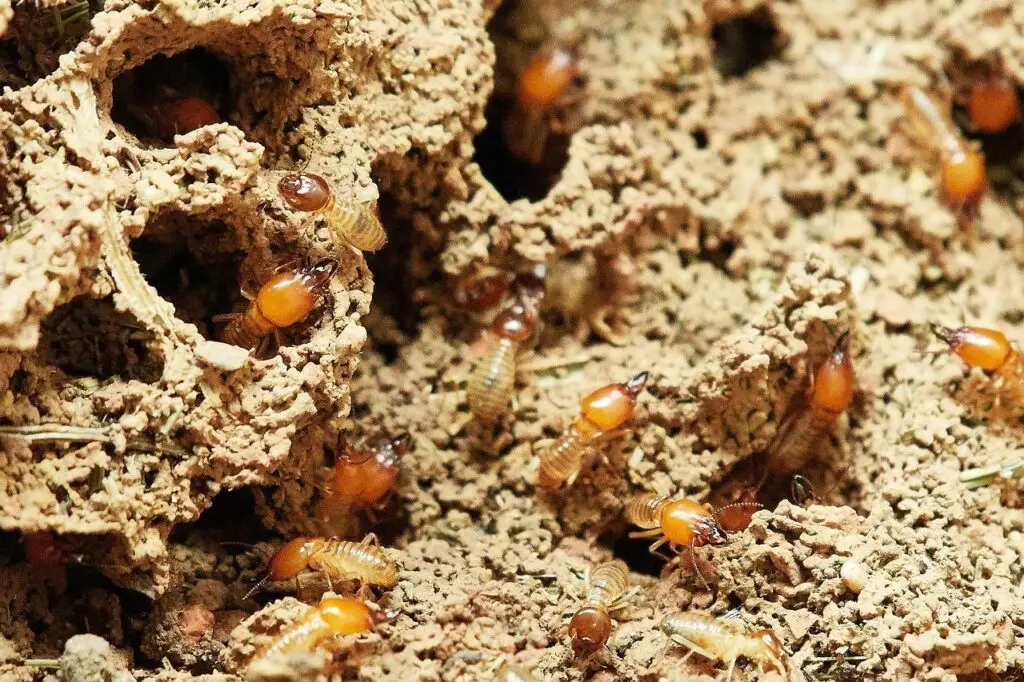
Key Highlights Introduction Termites are one of the most dreaded pests, especially for homeowners. These tiny insects can cause extensive damage to homes and structures, leading to costly repairs and compromised structural integrity. It’s essential to understand the different types of termites, their potential impact, and effective termite treatment options to protect your property. In this blog, we will explore various aspects of termite control, including understanding termites and their impact, early signs of infestation, professional termite inspection, treatment options, DIY vs. professional treatment, and preventing future termite infestations. By gaining knowledge about termites and implementing preventative measures, you can safeguard your home and minimize the risk of termite damage. Understanding Termites and Their Impact Termites are social insects that live in large colonies and feed on cellulose-based materials, such as wood. The United States is home to different termite species, with subterranean termites and drywood termites being the most common. These termites can cause significant structural damage to homes, leading to weakened foundations, sagging floors, and compromised safety. It is estimated that termites cause billions of dollars in damages annually. Understanding the behavior and habits of termites is crucial to detect and address an infestation early on. By being aware of the signs of termite activity and seeking professional assistance, homeowners can protect their property from further damage. The Different Types of Termites Termites exist in various species, but the two most common types found in the United States are subterranean termites and drywood termites. Subterranean termites live in the soil and build mud tubes to access above-ground food sources. These termites are responsible for the majority of termite damage in the country. On the other hand, drywood termites infest dry wood and do not require contact with soil. It’s important to be able to identify the type of termites infesting your home as it can impact the treatment approach. Subterranean termites are usually eradicated using liquid soil-applied termiticides or bait systems, while drywood termites may require localized spot treatments or fumigation. Understanding the specific species of termites and their behavior can help pest control experts develop a targeted treatment plan to effectively eliminate the infestation. How Termites Damage Your Property Termites can cause significant damage to your property if left untreated. They feed on wood and cellulose materials, such as paper and cardboard, making your home vulnerable to structural damage. Termites can weaken wooden structures, including walls, floors, and furniture, which can compromise the integrity of your home. The damage caused by termites is often not immediately noticeable, as they feed from the inside out, leaving the outer layers intact. To prevent and treat termite damage, it is crucial to enlist the help of professional pest control services. They have the expertise and tools to effectively eliminate termites and safeguard your property from future infestations. The Science Understanding the science behind termites is key to effective termite prevention and treatment. Termites live in colonies, which can consist of thousands or even millions of individual termites. The best way to prevent termite infestation is to create a barrier between your home and potential termite entry points. This can be done through the use of physical barriers, such as steel mesh, or the application of termiticides to the soil surrounding your property. Regular termite inspections are also essential to catch any infestations early on and take prompt action. Professional pest control experts have the knowledge and experience to identify the signs of termite activity and recommend the most appropriate prevention and treatment methods. What are the different methods of termite treatment available in the market? Various termite elimination methods include liquid termite barriers, termite baits, termite fumigation, and wood treatment. Each method has its pros and cons, so it is essential to consult with a professional to determine the most effective treatment for your specific termite infestation. Early Signs of Termite Infestation Detecting a termite infestation early is crucial to preventing extensive damage to your property. There are several visual indicators that can signal the presence of termites. Mud tubes, which are narrow tunnels made of soil and termite saliva, are a common sign of termite infestation. These tubes are used by termites to travel between their underground colonies and food sources. Other signs include damaged or hollow-sounding wood, discarded termite wings, and small piles of termite droppings. If you notice any of these signs, it is important to seek professional termite inspection and treatment to prevent further damage. Termite and Pest Control Termite treatment is a critical aspect of protecting your property from the destructive nature of these pests, so that you can leave termite free. There are various methods available in the market, including liquid termite barriers, termite baits, fumigation, and wood treatment. Each method comes with its own set of advantages and drawbacks, so consulting with a professional is key to determining the most suitable approach for your specific situation. Detecting early signs of termite infestation can save you from costly repairs. Keep an eye out for mud tubes, damaged wood, discarded wings, and termite droppings. If you spot any of these Visual Indicators and What to Look For When inspecting your home for termite infestation, there are several visual indicators to look for. These signs can help you identify whether you have a termite problem and take appropriate action. If you notice any of these visual indicators, it is advisable to contact a professional pest control company for a thorough termite inspection and appropriate treatment. Silent Destroyers Termites are often referred to as “silent destroyers” because they can cause extensive damage to your property without immediate visible signs. They feed on wood and other cellulose materials, gradually weakening the structure over time. Termite colonies can consist of thousands or even millions of individual termites, working tirelessly to feed and expand their colonies. As they tunnel through wooden structures, they can cause significant structural damage, compromising the integrity of your home. It is important to address termite infestations promptly to prevent further damage. Professional pest control
Choosing the Best: A Comprehensive Guide to Professional Pest Control Services

Introduction: When unwanted pests invade your home or business, it’s crucial to seek professional help to ensure a swift and effective solution. Professional pest control services offer expertise, experience, and specialized techniques to tackle pest infestations. In this guide, we will explore the key factors that make a pest control service truly professional and provide insights into choosing the best one for your needs. Licensed and Certified Experts: Professional pest control services employ licensed and certified technicians who have undergone rigorous training. These experts are equipped with the knowledge to identify different types of pests, understand their behavior, and implement targeted treatment plans. Comprehensive Inspection: A reputable pest control service company, sucj as FullScope Pest Control begins with a thorough inspection of your property. Professionals assess the extent of the infestation, identify entry points, and determine the specific pests involved. This detailed inspection informs the development of a customized pest control strategy. Tailored Treatment Plans: No two pest infestations are the same, and professional services recognize this. They develop tailored treatment plans based on the unique characteristics of each infestation. Whether it’s termites, rodents, ants, or bedbugs, a professional pest control service will employ the most effective methods for eradication. Environmentally Friendly Practices: In the era of sustainability, professional pest control services are adopting environmentally friendly practices. Look for services that prioritize the use of eco-friendly products and methods to minimize the impact on the environment while ensuring the safety of your family, pets, and property. Transparent Pricing and Contracts: FullScope pest control services provide transparent pricing and clear contracts. Before committing to a service, ensure you understand the costs involved, including any recurring fees for ongoing pest prevention. A reputable company will explain their pricing structure and discuss any potential additional charges. Timely and Responsive: Time is of the essence when dealing with a pest infestation. Professional services understand the urgency and provide timely responses. Whether it’s scheduling an inspection or implementing a treatment plan, a reliable pest control service values your time and acts promptly. Customer Reviews and Testimonials: One of the best ways to gauge the effectiveness of a pest control service is by checking customer reviews and testimonials. Look for feedback from clients who have faced similar pest issues. Positive reviews are a strong indicator of a professional and trustworthy service. Guarantees and Warranties: Professional pest control services stand by the quality of their work. They often provide guarantees or warranties on their services, ensuring that if the pests return within a specified period, they will re-treat the affected areas at no additional cost. Conclusion: Investing in professional pest control services is an essential step toward reclaiming your home or business from unwanted intruders. By considering factors such as licensed experts, comprehensive inspections, tailored treatment plans, environmentally friendly practices, transparent pricing, responsiveness, customer reviews, and guarantees, you can make an informed decision and choose the best professional pest control service for your specific needs. Call for a free consulation today with FullScope Pest Control or use our chat system located on the bottom right of the page.