 1500+ reviews

Professional Ant Control, Removal & Prevention Services
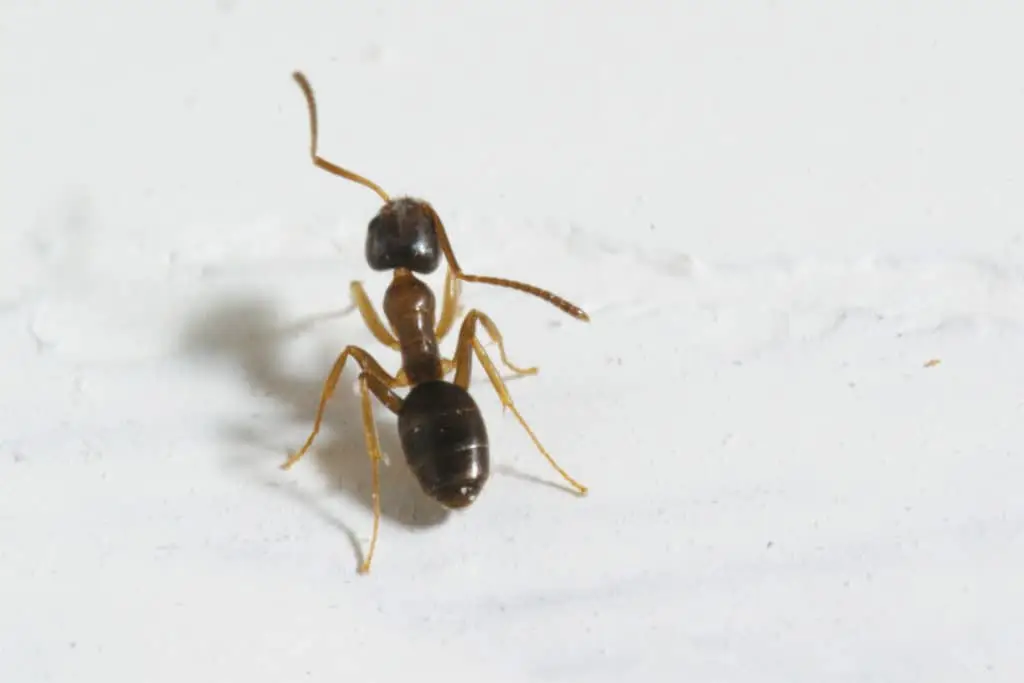
Key Highlights Introduction Ant infestations can be a common and frustrating problem for homeowners. When a few ants turn into dozens or even hundreds, it’s time to call in the professionals. Professional ant control, removal, and prevention services can provide the expertise and tailored solutions needed to effectively eliminate ant infestations and prevent them from recurring. Ant exterminators are trained to identify and address the specific needs of each ant infestation. They use a combination of expert strategies, advanced techniques, and safe methods to provide immediate relief and long-term prevention. From identifying common ant species to conducting thorough inspections, professional ant control services offer a comprehensive approach to ant problem management. Understanding the behavior and habitats of ants is crucial for effective ant control. Ants are social insects that live in colonies and are constantly in search of food and shelter. By understanding their lifecycle, nesting habits, and nesting sites, professionals can target and eliminate ant infestations at their source. Different types of treatments are available for ant control, including chemical and non-chemical methods. Professionals can provide options such as baiting, chemical treatments, and non-chemical strategies to meet the specific needs of each infestation. With the help of professional ant control services, homeowners can enjoy an ant-free living environment and peace of mind knowing that their homes are protected from future infestations. The key is to choose a reputable and experienced pest control company that offers customized plans, eco-friendly practices, and a commitment to customer satisfaction. Expert Ant Control, Removal, and Prevention Strategies Professional ant control services offer expert strategies and tailored solutions to effectively eliminate ant infestations and prevent them from recurring. These services utilize the latest pest control techniques and technologies to provide immediate relief and long-term prevention. When it comes to ant control, professionals understand that each infestation is unique and requires a customized approach. They have the knowledge and experience to identify the type of ant species invading your home and the best methods to eliminate them. By using a combination of baiting, chemical treatments, and non-chemical strategies, professionals can target the ants at their source and provide effective control. In addition to controlling existing ant infestations, professionals also focus on prevention. They can identify and seal entry points, implement routine maintenance tips, and provide advice on how to keep your home ant-free. By taking proactive measures, homeowners can significantly reduce the risk of future ant infestations. Overall, professional ant control services offer the expertise and resources needed to effectively control, remove, and prevent ant infestations. By relying on their knowledge and experience, homeowners can enjoy an ant-free living environment and peace of mind knowing that their homes are protected from these pesky pests. 1. Identifying Common Ant Species Invading Homes Identifying the specific type of ant species invading your home is crucial for effective ant control. Different ant species have different behaviors, habits, and nesting preferences. By understanding the characteristics of common ant species, professionals can develop targeted control strategies. Here are some of the most common ant species that can invade homes: By identifying the specific ant species invading your home, professionals can develop targeted control methods that effectively eliminate the infestation and prevent future invasions. 2. Professional Inspection Techniques for Ant Infestation Professional inspections are crucial for identifying and assessing the extent of an ant infestation. Experienced exterminators use specialized techniques and tools to thoroughly inspect homes and determine the best course of action. Here are some of the professional inspection techniques used for ant infestations: By conducting thorough inspections, professionals can determine the extent of the infestation, identify the ant species, and develop a targeted treatment plan for effective control and removal. 3. Tailored Ant Removal Services for Immediate Relief Professional ant control services provide tailored removal services for immediate relief from ant infestations. These services utilize the best methods and strategies to eliminate ants at their source and provide long-lasting results. Here are some of the ways professionals remove ants: By tailoring the removal services to the specific needs of each infestation, professionals can provide immediate relief from ant problems and ensure the long-term prevention of future infestations. 4. Safe and Effective Ant Prevention Methods Prevention is key when it comes to keeping your home ant-free. Professional ant control services offer safe and effective prevention methods to ensure long-term protection against ant infestations. Here are some of the ant prevention methods used by professionals: By implementing these prevention methods, homeowners can significantly reduce the risk of ant infestations and enjoy an ant-free living environment. 5. Advanced Solutions for Recurring Ant Problems Recurring ant problems can be frustrating and difficult to manage. Professional ant control services offer advanced solutions to effectively address and prevent recurring ant problems. Here are some advanced solutions used by professionals: By using advanced solutions, professionals can provide homeowners with the peace of mind of knowing that their recurring ant problems are being effectively managed and prevented. Understanding the Enemy: Ant Behavior and Habitats Understanding the behavior and habitats of ants is crucial for effective ant control. Ants are social insects that live in colonies and have specific behaviors and habits that allow them to survive and thrive. By understanding these behaviors and habitats, professionals can develop targeted control methods. Ants are constantly in search of food and shelter, which can lead them into homes. By targeting their nesting sites, identifying their food sources, and disrupting their communication and foraging patterns, professionals can effectively control and remove ant infestations. The Lifecycle of Common Household Ants Common household ants go through a lifecycle that includes different stages, each with specific roles and functions. Understanding the lifecycle of ants is important for effective control and removal. Here are the stages of the lifecycle of common household ants: By understanding the lifecycle of ants, professionals can target and eliminate the different stages of the ants, effectively controlling and removing infestations. How Ants Choose Their Nesting Sites Ants choose their nesting sites based on a variety of factors, including food availability,
Termites in House | How to Check for Termites | FullScope
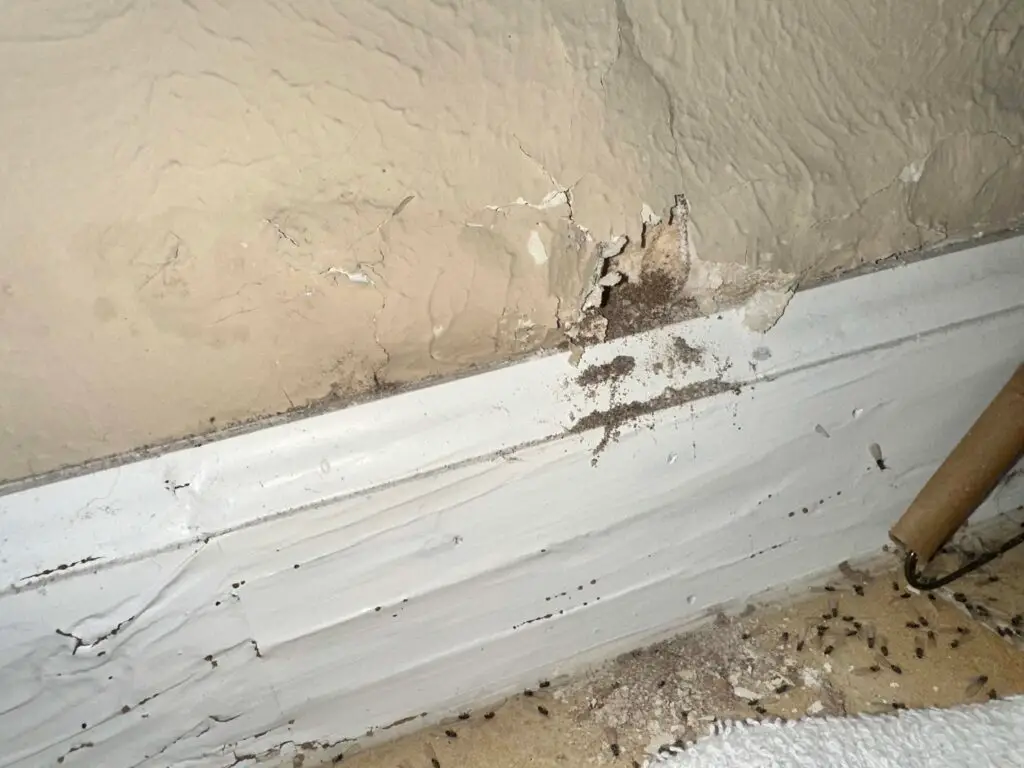
Key Highlights Introduction Termites are among the most destructive insects in the world, capable of causing significant damage to homes and other wooden structures. If left untreated, termite infestations can lead to structural damage and even the collapse of a building. However, with early detection and proper treatment, homeowners can protect their homes from the devastating effects of termites. Identifying the signs of a termite infestation is the first step in preventing extensive damage. In this blog, we will discuss how to check for signs of termites in your house and provide effective solutions for termite control. We will also explain the impact of termites on your home and answer some frequently asked questions about termite infestations. By understanding the warning signs of termites and taking appropriate measures, homeowners can safeguard their homes and ensure the longevity of their structures. Whether you choose to conduct a termite inspection yourself or hire a professional, the key is to be proactive in preventing and addressing termite infestations. Let’s dive into the details and learn how to check for termites in your house. Identifying Signs of Termites in Your Home Identifying the signs of a termite infestation is crucial in order to take prompt action and prevent extensive damage to your home. While termites can be difficult to detect, there are several warning signs that can indicate their presence. By keeping an eye out for these signs, you can catch a termite infestation early and minimize the potential damage to your property. 1. Unexplained Cracks on Internal Walls One of the first signs of a termite infestation is unexplained cracks on internal walls. As termites feed on wood, they create tunnels and galleries within the walls, causing the structure to weaken. This can lead to cracks appearing on the surface of the walls, especially in areas where the infestation is concentrated. These cracks may be small at first but can gradually widen over time, indicating significant termite damage. If you notice unexplained cracks on your internal walls, it is important to investigate further for a possible termite infestation. 2. Doors and Windows Becoming Hard to Open or Close Difficulty in opening or closing doors and windows can be a clear indication of termite damage. As termites feed on wooden structures, they can cause the wood to warp or become distorted. This can affect the functionality of doors and windows, making them hard to open or close smoothly. If you notice that your doors or windows are becoming increasingly difficult to operate, it is important to inspect the frames for signs of termite infestation. Pay close attention to any visible damage or weakened areas in the wood, as these can be telltale signs of a termite problem. 3. Clicking Sounds Within the Walls Clicking sounds within the walls can indicate termite activity. Termites communicate through vibrations, and these vibrations can produce clicking sounds that are often faint and difficult to detect. However, if you hear consistent clicking sounds coming from within your walls, it is advisable to investigate further for a possible termite infestation. While clicking sounds alone may not confirm the presence of termites, they can serve as an early warning sign and prompt further inspection. 4. Presence of Flying Termites or Their Discarded Wings The presence of flying termites or their discarded wings is a strong indication of a termite infestation. Flying termites, also known as termite swarmers, are reproductive termites that emerge from mature colonies in search of a mate and a suitable location to start a new colony. Seeing a swarm of flying termites or finding their discarded wings around your property can indicate the presence of an active termite infestation. These swarmers are often attracted to light sources and may be found near windows and doors. If you come across flying termites or their wings, it is important to take immediate action to address the termite problem. 5. Tunnels in Wood or Mud Tubes on Exterior Walls Tunnels in wood or mud tubes on exterior walls are clear signs of termite activity. Subterranean termites, one of the most common types of termites, build mud tubes to protect themselves while traveling from their underground colonies to sources of food, such as wood in your home’s structure. These mud tubes can often be found on exterior walls, especially near the foundation. If you notice mud tubes or tunnels in wood, it is important to address the termite infestation promptly to prevent further damage to your home. 6. Soft Wood That Sounds Hollow When Tapped Soft wood that sounds hollow when tapped can indicate a termite infestation, particularly drywood termites. Drywood termites infest dry wood and create galleries within the wood as they feed. This can result in the wood becoming hollow and weakened, causing it to produce a distinctive hollow sound when tapped. If you suspect a termite infestation and find areas of wood in your home that sound hollow, it is important to conduct a thorough inspection to confirm the presence of termites and take appropriate measures for termite control. 7. Piles of Termite Droppings Near Wood Structures Piles of termite droppings, also known as frass, near wood structures can indicate a termite infestation. As termites feed on wood, they produce droppings that are pushed out of their tunnels and accumulate in piles. These droppings are often small, granular, and resemble sawdust or coffee grounds. If you come across piles of termite droppings near wooden structures in your home, it is a clear sign of termite activity. Prompt action is necessary to address the infestation and prevent further damage to your property. You see swarmers emerge inside the building, or find dead swarmers on the floor or windowsill. If you see swarmers emerging inside your building or find dead swarmers on the floor or windowsill, it is a strong indication of a termite infestation. Swarmers are reproductive termites that leave their existing colonies to start new colonies. Their emergence inside the building suggests that there is an active termite
Bed Bug Pest Control Treatment | Bed Bug Exterminator | FullScope

Key Highlights Introduction Bed bugs are a common pest problem that can cause a lot of distress and frustration. These tiny insects feed on the blood of humans and other animals, and their infestations can quickly spread throughout a home. Bed bug infestations are not a reflection of poor hygiene or cleanliness, as these pests can be easily transported into homes on clothing, luggage, or furniture. When dealing with a bed bug infestation, it’s important to understand the signs of an infestation and the best methods for treatment. While there are DIY methods available for bed bug control, professional extermination is often the most effective way to eliminate these pests completely. Professional bed bug exterminators have the knowledge and expertise to identify and treat bed bug infestations using proven methods. In this blog, we will explore the impact of bed bugs, how to identify infestations, the health risks associated with bed bugs, and the best strategies for detecting and eliminating bed bugs. We will also discuss the effectiveness of DIY bed bug control methods and the importance of seeking professional help for large or persistent infestations. By understanding the nature of bed bugs and the best methods for control, you can protect your home and eliminate these pests for good. Understanding Bed Bugs and Their Impact Bed bugs are small, wingless insects that feed exclusively on the blood of humans and other animals. They are approximately 1/5 inch long and have oval-shaped bodies that range in color from orange-red to brown-red. Bed bug eggs are about 1 mm in size and are whitish in color. One of the challenges of dealing with bed bugs is their ability to hide in various places, making them difficult to detect. They are most commonly found in areas where people sleep, such as mattresses, box springs, and bed frames. Bed bugs can also hide in cracks and crevices, electrical outlets, and furniture near sleeping areas. The most common signs of a bed bug infestation include: If you suspect a bed bug infestation, it’s important to take action immediately. Bed bugs reproduce rapidly and can quickly multiply, making the infestation more difficult to control. Seeking professional bed bug extermination services is recommended for effective treatment and elimination of bed bugs. Identifying Bed Bug Infestations in Your Home Identifying a bed bug infestation in your home can be challenging due to their ability to hide in small cracks and crevices. However, there are several signs that can indicate the presence of bed bugs. One of the first places to check for bed bugs is your mattress. Examine the seams, tufts, and folds of the mattress, paying close attention to the edges and corners. Bed bugs often hide in these areas during the day and come out at night to feed. In addition to the mattress, check the box spring and bed frame for signs of infestation. Bed bugs can hide in the cracks and crevices of these structures, so it’s important to inspect them thoroughly. Bed bugs can also hide in other areas of the room, such as electrical outlets, baseboards, and nearby furniture. Inspect these areas carefully, looking for signs of bed bug activity, such as dark spots (fecal stains), shed skins, or live bugs. It’s important to note that bed bugs are not limited to the bedroom. They can also infest other areas of the home, such as couches, chairs, and even clothing. If you suspect a bed bug infestation, it’s recommended to seek professional bed bug extermination services to effectively eliminate the infestation. Health Risks and Damages Caused by Bed Bugs While bed bugs are not known to transmit diseases, their bites can cause a range of health issues. Many people have an allergic reaction to bed bug bites, resulting in redness, itching, and swelling at the site of the bite. In some cases, bed bug bites can lead to skin infections or secondary infections if the bites are scratched excessively. Bed bug bites can also have a negative impact on mental health. The presence of bed bugs and the constant fear of being bitten can cause anxiety, stress, and sleep disturbances. People who are already prone to anxiety or mental health conditions may experience an exacerbation of their symptoms due to the presence of bed bugs. In addition to the health risks, bed bugs can also cause damage to your home. They can stain bedding and furniture with their fecal spots and may leave behind a musty odor. Infested mattresses and furniture may need to be discarded if the infestation is severe. If you suspect a bed bug infestation in your home, it’s important to take action promptly to prevent further health risks and damages. Seek professional bed bug extermination services to effectively eliminate the infestation and protect your health and home. Proven Strategies for Detecting Bed Bug Presence When it comes to detecting bed bugs in your home, there are several proven strategies you can use. One technique is to conduct a thorough inspection of your home, paying close attention to areas such as electrical outlets, couch cushions, and bed frames. Bed bugs are skilled at hiding in small crevices, so it’s important to be meticulous in your search. Additionally, using tools and equipment such as a magnifying glass, vacuum cleaner, and plastic bag can aid in the detection process. By implementing these strategies, you can identify the presence of bed bugs and take appropriate action. Inspection Techniques for Different Areas of Your Home When inspecting your home for bed bugs, it’s essential to cover all areas where they may hide. Here are some inspection techniques for different areas of your home: By conducting a comprehensive inspection using these techniques, you can identify the presence of bed bugs and take appropriate measures for treatment. Tools and Equipment Used in Bed Bug Detection In the process of detecting bed bugs, various tools and equipment can be used to aid in the inspection. These tools help in locating and identifying bed bugs