 1500+ reviews

What to Do About Bats
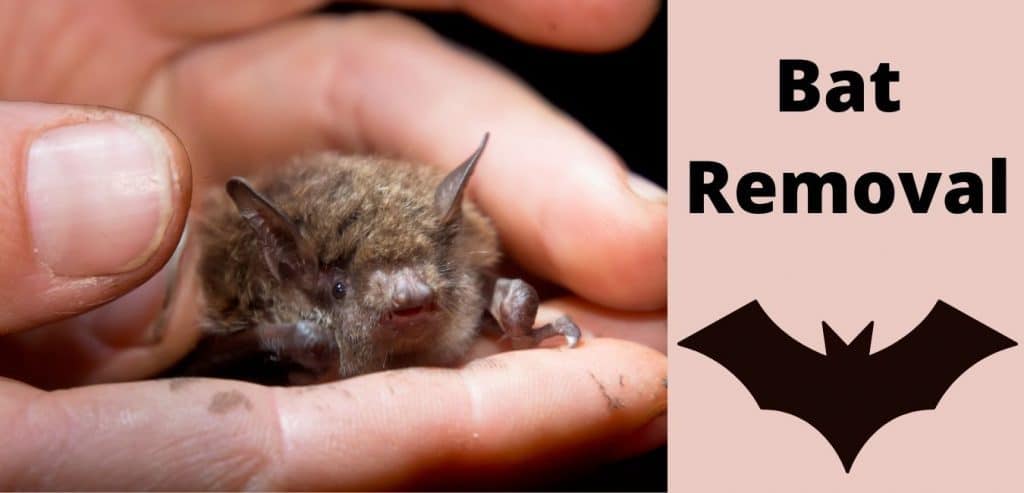
What Do You Do About Bats in the North Houston Area? by FullScope Pest Control Bats are the only mammals with wings (they are not rodents), and there are almost as many different species of bats as there are of rodents. Overall, they are considered to be beneficial (they eat TONS of bugs and mosquitoes every single night), unlike rats or mice. In fact, some people install “bat houses” on their property to attract these insect controllers to their property to help keep bug and mosquito populations down. Bats are also pollinators like bees. Bats prefer dark, dry spaces with little to no human traffic, which is why they love attics and belfries so much for roosting and multiplying. As healthy as they may be for the ecosystem, once they set up shop, they are very dangerous for buildings. They drop their feces (guano) everywhere, which is a huge attractant for various kinds of insect pests. One problem that bats bring with them is that they are hard to detect. They are very quiet, they only come out at night, and it may take you a while to even realize they are nesting in your home or business, or on your property. Bats hibernate in the wintertime, during which time, chances are good that they’ll move from your attic, down through the walls, and into your basement. These winged critters are not only quiet and stealthy, they are very agile and can slip in and out of holes and other entry ways that are smaller than an inch. They are very quick to fly away, too, if they sense a threat. Bats are also protected animals in many states (and by the federal government), so they need to be managed very cautiously. Unless you love bats, they are definitely animals that you want to have a professional bat control company handle. If you find evidence of bats in your Houston home, property, or business, you should definitely plan on calling in some bat removal expertise. Bats in Texas Bats are an important part of our ecosystem: they hunt and feed on flying insects, including mosquitoes, to keep their populations down. In fact, one little brown bat can expertly hunt down and eat around 1,000 mosquito-sized insects in a single hour, while nursing mother bats can consume over 4,500 flying insects every night. The six species of bats that Texans most commonly encounter include: Evening Bat (Nycticeius humeralis) Big Brown Bat (Eptesicus fuscus) Mexican Free-Tailed Bat (Tadarida brasiliensis) Cave Myotis (Myotis velifer) Southeastern Myotis (Myotis austroriparius) Tri-Colored Bat (Perimyotis subflavus) Must Read:5 HUMANE TIPS TO HELP KEEP BIRDS AWAY How Do I Know If I Have a Bat Infestation? Call the bat removal experts at FullScope Pest Control as quickly as possible if you notice any of the following in or around your home, or on your property: You’ll definitely notice a significant increase in the numbers of bats flying around your home or property at dusk or dawn. You might notice fluttering noises or high-pitched squeaks coming from inside your walls. Guano on the floor of your attic or basement, which are about twice the size of rodent droppings. What is Guano and How Can I Tell it Apart from Mouse Droppings? As mentioned, guano is the common term for bat droppings. It is very similar in shape and size to rodent droppings and the two might be easily confused. By the way, guano is often used as a fertilizer in other circumstances, and can be toxic. You can tell if it’s guano by using a flashlight or other lighting. If you crush the droppings with a gloved hand or shoe, and shine your light onto it, it should sparkle if it’s guano. It sparkles because of the insect exoskeletons that the bats feed on. Guano also has a unique, strong, pungent, musty odor. FullScope Pest Control is Humane and Bat Protection Compliant According to the Texas Parks and Wildlife Code, (Chapter 63, Section 63.101; http://www.statutes.legis.state.tx.us/Docs/PW/htm/PW.63.htm), “…no one may hunt, sell, offer for sale, buy, offer to buy, or possess after purchase a bat or any part of a bat, dead or alive.” It is extremely difficult and cumbersome for a Houston area homeowner to handle a bat infestation on his or her own. Especially since bats are a government protected species. Also, as mentioned, guano can be hazardous and attracts a variety of insects. FullScope pest control can give you a free initial assessment of your bat situation to get a handle on how serious the problem is. Our licensed and trained removal professionals have been watching the increase in bat populations in Texas for years and are best situated to handle your bat problem quickly, efficiently, and cost-effectively. We can also show you what you can do to help prevent bat problems in the future. Call today for a free assessment and a free quote. Guano Removal, Bat Control, and Decontamination in North Houston Bats are not aggressive, but bat removal and control is necessary for health and damage-prevention reasons, and should only be done by professionals who are familiar with all the federal and state laws protecting them. If you have bats in your attic, basement, crawlspaces, or anywhere else on your property where you don’t want them, your first tipoff should be the excessive droppings (guano) you can see. Exposure to guano over time can cause health issues. Plus, guano odor can remain inside your home for years if you do not properly remove it and conduct a full decontamination and sanitization of all the spaces that were inhabited by the bat intruders. Save yourself time, money, and headaches by calling us today! Got bats? Bats are nuisance pests, but they aren’t aggressive. They do transmit disease and carry parasites. Save yourself time, stress, and money by calling our office today at 832-898-0190, or shoot us an email at info@fullscopepestcontrol.com for a free initial consultation. We can help you manage your bat problem and other pest problems at home and in your yard, and then we can show you
5 Humane Tips to Help Keep Birds Away
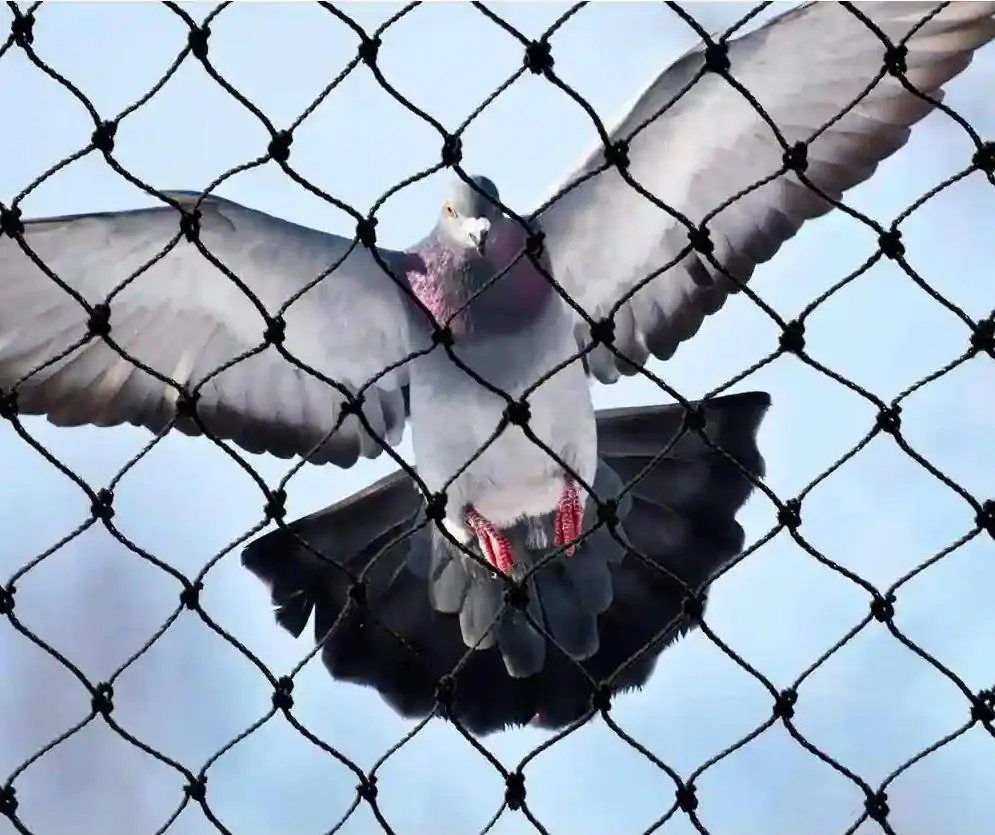
5 Humane Tips to Help Keep Birds Away By FullScope Pest Control Most everyone loves birds. But they can be unwelcome nuisances, for sure, especially when they invade your home or business. Pest control (including bird control for the likes of pigeons, gulls, and other pest birds) can feel like a never-ending, losing battle . . . dealing with their acidic droppings, with the bacteria and disease they bring with them, as well as with their disruptive territorial behaviors and destructive habits. Birds can be real pills! Bird invasion problems may require a call to a professional bird control service if the problem gets out of hand. On the bright side, there are some things you can do to help keep birds away from your property. Following are just some of the humane things you can do to keep your home or business bird-free. What is the Best Way to Get Rid of Birds? Regarding pest control, most home and business owners have just about enough on their hands keeping their areas free from common pests such as ants, roaches, rats, mice, etc. Most don’t take into consideration what a hassle birds can cause, and how much cost it can occur (especially to repair damages caused by pest birds). Make sure you do everything you can to prevent bird damage in a timely manner. Depending on the size of your home or business, birds can end up costing you into the thousands of dollars each year in maintenance and repair costs. How Do You Control a Bird Infestation? Start by conducting regular thorough inspections of your home or business, looking closely for evidence of bird damage. Keep an eye out for nests in high, tucked away places, as well. In particular, keep an close eye on the roof, the A/C unit and ventilation systems, the raingutters, etc. The sooner you address any potential problems, the better. Especially if there are health risks involved. Here are a few tips to help you keep birds away humanely. You can keep your home or business free of them, and still remain on good terms with your feathered friends. 1, Removing Food Sources As with all pests, removing the source of what the pests are after (food, water, shelter) is the quickest and easiest prevention method (bird exclusion). Without your knowing, there may already be things that birds love to eat all over your property. Identifying the birds you’re dealing with is critical, so you know what to watch out for. Some birds eat plants, some eat grains, some eat fruits and vegetables, some eat bug pests, like flies, mosquitoes, grasshoppers, etc. Birds of prey tend to seek out smaller birds, poultry, and small animals like squirrels, rodents, and raccoons. Also take note of where the birds are often congregating around your property. Chances are there’s a food source nearby. Install netting to prevent bird access to berry bushes and fruit trees. Install bug zappers around your property if your birds like the taste of bugs (or use an environmentally friendly pesticide). Keep lids on your garbage to keep birds and the other pests they hunt (squirrels, rats, raccoons, etc.) far away. Bird-repelling Kites If prevention is the best medicine, then your best move is to divert birds away from your property altogether. How about by doing it the old fashioned way? Don’t ever underestimate the power of a “scarecrow.” Bird-repelling kites (especially those that are constructed to look like birds of prey), set up on a windy day, will guard over your property, and keep the birds scared away form a distance. Birds won’t dare risk flying anywhere even close to it. Birds near and far will steer clear of your property. Ultrasonic Bird-Repelling Devices Another low-maintenance, humane way of keeping birds at a distance from your deck, garden, patio, pool, etc., is to install an ultrasonic bird-repelling device. You won’t hear them (your pets might), and they’ll work non-stop to repel those petty birds. Motion-Activated Sprinklers One super effective way of keeping your property bird-free is to install a motion-activated sprinkler. As you’ve likely noticed, birds are nervous, skittish creatures that will take off at even a hint of danger. Whenever you surprise them with a sudden burst of water, your bird pests will fly away to safer pastures. The motion activation feature in the sprinklers will keep your water bill down, too, as it will only go into action when birds are nearby to trip the sensors. Keep the sensors tilted skyward to be able to detect incoming bird pests. Calling a Professional Even with all the preventive methods you might put into place to keep away any kind of pest, sometimes their sheer numbers are enough to invade and overwhelm. This is when you want to call in a professional bird control service. As you can see, there are plenty of steps you can take yourself, but for more serious problems, calling a professional will be much more cost effective. Contact a professional pest control service that has the expertise necessary to get rid of birds whenever you first start to see any signs of a bird infestation (damage, nests, droppings, bird activity, etc.). This can help you deter expensive damage by getting a handle on things early on. Call our Texas pest control experts today at 832-898-0190 for a consultation. Or email us at info@fullscopepestcontrol.com. We can quickly help you get your bird problem under control, as well as other expensive pest problems plaguing your home or business.
Rodent Control for Home and Yard
There are times of the year, especially, when you want to ramp up efforts to keep rodents and other wildlife out of your home and yard. Just because you live in a more suburbanized area instead of out in the woods or in a remote rural area doesn’t make the chances of rat invasions any less. You might be even more at risk, because the food sources that rodents love tend to be more plentiful in the suburbs than in secluded areas. There are few things mice and rats love more than the garbage that humans toss out. Why are Rats and Mice Bad? Rodents are small, hairy mammals that can be found just about anywhere around the globe. As you may have realized, mice and rats, along with other uninvited wildlife (squirrels, raccoons, opossum, deer, etc.) are quite adept at finding their way into your home and garage. Rodents not only love the kind of trash you throw away (including fast food wrappers, empty food containers, etc.), but they also can chow down on stored food items. Rodents possess large, powerful teeth with which they can quickly chew through solid materials like leather, wood, drywall, etc. Because they are such powerful gnawers, they can cause quite a bit of damage to valuables in your home, such as to furniture and throughout your home’s structure (walls, doors, etc.). Rodents are also known to carry and spread diseases of all sorts. If not caught, so it’s even more important to have inspections by professional rodent control experts if you suspect mice and/or rat activity. How Many Diseases do Rats and Mice Carry? Rodents Spread Fleas: Rodents are notorious for hosting fleas, which are also known to spread various diseases and bacteria, and can plague a household with their blood-sucking biting., even if there are no pets. Rodents Spread Diseases: Rodents are difficult to control, especially after they’ve gotten a foothold in a home or yard. They are also vectors for diseases, and can contaminate your stored food with their shedding hair, and leaving behind saliva and droppings. The CDC has linked some rodents to hantavirus pulmonary syndrome, a disease known to cause fatalities in nearly 2 out of every 5 cases reported in the United States. You should also know that when mice feed on stored food, they contaminate about 10 times more food than what they actually eat. What is Considered a Rodent Infestation? As with roaches, if you see mice or rat activity at home or in your yard, you’re probably only seeing a small fraction of the actual population. One stray rodent isn’t necessarily a cause for alarm, but two or more definitely means you’ve got an infestation. Your best bet is to contact a pest management company to inspect, and treat for other possible rodents that may be living in your home or anywhere on your property. It should go without saying that children and pets should be kept safely away from any areas where wild rodents have been spotted at home or in the yard. Rodents are feral and are prone to bite and attack if they sense a threat. Do NOT try to grab or hold a rodent you may find in your home or around your yard. They can inflict painful bites with their large teeth and powerful jaws, which can transmit disease. What Kind of Rats Are in Houston? Roof rats and Norway rats are known to be prevalent in the North Houston area. What is a Rodent Exclusion? Why Is Exclusion Important For Rodent Control? Exclusion is a process of recognizing possible rodent entry locations and then taking preemptive measures to keep these invasive rodents out of your home and property. Exclusion is a very important part of an effective long-term rodent control. You don’t just want to drown your home with chemicals meant to kill pests, because these chemicals can also prove toxic to you and your family. It’s been demonstrably proven to be more effective to take a comprehensive, long-term approach to manage uninvited rodents. Exclusion is also healthier for the ecosystem. This type of rodent (and other pest) management is also known as Integrated Pest Management (IPM). Rodent exclusion is an important aspect of rodent IPM, and it involves more pro-active, preventive measures involving sealing off areas of your home or business where rodents might be likely to intrude. Best case scenario, exclusion can block them off from entering your home or yard to begin with. Prevention is always the best cure! Is Rodent Exclusion Necessary? Rodent exclusion involves sealing off areas that you don’t want rats and mice to get in, especially the inside of your home and on your property! You want to sealcracks in the foundation, screen over vents, screen over the bottom ends of your downspouts, keep your fireplace flue closed when not in use, and seal off pipe/utility entry points with screening, copper wool, or cement. Other pest exclusion tactics recommended by IPM experts and professionals include keeping organic materials as far away from the outside of your home or business as possible (i.e., mulch, compost, trash, leaf piles, yard clutter, etc.). Getting rid of things that attract pests, like food, entry points, and water sources, will also help you keep these sneaky rodents away. You also want to do things like keep your storage areas free of empty boxes and piles of newspaper that rodents could nest in and breed (A few rodents can turn into hundreds in a matter of just a few weeks). Call us today at 832-898-0190 or email us at info@fullscopepestcontrol.com for a free consultation. We can help you manage your rodent problems at home and yard, and show you what you can do yourself to keep them away. Save yourself money, time, and headaches. Calling a professional rodent control service is always much more cost effective and a timesaver in the long run if you feel you are overwhelmed with rice and/or rats. This can help you deter expensive damage by getting a handle on things early on. Call our Texas pest