 1500+ reviews

Uncovering Termites in Wall: Signs and Solutions
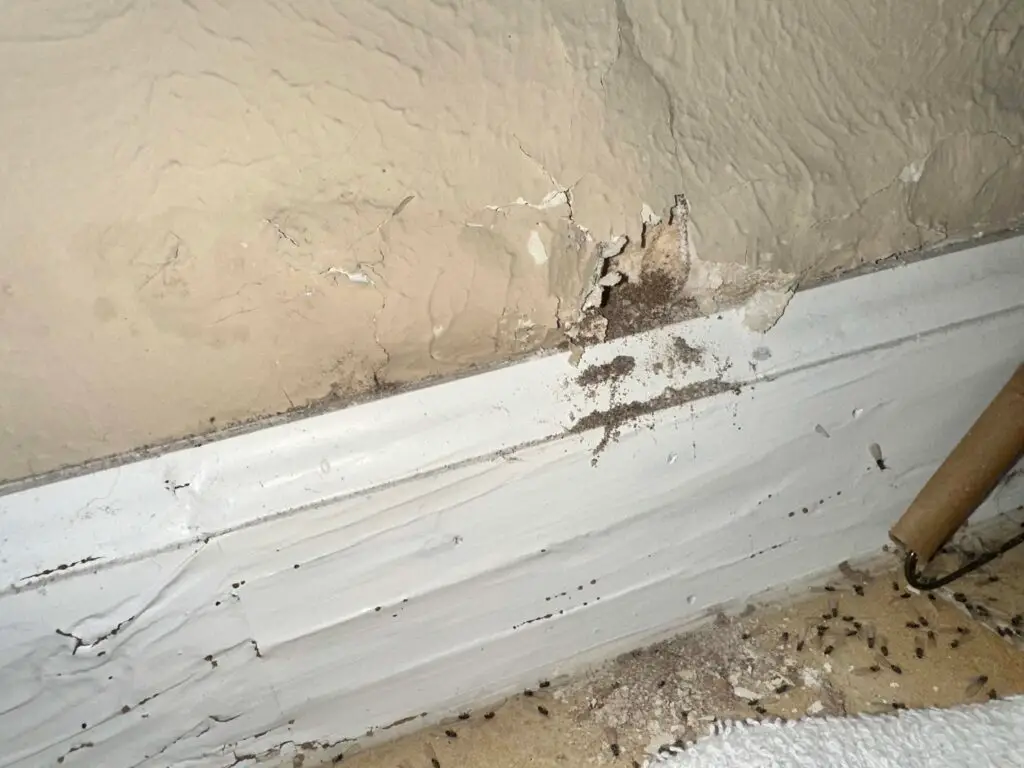
Key Highlights Introduction Termite infestations can be a homeowner’s worst nightmare. These small insects have a voracious appetite for wood, and if left unchecked, they can cause severe damage to the structure of a building. Termites often go undetected until the damage is already significant, making it essential to be aware of the signs of termites in walls. In this blog, we will explore the early warning signs of termite infestations, understand termite behavior and the risks they pose, discuss professional inspection and identification, provide DIY termite inspection tips, and explore effective solutions for termites in walls. How can you tell if you have termites in your wall? Indications of termites in your wall include hollow-sounding wood when tapped, discarded wings near windows, mud tunnels on exterior walls, and small holes in the wood. If you notice any of these signs, it’s crucial to seek professional help promptly to address the termite infestation effectively. Early Warning Signs of Termites in Walls Early detection of termite infestations in walls is crucial for preventing further damage. There are several signs to watch out for that may indicate the presence of termites. Visible mud tubes on exterior walls are a common sign of a termite infestation. These shelter tubes, which are about the width of a pencil, are created by subterranean termites as they travel between their colony and a food source. Another sign to look out for is a hollow sound when tapping on wood surfaces. This hollow sound could indicate termite damage within the wood. Additionally, cracked or bubbling paint and the presence of frass, which are termite droppings, can also be indicators of termite activity within walls. Visible Mud Tubes on Exterior Walls Visible mud tubes on exterior walls are a telltale sign of a termite infestation. These shelter tubes, also known as mud tunnels, are created by subterranean termites to provide protection and moisture as they travel between their colony and a food source. Here are some key points to understand about mud tubes: Hollow-Sounding Wood Surfaces When inspecting your walls for termite infestations, tapping on wood surfaces can provide valuable information. If the wood emits a hollow sound, it could indicate termite damage within the structure. Termites feed on the cellulose found in wood, hollowing it out as they consume it. Here are a few key points to consider: Cracked or Bubbling Paint Cracked or bubbling paint on walls can be an indication of termite activity. Termites require moisture to survive, and as they inhabit the interior of walls, they may bring moisture with them. This moisture can cause the paint to crack, bubble, peel, or flake off. Here are a few key points to consider: Frass: Termite Droppings as an Indicator Frass, which refers to termite droppings, can be a useful indicator of termite activity within walls. As termites consume wood, they produce frass that resembles small pellets or sawdust. Here are a few key points to consider: Understanding Termite Behavior and Risks Understanding termite behavior and the risks associated with termite infestations is essential for effectively dealing with the problem. Termites have a complex lifecycle and certain behaviors that contribute to the damage they cause. Here are a few key points to understand: The Lifecycle of Termites Termites have a complex lifecycle that involves different castes and stages. Understanding their lifecycle can help in identifying and addressing termite infestations. Here are a few key points to consider: Different Types of Termites and Their Behaviors There are different species of termites, each with its own behaviors and preferences. It is important to understand these differences to effectively address a termite problem. Here are a few key points to consider: How Termites Cause Damage Over Time Termites can cause significant damage to wooden structures over time if left untreated. Understanding how termites cause this damage is essential for effectively addressing infestations. Here are a few key points to consider: Professional Inspection and Identification Professional inspection and identification are essential for accurately detecting termites and assessing the severity of an infestation. Here are a few key points to consider: The Role of a Professional Termite Inspector A professional termite inspector plays a crucial role in accurately assessing the severity of a termite infestation and determining the appropriate course of action. Here are a few key points to consider: Tools and Techniques for Detecting Termites Professional termite inspectors use various tools and techniques to detect termite activity. Here are a few commonly used tools and techniques: Tool or Technique Description Moisture meters These devices measure moisture levels in wood, which can indicate termite activity. Termite probes Inspectors use these tools to tap and probe wood surfaces, looking for hollow sounds and signs of termite damage. Fiber optic scopes These scopes allow inspectors to see inside walls and other inaccessible areas to search for termite activity. Thermal imaging cameras These cameras can detect temperature variations that may be indicative of termite activity, such as heat generated by termite nests. Termite-sniffing dogs Specially trained dogs can detect the presence of termites by sniffing for their unique scent. By utilizing these tools and techniques, professional termite inspectors can accurately detect termite activity, assess the severity of an infestation, and develop appropriate treatment plans. Interpreting Signs of Termite Infestations Accurately Interpreting signs of termite infestations accurately is crucial for determining the appropriate treatment and preventing further damage. Here are a few key points to consider: DIY Termite Inspection Tips While professional inspection is recommended for accurate detection of termite infestations, there are some DIY methods that homeowners can employ to supplement their efforts. Here are a few key tips for DIY termite inspection: Safety Measures and Precautions When conducting a DIY termite inspection, it is important to prioritize safety and take necessary precautions. Here are a few key safety measures to consider: Identifying Common Termite Entry Points Termites can enter a building through various entry points, and identifying these common entry points is crucial for preventing infestations. Here are a few key entry