 1500+ reviews

Wasps in Texas: What You Should Know
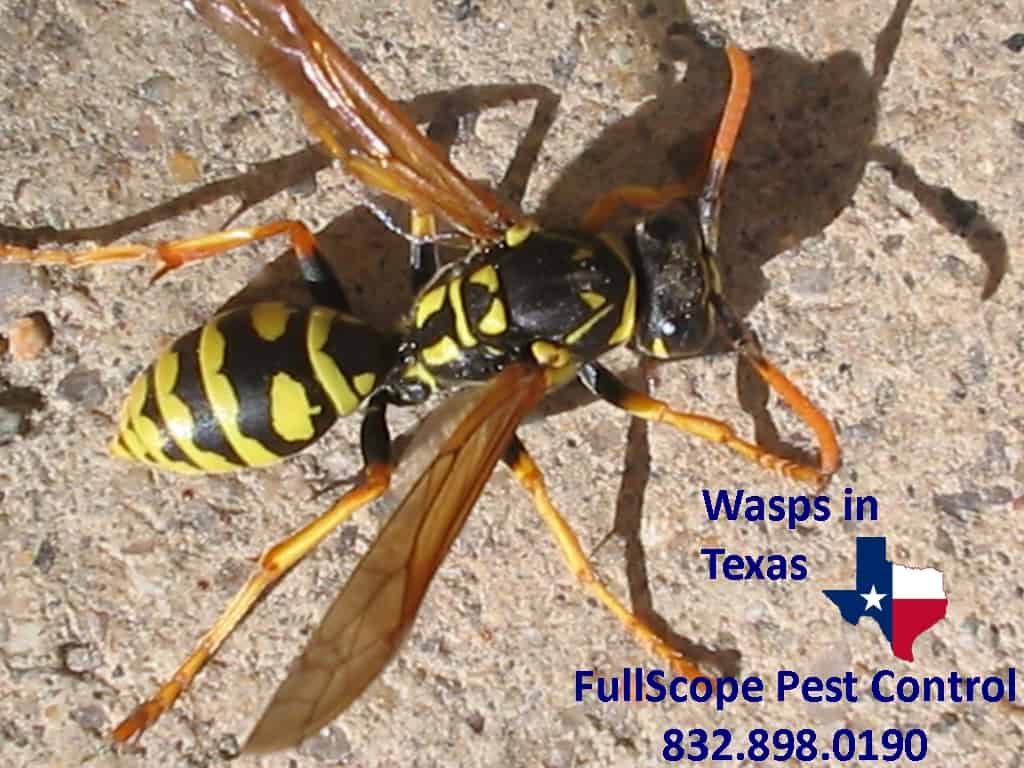
There are many types of wasps and other stinging insects throughout Texas. Believe it or not, stinging insects, including wasps, are considered beneficial to the ecosystem, either through pollination and/or by eliminating other bothersome pests. “Social wasps” (i.e., Paper wasps, yellowjackets, hornets, etc.) are also considered predatory species which hunt down and feed on various species of nuisance insects as part of their diets. But that doesn’t mean you want lots of them around. Wasps that are known to live in Southeast Texas include: Paper wasps, yellowjackets, and hornets.
What New Caney Homeowners Should Know About Wasps Removal
As all Texans know, wasps are just part of living in the Lone Star State, including in New Caney, Texas. Throughout the warm weather months and into the fall, you’ll likely encounter stinging insects eventually. They are on the lookout for food and water, and sometimes shelter. They will usually leave you alone (they’re actually quite unaware that you even exist), unless you happen to “invade” their turf. “Social wasps” (Paper wasps, hornets, yellowjackets, etc.) will get aggressive, and attack (in large numbers if there are many nearby) and sting their attackers. Stings are painful enough, but can prove fatal for those with allergies to wasp venom.
How Do You Get Rid of a Wasp Nest Without Getting Stung?
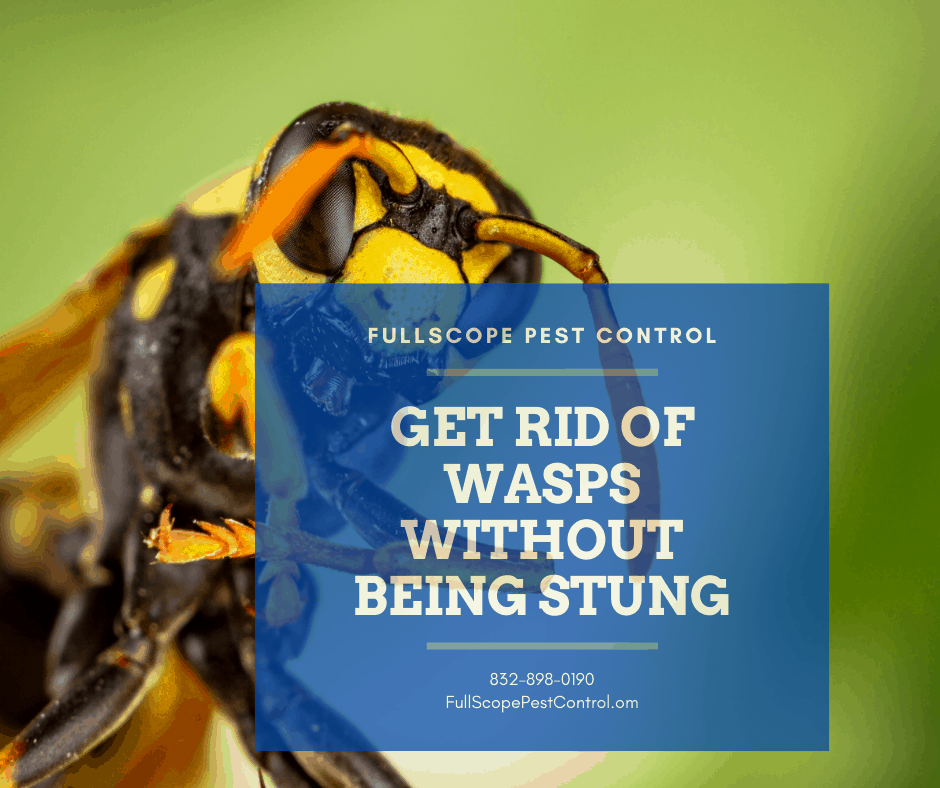
Is there a way to remove a wasp nest around your home or on your property without getting stung? That’s a tricky question, and many homeowners mistakenly believe that the best way to get rid of wasps is to go right out and remove the nest itself. Big mistake. If you attempt to remove an active wasp nest, you’re exposing yourself to getting stung by angry wasps, which is not only extremely painful, it can also prove fatal if you happen to be allergic to wasp stings. The term “wasps” can be used to reference Paper wasps specifically, but in this context, we use “wasps” to refer to “social wasps,” which are specific aggressive wasp species, including Paper wasps, hornets, and Yellow jackets. There are other, less aggressive wasp species, like the Mud dauber, who aren’t as aggressive, but that will sting you if provoked. Must Read:EARWIGS IN YOUR PORTER HOME
Earwigs in Your Porter Home
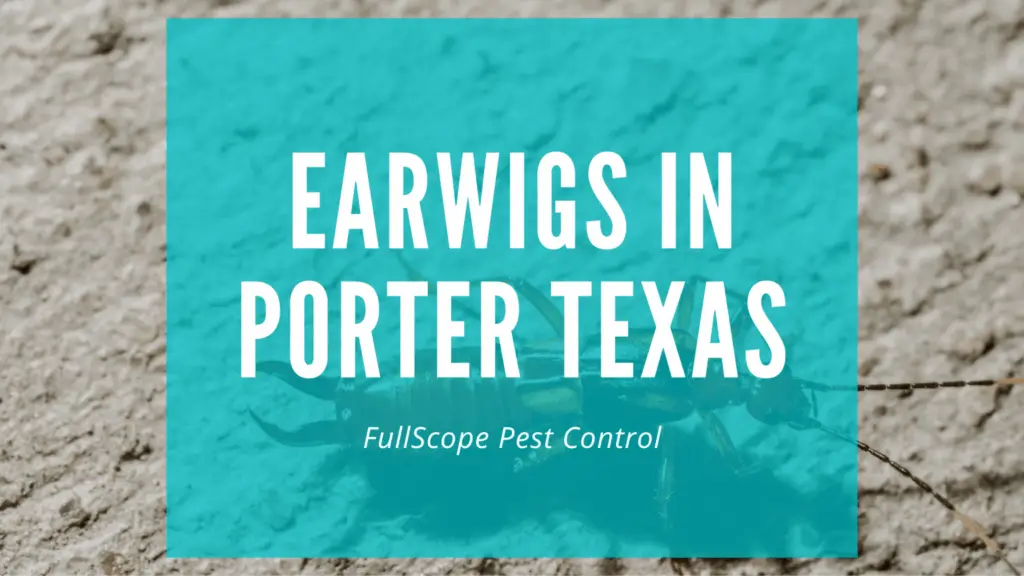
Among moisture pests, one common Texas pest is the earwig. Earwigs get their common name from an old wives’ tale that they crawl into your ears and into your brain. Though they may look scary with the sharp looking pincers that extend from their backsides, they are little more than nuisance pests. There are are about 2,000 different species of this occasional invader pest (only about 10 species common to Texas) and they are among the smaller insect species. You might find them in your Porter, TX home, and this might be a draw for other predator pests, like spiders. Though relatively harmless, earwigs are just kind of creepy looking, and most homeowners don’t want them around. Here are some things you can do to keep them off your property.
What To Do About Wasps In Your Porter Home
If you’ve lived in Texas long enough, you’ve probably become acquainted with wasps at some point. Wasps are not only outdoor insects, if given the opportunity, they might also invade your Porter home. They might just fly right inside through open and unscreened doors and windows. Open doors and windows are the perfect invitation for stinging insects of all kinds to come indoors. The term “wasps” not only refers to the familiar Paper wasps, but also to all “social wasps (aggressive species of flying, stinging insects),” which includes Paper wasps, but also hornets, yellowjackets, Mud daubers, and others. Wasps are very active throughout the warm weather season (spring through the fall), but they become noticeably more aggressive and visible in the fall. Aggressive wasp species are trying to protect their nest and queen, and if you cross them … they will attack you and sting.
3 Easy Steps to Get Rid of Scorpions on Your New Caney Property
Scorpions are arachnids, like spiders and ticks. If you live in Texas, you’ll likely encounter more than one scorpion. Texas is home to about 20 different scorpion species. The Striped Bark scorpion (Centruroides vittatus) is the most commonly encountered in Texas and other parts of the country. Striped Bark scorpions are known to be venomous (the most venomous scorpion species), and can inflict a painful sting. Fortunately, the bite is not going to likely be fatal, but you should seek medical attention, especially if you are allergic to their venom. What can you do to help prevent them and keep them out of your New Caney home?
5 Quick Ways to Get Rid of Silverfish in Your New Caney Home
Silverfish, which are sometimes called “fish moths,” are tiny, nocturnal insects found all over the world, including in Texas. They are a very prominent pest species that prefers to live in dark, humid, damp areas, like in your garage, basement, crawl spaces, attic, and sheds (they especially love mildewy, moldy places!). These pests, whose timeline goes back to prehistoric times, are known for their slithery, wiggly walk. The good news is that they don’t bite or sting, nor do they transmit any diseases. On the downside, silverfish crave sugars, starches, and carbohydrates, which might include your favorite stored books, family photos, printed materials, furniture, clothing, fabrics, and wallpaper. They even eat the glue that keeps wallpaper up! One of the hardest parts about managing these pests is finding all their little hideouts and egg caches. If you see one silverfish anywhere in your home, you can bet there are several, several more nearby. As with other pest problems, the faster you act, the better you’ll be able to get rid of silverfish at home. How Do You Get Rid of Silverfish? There are a few quick tricks you can pull to start managing silverfish in your home or basement. You can start by making sure you’ve repaired all indoor and outdoor leaks in your home (moisture is attracting the silverfish). You might also try to dehumidify your basement or other areas where you might be finding silverfish. Also, try some of the following: Rolled up, damp newspaper. Create a welcome place for silverfish to congregate and hide. After a few days, burn or dispose thoroughly of the newspaper with the silverfish inside. Organic insecticide/silverfishpoison. Only use in out-of-the-way areas where pets and children can’t get to it. Sticky traps. These do well to trap plenty of silverfish. Cedar oil or cedar chips. If there’s one smell silverfish hate, it’s the pheromones in cedar wood. Try some cedar oil in a diffuser or spray bottle with a mixture water and cedar oil. Cedar chips in corners and cracks of your basement work well, too. Bay leaves. Silverfish and other insects can’t stand bay leaves, either, so spread some into the corners of areas where silverfish can be repelled by the scent. Must Read: fullscope pest control Silverfish are more of a nuisance than anything, but remember, they can severely damage your valued property. If you do have silverfish at home, it’s a manageable problem, but they multiply quickly and can become a problem quickly. Have you thought about calling in the professionals? You can save yourself plenty of time, money, and stress when you call our New Caney, TX pest control experts. Call us today! We can get rid of your silverfish problem in no time.
Effective Spider Control for Your Cleveland, Texas House
Are you finding more spiders than normal in and around you home? This really could be a pest problem, no really. Because most spiders are consuming other insects the solutions is sometime easier than you think. Getting a handle on all the other bugs will help reduce your spider population. Good perimeter pest control, with a high quality residual product.
What New Caney Homeowners Should Know About American Cockroaches
American Cockroaches invading homes all over the south, including New Caney, Kingwood, Humble, Texas. These large roaches, sometimes referred to tree roaches or water bugs have a keen sense of travel when the temperature is high and the rain is low. Or in some cases when the rain is high. But there are things we can do to prevent their populations from getting so high that you start finding these large flying pest inside.
What Pests are Eating My Plants? 5 Types of Ornamental Pests
What are ornamental pests? Ornamental pests are those that feed on ornamental plants (those that are grown for aesthetic reasons). Insects and mites that feed on these plants, landscape trees, and other woody ornamentals can take away from the beauty that you worked so hard to bring to your Porter yard.