 1500+ reviews

4 Reasons DIY Pest Control Often Fails In Houston Homes
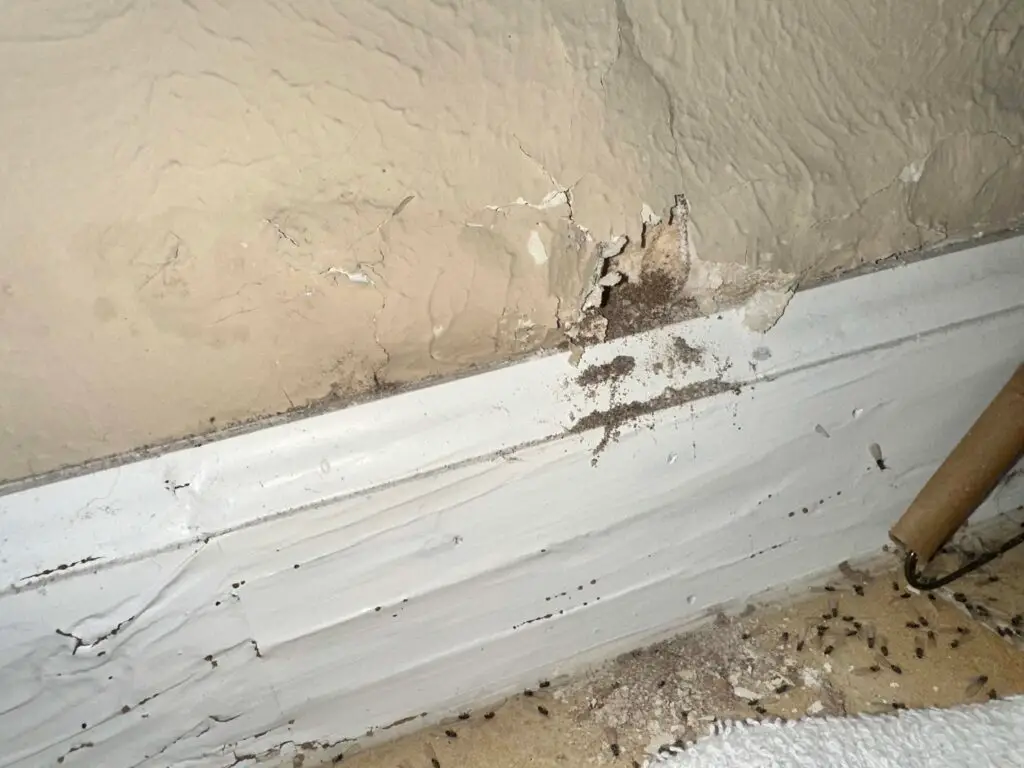
DIY pest control often seems like a practical first step when pests appear. A quick spray, a few traps, or a store-bought solution can feel like enough to solve the problem. In many cases, it even appears to work at first. The visible pests disappear, and the situation seems under control. However, this sense of success is often temporary. In Houston homes, pest activity is influenced by climate, moisture, and year-round conditions that support continuous pest presence. This creates an environment where surface-level solutions rarely hold for long. Understanding why DIY pest control tends to fail helps explain why infestations return and why a more structured approach is often needed to maintain lasting results. 1. DIY Methods Only Address Visible Pest Activity One of the main limitations of DIY pest control is its focus on what can be seen. Most products are designed to eliminate pests that are already visible, but they do not reach hidden areas where infestations begin and grow. This is why initial results from DIY pest control can be misleading. The underlying problem often remains untouched. 2. Houston’s Climate Supports Constant Pest Pressure Houston’s warm and humid conditions create an environment where pests can remain active throughout the year. Unlike regions with colder seasons that slow pest activity, this climate allows infestations to persist and grow. These conditions make it difficult for DIY pest control to keep up with ongoing activity. Understanding the types of pests commonly found in the area, such as those discussed in this overview of Texas home pest issues, provides insight into why infestations can persist. 3. Incorrect Product Use And Application DIY pest control often involves products that require precise application to be effective. Without proper knowledge, these products may be used incorrectly, reducing their effectiveness. Even when products are used as directed, they may not be sufficient for more complex pest problems. 4. Lack Of Long-Term Prevention Strategy DIY pest control is often reactive rather than preventative. It focuses on eliminating pests after they appear, rather than addressing the conditions that allow them to thrive. In contrast, effective pest management requires a long-term strategy that combines treatment, prevention, and monitoring. Why Some Infestations Require A More Advanced Approach Certain pests are particularly difficult to control without a comprehensive plan. Termites, for example, can cause significant structural damage while remaining hidden. Cockroaches and ants can spread quickly and adapt to changing conditions. In these situations, limited solutions often fall short. Understanding how more complex infestations are handled provides a valuable perspective. For example, this discussion of termite treatment challenges explores challenges related to severe infestations, where treatment depth and precision play a critical role. Addressing these problems requires planning and expertise beyond basic methods. Why Professional Insight Makes A Difference Pest control is not only about applying treatments. It involves understanding pest behavior, identifying hidden activity, and adapting strategies based on environmental conditions. Professional pest management focuses on: This approach creates a more reliable outcome by addressing both current infestations and future risks. DIY pest control may seem convenient, but it often lacks the depth required for long-term success. Without a comprehensive plan, infestations can return repeatedly, leading to ongoing frustration and potential damage. A More Effective Way To Handle Persistent Pest Problems Pest issues in Houston homes are rarely isolated. They are influenced by climate, structure, and environmental conditions that require a thoughtful and consistent approach.For a more dependable solution that addresses both immediate concerns and long-term prevention, contact Fullscope Pest Control and take the next step toward lasting pest protection.
Termite Prevention During Home Renovation Projects

Home renovation projects bring excitement and opportunity. Whether updating a kitchen, expanding a living space, or replacing structural elements, construction changes the dynamics of a property. However, renovation work can also expose homes to increased termite risk if proper precautions are not taken. Termite prevention should be an integral part of any remodeling or structural upgrade. Construction activity often disturbs soil, exposes wood, and alters moisture patterns, all of which can create ideal conditions for infestation. Understanding how renovation impacts termite behavior helps homeowners protect their investment. How Renovation Projects Increase Termite Risk During renovation, structural components are frequently removed or replaced. Foundations may be modified, plumbing relocated, and exterior landscaping adjusted. Each of these changes can inadvertently create termite access points. Common renovation-related risk factors include: When contractors excavate near foundations, subterranean termite colonies may be disturbed. This disturbance can redirect termite movement toward the structure. Similarly, installing untreated wood in contact with soil increases vulnerability. Moisture management is especially important. Renovations that involve bathrooms, kitchens, or foundation repairs may temporarily alter humidity levels. Termites are drawn to damp wood and soil, making these transitions critical periods for inspection. Proactive termite prevention ensures that construction improvements do not unintentionally invite structural pests. Choosing Materials and Construction Practices Wisely Material selection plays a significant role in reducing termite susceptibility. During renovation, homeowners have an opportunity to incorporate protective measures that strengthen long-term resistance. Effective construction considerations include: In addition to termites, renovation projects can attract other pests such as ants, spiders, rodents, and cockroaches. Construction debris and open access points provide temporary shelter for these invaders. Integrated pest management strategies address the broader pest environment while focusing on termite prevention. By coordinating pest inspections with renovation timelines, homeowners reduce the risk of hidden infestations developing behind newly finished walls. The Importance of Pre and Post-Renovation Inspections Before major construction begins, a professional termite inspection provides a baseline assessment. Identifying existing hidden termite activity ensures that renovation does not seal infestations inside structural components. Inspection typically involves: After renovation is complete, a follow-up inspection confirms that no new vulnerabilities have been introduced. This two-step approach strengthens overall termite prevention efforts. Seasonal factors can also influence risk. Renovations that occur during warmer months may coincide with increased pest pressure. Homeowners planning projects in Texas can benefit from reviewing insights in this resource on spring pest planning to better understand how seasonal conditions affect pest behavior. Incorporating inspections into renovation schedules ensures that structural improvements are protected from the start. Moisture Control and Long-Term Protection Renovations often involve plumbing upgrades, roof adjustments, or changes to ventilation systems. Each modification can influence moisture distribution within the home. Because termites depend on moisture, controlling humidity levels is central to effective prevention. Key moisture management practices include: Termite prevention is not limited to the construction phase. Ongoing monitoring remains essential after renovations are complete. Structural changes may shift airflow or soil drainage patterns in ways that gradually create conducive conditions. Recurring service programs provide consistent oversight and help detect early signs of termite or other pest activity. To understand how scheduled monitoring strengthens protection over time, homeowners can review this overview of year-round protection. Long-term prevention integrates structural awareness with environmental management. Coordinating Pest Management With Contractors Successful termite prevention during renovation requires communication between homeowners, contractors, and pest professionals. Construction crews focus primarily on structural and aesthetic goals. Without coordination, pest vulnerabilities may be overlooked. Professional pest specialists can: Because termites cause damage silently, waiting until visible signs appear is not a practical strategy. Once drywall is installed and finishes are complete, addressing hidden infestations becomes more complex and costly. A proactive approach protects both the renovation investment and the structural integrity of the home. By aligning pest management with construction timelines, homeowners reduce the likelihood of future repairs. Termite prevention is most effective when integrated into every stage of renovation planning. Careful material selection, moisture management, and professional inspection form a comprehensive defense against infestation. Safeguard Your Renovation Investment Before, during, or after your renovation project, contact Fullscope Pest Control to ensure your termite prevention strategy protects your home and your long-term investment.
Pest Prevention Checklist For The Winter Season

Winter does not eliminate pest activity. Instead, colder temperatures change how pests behave and where they concentrate. As outdoor conditions become less stable, many pests seek shelter, warmth, and food inside homes. This seasonal shift makes winter an important time for pest prevention, not a period to relax protective efforts. A structured winter checklist helps reduce vulnerabilities before pests settle in. By addressing access points, environmental conditions, and hidden risk areas, homeowners can limit the conditions that allow infestations to develop quietly. Pest prevention during winter focuses on preparation, awareness, and early intervention rather than reacting once problems become visible. Why winter increases indoor pest pressure Cold weather creates survival challenges for pests that depend on stable environments. When temperatures drop, food sources decline, and outdoor shelter becomes unreliable, pushing pests toward buildings. This pressure explains why pest issues often appear suddenly during winter. Activity may have been building gradually outdoors before pests transitioned inside. Understanding this seasonal behavior helps reinforce why pest prevention efforts are essential before and during colder months. Exterior checks that reduce winter pest entry The exterior of a home is the first line of defense during winter. Small gaps and overlooked areas become primary access points when pests are determined to find shelter. Rodents are especially persistent during winter and can exploit even minor vulnerabilities. Addressing these areas early reduces repeated entry attempts and limits indoor pressure. Insight into how rodents behave during colder months is explained further through guidance on winter rodent risks, which highlights why exterior preparation is critical. Interior conditions to address before pests settle in Once pests enter a home, interior conditions often determine whether they stay. Winter pest prevention includes evaluating spaces that provide food, moisture, and concealment. Indoor environments remain stable throughout winter, making them ideal for pests seeking long-term shelter. Even well-maintained homes can develop pest issues if moisture and food access go unnoticed. By reducing these conditions, pest prevention becomes proactive rather than reactive. Winter pest risks that often go unnoticed Some winter pest threats are easy to overlook because activity is less visible. Pests may remain hidden for months, causing damage before signs become obvious. Termite activity is a common example of a hidden winter risk. Even during mild winters, termites can remain active below ground or inside structural wood. Understanding this threat is important for comprehensive pest prevention, as outlined through information on winter termite threats. Ignoring these risks during winter allows damage to progress quietly, often becoming more costly to address later. Why professional pest prevention matters in winter Winter pest prevention benefits from professional evaluation because many risk factors are not visible without experience. Professionals understand how seasonal behavior affects pest movement and where problems are likely to develop. Professional pest prevention focuses on identifying vulnerabilities, monitoring seasonal pressure, and reducing long-term risk. Rather than encouraging surface-level fixes, it emphasizes strategies that limit recurring infestations and protect structural integrity. Winter is an ideal time for assessment because pest activity is concentrated in sheltered areas. This makes it easier to identify nesting zones, entry points, and environmental contributors that support infestations. Addressing these issues during winter reduces the likelihood of larger problems as temperatures rise. Effective pest prevention is not a one-time task. It is an ongoing process that adapts to seasonal changes. Winter provides an opportunity to strengthen protection while pest pressure is building rather than after infestations become disruptive. Stay protected before pests move in We understand how winter conditions increase indoor pest activity and why preparation matters. For reliable pest prevention and professional guidance, contact Fullscope Pest Control so we can help protect your home throughout the winter season and beyond.
Why Rodents Can Become a Serious Problem in Winter

As temperatures drop, rodent activity rarely slows down. In fact, winter often marks the period when rodent issues become more concentrated and more damaging for homes and businesses. Cold weather shifts food availability, nesting behavior, and movement patterns, driving rodents indoors where warmth and shelter are easier to find. Understanding why this seasonal change increases risk is essential for addressing problems before they escalate. Rodents are highly adaptive pests. Once inside, they can remain hidden for long periods, causing structural damage, contaminating living spaces, and increasing health concerns. Winter conditions create an environment where infestations grow quietly, making early awareness and proper rodent control planning especially important. How Cold Weather Changes Rodent Behavior Winter forces rodents to adjust quickly. Outdoor food sources diminish, soil hardens, and exposure becomes dangerous. These pressures push rodents to seek stable environments, and buildings provide everything they need to survive. Several behavioral shifts commonly occur: Unlike seasonal insects, rodents remain active throughout winter. Once established indoors, they conserve energy and focus on reproduction. As explained in our previous blog post on seasonal rodent movement, this transition often begins before homeowners notice any visible signs. Common Indoor Areas Rodents Target During Winter Rodents prefer spaces that offer warmth, limited disturbance, and easy access to food. Winter heating systems unintentionally make many indoor areas more attractive, especially those that remain unused or poorly monitored. High-risk indoor locations include: These areas allow rodents to move undetected while expanding nesting sites. Because winter reduces ventilation and outdoor inspections, infestations often grow quietly until spring reveals the damage. By that point, populations may already be well established. Health and Structural Risks Increase in Winter Rodents introduce more than noise and inconvenience. Their presence can create serious risks that intensify during winter when indoor exposure increases. Key concerns include: During colder months, windows stay closed and indoor air circulation is limited. This allows contaminants to accumulate more easily. In our article on commercial rodent challenges, the connection between hidden activity and long-term damage is highlighted, especially in shared or multi-use structures. Why Winter Infestations Are Harder to Detect Winter infestations often go unnoticed because rodent activity shifts deeper into structures. Reduced outdoor noise, shorter daylight hours, and limited access to exterior areas all contribute to delayed detection. Rodents also adapt their behavior to avoid detection by: Because signs are subtle, homeowners may dismiss early indicators such as faint sounds or mild odors. Unfortunately, these early warnings often signal broader activity that requires careful assessment. The Role of Strategic Rodent Control in Winter Winter rodent activity is rarely random. As outdoor conditions become harsher, rodents follow predictable patterns driven by warmth, food access, and shelter. Strategic rodent control focuses on understanding these patterns and addressing the root causes of winter infestations rather than reacting to surface-level signs. This approach is especially important during colder months when rodents are more likely to remain hidden for extended periods. Effective winter-focused rodent control involves several key elements: Strategic rodent control also accounts for the fact that winter infestations often remain unnoticed until populations grow. Rodents can establish nests early in the season and remain active behind walls for months without obvious signs. By the time scratching noises, droppings, or odors become noticeable, the infestation is often well established. A structured approach helps limit property damage, contamination risks, and repeated infestations once warmer weather returns. Rather than focusing on isolated symptoms, strategic rodent control evaluates how winter conditions influence behavior, movement, and nesting habits. This broader perspective allows for more reliable results and stronger protection throughout the colder months and beyond. A Smarter Approach Before Activity Escalates If colder weather has raised concerns about rodent activity or unusual indoor signs, timely evaluation matters. Contact Fullscope Pest Control to discuss professional insight and guidance designed to protect your space throughout the winter season.
Seasonal Lawn Care Tips That Minimize Pest Pressure

Healthy lawns do more than enhance curb appeal. They play a significant role in reducing the outdoor conditions that allow pests to thrive. Many insects, rodents, and lawn-dwelling pests rely on moisture, shade, and cluttered vegetation to survive. When lawns are maintained throughout the year, these hiding places shrink, leaving fewer opportunities for pests to settle near the home. Effective lawn care is, therefore, one of the strongest foundations for long-term pest control. Every season presents new challenges. Weather shifts, moisture changes, and temperature fluctuations influence how pests behave and where they are most likely to nest. Taking a strategic, season-by-season approach helps limit pest pressures before they reach the interior of the home. With preventive outdoor habits and a clear understanding of pest activity, homeowners can keep their lawns healthier and significantly reduce the risks of year-round infestations. How Seasonal Changes Affect Lawn Pests Pests are heavily influenced by seasonal conditions. Heat, humidity, drought, cold snaps, and rainfall all play roles in how pests breed, feed, and move across the landscape. Some pests become aggressive during warm months, while others increase activity as temperatures drop. Seasonal patterns that affect pest activity include: Seasonal weather also affects how pests interact with the home. Rodents, for example, often migrate indoors when the temperature drops, accelerating food shortages. A helpful resource on weather-driven rodent movement explains why lawns and landscaping can influence these migration patterns. Understanding these patterns helps homeowners plan ahead and identify which areas of the lawn require the most attention each season. Spring Lawn Care That Reduces Early Pest Activity Spring is a pivotal season for lawn care because pests become more active as temperatures rise. Many insects begin breeding in early spring, which means early maintenance routines help prevent the population from swelling throughout the season. Effective spring lawn care includes: Spring is also the time when lawns recover from winter dormancy. By clearing debris and improving early soil conditions, homeowners reduce the shaded and moist environments where pests thrive. Preventing early-season pest buildup makes summer lawn maintenance easier and minimizes the number of insects that reach the home’s perimeter. Summer Strategies for Maintaining a Pest-Resistant Lawn Summer brings peak pest activity. Heat and humidity accelerate growth and reproduction, making outdoor pest control more challenging without consistent lawn care. During this season, the goal is to reduce food sources, eliminate hiding places, and keep the lawn well-maintained. Summer lawn care strategies include: These strategies help keep the lawn dry, trimmed, and open enough to discourage pests that rely on thick vegetation. Summer pests such as mosquitoes, ants, and spiders often move to shaded, moist areas, so maintaining airflow and reducing dense growth is essential. Shrubs and trees should be trimmed to keep branches from touching the structure, as these serve as bridges that allow pests to reach exterior walls and windows. Fall Lawn Care That Prevents Seasonal Pest Migration Fall lawn care focuses on preventing pests from using the changing season as an opportunity to move indoors. Many insects and rodents begin searching for overwintering sites when temperatures drop. Reducing outdoor attractants helps minimize their chances of settling near the home’s foundation. Important fall lawn care practices include: Fall is also a time to inspect potential pest pathways. Rodents become especially active during this season and search for warmth as outdoor resources fade. Maintaining a clean perimeter, reducing clutter, and inspecting small gaps around the home all contribute to better protection. Homeowners looking for additional long-term prevention ideas can refer to guidance in our resources on living pest-free, which stresses the importance of consistent outdoor and indoor management. Winter Preparation and Long-Term Lawn Health Winter lawn care may seem unnecessary, but preparation helps ensure the yard does not turn into a pest-harboring environment once warmer temperatures return. Cold weather slows pest activity, making it an ideal time to perform maintenance tasks that are more difficult during active seasons. Beneficial winter preparation includes: Winter preparation reduces the likelihood of pests finding stable shelter near the home. When the outdoor environment remains well managed during dormant months, spring pests face fewer opportunities to settle and reproduce, creating stronger year-round protection. A Better Path Toward a Pest-Resistant Property For assistance building a strong, season-by-season lawn care and pest control plan, consider contacting Fullscope Pest Control for expert guidance and comprehensive support tailored to your property.
The Role of Foam Injection in Tackling Hidden Termite Galleries
Subterranean termites are among the most destructive pests affecting homes, and their ability to remain hidden makes them even more difficult to detect. These pests often travel through narrow tunnels and create concealed galleries inside walls, flooring, insulation, and structural voids. Because these areas are difficult to reach using standard liquid applications alone, advanced methods such as foam injection have become essential in termite control. Foam injection is designed to access cavities where termites hide, delivering treatment deep into spaces that traditional approaches struggle to penetrate. This method has become a valuable part of termite management, especially when galleries are located inside inaccessible voids. Below is a detailed look at how foam treatment works, why it is effective, and when it becomes necessary. Why Hidden Termite Galleries Require Specialized Treatment Termites rarely remain in open spaces. Instead, they create complex networks of galleries inside wood, behind drywall, beneath flooring, or within insulation. These enclosed areas protect the colony from exposure and allow it to feed undisturbed for long periods. As a result, homeowners often do not notice termite activity until damage becomes significant. Cold or mild seasonal temperatures can influence hidden activity, making infestations harder to detect. Insights from winter termite behavior show that termites remain active even when outdoor conditions seem unfavorable. Because these pests continue feeding internally, effective treatment must reach the concealed areas where they travel and establish colonies. Foam injection is ideal for these inaccessible locations. Unlike standard liquid termiticides that rely on gravity and surface penetration, foam expands into voids, filling irregular spaces and making contact with termites that would otherwise remain protected. How Foam Injection Works in Termite Control Foam injection begins by locating termite galleries inside walls, floors, or structural elements. After identifying these voids, small access points are created to allow the foam to reach hidden areas. Once applied, the foam expands, traveling through narrow spaces and coating surfaces with active ingredients. The process is effective because foam: The expanding nature of foam ensures that the termiticide spreads uniformly, creating a barrier throughout the gallery. This makes it an excellent solution for concealed infestations that cannot be controlled through soil treatments alone. When Foam Injection Becomes Necessary for Termite Management Foam injection is not always the first step in termite control, but it becomes essential when traditional methods are insufficient or when termite activity is deeply embedded. Understanding when foam is needed helps prevent ongoing damage. Foam injection is recommended when: This method complements other forms of termite control by addressing vertical and internal components of an infestation. In homes with long-standing termite issues or those built with complex structural layouts, foam provides essential added coverage. Supporting New Construction and Preventive Measures Foam injection is also beneficial during construction, renovation, or remodeling. Structural elements that remain open before walls are closed are ideal for foam applications, helping create early protection that reduces future termite pressure. This is especially valuable in new builds, where early preventive steps can significantly reduce long-term risks. Resources discussing proactive soil prep reinforce how combining foundational soil preparation with supplementary foam treatments provides a more complete defense system. Foam can reach elevated or enclosed structural areas that soil treatments cannot access during construction. By integrating foam into the larger termite control plan, both existing and newly built homes benefit from deeper coverage and enhanced long-term protection. Advantages of Foam Injection Compared to Traditional Methods Although liquid termiticides and bait systems remain core elements of termite management, foam offers advantages that make it indispensable for specific infestations. Its ability to reach concealed galleries makes foam a valuable companion treatment within a comprehensive plan. Key advantages include: Foam injection does not replace other methods but strengthens the overall treatment plan. Subterranean termites often require multiple layers of protection, and foam ensures that the internal components of the structure receive adequate coverage. Final Thoughts on the Importance of Foam Injection A termite infestation can continue unnoticed for long periods if activity remains hidden behind walls or beneath flooring. Foam injection offers a precise and reliable method to reach these concealed galleries, helping eliminate termites at the source and preventing further structural damage. By expanding into tight spaces and coating the interior of termite tunnels, foam greatly enhances the effectiveness of termite control. A Smarter Step Toward Hidden Termite Protection For expert termite solutions that target concealed galleries and inaccessible voids, contact Fullscope Pest Control for professional support tailored to your home’s needs.
Rodents On The Move: Why They Enter Homes When Weather Changes

As the weather shifts from one season to another, homeowners may notice rodents becoming more active or appearing in unexpected places. Rodents are masters of adaptation, and when outdoor conditions become less favorable, they seek warmth, food, and shelter indoors. Understanding the motivations behind this movement and how to respond effectively offers better protection for homes and families. Seasonal Triggers That Drive Rodent Behavior Rodents react to a number of environmental cues when the weather changes. Their instincts tell them to leave exposed outdoor areas and find safer, stable indoor zones. Recognising these triggers helps in anticipating infestations before damage occurs. Key seasonal prompts for rodent migration include: In each of these situations, rodents are not merely moving; they are preparing for extended periods of habitation and breeding. Once they gain access to indoor environments, families and property owners face increased risks of contamination, damage, and difficult elimination scenarios. For deeper insight into professional rodent programs in commercial settings, readers can refer to this explanation of professional rodent control in commercial properties. Common Entry Paths Rodents Use During Weather Changes Rodents exploit even the smallest weakness when the weather pushes them indoors. Seemingly insignificant gaps or openings in a home’s structure become inviting under changing weather conditions. Identifying and closing these entry paths is essential to an effective rodent control plan. Frequent rodent entry routes include: Regular exterior inspection and maintenance help reduce the risk of entry. In addition, a simple homeowner checklist, such as the one found in our quick tips on keeping rodents away, provides practical measures for prevention. Signs That Rodents Are Already Moving Indoors By the time rodents are noticed in living spaces, the infestation may already be established. Early detection helps catch them before they spread widely and cause damage. Key indicators include: These signs signal the need for urgent action. Simple home traps or DIY attempts may capture a few rodents but rarely eliminate the population or block further entry. A robust rodent control plan includes inspection, exclusion, and monitoring to fully resolve the issue. Why DIY Efforts Often Fall Short Once The Weather Changes Many homeowners attempt DIY rodent control when they notice activity, but the changing weather complicates those efforts. Rodents become more mobile, access point risk increases, and traditional traps or bait stations may fail without structural exclusion. A professional approach offers greater efficiency and long-term results. Consider the following limitations of DIY methods: Professionals bring tools, training, and strategy to manage rodent behavior when weather changes trigger movement. They also provide monitoring and documentation, which proves vital in preventing future infestations. How A Professional Rodent Control Plan Works Best A professional rodent control program is designed to respond to seasonal changes and rodent behaviour proactively. It focuses on three core functions: inspection, exclusion, and ongoing monitoring. This ensures homes remain protected even when the weather pushes rodents indoors. Elements of the professional service typically include: By combining these elements, homeowners benefit from a comprehensive approach rather than reactive fixes. Professional involvement becomes particularly valuable when weather changes increase rodent pressure and the risk of infestation rises. Let Us Help You Secure Your Home Weather changes signal a shift in rodent behavior and an increased risk of indoor infestation. Ensuring proper exclusion, monitoring, and expert rodent control before the problem expands protects your home and family. Contact Fullscope Pest Control for professional inspection and tailored rodent control solutions today.
The Hidden Termite Threat Even During Mild Texas Winters
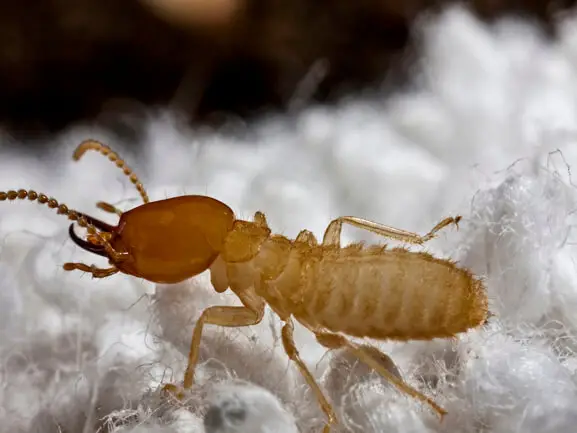
When winter settles over Texas, many homeowners believe pest problems ease with the cooler weather. Unfortunately, termites remain an exception. While other insects slow down, the termite threat continues quietly beneath the surface. The mild Texas climate allows termites to stay active throughout the year, feeding and spreading without obvious signs of activity. Understanding how termites behave in cooler months is key to preventing costly structural damage. Why the Termite Threat Persists in Mild Winters In regions with warm or moderate winters, termites do not completely stop their activity. Instead, they adapt by seeking stable temperatures and moisture sources. Subterranean termites retreat deeper into soil or move closer to heated foundation areas, while drywood termites remain inside the wooden structures they infest. Moisture is one of the biggest reasons termite colonies survive winter in Texas. Leaks, standing water, and poorly drained soil provide ideal conditions for these pests to thrive. Since termites avoid light and open air, their winter movements often go unnoticed, allowing colonies to grow undisturbed. Common factors that allow termite activity in winter include: Mild winters do not provide enough cold to eliminate colonies. Instead, the moderate climate helps termites spread into new areas, sometimes using warmth from homes as a survival source. Recognizing Early Termite Signs During Cooler Months Even when termites remain hidden, they leave subtle clues of their presence. Homeowners who learn to identify these early indicators can prevent widespread damage before spring arrives. Look for these warning signs of termite activity: Since these signs can be difficult to detect without training, professional inspections remain the most reliable way to identify active infestations. Detailed guidance on how to interpret inspection findings is available in our guide on understanding termite inspection reports. Environmental and Structural Conditions That Encourage Infestations The mild Texas climate allows termites to remain active around homes that provide warmth, food, and moisture. Poor maintenance or improper construction creates opportunities for infestations to start and spread. Some of the most common risk factors include: These conditions can exist in any season, but winter often worsens them when homeowners neglect outdoor maintenance. For new construction, proper soil preparation and barrier treatments can prevent problems before they begin. This process is explained in more detail in our resource on preventing termites with proactive soil prep. Why Professional Termite Control Is Necessary DIY termite control methods rarely offer lasting success, especially during Texas winters when infestations remain hidden. Termites live deep inside wood and soil, far beyond the reach of surface sprays or consumer-grade products. Professionals use specialized tools and treatments that target colonies directly without damaging property. The benefits of professional termite control include: Professionals also understand seasonal termite behavior and adjust their approach based on temperature and humidity. This ensures that treatments remain effective even when weather patterns change. Simple Maintenance Habits That Strengthen Termite Defense Preventing termites from settling in your home requires year-round attention. By maintaining the right conditions, homeowners can discourage colonies from forming or returning. Helpful prevention measures include: Even during mild winters, termite activity may continue behind walls or under floors. A consistent maintenance routine, paired with professional termite control, provides the strongest line of defense against future infestations. Stay Protected Throughout the Texas Winter Termites do not rest when the weather cools. The mild Texas winter allows them to remain active and continue damaging homes unnoticed. Protect your property before the problem worsens. Schedule an expert inspection with Fullscope Pest Control to ensure year-round protection and effective termite control for your home.
How to Disrupt Mosquito Breeding in the Fall Season
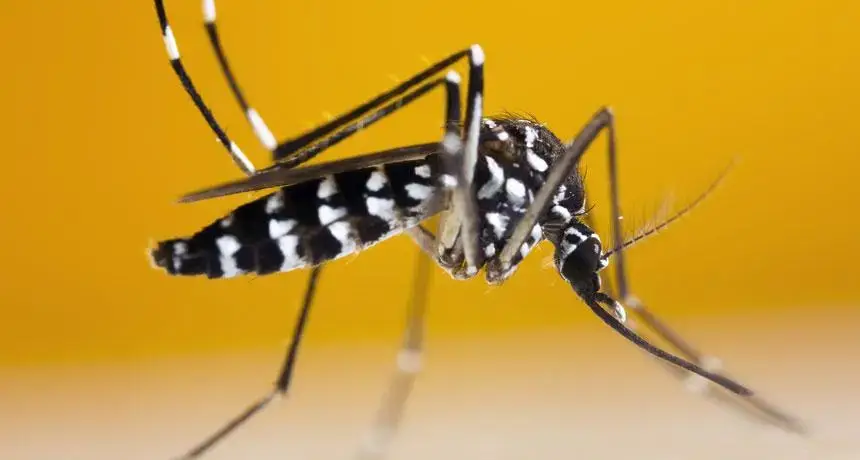
Mosquitoes may be less visible when temperatures start to drop, but their breeding activity doesn’t stop immediately. In fact, the fall season is a critical time for mosquito control because many species prepare to overwinter or lay dormant eggs that will hatch once the weather warms again. Ignoring mosquito prevention during these months often results in stronger populations the following spring. A proactive fall mosquito strategy helps reduce breeding grounds, break life cycles, and safeguard your home and outdoor spaces. Understanding mosquito behavior in cooler months and implementing strategic control measures can make a lasting difference in long-term pest reduction. Understanding Fall Mosquito Behavior Mosquito populations don’t disappear with the first cool breeze. Depending on the species, they either migrate, enter diapause (a hibernation-like state), or leave behind eggs capable of surviving cold temperatures. Female mosquitoes typically seek sheltered environments such as basements, crawl spaces, or sheds to wait out the winter. Others lay eggs in moist soil or standing water, which can remain viable for months until temperatures rise. This survival strategy makes fall one of the most important times for mosquito control. Interrupting their breeding and resting patterns now prevents a surge in springtime infestations. Professional technicians emphasize that a well-timed fall treatment can eliminate larvae, reduce egg viability, and remove ideal overwintering sites. Mosquitoes thrive in moisture-rich environments, which is why property drainage and standing water management play key roles in disrupting their reproductive cycle. Targeting Standing Water and Moisture Zones Standing water remains the most significant factor in mosquito reproduction. Even small amounts, such as water trapped in flowerpots, clogged gutters, or discarded containers, can host hundreds of larvae. Reducing these sources during the fall limits mosquito populations dramatically before winter. Property owners should focus on the following areas: These measures align with integrated mosquito control practices that focus on source reduction first. Fall is also the ideal season to improve drainage systems and reshape soil grading around the home. Adjusting the property’s landscape to promote proper runoff can significantly minimize mosquito breeding sites. For those exploring additional preventive solutions, learning how lawn aeration supports mosquito reduction provides useful insights into maintaining healthier soil conditions that discourage stagnant water buildup. Maintaining Vegetation and Outdoor Habitats Overgrown vegetation, thick shrubs, and shaded corners create cool, humid environments where adult mosquitoes rest during the day. As fall progresses, trimming and clearing these areas helps eliminate potential hiding spots. A well-maintained yard contributes to an environment that is less attractive to mosquitoes and other pests. The following tasks support fall pest prevention: Vegetation management is particularly effective when combined with perimeter treatments that create protective zones around outdoor living areas. This multi-layered approach ensures that mosquitoes are not just repelled but actively eliminated from breeding and resting habitats. Inspecting Hidden and Hard-to-Reach Zones Even when outdoor maintenance is thorough, hidden breeding sites often persist in less visible areas. These include crawl spaces, drainage ditches, and decorative landscape features such as fountains or ponds. Mosquitoes exploit any spot that remains consistently damp or shaded. Professional inspections are critical in identifying these hard-to-reach habitats. Technicians use specialized tools to detect moisture levels, stagnant water pockets, and mosquito larvae in places that might otherwise go unnoticed. A fall inspection checklist should include: This comprehensive assessment ensures that mosquito breeding cycles are disrupted before the cold sets in. It also reduces the likelihood of springtime infestations when temperatures rebound and eggs begin to hatch. Additionally, understanding different bite patterns or unexpected skin irritations during fall can help identify active mosquito presence. The post on mystery bite identification provides insights into distinguishing mosquito bites from other pest-related skin reactions. Integrating Professional Mosquito Control Methods Professional mosquito control services combine chemical and biological strategies to ensure lasting results. Fall treatments often include the use of larvicides and residual sprays to target mosquito eggs and larvae in outdoor environments. These products are applied to vegetation, shaded areas, and soil zones where mosquitoes commonly rest or breed. Professionals assess environmental factors such as rainfall frequency, soil moisture, and nearby vegetation density to determine the most effective control plan. They also ensure all treatments comply with environmental safety standards, protecting both the property and its ecosystem. When paired with ongoing maintenance, like vegetation trimming, aeration, and proper drainage, these targeted treatments deliver the most reliable long-term results. This integrated approach not only addresses current populations but also prevents resurgence once warmer weather returns. Maintain a Bite-Free Property This Fall Fall mosquito management is an investment in a comfortable spring and summer. For expert prevention that targets every stage of the mosquito life cycle, contact Fullscope Pest Control for a comprehensive mosquito control service. Our company uses advanced treatment strategies and seasonal inspections to protect your property from breeding hotspots and ensure a pest-free environment all year long.
Innovative Soil Treatments That Protect Foundation Integrity

The integrity of a building’s foundation depends not only on construction materials but also on what lies beneath the surface. Soil is the foundation’s first line of defense, and when properly treated, it can help prevent pest infestations, moisture issues, and long-term structural damage. For pest management professionals, soil treatment represents an essential barrier that complements both preventive and corrective pest control strategies. Understanding how modern soil treatments work helps homeowners, builders, and property managers protect their investments from hidden threats like termites, ants, and other soil-dwelling pests. How Soil Treatment Supports Foundation Protection Soil treatment plays a crucial role in defending structures against subterranean pests, particularly termites. These pests build colonies beneath the ground and access foundations through small gaps or cracks in search of cellulose-based food sources. Over time, their activity can compromise the strength of beams, walls, and flooring. A properly applied soil treatment acts as both a deterrent and a chemical shield around a property’s perimeter. The treated soil blocks pest entry points and eliminates colonies attempting to move toward a structure. The connection between soil and pest control lies in how subterranean pests interact with their environment. Termites, for example, rely on moisture and temperature stability in soil to survive. When the soil composition is modified or treated with protective agents, these ideal living conditions are disrupted, reducing pest survival rates. This is especially critical in warm or humid regions where subterranean termite populations thrive year-round. Without proactive measures, foundation vulnerabilities become direct entryways for pests and moisture alike, accelerating structural decay. Types of Soil Treatments for Pest Prevention Modern pest management practices use different soil treatment methods depending on the property’s condition, construction stage, and pest threat level. These methods not only enhance the soil’s resistance to pests but also improve foundation stability over time. Common soil treatment types include: For new buildings, proactive soil preparation is particularly effective. The resource on preventing termites in new construction highlights how early soil conditioning stops infestations before they start. Pre-construction treatments can protect foundations for years when properly applied and maintained. Key Benefits of Modern Soil Treatments Innovative soil treatments combine pest prevention with environmental resilience. Today’s formulations and techniques provide more than just immediate pest elimination; they establish long-term protection that enhances the overall health of the soil and the stability of the structure above it. Key benefits include: Soil treatments also integrate with broader pest management plans, forming one layer of protection within an overall strategy. These systems ensure that even if pests attempt to bypass barriers, they encounter multiple levels of defense before reaching the structure. In some cases, soil conditioning contributes to a broader eco-balance on the property. Environmentally friendly pest programs can be integrated into soil management practices to reduce chemical dependency and maintain healthy ecosystems around the home. When and How Soil Treatments Should Be Applied Timing and technique determine how effective a soil treatment will be. The best outcomes occur when soil is treated before construction or immediately after identifying early pest signs. Professionals assess the soil type, moisture level, and pest activity to determine the most effective approach. The typical soil treatment process includes: While some homeowners may attempt soil treatments themselves, achieving uniform coverage and correct dosage requires professional expertise. Uneven treatment can leave gaps in protection, leading to partial infestation and costly future repairs. For commercial properties, proper soil management and inspections are even more critical. The insights from termite inspection reports emphasize how structured assessments help identify weaknesses and ensure long-term building stability. Integrating Soil Treatment with Broader Pest Management A comprehensive pest control program extends beyond foundation soil treatments. It includes routine inspections, environmental adjustments, and coordinated monitoring. Soil treatments serve as the foundation of such programs, preventing underground pests from compromising surface defenses. Professionals often integrate soil treatment with the following preventive strategies: This combination of prevention, monitoring, and maintenance results in stronger protection than standalone treatments. Continuous professional oversight ensures that soil barriers remain effective despite shifting soil conditions or environmental wear. Homeowners benefit not only from a pest-free property but also from enhanced foundation strength and stability over time. A properly treated foundation can resist damage from both pest activity and natural soil movement, ensuring a safer, longer-lasting structure. Reinforce Your Foundation from the Ground Up Protecting a structure begins with treating the soil beneath it. To safeguard your property against pests and preserve foundation strength, contact Fullscope Pest Control for expert soil treatment and inspection services. Our team specializes in precision-based foundation protection that ensures long-term defense and peace of mind for homeowners and businesses alike.