 1500+ reviews

The Costly Mistake of Waiting Until You See Live Roaches
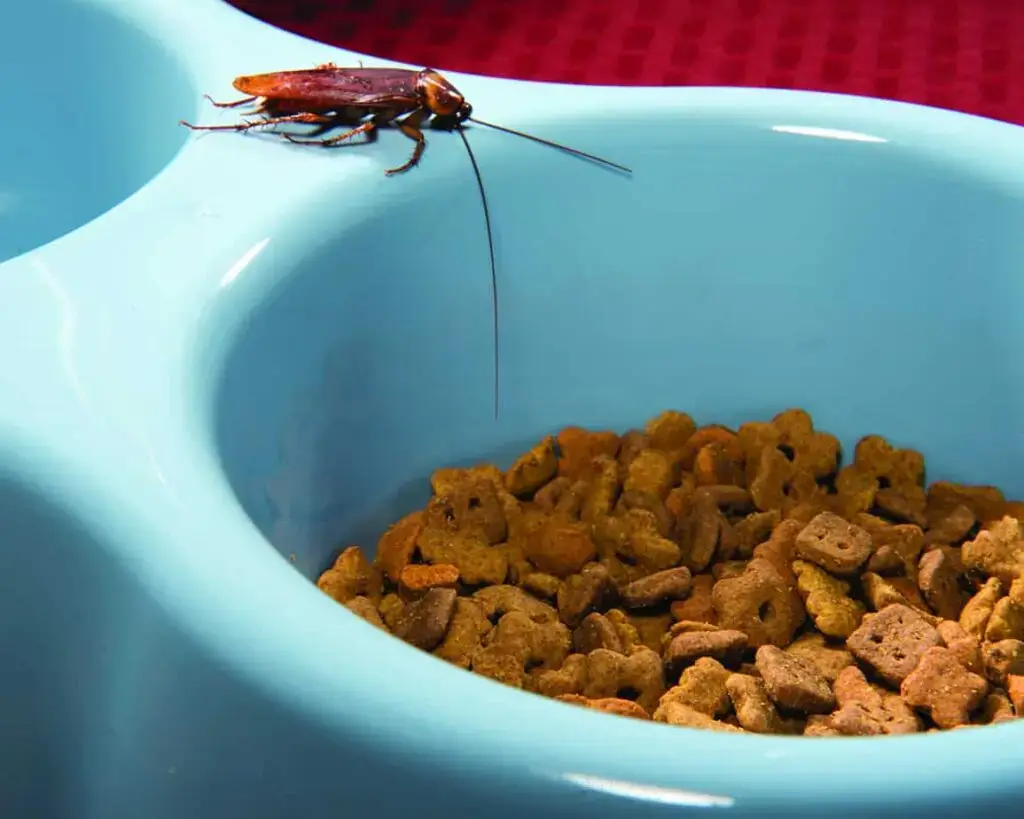
Few things trigger an alarm faster than spotting roaches in the kitchen or bathroom. For many homeowners, that first sighting becomes the moment they decide to take action. Unfortunately, by the time live roaches are visible in open areas, the infestation is rarely new. From a professional perspective, visible activity often represents an advanced stage of population growth. Cockroaches are nocturnal, highly adaptive, and excellent at hiding. Waiting until they appear in daylight or in large numbers can allow the problem to spread deeper into walls, cabinets, and utility voids. Effective cockroach control depends on early detection and strategic intervention. Why You Rarely See Roaches at First Cockroaches are built for concealment. They prefer dark, tight spaces where they can remain undisturbed. Seeing them in open areas usually means their population has expanded beyond available hiding spots. Early indicators often include: These signs frequently appear long before live sightings. Roaches multiply quickly, and some species can reproduce year-round in climate-controlled homes. By the time adults are visible during the day, overcrowding may be forcing them into new territory. Professional cockroach control focuses on identifying hidden harborages rather than simply eliminating visible insects. Treating what is seen without locating nesting zones often results in temporary relief followed by resurgence. The Hidden Costs of Delayed Action Waiting until roaches are openly visible can increase both treatment complexity and repair expenses. Cockroaches contaminate surfaces as they travel, spreading bacteria across food preparation areas and storage spaces. Consequences of delayed response may include: Roaches are opportunistic feeders. They consume crumbs, grease residue, pet food, and even glue in cardboard packaging. Over time, their activity can lead to sanitation concerns and unpleasant odors. Infestations that begin in kitchens or bathrooms can spread to laundry rooms, garages, and utility closets. Once populations expand, more comprehensive treatment becomes necessary. Professional inspections assess the full scope of activity, including plumbing penetrations, appliance voids, and structural gaps. Addressing the infestation early often reduces both disruption and cost. Why DIY Treatments Often Fall Short Many homeowners attempt to manage roaches with store-bought sprays or bait stations. While these products may kill visible insects, they often fail to eliminate established colonies. Common limitations of do-it-yourself methods include: Improper application can scatter populations, making future cockroach control more challenging. Some species develop resistance to certain over-the-counter products, further reducing effectiveness. Professional treatment strategies are designed to target roaches at multiple stages of development. Non-repellent products and carefully placed baits allow roaches to carry active ingredients back to nesting sites, affecting the broader colony. For homeowners who want steadier long-term protection, understanding recurring pest control helps clarify why periodic service often prevents infestations from rebuilding quietly. Seasonal and Environmental Factors That Accelerate Infestations Cockroach populations do not develop in isolation. Environmental conditions inside and outside the home influence their survival and reproduction. Factors that encourage growth include: In cooler temperatures, roaches often seek warmth indoors. Preparing your home with a practical pest checklist can reduce vulnerability before hidden populations gain traction. Warm climates with mild winters may support year-round breeding. In these environments, roaches do not rely on seasonal dormancy. Instead, populations grow steadily unless interrupted by targeted intervention. Roaches are not the only pests that thrive under such conditions. Homes may also experience ants, spiders, rodents, termites, fleas, ticks, and other insects that benefit from similar structural weaknesses. Comprehensive pest management addresses underlying attractants such as moisture control, sanitation practices, and structural sealing. Focusing solely on visible roaches overlooks the broader environmental context that allowed them to thrive. Why Early Professional Cockroach Control Makes a Difference Seeing a live roach is often the final stage of a developing issue, not the beginning. Early professional involvement limits population growth before it spreads into structural voids. Proactive cockroach control offers several advantages: Professional technicians assess entry points, moisture sources, and nesting areas that may not be visible during routine cleaning. Treatment plans are tailored to the structure’s layout and the specific species present. Ignoring early signs often results in larger colonies and repeated frustration. Addressing the issue promptly preserves both sanitation standards and household comfort. Roaches are resilient. They adapt quickly to environmental changes and improper treatment attempts. A targeted, informed strategy provides more reliable results than reactive measures after sightings become frequent. Do Not Wait for Another Sighting If you have seen live roaches or suspect hidden activity, take action before the infestation expands. Contact Fullscope Pest Control to schedule a professional evaluation and implement a comprehensive cockroach control plan designed for lasting protection.
Bed Bugs In Houston: Signs, Risks And When To Call Professionals
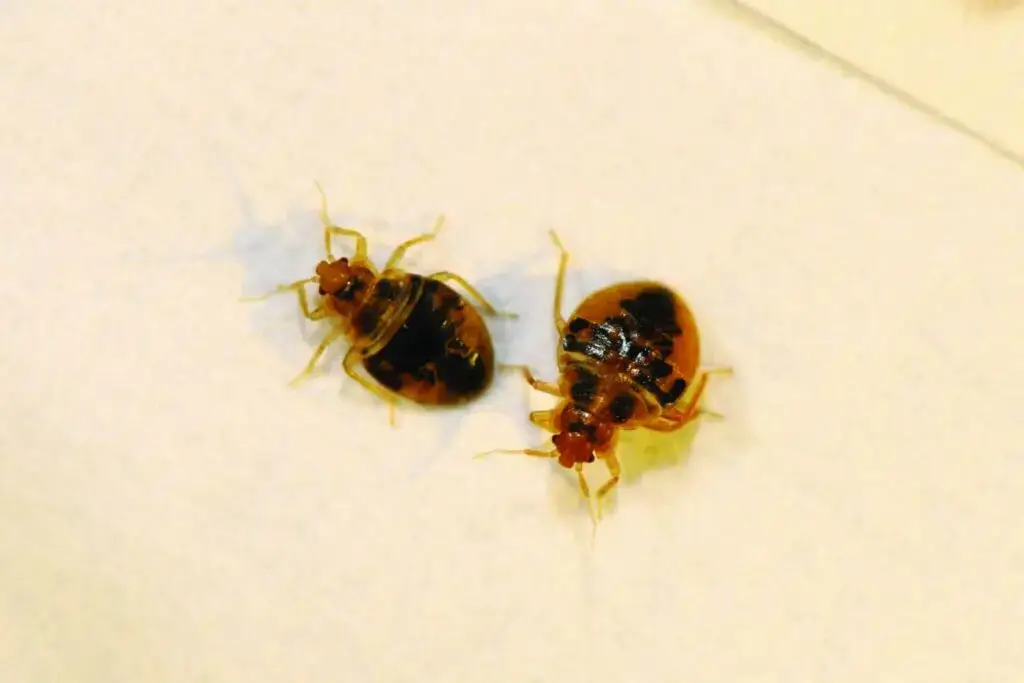
Bed bugs continue to be a persistent issue in Houston due to population density, frequent travel, and year-round indoor climate control. These pests are not linked to cleanliness or neglect. Instead, they spread easily through luggage, furniture, shared spaces, and everyday movement. From an expert perspective, bed bugs are difficult to detect early and even harder to eliminate without a structured plan. Understanding the signs, risks, and escalation points helps prevent a small problem from becoming a widespread infestation. Houston’s warm climate allows bed bugs to remain active throughout the year. Unlike seasonal pests that slow down in colder months, bed bugs thrive indoors where temperature and shelter remain consistent. This allows infestations to develop quietly in bedrooms, living areas, and even workplaces. Knowing when professional involvement is necessary plays a critical role in limiting disruption and long-term impact. Early Signs That Point To Bed Bug Activity Bed bugs are elusive and primarily active at night, which means visible sightings are often a late stage indicator. Professionals rely on a combination of physical evidence and behavioral patterns to confirm activity. Bite reactions vary widely, and some individuals show no visible response at all. Because of this, professionals avoid relying solely on skin reactions when assessing bed bugs. Instead, inspections focus on physical evidence and location patterns. Early recognition allows for faster containment and reduces the likelihood of spread to adjacent rooms or neighboring units. Where Bed Bugs Commonly Hide In Houston Homes Bed bugs are highly skilled at remaining hidden. They prefer tight spaces close to sleeping or resting areas, which allows them to feed and retreat without detection. In Houston homes, bed bugs may also spread more easily due to shared walls in apartments and townhomes. Once established, they can migrate through wall cavities and electrical outlets. Professional inspections examine both primary and secondary hiding areas to determine the full scope of activity. Risks Associated With Untreated Bed Bug Infestations Allowing bed bugs to remain untreated introduces risks that extend beyond discomfort. Over time, infestations become more difficult to manage and cause broader disruption. Bed bugs are not known to transmit disease, but the psychological and physical toll can be significant. Prolonged exposure often leads to anxiety, loss of sleep, and reduced quality of life. Additionally, the longer an infestation persists, the greater the chance of bed bugs spreading to vehicles, workplaces, or other homes. Why Houston Conditions Make Bed Bugs Harder To Control Houston’s climate and lifestyle factors contribute to the persistence of bed bugs. Warm temperatures support continuous activity, while travel and population movement increase exposure risk. Preventive awareness plays an important role in reducing risk. This seasonal guidance on spring pest prevention highlights how changing conditions influence pest behavior and why early action matters. While bed bugs are not seasonal in the same way as outdoor pests, preventive habits and monitoring still reduce the likelihood of unchecked spread. When Professional Intervention Becomes Necessary Bed bugs are one of the most challenging pests to eliminate without professional expertise. Once confirmed, delaying action often increases cost, disruption, and treatment duration. Professional involvement becomes essential when activity is confirmed in multiple locations, when infestations return after temporary relief, or when residents are unsure of the full extent of spread. Professionals bring training, inspection tools, and treatment strategies that address both visible activity and hidden harborages. Treatment plans are designed to be thorough and controlled. They often include targeted applications, heat-based strategies, and follow-up inspections to confirm elimination. Importantly, professionals also provide guidance on preparation and containment to prevent reinfestation. Broader insights into maintaining pest-free environments are covered in this resource on long-term pest-free living, which explains why structured management outperforms reactive efforts. Attempting to manage bed bugs without professional support frequently leads to scattered activity and prolonged infestations. Professional oversight ensures that treatment reaches all life stages and hiding areas, which is critical for success. A Clear Step Toward Restful Nights When bed bugs disrupt comfort and peace of mind, timely expert care makes the difference. Contact Fullscope Pest Control to schedule a professional evaluation and take the first step toward complete and lasting bed bug resolution.
How Recurring Pest Control Keeps Your Home Protected Year-Round

Pest activity is rarely limited to one season. Insects and rodents respond to weather, moisture, food availability, and shelter, which means homes face shifting risks throughout the year. A one-time treatment may address visible issues, but lasting protection requires an approach that adapts as conditions change. Recurring pest control focuses on prevention, monitoring, and timely intervention to reduce the chances of infestations becoming established. Homes commonly experience pressure from ants, spiders, cockroaches, crickets, earwigs, fleas, mosquitoes, rats, and mice. Each pest behaves differently across seasons, making ongoing protection an important part of maintaining a stable living environment. Why Pest Pressure Changes Throughout the Year Pests are strongly influenced by environmental conditions. Temperature shifts, rainfall, and seasonal landscaping changes all affect how and where pests move. During warmer months, insects are often active outdoors and may spread closer to structures. As temperatures cool, rodents and certain insects seek shelter indoors where conditions remain consistent. Recurring pest control accounts for these fluctuations rather than reacting only after pests are seen. Seasonal awareness helps address problems before activity escalates, reducing the risk of damage and discomfort. For example, colder months often increase rodent movement indoors, a pattern explained in seasonal rodent movement. Understanding these patterns allows professionals to anticipate issues instead of chasing them. Without ongoing attention, small changes around a home can quietly increase pest pressure. Recurring service helps ensure protection remains aligned with real time conditions. How Recurring Pest Control Strengthens Prevention Prevention is most effective when it is consistent. Recurring pest control focuses on reducing attractants, reinforcing barriers, and identifying vulnerabilities before pests take advantage of them. Rather than waiting for infestations to appear, professionals monitor conditions that commonly lead to pest activity. This preventative focus limits the opportunity for pests to settle indoors. By maintaining steady oversight, professionals reduce the likelihood of sudden infestations and help stabilize the home environment year-round. Monitoring Early Signs Before They Escalate One of the most valuable aspects of recurring pest control is early detection. Pests rarely appear suddenly in large numbers. They leave subtle indicators that trained professionals recognize long before homeowners may notice a problem. By tracking these signs over time, professionals can determine whether activity is increasing, decreasing, or shifting locations. This data-driven approach allows adjustments to be made before pests become established. Early intervention reduces disruption and prevents minor issues from turning into long-term infestations. Adapting Protection to Seasonal Risks Each season presents different challenges for pest control. Spring and summer often bring increased insect activity, while fall and winter tend to push rodents indoors. Recurring pest control adapts to these cycles by adjusting focus areas and inspection priorities. Seasonal preparedness plays a major role in long-term success. Preventative measures taken ahead of colder months can significantly reduce indoor rodent activity, while warm-season monitoring helps control insects before populations peak. Guidance similar to a winter pest checklist illustrates how timing and preparation strengthen protection. This adaptive strategy ensures pest control efforts remain effective regardless of changing conditions. Homes benefit from continuous coverage rather than reactive responses. Long-Term Benefits of Consistent Professional Care Recurring pest control provides more than immediate relief. Over time, consistent care helps create an environment that is less attractive to pests and more resilient to seasonal changes. This approach supports both comfort and property protection. Professional oversight brings experience, pattern recognition, and technical knowledge that improve results over time. By focusing on prevention and monitoring, recurring pest control supports lasting protection rather than short-term fixes. Protection That Works Every Season A protected home is one that is monitored consistently and adjusted as conditions change. Recurring pest control offers a reliable way to manage pests throughout the year by focusing on prevention, early detection, and seasonal awareness. For dependable, year-round protection and expert support, contact Fullscope Pest Control to help keep your home comfortable and secure in every season.
What to Do When Crickets & Earwigs Find Their Way Inside in Winter
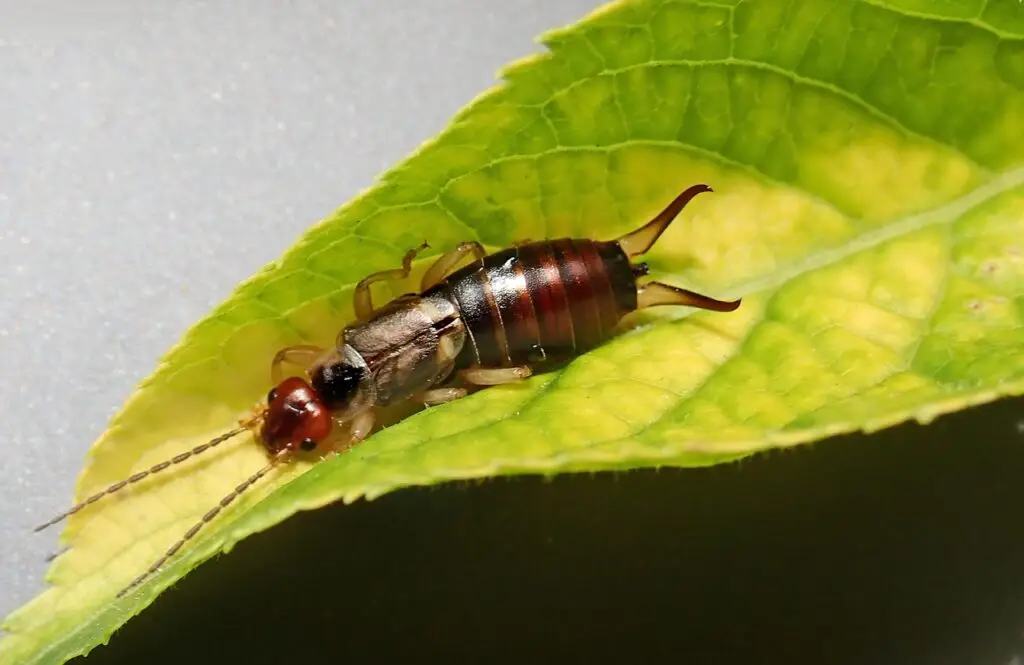
Crickets and earwigs are often dismissed as harmless outdoor insects, yet their presence indoors can signal conditions that allow pests to thrive unseen. These insects typically enter homes seeking moisture, shelter, and stable temperatures. Once inside, they can persist quietly, creating discomfort and raising concerns about broader pest pressures. Understanding how crickets and earwigs gain entry and how professionals address the issue helps homeowners maintain a healthier living environment. Why Crickets and Earwigs Are Drawn Indoors Crickets and earwigs are highly sensitive to environmental changes. Outdoor conditions such as heavy rain, excessive heat, or drying soil often push these insects toward buildings that offer consistent shelter. Homes naturally provide the dark, cool, and damp environments that both pests prefer. Crickets are attracted to warmth and readily move toward structures at night, following light sources and temperature gradients. Earwigs, on the other hand, are moisture-dependent and favor shaded areas where humidity remains high. Once these conditions exist near a home’s foundation or exterior walls, entry becomes far more likely. Factors that commonly draw these insects closer include excess moisture around the structure, dense vegetation near exterior walls, and organic debris that provides cover. Over time, repeated exposure to these conditions increases the chance of crickets and earwigs moving from outdoor spaces into indoor areas. Common Entry Points That Allow Indoor Access Crickets and earwigs do not require large openings to enter a home. Small gaps and overlooked structural vulnerabilities are often enough to allow steady movement indoors. Professionals frequently identify multiple access points during inspections rather than a single obvious opening. These entry points may seem insignificant, but they often connect directly to wall voids, basements, or lower living areas where pests can remain hidden. Without proper identification and sealing, crickets and earwigs can continue entering unnoticed, especially during seasonal transitions. Interior Conditions That Support Ongoing Activity Once inside, crickets and earwigs seek environments that meet their basic survival needs. Indoor conditions play a significant role in determining whether these pests remain temporary visitors or become recurring problems. Moisture is a primary driver. Areas such as basements, laundry rooms, bathrooms, and kitchens often provide the humidity earwigs require. Crickets are more flexible but prefer warm spaces with access to food particles or organic matter. Cardboard storage, cluttered utility areas, and undisturbed corners offer ideal shelter. These factors not only support crickets and earwigs but can also create conditions attractive to other insects. Addressing indoor environments is an essential part of reducing long term pest pressure rather than focusing solely on visible insects. How Professionals Identify and Address the Root Cause Effective management of crickets and earwigs requires more than removing visible insects. Professionals begin by identifying why the insects are present and how they are entering. This process involves evaluating both exterior and interior conditions that contribute to the issue. Inspections typically focus on moisture patterns, structural vulnerabilities, and environmental factors surrounding the home. By understanding these elements, specialists can determine whether activity is isolated or part of a broader pest pattern. This comprehensive evaluation helps prevent repeated occurrences and limits the chance of escalation. Professional strategies often align with principles discussed in pest-free living strategies, where long term prevention is based on reducing attractants and strengthening protective barriers. Rather than relying on short-term fixes, professionals focus on stabilizing conditions that discourage continued activity. Long-Term Prevention Through Ongoing Monitoring Crickets and earwigs are often seasonal, but the conditions that attract them can persist year-round. Long-term prevention relies on continued awareness of environmental changes and regular evaluation of risk areas around the home. Monitoring allows professionals to detect shifts in moisture, structural wear, and outdoor conditions that may increase pest pressure. This approach reduces the likelihood of recurring infestations and supports a more stable indoor environment. Environmental factors such as lawn care, drainage, and soil moisture play a role in managing insect populations near the home. Insights related to exterior conditions and habitat management can be found through outdoor pest prevention tips, which highlight how surrounding areas influence indoor pest activity. By maintaining consistent oversight, professionals help ensure that crickets and earwigs remain outdoor insects rather than indoor disruptions. When Small Insects Signal a Bigger Issue Crickets and earwigs may seem minor, but their presence often points to underlying conditions that deserve attention. Professional assessment provides clarity, accuracy, and lasting results by addressing both visible activity and hidden contributors. For thorough inspection and dependable support, contact Fullscope Pest Control to help restore comfort and protect your home with confidence.
Why Commercial Properties Need Tailored Pest Control Plans

Commercial properties face pest pressures that are significantly more complex than those found in residential settings. Larger square footage, higher daily occupancy, and varied building functions create opportunities for pests to enter, move, and remain hidden for long periods. Because of these conditions, commercial pest control cannot rely on standardized solutions. Effective protection requires strategies designed around how each property operates and where pest risks are most likely to develop. A tailored approach focuses on prevention, monitoring, and precision rather than reacting to visible problems. By addressing environmental conditions, structural vulnerabilities, and operational habits, customized plans help reduce disruptions, protect property value, and support long-term stability. How commercial environments increase pest exposure Commercial buildings naturally present more access points and attractants than residential homes. Frequent deliveries, extended operating hours, and shared spaces increase the likelihood of pest introduction and movement. These conditions allow pests to remain active even when exterior pressure fluctuates. Once pests establish themselves in commercial spaces, activity often spreads across multiple areas before detection occurs. This makes commercial pest control planning more complex and reinforces the need for strategies built around each property’s unique layout and usage. Why different industries require different pest strategies Commercial properties vary widely in how they operate, and pest control strategies must reflect those differences. A solution that works for one type of facility may be ineffective or inappropriate for another. Tailored commercial pest control considers how pests interact with specific environments rather than applying generic treatments. For example, termites in commercial structures often remain concealed within framing and foundation systems. Addressing this type of risk requires specialized methods that reach hidden areas without unnecessary disruption. Understanding targeted approaches such as foam injection techniques helps explain why customization is essential for managing concealed infestations effectively. Aligning pest strategies with building function improves outcomes while minimizing operational impact. The importance of inspections and data-driven planning Inspection data forms the backbone of effective commercial pest control. Rather than guessing where problems may occur, professionals rely on documented findings to guide decisions and adjust strategies over time. In commercial environments, inspections do more than identify pests. They reveal how building use, maintenance practices, and environmental conditions influence pest behavior. This information allows pest control plans to evolve alongside the property. Termite management in particular depends on accurate inspection interpretation. Commercial termite activity often progresses unnoticed until damage becomes significant. Understanding inspection findings ensures appropriate responses are taken at the right time. Guidance on inspection report clarity highlights why professional evaluation plays a critical role in protecting commercial assets. Why reactive pest control falls short for businesses Reactive pest control focuses on addressing visible issues after they appear. While this may offer short-term relief, it rarely solves underlying problems in commercial settings. For businesses, repeated pest incidents can damage reputation, interrupt operations, and increase expenses. Tailored commercial pest control shifts the focus to prevention by identifying how pests enter, where they travel, and what conditions support them. By addressing these factors proactively, businesses reduce emergency calls, limit downtime, and maintain a more predictable operating environment. Preventative planning also supports compliance with industry regulations and internal quality standards. How tailored commercial pest control protects long-term value Customized pest control plans protect more than daily operations. They help preserve the long-term value of commercial properties by minimizing structural damage and preventing chronic infestations. Commercial properties are long-term investments. Pest-related damage, especially from termites and rodents, can compromise structural integrity and lead to expensive remediation if left unchecked. Tailored plans allow for early detection, precise intervention, and ongoing adjustment as building use changes. Effective commercial pest control recognizes that no two properties are alike. Custom strategies ensure protection remains consistent, efficient, and aligned with operational needs rather than relying on generalized solutions. Build protection that fits your property We understand the unique challenges commercial properties face and why tailored commercial pest control plans deliver better results. For customized strategies built around your property’s needs, contact Fullscope Pest Control so we can help protect your business with precision and confidence.