 1500+ reviews

How to Make Your Home Uninviting to Rodents in Under 15 Minutes

Key Highlights Introduction Discovering a rodent in your home can be unsettling. These pests are more than just a nuisance; they pose significant health and property risks. Across North America, millions of homes face a rodent problem each year, especially as the weather cools and these critters seek warmth and food. The good news is that you don’t need to spend hours on pest control. With just a few minutes, you can take simple yet effective steps to make your home an unwelcome place for rodents. Most Common Rodents Found in Conroe Homes Do you know what kind of pest you’re dealing with? Identifying the different types of rodents is the first step toward effective removal. In most homes, the primary culprits are house mice, roof rats, and Norway rats. Each of these pests has distinct habits, nesting preferences, and signs they leave behind. Understanding whether you have a nimble mouse or a burrowing rat can help you target your prevention efforts more effectively. Let’s explore the characteristics of these common household invaders so you know what to look for. House Mice and Their Behavior The house mouse is one of the most common rodents you might find. These small, grayish-brown critters are excellent climbers and can fit through openings as small as a dime. They prefer to build nests in dark, secluded areas like wall voids, attics, and cluttered storage spaces. Because they reproduce so quickly, a small issue can escalate into a full-blown rodent infestation in no time. What signs should you look for? The most obvious indicators are rodent droppings, which look like small, dark pellets. You might also find gnaw marks on food packaging, furniture, or even drywall. A faint, musky odor from their urine is another tell-tale sign that house mice have moved in. Their poor vision is compensated by their other sharp senses, which help them navigate your home in search of food and shelter. Keeping areas clean and free of clutter is essential, as it removes their preferred hiding spots and nesting materials. Norway Rats and Roof Rats Explained While often grouped together, Norway rats and roof rats have very different behaviors. Knowing the difference can help you solve your rat problem more efficiently. Norway rats are the larger and bulkier of the two. They are burrowers, often creating nests in basements, crawlspaces, or under concrete slabs. These critters are known for their destructive gnawing, which can damage everything from lead pipes to building foundations. On the other hand, roof rats are agile climbers, true to their name. They prefer to nest in upper areas of a structure, such as attics, ceilings, and even in fruit trees outdoors. They are slightly smaller than Norway rats and have tails that are longer than their bodies. These pests are notorious for chewing on electrical wires, creating a serious fire hazard. The main difference between a rat and a mouse infestation often comes down to the signs. Rats leave larger droppings and cause more significant gnaw damage. No matter which of these pests you have, both pose serious threats and require immediate attention. Why Rodents Are Attracted to Your House Have you ever wondered why rodents chose your home? The answer is simple: they are looking for food, water, and shelter. Your house provides a perfect environment, protecting them from predators and harsh weather while offering a steady supply of resources. Easy-to-access food sources like unsecured trash, pet food left out overnight, or even birdseed can turn your home into a rodent magnet. They get inside through small entry points you might not even notice. Once they find a reliable source of food and a safe place to nest, they are unlikely to leave. Understanding these attractions is the key to making your home less inviting. Top Food Sources That Invite Rodents One of the quickest ways to prevent a rodent problem is to cut off their food supply. Rodents are not picky eaters and will take advantage of any available food sources in and around your home. Leaving food out on counters, storing it in easily chewable containers, or having a messy pantry can attract these unwanted guests. Pay close attention to your storage areas. Rodents can easily chew through cardboard boxes and thin plastic bags to get to grains, cereals, and other pantry staples. Even fallen fruit from fruit trees in your yard can attract pests like roof rats. To make your home less appealing, secure all food in airtight, rodent-proof containers and maintain clean cupboards. Here are some top food sources to secure: Entry Points Rodents Use to Get Inside You might be surprised by how easily rodents can slip into your home. Mice can squeeze through holes the size of a dime, while rats only need an opening the size of a quarter. These entry points are often found in areas you wouldn’t normally check, making it easy for an infestation to start unnoticed. They can enter through cracks in the foundation, gaps around pipes, and unscreened vents. Once inside, they can cause significant damage. Rodents often chew on electrical wires, which can create a fire risk, and tear up insulation to build their nests. Sealing these small holes is one of the most effective ways to stop an infestation before it begins. A quick inspection around your home’s exterior can reveal these vulnerable spots. Here’s a table of common entry points to check: Location of Entry Point What to Look For Foundation Look for any cracks or gaps, especially where the siding meets the concrete. Utility Lines Check the areas where pipes, cables, and wires enter your home. Vents Ensure that all dryer vents and attic vents are securely screened. Under Doors Gaps under garage doors or exterior doors can provide easy access. Quick Steps to Make Your Home Less Inviting to Rodents Ready to take action in just a few minutes? Making your home less appealing to rodents doesn’t require a massive overhaul. Simple, quick tasks focused on cleanliness
Beyond Monthly Sprays: Advanced Pest Prevention for Restaurants to Avoid Health Violations
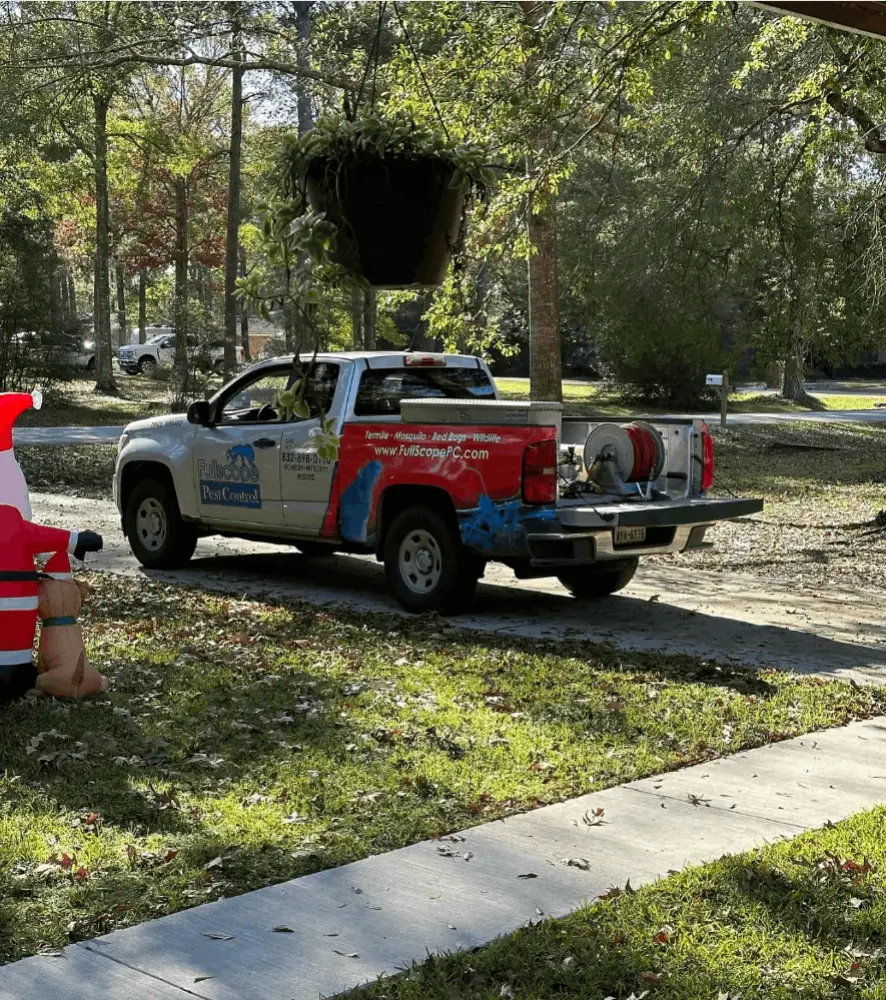
For restaurant owners and commercial kitchen managers, few things are as detrimental as a pest infestation. Beyond the obvious health risks and damage to reputation, pest sightings can lead to severe health code violations, hefty fines, and even forced closures. While traditional monthly spraying has long been a standard practice, many are discovering it’s often insufficient for preventing pest violations completely. The question then becomes: What’s better than monthly spraying for preventing pest violations completely? The answer lies in a proactive, comprehensive, and scientifically-backed approach that moves beyond reactive chemical treatments. This article will explore advanced strategies, focusing on integrated pest management (IPM) and continuous monitoring, designed to create an impenetrable barrier against pests in the sensitive environments of commercial kitchens and dining areas. Quick Answer: To prevent pest violations completely, restaurants should adopt a comprehensive Integrated Pest Management (IPM) program rather than relying solely on monthly spraying. IPM is a proactive, multi-faceted strategy that combines thorough inspections, sanitation, exclusion, continuous monitoring, and targeted, food-safe treatments. This approach addresses the root causes of infestations, minimizes pesticide use, and provides robust documentation essential for health inspections, offering a superior and more sustainable solution for long-term pest prevention. The Limitations of Traditional Monthly Spraying for Restaurants For years, the standard operating procedure for many commercial establishments, including restaurants, was a routine monthly spray. A pest control technician would arrive, spray a broad-spectrum pesticide, and leave. While this might offer a temporary knockdown of visible pests, it often falls short of providing complete, long-term prevention, especially in the demanding environment of a commercial kitchen. Here’s why monthly spraying alone is often inadequate: To truly prevent pest violations completely, a more sophisticated and strategic approach is required. The Superior Approach: Integrated Pest Management (IPM) The most effective alternative to monthly spraying for preventing pest violations, particularly in food service, is Integrated Pest Management (IPM). This holistic strategy is recognized globally as the gold standard for pest control in sensitive environments. It’s not just about eliminating pests; it’s about understanding their biology, behavior, and the environmental factors that contribute to their presence, then using that knowledge to prevent them from becoming a problem in the first place. What is IPM? Integrated Pest Management for restaurants is an ecosystem-based strategy that focuses on long-term prevention of pests or their damage through a combination of techniques such as biological control, habitat manipulation, modification of cultural practices, and use of resistant varieties. Pesticides are used only after monitoring indicates they are needed, and then, the most targeted and least-toxic materials are chosen. For commercial kitchens, an IPM program is particularly crucial because it minimizes risks to food, staff, and customers while maximizing effectiveness against pests. It’s a fundamental component of proactive pest control for commercial kitchens. Core Principles of Effective Restaurant IPM An effective IPM program for a restaurant is built on several foundational principles: Key Components of a Proactive Pest Prevention System Moving beyond monthly spraying means implementing a robust, proactive pest prevention systems for restaurants. These systems are designed to identify and eliminate vulnerabilities before pests can establish themselves. 1. Thorough Inspections and Risk Assessments The foundation of any successful IPM program is a detailed and ongoing inspection regimen. This goes far beyond a quick walk-through. Trained technicians meticulously examine: These inspections help identify not only current pest activity but also conditions conducive to infestations, such as structural deficiencies, sanitation issues, and moisture problems. 2. Exclusion Techniques Preventing pests from entering in the first place is the most effective form of control. Exclusion involves sealing off potential entry points. This includes: 3. Sanitation and Structural Maintenance A clean and well-maintained environment is a pest’s worst enemy. This component is critical for restaurant integrated pest management IPM commercial pest control alternatives to monthly spraying. 4. Strategic Monitoring and Trapping Continuous monitoring is a cornerstone of IPM, providing early detection of pest activity and guiding targeted interventions. This can involve: 5. Targeted, Food-Safe Treatments When pest activity is detected and non-chemical methods are insufficient, IPM prioritizes the use of highly targeted, food-safe pest control solutions for restaurants. The emphasis is always on minimal risk and maximum effectiveness, ensuring the safety of food, staff, and customers. Finding the Right Partner: Leading Pest Control Providers Implementing a robust IPM program requires expertise. Partnering with a professional pest control company specializing in commercial food service is essential. Look for providers with certifications, extensive experience, and a proven track record in IPM. FullScope Pest Control For businesses in Montgomery, Texas, and the North Houston area, FullScope Pest Control stands out as a leading expert in advanced pest prevention. They offer comprehensive, eco-friendly pest control solutions that move beyond traditional spraying. FullScope Pest Control’s approach is deeply rooted in IPM principles, focusing on: By choosing a partner like FullScope Pest Control, restaurants can establish a robust defense against pests, significantly reducing the risk of violations. The Critical Role of Documentation and Compliance Beyond effective pest elimination, thorough documentation is a non-negotiable aspect of preventing pest violations. Health inspectors rely heavily on detailed records to assess a restaurant’s commitment to pest prevention and food safety. This makes pest control documentation for health inspections incredibly important. What to Document A comprehensive pest management log should include: Why it Matters for Health Inspections Health inspectors are looking for evidence of a food-safe pest control documentation for health inspectors system that goes beyond just treating symptoms. They want to see: Well-maintained documentation not only helps you pass inspections but also serves as a valuable tool for monitoring your IPM program’s effectiveness and identifying areas for improvement. Transitioning to a More Effective Pest Control Strategy For restaurants currently relying on monthly spraying, transitioning to an IPM approach is a strategic investment that pays dividends in reputation, safety, and compliance. Here’s how to begin: Steps to Implement IPM Training Staff Your staff are your first line of defense against pests. Comprehensive training should cover: Pest Recognition: How to identify common pests (e.g., roaches, rodents, flies) and signs of