 1500+ reviews

Effective Spider Extermination Methods
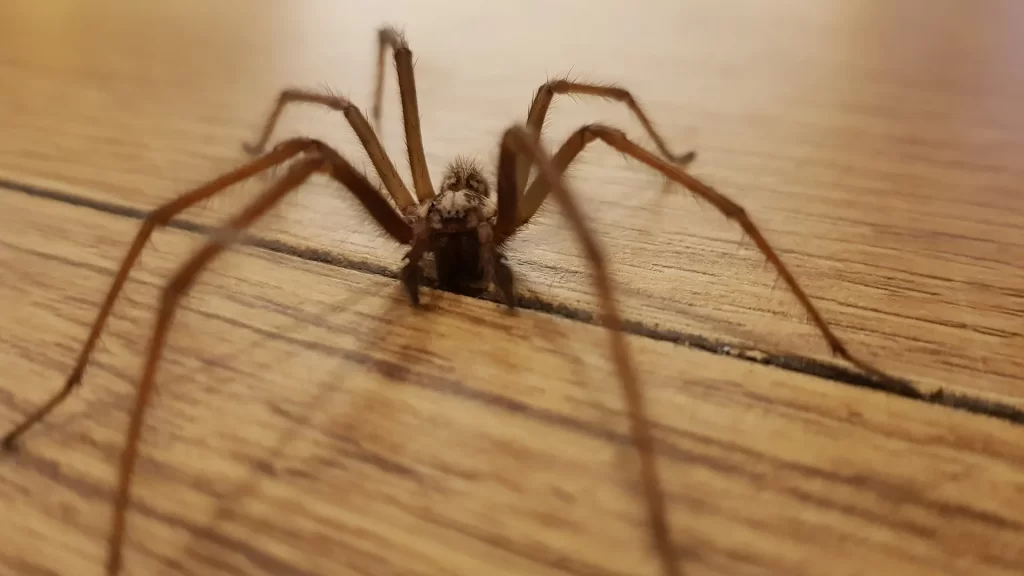
Stop Spiders in Their Tracks with FullScope Pest Control Key Highlights Introduction Dealing with a spider infestation can be very unsettling. Many people are scared of spiders, and even if you are not, having a spider problem at home can still be alarming. The good news is that there are effective ways to take back control of your home. Whether you see a few cobwebs or face a bigger issue, this blog post will look at the best pest control methods. It will also share helpful tips for dealing with these uninvited guests. Our experts at FullScope Pest Control provide scientifically backed strategies to protect your home. Understanding the Severity of Your Spider Problem Before choosing a way to get rid of spiders, it’s important to know how bad your spider problem is. Not every spider issue needs the same fix. If you see just a few spiders, some simple DIY methods may work. But if you have an infestation, it’s a different story. Identifying the species is crucial—most spiders are harmless, but dangerous species like the brown recluse and black widow pose health risks due to their venom. Identifying Signs of Infestation Most spiders are harmless, but it’s important to know which ones require caution. The brown recluse and black widow spiders are two of the most dangerous species in the U.S. If you see these spiders in your home, do not attempt to handle them. Contact a professional pest control service like FullScope immediately.. Recognizing Dangerous Spiders in the United States Most spiders are safe, but it’s important to know which ones might be dangerous. In the United States, the brown recluse and black widow spiders are two types that need attention. The brown recluse has a violin-shaped mark on its back. Its bite can hurt you and might harm your skin. The black widow is black with a shiny body and has a red hourglass shape on its belly. A bite from a black widow can cause a lot of pain, cramps, and more serious issues. If you see either of these dangerous spiders, do not try to handle them. Contact spider removal services right away to keep yourself and your family safe. Preventive Measures to Keep Spiders at Bay Preventing spiders is the best way to control them. By blocking possible entry points and reducing food sources, you lower the chances of an infestation. By reducing where spiders can enter your home, you lower the chances of an infestation. Essential Home Maintenance Tips Seal cracks and gaps: Check your home’s foundation, windows, doors, and utility pipe entry points. Use caulk or weather stripping to seal openings. Repair damaged window screens: Keep spiders from entering through small holes. Keep your home clutter-free: Spiders like to hide in undisturbed areas, so regular cleaning can make your home less appealing to them. By following these steps, you will make it harder for spiders to enter and establish a presence in your home. Natural Substances That Deter Spiders You can keep spiders away by sealing entry points and using natural things they don’t like. Peppermint oil is a common choice. Its strong smell tends to drive them away. Here are some natural spider repellents: By using these natural repellents, you can help make your home less inviting for spiders. DIY Solutions for Spider Control If you have a small spider problem, there are many DIY ways to handle it before calling in a professional, such as Fullscope Pest Control. Safe and Effective Homemade Repellents Homemade repellents that use natural substances can work well to keep spiders away. White vinegar, with its strong smell, can disrupt how spiders smell things. This makes it difficult for them to find their way around. Check out these homemade repellent ideas: These natural repellents are a safer choice than chemical pesticides. They can give you peace of mind, especially if you have children or pets at home. Step-by-Step Guide for Removing Webs and Egg Sacs Use a vacuum cleaner with a hose to remove spider webs in corners and ceilings. Carefully remove egg sacs and seal them in a plastic bag before disposing of them in an outdoor trash can. Regularly check attics, basements, garages, and under furniture for webs and sacs. By consistently removing webs and egg sacs, you can disrupt the spider life cycle and reduce infestations. When to Opt for Professional Extermination DIY methods work for small spider issues, but larger infestations require professional pest control. If spiders keep returning despite your efforts, it’s time to call in experts. Professional spider exterminators have the knowledge and the experience. They also use special treatments to deal with tough spider problems. Evaluating the Need for Expert Intervention Knowing when to call a professional spider exterminator is key. It depends on factors like how big the infestation is, if there are dangerous spiders, and how well your past efforts worked. If you have a large infestation or can’t tell the spider species, it’s best to get professional help. If you see spiders come back even after trying to prevent them, an exterminator can check the situation and offer solutions just for you. Homes with small kids, elderly people, or those with weak immune systems need special attention because they are more at risk of bad reactions from spider bites. In these cases, using professional pest control can lower risks and keep your home safe. At FullScope Pest Control, our trained professionals use industry-approved treatments to eliminate spider infestations safely and effectively. What to Expect from Professional Spider Extermination Services Reputable professional spider control services like FullScope Pest Control typically involve a multi-step process tailored to your specific needs. An FullScope Pro will conduct a thorough inspection to determine the extent of the infestation, identify the spider species involved, and identify potential entry points and contributing factors. Based on the assessment, they will develop a customized treatment plan, which may include targeted pesticide application, web and egg sac removal, and sealing off entry points. Service