 1500+ reviews

Wasp Exterminator Tips for Effective Pest Control
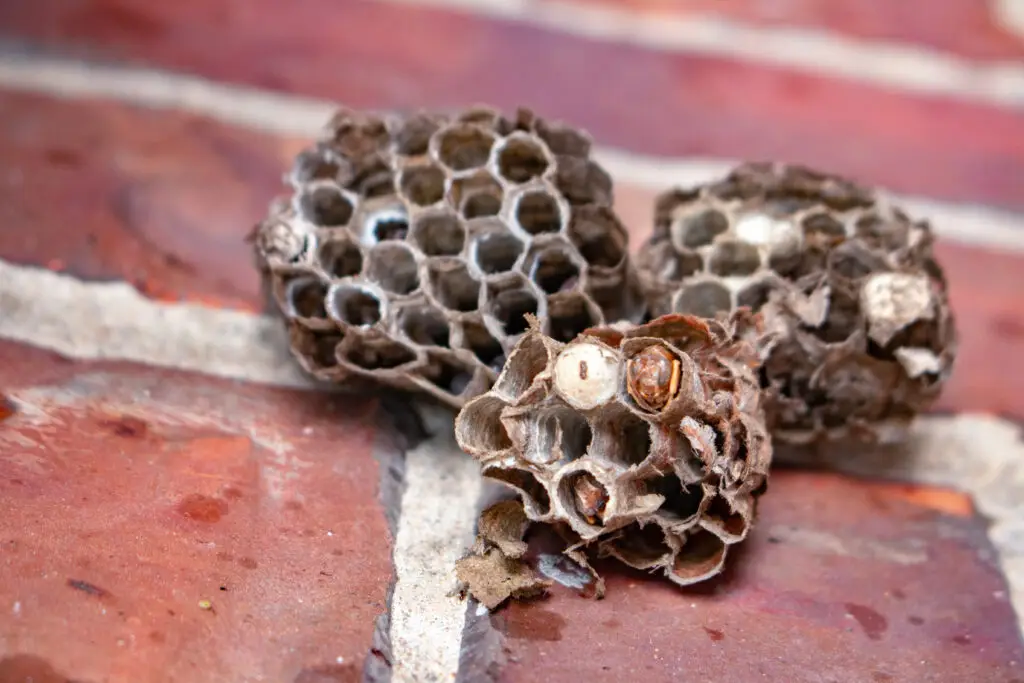
Key Highlights Identifying the specific wasp species is crucial for effective wasp control and to ensure the protection of beneficial bees. While some DIY methods can be effective for small wasp nests, professional wasp extermination services are often necessary for larger infestations or nests located in hard-to-reach areas. Introduction As the weather gets warmer, many homeowners think about pest control. Wasp nests usually become one of the biggest worries. Wasps can be annoying and even dangerous for you and your family. This makes getting rid of them very important. Yet, not all wasps are the same. It is key to know the different wasp species, recognize the signs of an infestation, and learn the best ways to remove them. These steps help keep your outdoor space safe and enjoyable for your family. Identifying Common Wasp Species in the United States There are many types of wasps found around the world. Still, only a few of these wasp species are a real threat to humans. Social wasps cause most stings and show aggressive behavior. They live in large groups called colonies, which can have thousands of wasps. They protect their nests very fiercely. In the US, several common types of wasps are paper wasps, yellow jackets, and hornets. Paper wasps make unique nests that look like paper. They often build these nests under eaves or in other safe places. Yellow jackets are known for being very aggressive. They are drawn to sugary drinks and foods. Hornets are bigger than other wasp types, and they have painful stings. Characteristics of Wasps, Hornets, and Yellow Jackets Yellow jackets are easy to spot because of their bright yellow and black stripes. They fly quickly from side to side. These social insects can be aggressive, especially if someone gets close to their nest. They like to scavenge for sugary foods and drinks, which makes them a hassle at picnics and outdoor events. Hornets, which are a type of wasp, are much larger than yellow jackets. They often have less bright colors, with black and white markings. Hornet infestations can be worrisome because they create large colonies and have painful stings. Even though yellow jackets and hornets can show aggressive behavior, not all wasps are the same. Some kinds, like paper wasps, are calm and will only sting if they feel in danger. Differences Between Wasps and Bees: Why It Matters While people often confuse wasps and bees, they are quite different. Knowing these differences can help you identify them and decide what to do if you find a nest near you. Honey bees are very important pollinators that help our environment a lot. One big difference between wasps and bees is what they eat. Bees mostly eat nectar and pollen. In contrast, wasps hunt other insects. You can see this difference in how they look. Bees have hairy bodies, which help them collect pollen. Wasps, however, have smooth and slender bodies. Another important difference is how they sting. Both wasps and bees can sting, but honey bees can only sting once before they die. Wasps can sting multiple times, so they can be more dangerous. Carpenter bees are also important pollinators, but they can harm wooden structures when they make their nests. Signs of a Wasp Infestation at Home Identifying a wasp problem early can help you avoid bigger issues later. The best sign of a wasp infestation is the sight of wasps buzzing around. You might see more wasps near your home. Pay special attention to areas like eaves, attics, and sheds where they might nest. Look for wasps flying in and out of small holes or cracks on the outside of your house. These could mean there is a hidden nest. Also, watch out for mud daubers. These solitary wasps build small, mud nests. While mud daubers are not as aggressive as social wasps, they can still sting. Their nests might also look messy. Spotting Nests: Where to Look Knowing where wasps usually build their nests can help you spot a problem early. Wasps like to find safe spots that protect them from bad weather. Here are some common places where wasps build their nests: Wasp Activity Patterns: What to Observe Observing wasp activity can help you find out if there is a nest on your property. Wasps are busy during the day. They look for food and materials to make their nests bigger. Look for places where you see many wasps. This might show you where their nest is. Since wasps are social insects, you will see them flying in straight lines to and from their nests. By watching where they fly, you might trace their path back to the nest. Also, if you see a lot of wasps suddenly near your garbage cans or around flowering plants, they are likely looking for food and might have a nest close by. Keep in mind that wasps like sweet smells. So, be careful when having outdoor activities like picnics with sugary food or drinks. Watch over children and pets, too. They might unintentionally bother the wasps. DIY Wasp Control: Safe and Effective Methods For small nests, or if you know the wasps are not very aggressive, you can try DIY wasp removal methods. These methods usually use natural repellents or traps to keep wasps from setting up homes in certain areas. Still, it’s very important to think about your specific needs and any risks before trying to remove wasps on your own. Safety should be your main concern. If you are unsure about handling the situation safely, or if the nest is big or hard to reach, it’s smarter to call a professional wasp exterminator. Natural Repellents and Their Preparation Natural repellents are a good and eco-friendly way to keep wasps away from your home. These repellents often use smells that wasps do not like, which helps stop them from nesting. Here are some natural repellent options to control wasps: Keep in mind that these natural repellents may not completely remove a
Top Places Scorpions May Hide
Scorpions are so elusive that most homes and gardens do not want them as guests. These nocturnal predators shelter expertly in areas that can protect them and provide them with easy access to food. Identifying where scorpions are most likely hiding is the first step in effective scorpion control. In this blog, we will find where scorpions hide and what attracts them to these secretive areas. Common Hiding Spots for Scorpions Under Rocks and Logs Scorpions like dark, moist places and rocks or wood are best for them. These outside harboring points provide shade, dampness, and protection from predators. If your property has many stones as decoration, woodpiles, or fallen branches, it’s recommended that you be keen on the presence of this creature. In Cracks and Crevices Cracks in the walls, foundation, and baseboards are invitations to scorpions. They provide them with easy shelter while concealing themselves from possible dangers. Inside the home, scorpions can climb into the crevices of furniture or along the edges of walls where gaps are usually not noticed. Inside Shoes and Clothing Scorpions like to hide in places where they feel snug and protected. A line of shoes on the floor or even clothing that is never disturbed may become their hiding places. Always shake out shoes and look through your clothes before wearing them, especially if they are left in areas where scorpions are often found. Around Plumbing and Drains Moisture is one of the most critical attractants for scorpions, making plumbing and drain areas ideal hiding places. Some common areas found infested are bathrooms, kitchens, and laundry rooms with direct access to sinks, bathtubs, and drains. Scorpions may enter through gaps in plumbing or even crawl up from drains in search of a cool, moist refuge. Within Firewood Piles When firewood is stacked, it provides scorpions with all their favorite qualities: heat, darkness, and protection. Any pile of firewood set outdoors, or even inside, in a few instances, seems to develop a population explosion of scorpions within a short time. Always investigate logs well before bringing them inside a house. When to Call a Pest Control Professional Whether it is multiple scorpions or an infestation suspicion that one may have, then professional involvement comes in place. Professional services are vital because scorpion control should be addressed at its cause. Signs of an invasion are described by regularly seeing them, finding unusual places they appear in, and finding tiny exoskeletons that usually molt around your property. Your search for professional pest control means properly inspecting the core, and targeted treatments will be carried out against these pests safely and successfully. Conclusion While scorpions can be sneaky, you don’t have to be at the receiving end of their attack if you possess the right knowledge and take proactive steps. If scorpions have become more than a minor nuisance, don’t wait any longer; let the experts at Fullscope Pest Control take over. Our professional scorpion control services will target the pests right at their source for your safe and comfortable home. Call Fullscope Pest Control today to schedule an appointment and be on your way to a no-pests environment!