 1500+ reviews

Termites with Wings: Signs of Trouble in Your Home
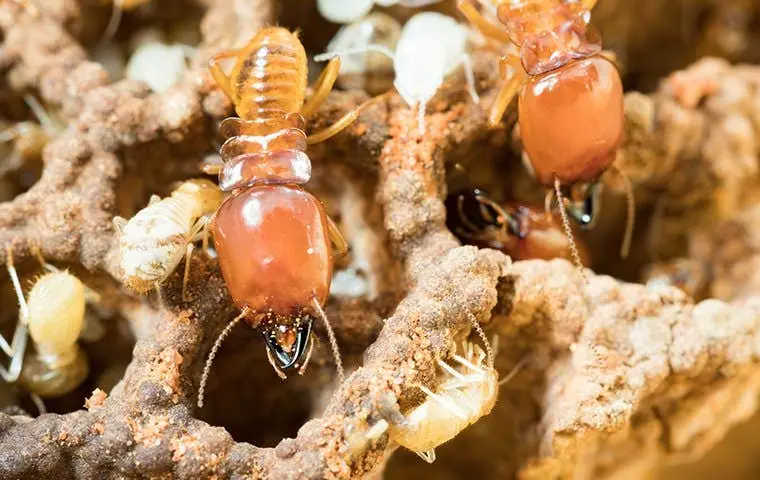
Key Highlights Introduction Termites are a common pest that can cause significant damage to homes and buildings. While all termites are problematic, termites with wings, also known as swarmers or alates, are especially concerning. These winged termites are the reproductive members of a termite colony and their primary role is to start new colonies. Seeing flying termites in your home or property can be a sign of a significant termite problem and potential structural damage. Understanding winged termites and being able to identify them is crucial in taking the necessary steps to protect your home. By recognizing the physical characteristics of flying termites and knowing the difference between termites and other flying insects like ants, you can be proactive in preventing termite infestations and minimizing damage to your property. In this blog, we will explore the lifecycle of a termite, why termites grow wings and fly, how to identify winged termites in your home, the significance of seeing flying termites, immediate steps to take upon sighting, inspecting your home for termite damage, professional vs. DIY termite control, and preventative measures against termite infestations. By the end of this blog, you will have a better understanding of winged termites and the signs of trouble in your home, allowing you to take the necessary actions to protect your property. Understanding Winged Termites Recommended Read: 10 Warning Signs of Termites To understand winged termites, it is important to first understand the termite life cycle. Termites go through several stages in their lifecycle, including the reproductive stage where they develop wings and become winged termites, also known as alates or swarmers. Winged termites are the reproductive members of a termite colony and their primary role is to start new colonies. They are larger than worker termites and are equipped with wings, allowing them to fly. These winged termites are responsible for leaving their colony during a phenomenon known as nuptial flight, where they mate and establish new colonies. Identifying winged termites in your home is a warning sign of a termite problem. Their presence indicates the potential for significant damage to your property. By understanding the behavior and characteristics of winged termites, you can take the necessary steps to protect your home from infestation and minimize the risk of structural damage. The Lifecycle of a Termite The termite life cycle consists of several stages, starting with the egg stage, followed by the nymph stage, and ending with the adult stage. During the reproductive stage, some termites develop wings and become winged termites, also known as alates or swarmers. The reproductive termites, or swarmers, are larger than worker termites and are equipped with wings. They are responsible for leaving their colony during a phenomenon known as nuptial flight. During this flight, the male and female swarmers mate, after which the male dies and the female becomes the queen of a new colony. In the new colony, the queen lays eggs, which hatch into nymphs. The nymphs develop into different castes, including workers, soldiers, and more reproductive termites. The workers are responsible for foraging for food, building and repairing the nest, and taking care of the other termites in the colony. Understanding the lifecycle of a termite is essential in identifying and controlling termite infestations. By knowing when and how termites develop wings and become winged termites, you can take the necessary steps to address the problem and protect your home from further damage. Why Termites Grow Wings and Fly Termites grow wings and fly as part of their reproductive process. The flight, known as nuptial flight, occurs when the conditions are right for the termite colony to expand and establish new colonies. During nuptial flight, winged termites emerge from their nest in large swarms, usually after a heavy rain when the weather begins to warm. These swarms are a common sign of a nearby termite infestation. The winged termites, or swarmers, are the reproductive members of the colony and their primary role is to mate and start new colonies. The swarmers search for a suitable location to establish their new colony, and if they successfully mate and find the right conditions, they will shed their wings, become the king and queen of their new termite kingdom, and begin the process of building a new colony. Understanding why termites grow wings and fly can help homeowners recognize the signs of a termite infestation and take immediate action to prevent further damage. By addressing the problem early, you can protect your home from the destructive effects of termites and minimize the risk of a full-blown termite infestation. Identifying Winged Termites in Your Home Identifying winged termites in your home is an important step in recognizing a potential termite problem and taking immediate action to address it. Winged termites, also known as termite swarmers or alates, can often be seen flying around windows, doors, vents, or light fixtures. The physical characteristics of winged termites include straight antennae, a thicker waist, and a pair of wings that are all the same length. These winged termites are attracted to light and are often found near sources of light in your home. The presence of winged termites in your home is a warning sign of a potential termite infestation and structural damage. If you notice winged termites or discarded wings in your home, it is important to contact a professional pest control service to assess the situation and take appropriate measures to eliminate the termites and protect your home. Physical Characteristics of Flying Termites Flying termites, or winged termites, can be identified by their specific physical characteristics. These characteristics include: These physical characteristics can help distinguish flying termites from other flying insects, particularly flying ants. By recognizing these characteristics, homeowners can be proactive in identifying and addressing termite infestations to protect their homes from structural damage. Difference between fly ants and flying termites Common Mistakes: Termites vs. Ants It is common for people to mistake flying termites for flying ants. However, there are distinct differences between the two: Termites Ants