 1500+ reviews

How to Get Rid of Fleas in House: 8 Essential Steps to Eliminate Fleas in House
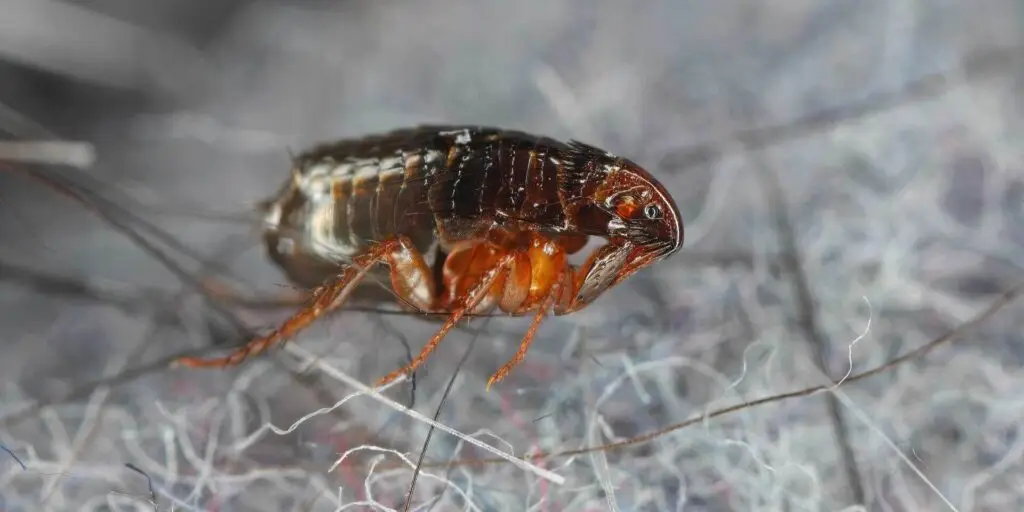
Key Highlights Introduction Fleas are a common problem faced by pet owners. These tiny parasites can quickly infest your home and cause discomfort to your pets. Apart from being annoying, fleas can also transmit diseases and cause allergic reactions. Getting rid of fleas in your house requires a comprehensive approach that targets both the source of the infestation and the environment in which they thrive. In this blog, we will provide you with 8 essential steps to eliminate fleas in your house. These steps will help you identify and treat a flea infestation, prevent future infestations, and ensure the well-being of your pets. From early identification to regular vacuuming and the use of chemical treatments, we will cover all the necessary measures you need to take to create a flea-free environment. By following these steps, you can effectively eliminate fleas from your house and keep your pets and family safe from the discomfort and health risks associated with flea infestations. Let’s dive into the details of each step and learn how to get rid of fleas in your house once and for all. 8 Key Steps on How to Get Rid of Fleas in House If you’re dealing with a flea infestation in your home, it’s important to take immediate action to eliminate these pests. Here are 8 key steps to rid your home of fleas: 1. Identify the Infestation Early Identifying a flea infestation early is crucial in preventing it from spreading throughout your home. Look out for signs such as adult fleas on your pets or in your home, flea eggs in your pet’s fur or bedding, and flea dirt (small black specks resembling pepper) on your pet’s skin or in their favorite resting areas. If you suspect a flea infestation, take immediate action to treat your pets and begin the process of eliminating fleas from your home. 2. Treat Your Pets Immediately Treating your pets is an important step in getting rid of fleas in your house. Start by using a flea comb to remove adult fleas from your pet’s fur. Be sure to focus on areas such as the neck and tail, as these are prime spots for fleas to hide. After combing, drop any fleas you’ve removed into a container of hot, soapy water to kill them. Next, consult your veterinarian to determine the best flea treatment for your pets. They can recommend topical or oral treatments that will effectively kill fleas and prevent future infestations. 3. Vacuum Floors, Furniture, and Pet Areas Regularly Regular vacuuming is essential in removing fleas and their eggs from your home. Use a vacuum cleaner with strong suction power and a HEPA filter to effectively capture fleas, eggs, and larvae. Pay special attention to areas where your pets spend a lot of time, such as their bedding, carpets, rugs, and furniture. Be thorough in your vacuuming, making sure to reach all corners and crevices. Don’t forget to vacuum wood floors as well, as fleas can hide in the cracks and crevices. Empty the vacuum bag or canister outside immediately after vacuuming to prevent fleas from reinfesting your home. 4. Wash Beddings and Soft Furnishings in Hot Water Wash all beddings and soft furnishings in hot water to eliminate fleas effectively. Hot water helps kill adult fleas, flea eggs, and larvae present in the fabric. Use a high temperature setting for washing and drying to ensure thorough elimination. Pay close attention to pet bedding, cushions, carpeting, and upholstery as these areas are preferred spots for flea infestation. Regular washing with hot water disrupts the flea life cycle and prevents reinfestation, maintaining a clean and pest-free environment in your home. 5. Apply Chemical Treatments When tackling a flea infestation, it’s crucial to apply chemical treatments with caution. Always follow product instructions meticulously and consider consulting with a pest control expert for guidance. Be mindful of where you apply the treatments, focusing on pet resting areas, carpets, and furniture. Keep pets and children away from treated areas until it is safe. Regularly monitor the effectiveness of the chemical treatments and reapply as needed. Safety is paramount when dealing with pest control solutions. Remember, prevention is better than cure. 6. Use Natural Remedies as Preventative Measures Consider incorporating natural remedies like soapy water or flea spray to prevent fleas. These solutions are effective as preventative measures and are safe for your pets and the environment. Regularly cleaning areas where your pets spend time, like pet bedding or living room carpets, can deter flea infestations naturally. By using natural remedies proactively, you can maintain a flea-free environment without resorting to harsh chemicals. Consulting with experts for advice on natural flea control methods can help you combat fleas effectively. 7. Consider Professional Pest Control Services Consider engaging professional pest control services to efficiently tackle a persistent flea infestation. Expert advice and specialized treatments can effectively eliminate fleas from your home, ensuring a comprehensive approach to flea control. Professionals use targeted methods to address the root cause of the issue, safeguarding your family and pets from potential health risks associated with fleas. Their experience and knowledge in flea treatment can provide a lasting solution for a flea-free environment. 8. Maintain a Flea-Free Environment Regular maintenance is key to keeping your home free of fleas. To maintain a flea-free environment, continue to vacuum floors and furniture frequently, wash pet bedding in hot water weekly, and use flea treatments on pets as recommended. Pay attention to the pet’s bedding and living areas, applying preventive measures consistently. Consider consulting pest control services periodically for expert advice and additional interventions to ensure a pest-free environment. By following these steps diligently, you can effectively prevent flea reinfestation and maintain a clean living space. Understanding Fleas: Lifecycle and Habits To effectively eliminate fleas in your house, it is important to understand their lifecycle and habits. The flea lifecycle consists of four stages: egg, larva, pupa, and adult. Understanding the flea lifecycle helps in targeting all stages of the infestation. It is