 1500+ reviews

Fire Ant Control Methods That Work

Key Highlights Introduction Fire ants, particularly the red imported fire ant (Solenopsis invicta), are a well-known and troublesome aggressive pest in many parts of the southeastern United States. They are aggressive and their painful stings can cause serious pain and injury to humans and animals. Additionally, fire ant infestations can cause damage to property, interfere with activities on golf courses, and be unsightly in home lawns. Controlling fire ants can be challenging, but with the right approach, it is possible to effectively manage these pests. Understanding the behavior and lifecycle of fire ants is crucial in developing an effective control strategy. It is also important to recognize the signs of fire ant infestation and the potential damage they can cause. At FullScope, we offer a comprehensive approach to fire ant control. Our services include an initial assessment and planning stage, where we identify the extent of the infestation and develop a customized control plan. We utilize integrated pest management strategies, including biological control, cultural control, and chemical solutions, to effectively eliminate fire ants and prevent future infestations. In this blog, we will explore the different methods of fire ant control that work, from cultural and biological control options to chemical solutions. We will also address frequently asked questions about fire ant control and provide tips for preventive measures and ongoing maintenance. Understanding Fire Ants Fire ants, specifically the red imported fire ant (Solenopsis invicta), are aggressive ants that can cause significant problems in both urban and agricultural areas. They are known for their painful stings, which can cause severe pain, itching, and swelling. Fire ants are omnivorous and feed on plants, insects, oils, and sugars. They prefer open, sunny areas and form colonies with winged males, reproductive females, and worker ants. It is important to understand the behavior and biology of fire ants in order to effectively control them. Identifying Common Fire Ant Species The red imported fire ant (Solenopsis invicta) is the most common species of fire ant in the southeastern United States. They are reddish-brown in color with shiny, dark abdomens and have two bumps between the thorax and abdomen. This species is known for its aggressive behavior and painful stings. While the red imported fire ant is the most prevalent species, there are other species of fire ants as well, such as the black imported fire ant (Solenopsis richteri) and the tropical fire ant (Solenopsis geminata). These species have similar behavior and can also cause damage and pose health risks. Identifying the specific species of fire ant is important for effective control measures. The Lifecycle of Fire Ants Fire ants have a complex lifecycle that includes different stages of development. A fire ant colony consists of three main types of ants: winged males, reproductive females, and worker ants. The winged males and reproductive females mate in flight, and the females establish new colonies by digging chambers in the soil for their eggs. The eggs hatch into larvae, which develop for 7-10 days before pupating. After the pupal stage, adult ants emerge. Worker ants are wingless, sterile females that perform various tasks within the colony, such as caring for the brood, foraging for food, and defending the nest. Understanding the lifecycle of fire ants is important for effective control measures. By targeting the reproductive individuals and disrupting the development of the brood, it is possible to eliminate fire ant colonies and prevent future infestations. The Impact of Fire Ants on Your Property Fire ant infestations can have a significant impact on your property. The mounds they build can interfere with activities on golf courses, damage equipment, and be unsightly in home lawns. Fire ants can also cause damage to plants, as they feed on both plant matter and insects. In addition to the physical damage they can cause, fire ants also pose health risks. Their painful stings can cause severe pain, itching, and swelling. Some individuals may also have allergic reactions to fire ant stings, which can lead to anaphylactic shock. It is important to address fire ant infestations promptly to protect your property and reduce the risk of stings. Recognizing the Signs of Fire Ant Infestation Recognizing the signs of fire ant infestation is crucial for effective control measures. The most obvious sign is the presence of fire ant mounds, which are typically built in open, sunny areas. These mounds can vary in size, but they are usually dome-shaped and made of loose soil. Another sign of fire ant infestation is the presence of worker ants foraging for food. They can be seen traveling in trails, particularly after rain or during cooler weather. Fire ant bait can be used to attract and eliminate worker ants. It is also important to note that fire ants can establish satellite colonies near the main colony. These satellite colonies can be smaller and may not have visible mounds. However, they can still pose a threat and should be treated along with the main colony. Potential Damage and Risks to Human Health Fire ants can cause a range of health problems, particularly through their painful stings. Some potential risks to human health include: It is important to note that children and individuals with allergies or compromised immune systems are particularly at risk. Fire ant stings should be taken seriously and prompt medical attention should be sought if severe symptoms, such as difficulty breathing or swelling of the face or throat, occur. Preventing fire ant stings and addressing infestations promptly can help reduce the risk of health problems associated with fire ants. FullScope’s Approach to Fire Ant Control FullScope Pest Control takes a comprehensive approach to fire ant control, focusing on effective strategies for long-term eradication. Our approach includes: When it comes to fire ant control, an initial assessment is crucial. FullScope Pest Control conducts a thorough evaluation of your property to determine the extent of fire ant infestations and identify high-risk areas. This assessment allows us to develop a customized plan for effective eradication. During the initial assessment, our pest control
Uncovering Termites in Wall: Signs and Solutions
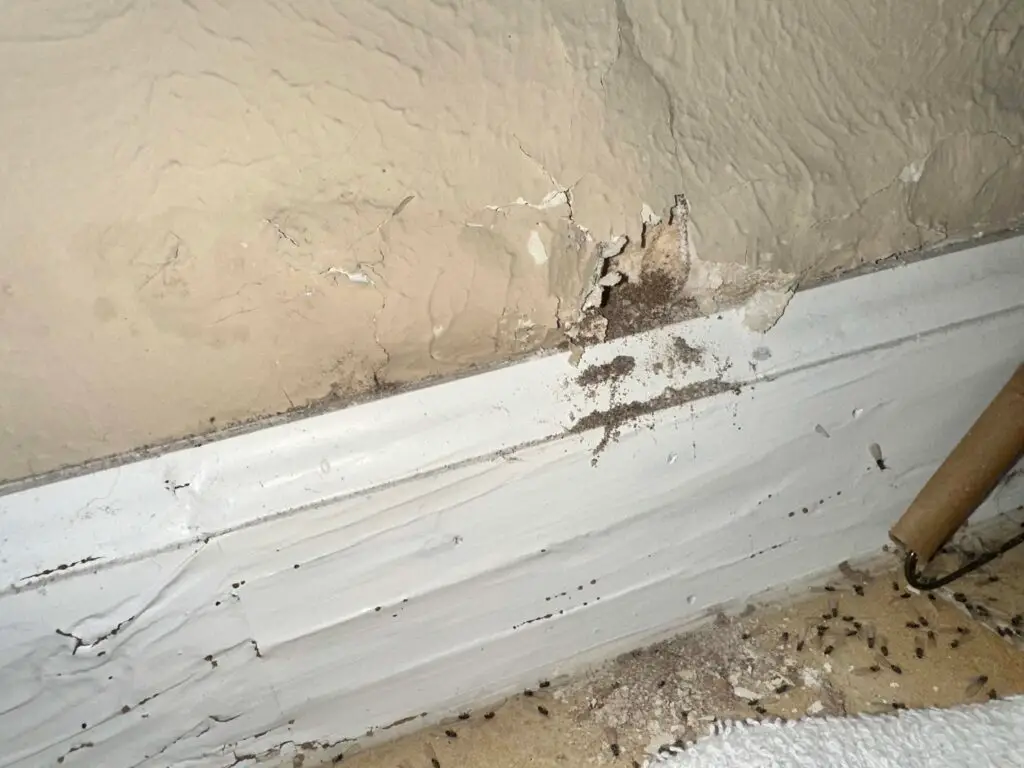
Key Highlights Introduction Termite infestations can be a homeowner’s worst nightmare. These small insects have a voracious appetite for wood, and if left unchecked, they can cause severe damage to the structure of a building. Termites often go undetected until the damage is already significant, making it essential to be aware of the signs of termites in walls. In this blog, we will explore the early warning signs of termite infestations, understand termite behavior and the risks they pose, discuss professional inspection and identification, provide DIY termite inspection tips, and explore effective solutions for termites in walls. How can you tell if you have termites in your wall? Indications of termites in your wall include hollow-sounding wood when tapped, discarded wings near windows, mud tunnels on exterior walls, and small holes in the wood. If you notice any of these signs, it’s crucial to seek professional help promptly to address the termite infestation effectively. Early Warning Signs of Termites in Walls Early detection of termite infestations in walls is crucial for preventing further damage. There are several signs to watch out for that may indicate the presence of termites. Visible mud tubes on exterior walls are a common sign of a termite infestation. These shelter tubes, which are about the width of a pencil, are created by subterranean termites as they travel between their colony and a food source. Another sign to look out for is a hollow sound when tapping on wood surfaces. This hollow sound could indicate termite damage within the wood. Additionally, cracked or bubbling paint and the presence of frass, which are termite droppings, can also be indicators of termite activity within walls. Visible Mud Tubes on Exterior Walls Visible mud tubes on exterior walls are a telltale sign of a termite infestation. These shelter tubes, also known as mud tunnels, are created by subterranean termites to provide protection and moisture as they travel between their colony and a food source. Here are some key points to understand about mud tubes: Hollow-Sounding Wood Surfaces When inspecting your walls for termite infestations, tapping on wood surfaces can provide valuable information. If the wood emits a hollow sound, it could indicate termite damage within the structure. Termites feed on the cellulose found in wood, hollowing it out as they consume it. Here are a few key points to consider: Cracked or Bubbling Paint Cracked or bubbling paint on walls can be an indication of termite activity. Termites require moisture to survive, and as they inhabit the interior of walls, they may bring moisture with them. This moisture can cause the paint to crack, bubble, peel, or flake off. Here are a few key points to consider: Frass: Termite Droppings as an Indicator Frass, which refers to termite droppings, can be a useful indicator of termite activity within walls. As termites consume wood, they produce frass that resembles small pellets or sawdust. Here are a few key points to consider: Understanding Termite Behavior and Risks Understanding termite behavior and the risks associated with termite infestations is essential for effectively dealing with the problem. Termites have a complex lifecycle and certain behaviors that contribute to the damage they cause. Here are a few key points to understand: The Lifecycle of Termites Termites have a complex lifecycle that involves different castes and stages. Understanding their lifecycle can help in identifying and addressing termite infestations. Here are a few key points to consider: Different Types of Termites and Their Behaviors There are different species of termites, each with its own behaviors and preferences. It is important to understand these differences to effectively address a termite problem. Here are a few key points to consider: How Termites Cause Damage Over Time Termites can cause significant damage to wooden structures over time if left untreated. Understanding how termites cause this damage is essential for effectively addressing infestations. Here are a few key points to consider: Professional Inspection and Identification Professional inspection and identification are essential for accurately detecting termites and assessing the severity of an infestation. Here are a few key points to consider: The Role of a Professional Termite Inspector A professional termite inspector plays a crucial role in accurately assessing the severity of a termite infestation and determining the appropriate course of action. Here are a few key points to consider: Tools and Techniques for Detecting Termites Professional termite inspectors use various tools and techniques to detect termite activity. Here are a few commonly used tools and techniques: Tool or Technique Description Moisture meters These devices measure moisture levels in wood, which can indicate termite activity. Termite probes Inspectors use these tools to tap and probe wood surfaces, looking for hollow sounds and signs of termite damage. Fiber optic scopes These scopes allow inspectors to see inside walls and other inaccessible areas to search for termite activity. Thermal imaging cameras These cameras can detect temperature variations that may be indicative of termite activity, such as heat generated by termite nests. Termite-sniffing dogs Specially trained dogs can detect the presence of termites by sniffing for their unique scent. By utilizing these tools and techniques, professional termite inspectors can accurately detect termite activity, assess the severity of an infestation, and develop appropriate treatment plans. Interpreting Signs of Termite Infestations Accurately Interpreting signs of termite infestations accurately is crucial for determining the appropriate treatment and preventing further damage. Here are a few key points to consider: DIY Termite Inspection Tips While professional inspection is recommended for accurate detection of termite infestations, there are some DIY methods that homeowners can employ to supplement their efforts. Here are a few key tips for DIY termite inspection: Safety Measures and Precautions When conducting a DIY termite inspection, it is important to prioritize safety and take necessary precautions. Here are a few key safety measures to consider: Identifying Common Termite Entry Points Termites can enter a building through various entry points, and identifying these common entry points is crucial for preventing infestations. Here are a few key entry
Termite Inspection: Everything You Need to Know
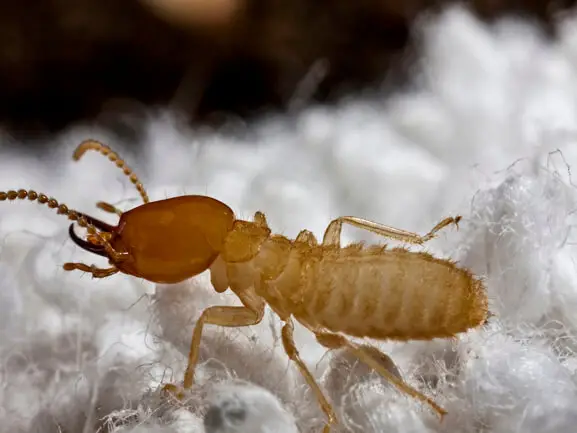
Key Highlights Introduction Your home is not just a place to hang your hat; it’s your sanctuary, a place where you feel safe and secure. However, there are unwelcome guests that can threaten the structural integrity of your home: termites. These tiny pests can infest your home and cause extensive damage, often without you even realizing it. That’s why termite inspection is so important. In this blog, we will provide you with everything you need to know about termite inspection. From understanding the significance of early detection to recognizing signs of termite activity, we will guide you through the process of termite inspection and explain the key benefits it offers. We will also take an in-depth look at the termite inspection process, including what to expect during the inspection, the tools and techniques used, and how to interpret the inspection report. Additionally, we will address common concerns and questions related to termite inspections, such as choosing a reliable termite inspection company, the cost of termite inspection, DIY vs. professional inspections, dealing with a termite infestation, and insurance coverage for termite damage. By the end of this blog, you will have a comprehensive understanding of termite inspection and be well-equipped to protect your home from these destructive pests. Understanding Termite Inspection: A Comprehensive Guide Understanding termite inspection is crucial for homeowners to protect their properties from the devastating effects of termite infestation. A termite inspection is an investigation conducted by professionals to determine the presence of termites in and around your home. It plays a vital role in termite control and prevention, as it allows for early detection and treatment of termite infestations. By conducting regular termite inspections, homeowners can develop a comprehensive termite control plan and take necessary preventive measures to minimize the risk of termite damage. Professional pest control companies, like FullScope Pest Control, have the expertise and specialized equipment to conduct thorough termite inspections and provide effective treatment options. 1. The Importance of Early Detection Early detection of termite infestation is of utmost importance in protecting your home from extensive termite damage. Termites are known for their ability to silently and rapidly destroy wooden structures, causing significant structural damage that can compromise the integrity of your home. By detecting termite activity early on through regular termite inspections, you can take immediate action to eliminate the infestation and prevent further damage. Early detection also plays a crucial role in real estate transactions, as termite damage can significantly impact the value of a property. By conducting a termite inspection before buying or selling a home, you can ensure that you are aware of any existing termite issues and address them accordingly, protecting your investment and providing peace of mind. 2. Recognizing Signs of Termite Activity Recognizing the signs of termite activity is essential in detecting a termite infestation and taking appropriate measures to address it. During a termite inspection, professionals look for specific signs that indicate the presence of termites. These signs include: Recognizing these signs during a termite inspection allows for early detection and prompt action to eliminate the termites and prevent further damage to your property. 3. Key Benefits of Regular Termite Inspections Regular termite inspections offer numerous benefits for homeowners in terms of termite control and prevention. Some key benefits of scheduling regular termite inspections include: By investing in regular termite inspections, homeowners can proactively protect their properties and minimize the risk of termite damage. 4. How FullScope Pest Control Conducts Inspections FullScope Pest Control follows a meticulous process for termite inspections. Our licensed inspectors thoroughly examine accessible locations within your property, using special equipment to identify termite activity. They check for signs like termite wings, droppings, or mud tubes. If necessary, they might tap on wood structures to listen for hollow sounds or use a screwdriver to probe for wood damage. This detailed approach ensures a comprehensive inspection, allowing us to provide accurate findings and recommendations for a tailored treatment plan. 5. Preventive Measures to Keep Termites at Bay To prevent termite infestations, start by eliminating wood-to-soil contact. Keep firewood and mulch away from your home’s foundation. Repair any leaky plumbing and address moisture issues promptly. Regularly inspect your home for signs of termite activity, such as mud tubes or termite wings. Seal cracks and crevices in your home’s exterior to deny termites easy access. Trim tree branches and shrubbery away from the house. Consider professional termite inspections for a more thorough assessment of your property’s vulnerability. In-Depth Look at Termite Home Inspection Process When it comes to termite inspections, it’s important to understand the process involved. A termite inspection typically consists of the following steps: Before the termite inspector arrives, there are a few pre-inspection preparations you can make to ensure a smooth process: During the inspection, the termite inspector will carefully examine your home for signs of termite activity. They will inspect areas such as crawlspaces, basements, attics, and wooden structures to identify any evidence of termites. The inspector may use specialized tools and equipment, such as moisture meters and thermal imaging cameras, to aid in the detection process. They will also look for visible signs of termite damage, such as mud tubes, wood damage, or live termites. At the end of the inspection, the termite inspector will provide you with a detailed report outlining their findings, including any signs of termite activity and recommendations for treatment. This report will help you make informed decisions regarding termite control and prevention. Termite inspectors use a range of tools and techniques to conduct thorough inspections and accurately assess termite activity. Some of the tools and techniques commonly used during termite inspections include: By employing these tools and techniques, termite inspectors can conduct more comprehensive inspections and accurately identify termite activity. This ensures that appropriate treatment measures can be implemented to eliminate termites and prevent further infestations. After completing a termite inspection, the inspector will provide you with a detailed report outlining their findings and recommendations. This report is an essential tool for understanding the extent
Termite Infestation & Available Treatments: What to Look For

Key Highlights Are you starting to notice strange signs around your home, like tiny wood-colored pellets or hollow-sounding timber? These could be indicators of a termite infestation silently wreaking havoc on your property. In our upcoming blog post, we will delve into the intricate world of termite infestations and how to spot them before they cause irreparable damage. From understanding the behavior and lifecycle of termites to exploring professional treatment options and DIY prevention strategies, this comprehensive guide will equip you with the knowledge needed to safeguard your home. Keep an eye out for tips on identifying common signs of termite presence, steps to take if you suspect an infestation, and long-term management techniques to ensure your home remains termite-free. Don’t let these pests nibble away at your peace of mind – join us as we uncover everything you need to know about termite infestations! Introduction Termites are among the most destructive insects in the world, capable of causing severe damage to homes and other wooden structures. Termite infestations can weaken building supports, leading to costly repairs and even structural collapse in extreme cases. It’s essential to be aware of the signs of a termite infestation and take immediate action to prevent further damage. Identifying a termite infestation can be challenging, as termites often live and travel in hidden areas such as walls, floors, and ceilings. However, there are several signs that can indicate a termite problem. Look out for dead termites or wings in the corners of your home, as well as strange, musty smells throughout the house. Termite droppings, called frass, may be present along baseboards and window sills. You might also notice mud tubes climbing the foundation of your home on the exterior of your house near the foundation or sawdust near doors and windows. In this blog, we will delve deeper into how to identify a termite infestation, the differences between termite species, termite behavior, initial steps to take when you suspect termites, professional termite treatment options, DIY prevention strategies, and the financial impact of termite damage. By the end of this blog, you will have a comprehensive understanding of termite infestations and the necessary steps to protect your home. So let’s get started! Identifying a Termite Infestation Identifying a termite infestation in your home is crucial to prevent further damage and take necessary action. Many people don’t realize they have a termite problem until it’s too late, as termites often infest hidden areas and leave minimal visible signs. However, there are a few key indicators that can help you identify a termite infestation and prevent costly damage: https://www.forbes.com/home-improvement/pest-control/signs-of-termite-infestation One of the most common signs of a termite infestation is damaged wood, including drywall. Termites feed on wood, hollowing it out from the inside, which weakens the structure. Look out for sagging floors, buckling walls, or hollow-sounding drywall when tapped. You may also notice small holes or tunnels on the surface of the drywall or wallpaper, as termites can eat through both materials. Additionally, termite activity can cause paint to bubble or crack and wallpaper to peel. Another sign of a termite infestation is the presence of termite droppings, also known as frass. These small, pellet-like droppings can be found near termite nests or along baseboards and window sills. Keep an eye out for mud tubes on the exterior of your home, as they are often used by termites as a pathway between their nest and a food source. By being vigilant and recognizing these signs, you can catch a termite infestation early and take the necessary steps to address the problem. It’s essential to act quickly to limit the damage and protect your home. Common Signs Termites Leave Behind When it comes to identifying a termite infestation, there are several common signs that termites leave behind. By recognizing these signs, you can take immediate action to address the problem. Here are some key indicators of a termite infestation: By being aware of these signs and regularly inspecting your home for any termite activity, you can catch an infestation early and take the necessary steps to address the problem. Remember, early intervention is key to minimizing damage and protecting your home. Differences Between Termite Types and Their Indicators There are different types of termites that can infest your home, and understanding the differences between them can help in formulating effective treatment strategies. The two main types of termites that commonly infest homes are drywood termites and subterranean termites. Drywood termites typically infest dry wood, such as furniture or wooden structures within your home. They do not require contact with soil and can survive solely on the moisture present within the wood they infest. Signs of a drywood termite infestation include small holes in the wood, piles of sawdust-like pellets (termite droppings), and blistered or buckled floors. On the other hand, subterranean termites live in the soil and require contact with moisture to survive. They build mud tubes to protect themselves as they travel between their nest and a food source, such as wooden structures in your home. Signs of a subterranean termite infestation in the United States include mud tubes on the exterior of your home, damaged wood, and the presence of swarmers during termite season. It’s important to understand the type of termite infestation you have, as different treatment methods may be required. Consulting with a professional pest control service can help determine the most effective approach to eliminate the specific termite species infesting your home. https://www.britannica.com/animal/termite Homeowners: Why Termites Swarm and What It Means for You Termite swarming is a natural part of the reproductive cycle of termites and occurs when a termite colony has grown large enough to establish new colonies. Understanding why termites swarm and what it means for your home is essential in preventing further infestations. Termite swarm season typically occurs between March and June, although in warmer areas like Florida, it can happen throughout the year. During this time, termite swarmers take flight to find mates and establish new