 1500+ reviews

How Termite Baiting Disrupts Entire Colonies
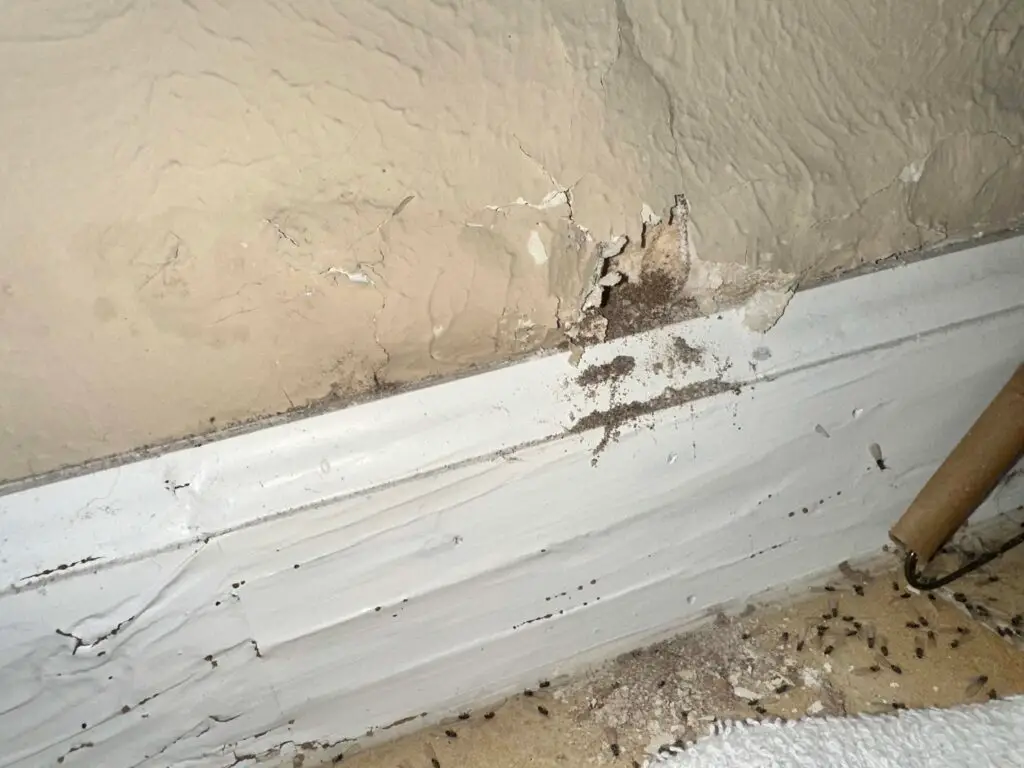
Termite bait stations play a pivotal role in strategically combating and defending against termites, particularly subterranean termites, the most prevalent species not only in Texas, but also throughout the United States. These dangerous pests, which construct intricate networks of underground tunnels while foraging for sustenance, are notorious for their 24/7 feeding habits, posing a persistent threat to your home. Traditionally, termiticide can be sprayed on and around a home to kill termites and create a barrier to keep the rest away, but this method has its limitations. Termite baiting has become increasingly popular among professional termite control experts, and with good reason. Let’s discuss how termite baiting works and how it can disrupt and eliminate an entire termite colony. Advantages of Termite Baiting Termite bait stations offer several benefits, including: By having termite bait stations deployed strategically, you can ensure your defense against these persistent pests will safeguard your home and family effectively. The Mechanics of Termite Bait Stations What makes termite bait stations so effective against termites? Also termed as “termite traps,” bait stations are strategically positioned either in or above the ground surrounding your property. The stations don’t trap termites, per se, but they house bait, often consisting of laced wood, paper, or cellulose, which termites feast upon and subsequently transmit to other members of their colony, leading to its eradication. Worker termites, during their search for food sources near the colony, encounter this bait, ingest it, and disseminate it to their fellow colony members. Most baits act gradually, permitting termites to return to the colony and extend the contagion to others. Many baits also contain insect growth regulators (IGRs) which disrupt the termites’ ability to breed and reproduce. The resulting domino effect disrupts the entire colony and eventually leads to its end. Outdoor termite bait stations typically find placement in areas heavily frequented by termites. In-ground bait stations exclusively target subterranean termites, pinpointing their habitat. Must Read:8 FACTS ABOUT RACCOONS IN YOUR HOME Effectiveness of Termite Bait Stations Bait stations can serve as a potent, long-term solution for termite woes. While their bait operates on a slow-release principle, it facilitates the annihilation of all termite castes, including reproductives, soldiers, and workers. Nonetheless, several factors can influence the efficacy of these stations. Placement is paramount. Bait stations should be positioned roughly 2–4 feet away from a structure’s foundation, spaced at intervals of 10–20 feet from one another. Their placement should align with areas of termite activity or suspicion, encompassing locations near woodpiles, tree stumps, and damp areas. DIY vs. Professional Pest Control Bait Monitoring Systems In cases where termites are visible or their presence is detectable within your home, the temptation to handle the issue personally may arise. However, even if you manage to deal with the termites you can see, concealed structural damage may persist unnoticed. There is way too much at stake for inexperienced homeowners to take chances with the safety of their home and family. While certain store-bought termite bait stations bear resemblance to the bait utilized in some pest control professionals’ bait monitoring systems, DIY termite treatments frequently fall short due to improper use. Identifying diverse termite species, understanding their behaviors, and discerning areas of high termite activity are skills most homeowners lack. Professional pest control companies not only possess the appropriate equipment but also offer effective solutions, continuous monitoring and maintenance, and expert knowledge to address termite problems competently. They will know how to determine the appropriate termite treatment required for your specific situation. Stuck with a termite problem? Despite all the preventive measures you can take, termites and other pests can just become overwhelming. Not to mention the fact that, termites can cause dangerous (and VERY costly) damage to your home’s infrastructure. Calling a professional termite control service is always much more cost-effective and a timesaver in the long run if you feel you are overwhelmed with termites and/or other pests in your home or yard. Call our North Houston area (e.g., (primarily Cleveland, Kingwood, Atascosita, New Caney, Humble, Porter, Conroe, Splendora, and other communities in the North Houston area) FullScope termite and pest control experts today at 832-898-0190 for a consultation. Or email us at info@fullscopepestcontrol.com. We can quickly help you get your termite problems under control, as well as other expensive pest problems in your home, yard, or business. We use Sentricon Termite Baiting Stations as a long-term solution to help home and business owners like you get rid of their termite problems fast.
8 Facts About Raccoons in Your Home

When most people think of raccoons, they think of the cute animal that lives in the woods. However, there is more to these creatures than meets the eye. Raccoons can be quite destructive and are known for causing a lot of damage. If you have a raccoon problem, it is important to learn as much as you can about them so that you can take the necessary steps to get rid of them. Here are 8 facts about raccoons that every homeowner should know. 1. How do I know if I have a raccoon in my home? One of the most telltale signs is raccoon droppings, which look like large dark pellets. Raccoons also often leave behind footprints or smudge marks, which can be helpful in identifying them. If you hear strange noises coming from your attic or see raccoon tracks in the mud near your house, it’s a good indication that you have a raccoon on your property. Raccoons are technically classified as pests, so if you suspect you have one in your home, it’s best to contact a pest control specialist to safely remove the animal. 2. What are the dangers of having a raccoon in my home? Raccoons are clever and curious creatures, and they often find their way into homes in search of food or shelter. If you think you may have a raccoon in your home, there are a few tell-tale signs to look for. Raccoons are nocturnal animals, so if you hear strange noises coming from your attic or crawl space at night, it’s a good indication that you have a furry intruder. Raccoons are also known for making messes, so be on the lookout for torn insulation, damaged ductwork, or piles of trash outside your home. If you suspect you have a raccoon in your house, the best course of action is to contact a wildlife control expert who can safely remove the animal. 4. Why should I hire a professional to remove a raccoon? Raccoons in the wild are interesting creatures to watch. They are often seen rummaging through trash cans, looking for a meal. However, when a raccoon takes up residence in your home, it’s no longer funny. Raccoons can cause serious damage to your property and pose a health risk to you and your family. That’s why it’s important to hire a professional to remove a raccoon from your home. A professional will have the experience and equipment to safely and effectively remove the raccoon from your property. In addition, a professional will be able to identify and seal any entry points that the raccoon used to get into your home. This will help to prevent another raccoon from taking up residence in your home in the future. 5. How much does raccoon removal cost? Raccoons are intelligent and crafty animals that can easily find their way into attics, crawlspaces, and even homes. Once inside, they can cause a great deal of damage, urinating and defecating on insulation and framing, and tearing up ductwork and wiring. Raccoon removal is a complicated and potentially dangerous process, and it is best left to a professional. The cost of raccoon removal will vary depending on the size of the animal and the extent of the damage, but it is typically between $185 and $385. In some cases, the damage caused by raccoons can be extensive enough to require repairs that can cost thousands of dollars. As a result, it is important to be aware of the potential cost of raccoon removal before attempting to remove one from your home. 6. What is the best way to keep raccoons away from my home? Raccoons are one of the most common animals to invade our homes. They’re intelligent, curious creatures that will take advantage of any opportunity to get inside. Once they’re in, they can cause all sorts of damage and create a real mess. So, how can you keep raccoons away from your home? First, it’s important to make sure that your trash cans are sealed tight. Raccoons are attracted to the smell of food, so if your garbage is easily accessible, they’ll be more likely to try and get into it. Second, you should trim tree branches that hang over your roof or close to your windows. Raccoons are good climbers, so they’ll take advantage of any opportunity to get into your home. Lock up your pet food and keep garage doors closed, they can easily enter a home from breezeways. Must Read:EVERYTHING YOU NEED TO KNOW ABOUT MOSQUITO MISTING SYSTEMS What are some of the diseases that raccoons can carry? Raccoons are well-known for their intelligence and mischievous nature, but they can also be carriers of disease. Raccoons are common hosts for a range of parasites, including fleas, ticks, and mites. They can also carry rabies, which is a viral disease that attacks the nervous system. Raccoons are also known to carry a strain of infectious bacteria called leptospirosis, which can cause fever, muscle pain, and vomiting in humans. While the risk of contracting a disease from a raccoon is relatively low, it is important to take precautions when interacting with these animals. If you see a raccoon, do not approach it or try to pet it. If you must handle a raccoon, be sure to wear gloves and wash your hands thoroughly afterwards 8. Should I be worried about rabies if I have a raccoon in my home? Raccoons are one of the most common carriers of rabies in the United States. In fact, according to the Centers for Disease Control and Prevention (CDC), raccoons are responsible for more than half of all reported animal rabies cases in the country. Rabies is a serious and deadly disease that can cause severe neurological damage in humans. If you have a raccoon in your home, it is important to be aware of the risks and take steps to protect yourself and your family. The best way to protect yourself from rabies is