 1500+ reviews

Pet Safe Solutions for Fire Ant Control
Key Highlights Pet-safe fire ant control methods prioritize your pet’s well-being while effectively eliminating infestations. Introduction Fire ants can be a big problem for pets, especially in areas where they are common. These imported fire ants are known for being aggressive and can deliver painful stings. This can seriously harm our pets. It’s important to learn how to manage fire ant populations in a way that is safe and effective. Doing so helps keep our pets healthy and happy. This guide will look at different pet-safe options for fire ant control. It will help you keep your area free from these pests, creating a better environment for everyone. Understanding Fire Ants and Their Threat to Pets Fire ants are known for being very aggressive, and their stings hurt. These stings can cause allergic reactions in people and pets. Fire ants can work together to sting many times. One sting may cause a little pain, but many stings can lead to serious problems. Pets are at risk, especially those that cannot move well or are curious. Their playful behavior and habit of sniffing around make them easy targets for these fierce ants. The Biology of Fire Ants in North Houston Red imported fire ants came to the United States by mistake through the port of Mobile in the 1930s. They are now common in North Houston and southeastern states. Unlike some other ant species, fire ants have more than one queen in their colonies. This helps them breed quickly and form large networks of mounds. These mounds can be dangerous for pets roaming in lawns and gardens. As the weather gets warmer, fire ant activity increases. Worker ants leave the mounds to find food and water. Why Fire Ants Pose a Risk to Pets Fire ants sting and inject venom. This causes a burning feeling, which is why they have that name. For most pets, a few stings can cause pain, swelling, and redness in one area. But many stings can quickly become a serious problem, especially for small animals or those with other health issues. In bad cases, pets might have allergic reactions. This can cause vomiting, diarrhea, trouble breathing, and even anaphylactic shock. Puppies and kittens are at more risk because their immune systems are still growing. Fire ants also like protein, so they might get into pet food left outside. Eating fire ants can cause stomach problems and other issues. If you think your pet has been stung, it is important to talk to a veterinarian for the right care. Natural and Pet-Friendly Fire Ant Control Methods Many pet owners are looking for natural and safe ways to control fire ants. They care about their pets and the environment. These methods are often less harmful and do not disturb nature much. They also work well to fix fire ant problems. You can use common household items or go for organic solutions. There are many good options that serve as effective choices instead of chemical treatments for fire ant control. Home Remedies for Fire Ant Infestations Several home remedies can help with fire ant infestations without using strong chemicals: While these methods are a good start, they may not get rid of large or stubborn colonies completely. It is usually best to apply them regularly and use different ways for the best results. Always choose methods that are safe for your pets and the environment. Choosing Pet-Safe Commercial Ant Control Products When natural methods prove insufficient, several pet-safe commercial ant control products on the market effectively eliminate infestations without posing significant risks to your companions. These products utilize various mechanisms, such as baiting systems or contact insecticides, to target and control ant colonies. When selecting a commercial ant control product, always opt for those specifically labeled as pet-safe and follow the instructions meticulously. Pay close attention to the “active ingredient” listed on the product label, as this determines the product’s mode of action and potential toxicity. Ingredients like spinosad and boric acid are generally considered safer for pets when used appropriately. Active Ingredient Action Pet Safety Spinosad Disrupts the nervous system Low toxicity when dry Boric Acid Disrupts metabolic processes Low toxicity when ingested Hydramethylnon Inhibits cellular respiration Low toxicity to mammals Conclusion In conclusion, keeping your pet safe from fire ants is really important. You should know the dangers they bring and use natural ways to control them that are safe for pets. Always check your pets for signs of ant bites and act quickly if you see any. If you want more personal advice or help, just contact us. Together, we can make a safer place for your pets and help keep them happy and healthy. Frequently Asked Questions What Are the Signs My Pet Has Been Bitten by Fire Ants? If your pet suddenly yelps, scratches at their face or body, or shows they are uncomfortable near fire ant mounds, they might have been bitten. Check for redness, swelling, and bumps that usually come with fire ant stings. If you think your pet has been bitten by fire ants or shows signs of an allergic reaction, see a vet. What are safe methods for controlling fire ants around pets? To control fire ants safely around pets, use pet-friendly products such as fire ant bait, requires very little application and is consumed by foraging fire ants very quickly. Eliminates the mounds and control is effective when consistent application is made.
Preventing Fire Ants Before They Invade Your Property
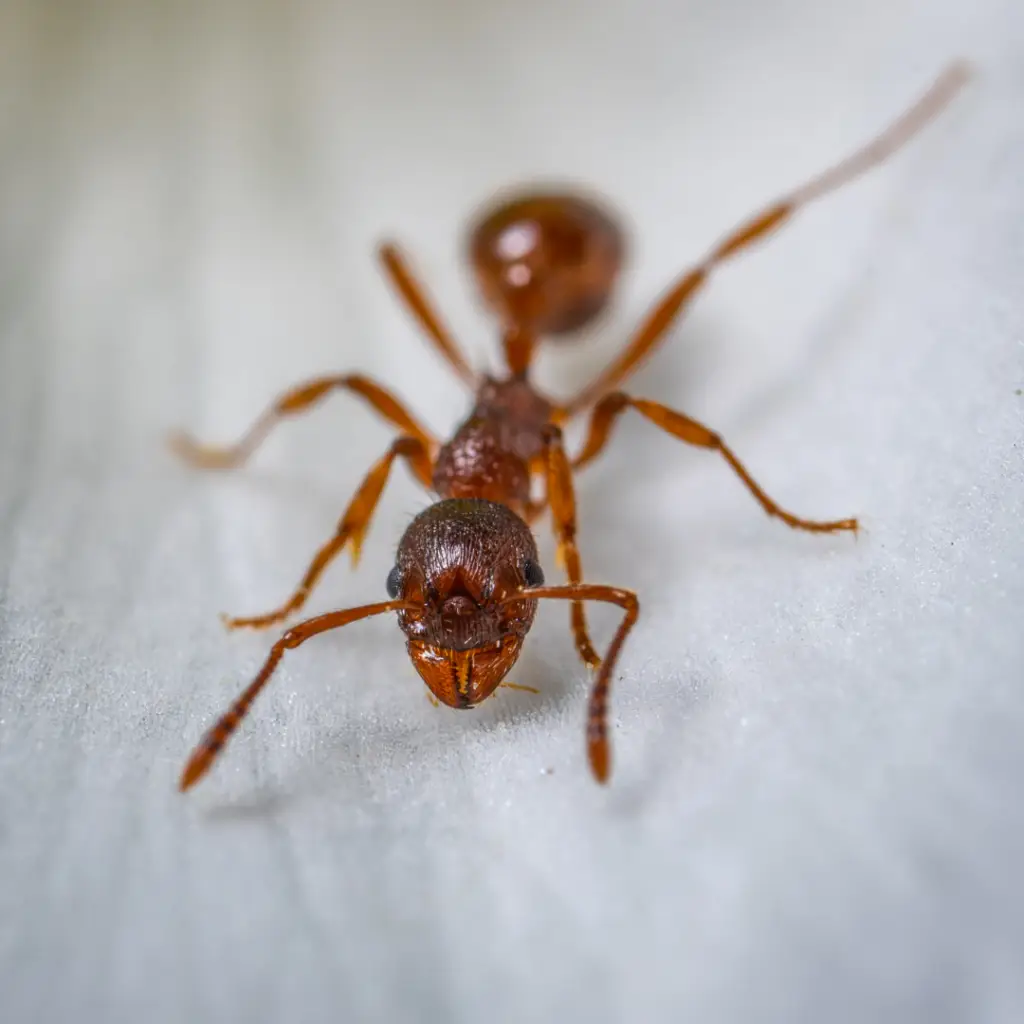
Fire ants are more than just a nuisance—they’re aggressive, cause painful stings, and are extremely challenging to remove once established in colonies on your property. The tiny foes build these huge underground nests and can disperse quickly if left unchecked. This guide will discuss early detection of fire ant activity, prevention techniques, and when to call a professional fire ant exterminator to keep your home pest-free. Warning Signs of Having Fire Ants on Your Property Early detection can stop full-fledged infestations from breaking out. Keep a lookout for the following: Best Practices for Keeping Fire Ants Out of Your Home 1. Keep Your Yard Well-Maintained Fire ant colonies love overgrown, clumpy areas. Keeping the grass nicely mowed, bushes trimmed, and debris out of the yard would all make the area less attractive to them. 2. Eliminate Food Sources Fire ants are constant foragers for food. Please clean up after outdoor eating times, keep all pet food inside, and ensure all garbage cans are tightly sealed to prevent them from being attracted. 3. Seal Entry Points Around Your Home Fire ants can find their way indoors through minute cracks and openings. Check around doors, windows, and foundations for any places of entry, and seal these with caulk or weather stripping. 4. Use Fire Ant-Repelling Landscaping Techniques Certain plants like mint, lavender, and marigolds can be unwelcoming to fire ants. Try incorporating some into your landscaping to not create an inviting asylum. 5. Maintain Proper Moisture Levels Fire ants are found in moist environments. Excessive irrigation or watering the lawn attracts fire ants. Therefore, ensure proper drainage at all times and avoid excessive irrigation. When Should You Hire a Pest Control Exterminator? If the fire ants are already established in colonies on your property, then the do-it-yourself approach may not be adequate. Consider calling a fire ant exterminator if: A fire ant exterminator has access to specific treatments that effectively kill fire ants while preventing future infestations. Conclusion Repelling a fire ant invasion is far more challenging than avoiding them. If you’ve noticed fire ants in your area, contact Fullscope Pest Control today. Infestations can be a real pain, but we have the solutions to eradicate them for good. Our fire ant exterminators specialize in all aspects of fire ant control, using proven techniques to target established populations. For a pest-free property, contact us today!
Fire Ant Control Methods That Work
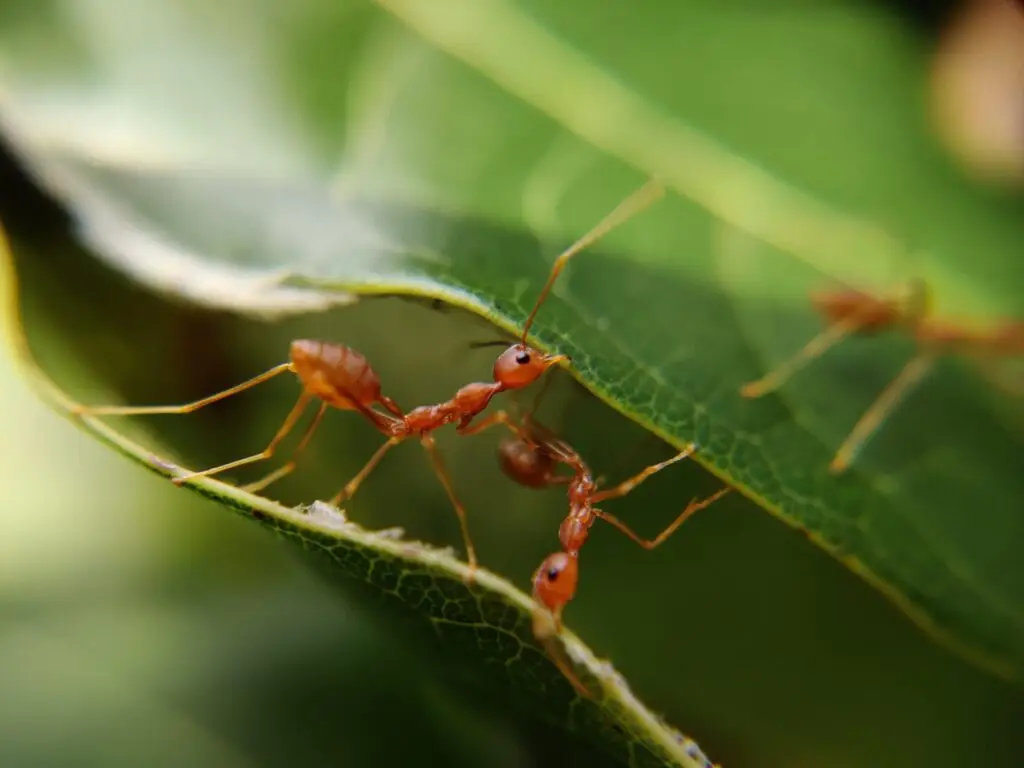
Key Highlights Introduction Fire ants, particularly the red imported fire ant (Solenopsis invicta), are a well-known and troublesome aggressive pest in many parts of the southeastern United States. They are aggressive and their painful stings can cause serious pain and injury to humans and animals. Additionally, fire ant infestations can cause damage to property, interfere with activities on golf courses, and be unsightly in home lawns. Controlling fire ants can be challenging, but with the right approach, it is possible to effectively manage these pests. Understanding the behavior and lifecycle of fire ants is crucial in developing an effective control strategy. It is also important to recognize the signs of fire ant infestation and the potential damage they can cause. At FullScope, we offer a comprehensive approach to fire ant control. Our services include an initial assessment and planning stage, where we identify the extent of the infestation and develop a customized control plan. We utilize integrated pest management strategies, including biological control, cultural control, and chemical solutions, to effectively eliminate fire ants and prevent future infestations. In this blog, we will explore the different methods of fire ant control that work, from cultural and biological control options to chemical solutions. We will also address frequently asked questions about fire ant control and provide tips for preventive measures and ongoing maintenance. Understanding Fire Ants Fire ants, specifically the red imported fire ant (Solenopsis invicta), are aggressive ants that can cause significant problems in both urban and agricultural areas. They are known for their painful stings, which can cause severe pain, itching, and swelling. Fire ants are omnivorous and feed on plants, insects, oils, and sugars. They prefer open, sunny areas and form colonies with winged males, reproductive females, and worker ants. It is important to understand the behavior and biology of fire ants in order to effectively control them. Identifying Common Fire Ant Species The red imported fire ant (Solenopsis invicta) is the most common species of fire ant in the southeastern United States. They are reddish-brown in color with shiny, dark abdomens and have two bumps between the thorax and abdomen. This species is known for its aggressive behavior and painful stings. While the red imported fire ant is the most prevalent species, there are other species of fire ants as well, such as the black imported fire ant (Solenopsis richteri) and the tropical fire ant (Solenopsis geminata). These species have similar behavior and can also cause damage and pose health risks. Identifying the specific species of fire ant is important for effective control measures. The Lifecycle of Fire Ants Fire ants have a complex lifecycle that includes different stages of development. A fire ant colony consists of three main types of ants: winged males, reproductive females, and worker ants. The winged males and reproductive females mate in flight, and the females establish new colonies by digging chambers in the soil for their eggs. The eggs hatch into larvae, which develop for 7-10 days before pupating. After the pupal stage, adult ants emerge. Worker ants are wingless, sterile females that perform various tasks within the colony, such as caring for the brood, foraging for food, and defending the nest. Understanding the lifecycle of fire ants is important for effective control measures. By targeting the reproductive individuals and disrupting the development of the brood, it is possible to eliminate fire ant colonies and prevent future infestations. The Impact of Fire Ants on Your Property Fire ant infestations can have a significant impact on your property. The mounds they build can interfere with activities on golf courses, damage equipment, and be unsightly in home lawns. Fire ants can also cause damage to plants, as they feed on both plant matter and insects. In addition to the physical damage they can cause, fire ants also pose health risks. Their painful stings can cause severe pain, itching, and swelling. Some individuals may also have allergic reactions to fire ant stings, which can lead to anaphylactic shock. It is important to address fire ant infestations promptly to protect your property and reduce the risk of stings. Recognizing the Signs of Fire Ant Infestation Recognizing the signs of fire ant infestation is crucial for effective control measures. The most obvious sign is the presence of fire ant mounds, which are typically built in open, sunny areas. These mounds can vary in size, but they are usually dome-shaped and made of loose soil. Another sign of fire ant infestation is the presence of worker ants foraging for food. They can be seen traveling in trails, particularly after rain or during cooler weather. Fire ant bait can be used to attract and eliminate worker ants. It is also important to note that fire ants can establish satellite colonies near the main colony. These satellite colonies can be smaller and may not have visible mounds. However, they can still pose a threat and should be treated along with the main colony. Potential Damage and Risks to Human Health Fire ants can cause a range of health problems, particularly through their painful stings. Some potential risks to human health include: It is important to note that children and individuals with allergies or compromised immune systems are particularly at risk. Fire ant stings should be taken seriously and prompt medical attention should be sought if severe symptoms, such as difficulty breathing or swelling of the face or throat, occur. Preventing fire ant stings and addressing infestations promptly can help reduce the risk of health problems associated with fire ants. FullScope’s Approach to Fire Ant Control FullScope Pest Control takes a comprehensive approach to fire ant control, focusing on effective strategies for long-term eradication. Our approach includes: When it comes to fire ant control, an initial assessment is crucial. FullScope Pest Control conducts a thorough evaluation of your property to determine the extent of fire ant infestations and identify high-risk areas. This assessment allows us to develop a customized plan for effective eradication. During the initial assessment, our pest control
FAQ’s Fire Ant Treatments
Here are some frequently asked questions about 12-month fire ant treatments: What is a 12-month fire ant treatment? A 12-month fire ant treatment is a method or product designed to control fire ant populations in an area for an extended period, typically lasting up to a year. How do 12-month fire ant treatments work? These treatments usually involve applying a long-lasting insecticide that targets fire ants. The goal is to provide continuous control over an extended period, preventing new colonies from forming. What types of products are commonly used for 12-month fire ant treatments? This treatment is a very specific product that is only available to licensed pest professionals and is a granular insecticide that controls fire ants for 12 months on aries where applied. When is the best time to apply a 12-month fire ant treatment? For this type of treatment for fire ants, application can occur anytime of the year. Is this product safe around our pets? Yes this product is people and pet friendly, it is applied as a granular application, does require it be watered to release the product. Should keep your pets out of the area until completely dry. Can 12-month fire ant treatments be used in residential areas? Yes, our 12-month fire ant treatments are suitable for use in residential yards, landscape, and other outdoor spaces. Do these treatments require professional application, or can they be done by homeowners? Please contact your local pest experts if you haev any additional questions or would like to schedule your 12 Month Fire Ant Treatment.