 1500+ reviews

Termites in House | How to Check for Termites | FullScope
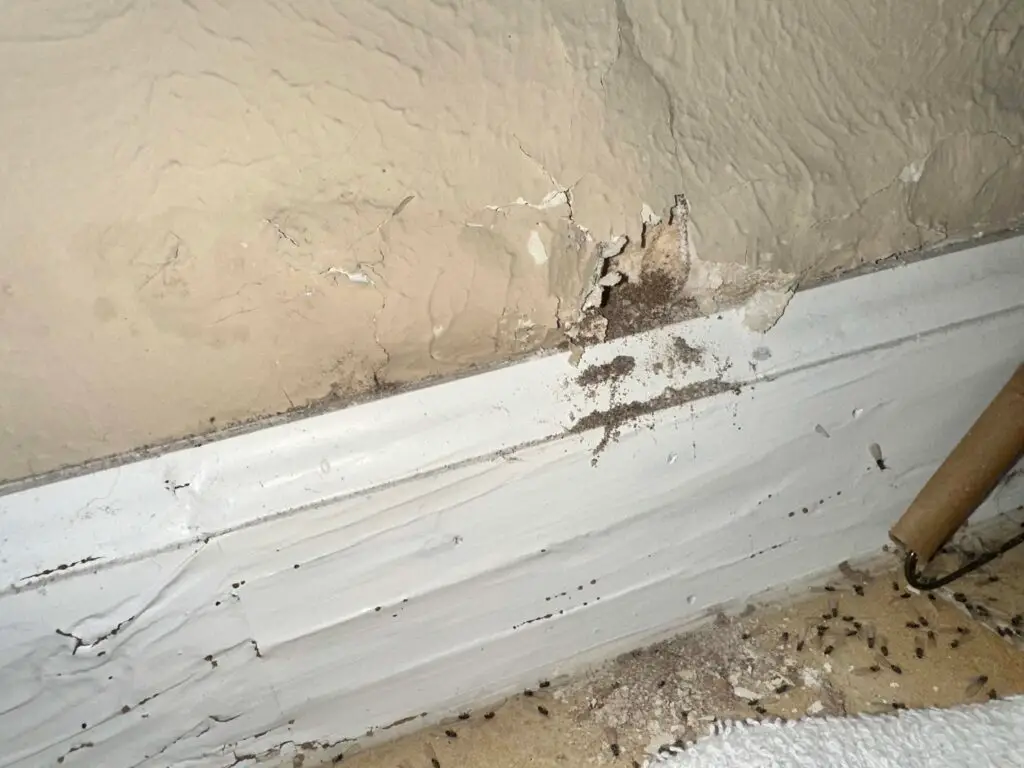
Key Highlights Introduction Termites are among the most destructive insects in the world, capable of causing significant damage to homes and other wooden structures. If left untreated, termite infestations can lead to structural damage and even the collapse of a building. However, with early detection and proper treatment, homeowners can protect their homes from the devastating effects of termites. Identifying the signs of a termite infestation is the first step in preventing extensive damage. In this blog, we will discuss how to check for signs of termites in your house and provide effective solutions for termite control. We will also explain the impact of termites on your home and answer some frequently asked questions about termite infestations. By understanding the warning signs of termites and taking appropriate measures, homeowners can safeguard their homes and ensure the longevity of their structures. Whether you choose to conduct a termite inspection yourself or hire a professional, the key is to be proactive in preventing and addressing termite infestations. Let’s dive into the details and learn how to check for termites in your house. Identifying Signs of Termites in Your Home Identifying the signs of a termite infestation is crucial in order to take prompt action and prevent extensive damage to your home. While termites can be difficult to detect, there are several warning signs that can indicate their presence. By keeping an eye out for these signs, you can catch a termite infestation early and minimize the potential damage to your property. 1. Unexplained Cracks on Internal Walls One of the first signs of a termite infestation is unexplained cracks on internal walls. As termites feed on wood, they create tunnels and galleries within the walls, causing the structure to weaken. This can lead to cracks appearing on the surface of the walls, especially in areas where the infestation is concentrated. These cracks may be small at first but can gradually widen over time, indicating significant termite damage. If you notice unexplained cracks on your internal walls, it is important to investigate further for a possible termite infestation. 2. Doors and Windows Becoming Hard to Open or Close Difficulty in opening or closing doors and windows can be a clear indication of termite damage. As termites feed on wooden structures, they can cause the wood to warp or become distorted. This can affect the functionality of doors and windows, making them hard to open or close smoothly. If you notice that your doors or windows are becoming increasingly difficult to operate, it is important to inspect the frames for signs of termite infestation. Pay close attention to any visible damage or weakened areas in the wood, as these can be telltale signs of a termite problem. 3. Clicking Sounds Within the Walls Clicking sounds within the walls can indicate termite activity. Termites communicate through vibrations, and these vibrations can produce clicking sounds that are often faint and difficult to detect. However, if you hear consistent clicking sounds coming from within your walls, it is advisable to investigate further for a possible termite infestation. While clicking sounds alone may not confirm the presence of termites, they can serve as an early warning sign and prompt further inspection. 4. Presence of Flying Termites or Their Discarded Wings The presence of flying termites or their discarded wings is a strong indication of a termite infestation. Flying termites, also known as termite swarmers, are reproductive termites that emerge from mature colonies in search of a mate and a suitable location to start a new colony. Seeing a swarm of flying termites or finding their discarded wings around your property can indicate the presence of an active termite infestation. These swarmers are often attracted to light sources and may be found near windows and doors. If you come across flying termites or their wings, it is important to take immediate action to address the termite problem. 5. Tunnels in Wood or Mud Tubes on Exterior Walls Tunnels in wood or mud tubes on exterior walls are clear signs of termite activity. Subterranean termites, one of the most common types of termites, build mud tubes to protect themselves while traveling from their underground colonies to sources of food, such as wood in your home’s structure. These mud tubes can often be found on exterior walls, especially near the foundation. If you notice mud tubes or tunnels in wood, it is important to address the termite infestation promptly to prevent further damage to your home. 6. Soft Wood That Sounds Hollow When Tapped Soft wood that sounds hollow when tapped can indicate a termite infestation, particularly drywood termites. Drywood termites infest dry wood and create galleries within the wood as they feed. This can result in the wood becoming hollow and weakened, causing it to produce a distinctive hollow sound when tapped. If you suspect a termite infestation and find areas of wood in your home that sound hollow, it is important to conduct a thorough inspection to confirm the presence of termites and take appropriate measures for termite control. 7. Piles of Termite Droppings Near Wood Structures Piles of termite droppings, also known as frass, near wood structures can indicate a termite infestation. As termites feed on wood, they produce droppings that are pushed out of their tunnels and accumulate in piles. These droppings are often small, granular, and resemble sawdust or coffee grounds. If you come across piles of termite droppings near wooden structures in your home, it is a clear sign of termite activity. Prompt action is necessary to address the infestation and prevent further damage to your property. You see swarmers emerge inside the building, or find dead swarmers on the floor or windowsill. If you see swarmers emerging inside your building or find dead swarmers on the floor or windowsill, it is a strong indication of a termite infestation. Swarmers are reproductive termites that leave their existing colonies to start new colonies. Their emergence inside the building suggests that there is an active termite