Fullscope Pest Control

Termites with Wings: Signs of Trouble in Your Home

Termites Control Willis TX

Key Highlights Introduction Termites are a common pest that can cause significant damage to homes and buildings. While all termites are problematic, termites with wings, also known as swarmers or alates, are especially concerning. These winged termites are the reproductive members of a termite colony and their primary role is to start new colonies. Seeing flying termites in your home or property can be a sign of a significant termite problem and potential structural damage. Understanding winged termites and being able to identify them is crucial in taking the necessary steps to protect your home. By recognizing the physical characteristics of flying termites and knowing the difference between termites and other flying insects like ants, you can be proactive in preventing termite infestations and minimizing damage to your property. In this blog, we will explore the lifecycle of a termite, why termites grow wings and fly, how to identify winged termites in your home, the significance of seeing flying termites, immediate steps to take upon sighting, inspecting your home for termite damage, professional vs. DIY termite control, and preventative measures against termite infestations. By the end of this blog, you will have a better understanding of winged termites and the signs of trouble in your home, allowing you to take the necessary actions to protect your property. Understanding Winged Termites Recommended Read: 10 Warning Signs of Termites To understand winged termites, it is important to first understand the termite life cycle. Termites go through several stages in their lifecycle, including the reproductive stage where they develop wings and become winged termites, also known as alates or swarmers. Winged termites are the reproductive members of a termite colony and their primary role is to start new colonies. They are larger than worker termites and are equipped with wings, allowing them to fly. These winged termites are responsible for leaving their colony during a phenomenon known as nuptial flight, where they mate and establish new colonies. Identifying winged termites in your home is a warning sign of a termite problem. Their presence indicates the potential for significant damage to your property. By understanding the behavior and characteristics of winged termites, you can take the necessary steps to protect your home from infestation and minimize the risk of structural damage. The Lifecycle of a Termite The termite life cycle consists of several stages, starting with the egg stage, followed by the nymph stage, and ending with the adult stage. During the reproductive stage, some termites develop wings and become winged termites, also known as alates or swarmers. The reproductive termites, or swarmers, are larger than worker termites and are equipped with wings. They are responsible for leaving their colony during a phenomenon known as nuptial flight. During this flight, the male and female swarmers mate, after which the male dies and the female becomes the queen of a new colony. In the new colony, the queen lays eggs, which hatch into nymphs. The nymphs develop into different castes, including workers, soldiers, and more reproductive termites. The workers are responsible for foraging for food, building and repairing the nest, and taking care of the other termites in the colony. Understanding the lifecycle of a termite is essential in identifying and controlling termite infestations. By knowing when and how termites develop wings and become winged termites, you can take the necessary steps to address the problem and protect your home from further damage. Why Termites Grow Wings and Fly Termites grow wings and fly as part of their reproductive process. The flight, known as nuptial flight, occurs when the conditions are right for the termite colony to expand and establish new colonies. During nuptial flight, winged termites emerge from their nest in large swarms, usually after a heavy rain when the weather begins to warm. These swarms are a common sign of a nearby termite infestation. The winged termites, or swarmers, are the reproductive members of the colony and their primary role is to mate and start new colonies. The swarmers search for a suitable location to establish their new colony, and if they successfully mate and find the right conditions, they will shed their wings, become the king and queen of their new termite kingdom, and begin the process of building a new colony. Understanding why termites grow wings and fly can help homeowners recognize the signs of a termite infestation and take immediate action to prevent further damage. By addressing the problem early, you can protect your home from the destructive effects of termites and minimize the risk of a full-blown termite infestation. Identifying Winged Termites in Your Home Identifying winged termites in your home is an important step in recognizing a potential termite problem and taking immediate action to address it. Winged termites, also known as termite swarmers or alates, can often be seen flying around windows, doors, vents, or light fixtures. The physical characteristics of winged termites include straight antennae, a thicker waist, and a pair of wings that are all the same length. These winged termites are attracted to light and are often found near sources of light in your home. The presence of winged termites in your home is a warning sign of a potential termite infestation and structural damage. If you notice winged termites or discarded wings in your home, it is important to contact a professional pest control service to assess the situation and take appropriate measures to eliminate the termites and protect your home. Physical Characteristics of Flying Termites Flying termites, or winged termites, can be identified by their specific physical characteristics. These characteristics include: These physical characteristics can help distinguish flying termites from other flying insects, particularly flying ants. By recognizing these characteristics, homeowners can be proactive in identifying and addressing termite infestations to protect their homes from structural damage. Difference between fly ants and flying termites Common Mistakes: Termites vs. Ants It is common for people to mistake flying termites for flying ants. However, there are distinct differences between the two: Termites Ants

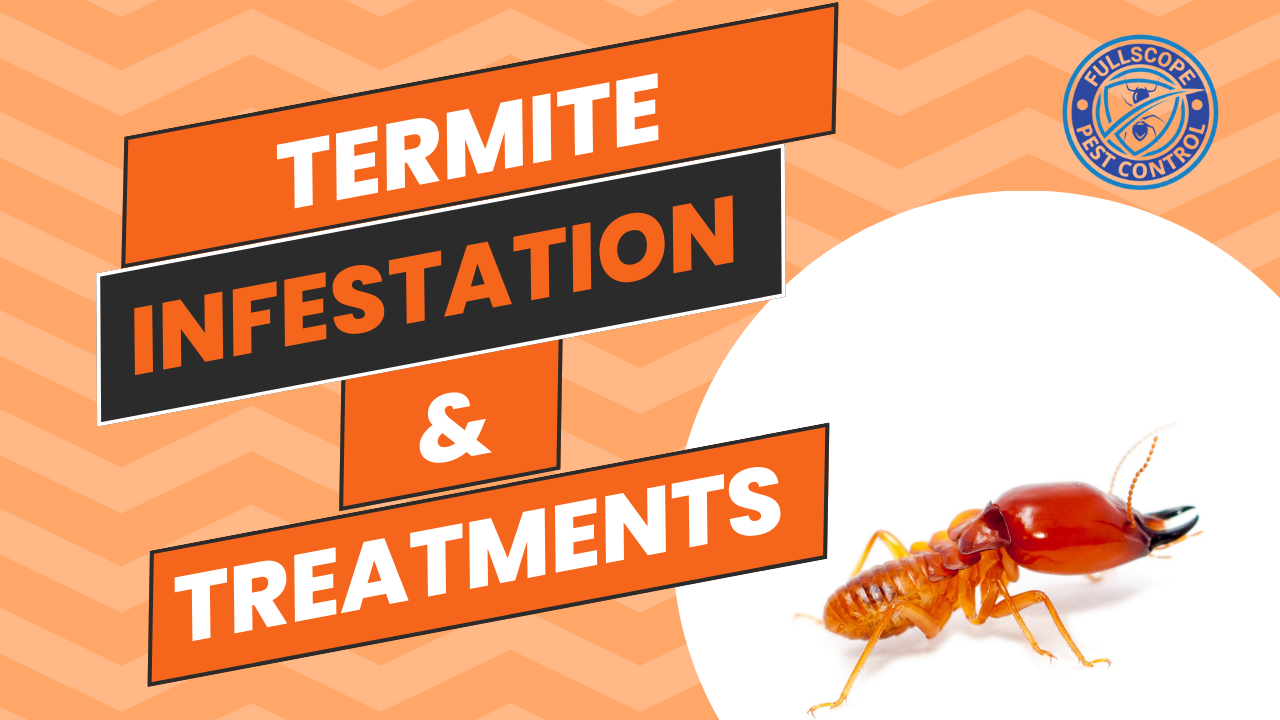
Termite Infestation & Available Treatments: What to Look For

Key Highlights Are you starting to notice strange signs around your home, like tiny wood-colored pellets or hollow-sounding timber? These could be indicators of a termite infestation silently wreaking havoc on your property. In our upcoming blog post, we will delve into the intricate world of termite infestations and how to spot them before they cause irreparable damage. From understanding the behavior and lifecycle of termites to exploring professional treatment options and DIY prevention strategies, this comprehensive guide will equip you with the knowledge needed to safeguard your home. Keep an eye out for tips on identifying common signs of termite presence, steps to take if you suspect an infestation, and long-term management techniques to ensure your home remains termite-free. Don’t let these pests nibble away at your peace of mind – join us as we uncover everything you need to know about termite infestations! Introduction Termites are among the most destructive insects in the world, capable of causing severe damage to homes and other wooden structures. Termite infestations can weaken building supports, leading to costly repairs and even structural collapse in extreme cases. It’s essential to be aware of the signs of a termite infestation and take immediate action to prevent further damage. Identifying a termite infestation can be challenging, as termites often live and travel in hidden areas such as walls, floors, and ceilings. However, there are several signs that can indicate a termite problem. Look out for dead termites or wings in the corners of your home, as well as strange, musty smells throughout the house. Termite droppings, called frass, may be present along baseboards and window sills. You might also notice mud tubes climbing the foundation of your home on the exterior of your house near the foundation or sawdust near doors and windows. In this blog, we will delve deeper into how to identify a termite infestation, the differences between termite species, termite behavior, initial steps to take when you suspect termites, professional termite treatment options, DIY prevention strategies, and the financial impact of termite damage. By the end of this blog, you will have a comprehensive understanding of termite infestations and the necessary steps to protect your home. So let’s get started! Identifying a Termite Infestation Identifying a termite infestation in your home is crucial to prevent further damage and take necessary action. Many people don’t realize they have a termite problem until it’s too late, as termites often infest hidden areas and leave minimal visible signs. However, there are a few key indicators that can help you identify a termite infestation and prevent costly damage: https://www.forbes.com/home-improvement/pest-control/signs-of-termite-infestation One of the most common signs of a termite infestation is damaged wood, including drywall. Termites feed on wood, hollowing it out from the inside, which weakens the structure. Look out for sagging floors, buckling walls, or hollow-sounding drywall when tapped. You may also notice small holes or tunnels on the surface of the drywall or wallpaper, as termites can eat through both materials. Additionally, termite activity can cause paint to bubble or crack and wallpaper to peel. Another sign of a termite infestation is the presence of termite droppings, also known as frass. These small, pellet-like droppings can be found near termite nests or along baseboards and window sills. Keep an eye out for mud tubes on the exterior of your home, as they are often used by termites as a pathway between their nest and a food source. By being vigilant and recognizing these signs, you can catch a termite infestation early and take the necessary steps to address the problem. It’s essential to act quickly to limit the damage and protect your home. Common Signs Termites Leave Behind When it comes to identifying a termite infestation, there are several common signs that termites leave behind. By recognizing these signs, you can take immediate action to address the problem. Here are some key indicators of a termite infestation: By being aware of these signs and regularly inspecting your home for any termite activity, you can catch an infestation early and take the necessary steps to address the problem. Remember, early intervention is key to minimizing damage and protecting your home. Differences Between Termite Types and Their Indicators There are different types of termites that can infest your home, and understanding the differences between them can help in formulating effective treatment strategies. The two main types of termites that commonly infest homes are drywood termites and subterranean termites. Drywood termites typically infest dry wood, such as furniture or wooden structures within your home. They do not require contact with soil and can survive solely on the moisture present within the wood they infest. Signs of a drywood termite infestation include small holes in the wood, piles of sawdust-like pellets (termite droppings), and blistered or buckled floors. On the other hand, subterranean termites live in the soil and require contact with moisture to survive. They build mud tubes to protect themselves as they travel between their nest and a food source, such as wooden structures in your home. Signs of a subterranean termite infestation in the United States include mud tubes on the exterior of your home, damaged wood, and the presence of swarmers during termite season. It’s important to understand the type of termite infestation you have, as different treatment methods may be required. Consulting with a professional pest control service can help determine the most effective approach to eliminate the specific termite species infesting your home. https://www.britannica.com/animal/termite Homeowners: Why Termites Swarm and What It Means for You Termite swarming is a natural part of the reproductive cycle of termites and occurs when a termite colony has grown large enough to establish new colonies. Understanding why termites swarm and what it means for your home is essential in preventing further infestations. Termite swarm season typically occurs between March and June, although in warmer areas like Florida, it can happen throughout the year. During this time, termite swarmers take flight to find mates and establish new