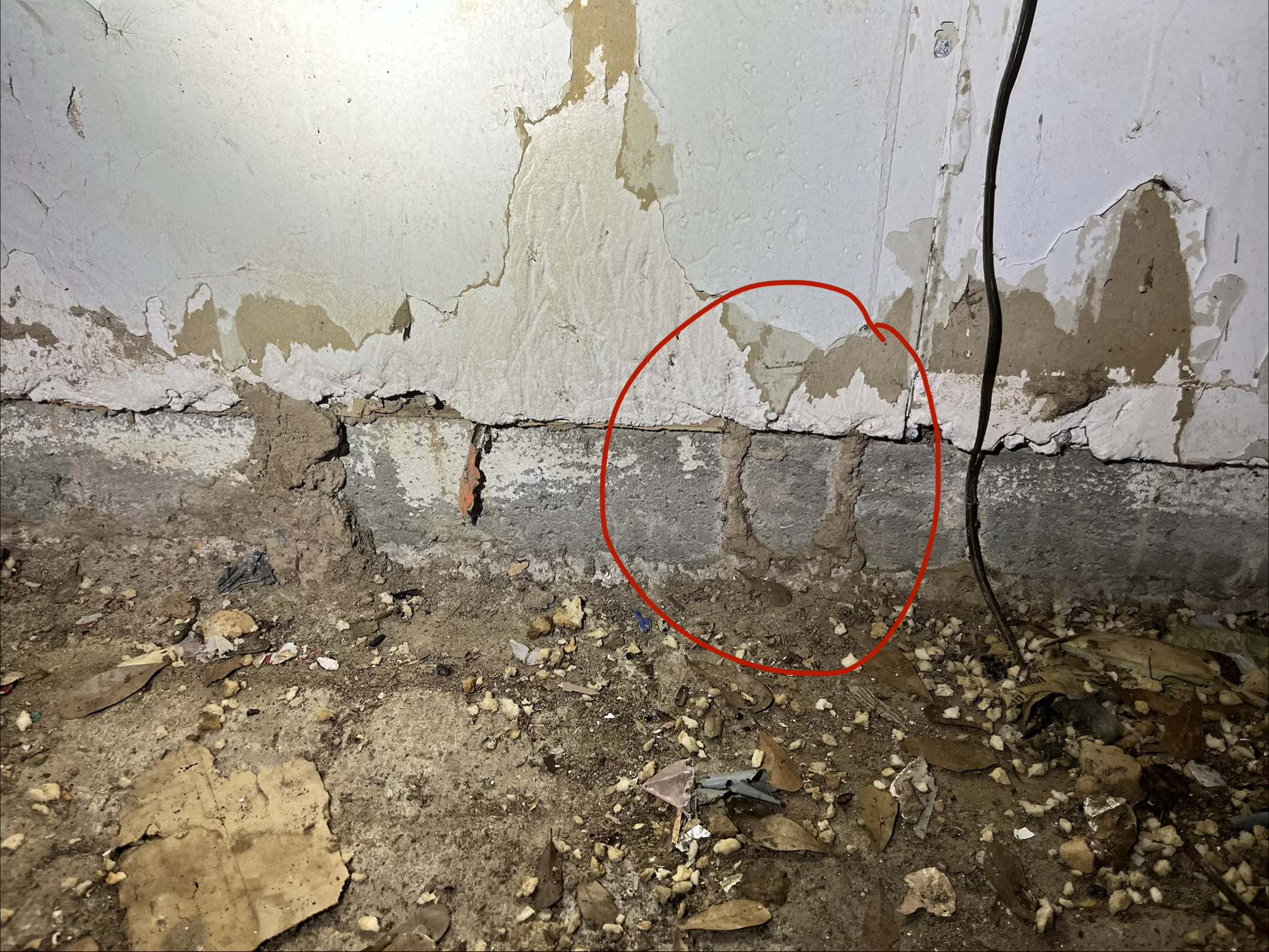
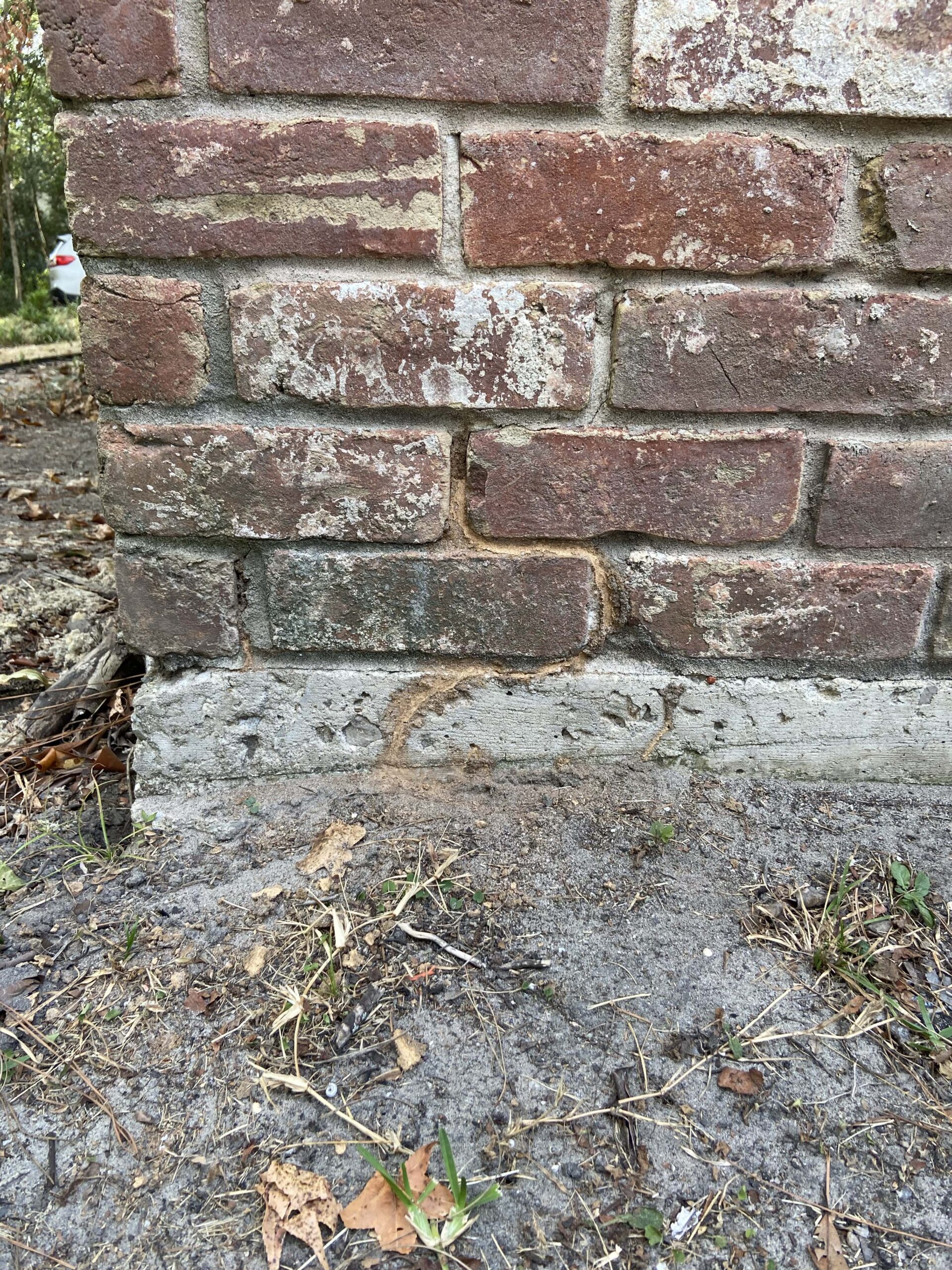
Texas winters often bring cooler temperatures without the deep freezes seen in other regions. While this mild climate offers comfort to homeowners, it creates an unexpected advantage for termites. Instead of becoming dormant, many termite species remain active beneath the soil or within structural wood throughout the winter. This hidden termite threat can lead to ongoing damage long before homeowners realize a problem exists. Because termites never stop feeding, winter only slows surface activity, not the internal destruction happening within walls, beams, and crawl spaces.
Understanding how termites behave during mild winters is essential for protecting homes from long-term structural damage. Without consistent monitoring, subtle signs can be missed, allowing colonies to grow, reproduce, and expand their feeding areas. When winter fails to deliver freezing temperatures, termites continue exploring soil for moisture, warmth, and food sources in and around the home. These conditions make winter one of the most important times to strengthen termite control measures.
How Mild Winters Influence Termite Behavior
Termites depend on warmth and moisture to survive. While extreme cold can slow or temporarily suppress their activity, mild Texas winters allow termites to continue feeding underground and inside wood. Even small pockets of heat from foundations, water lines, or interior walls can sustain entire colonies during cooler months.
Several behaviors make termites especially concerning during mild winters:
- Colonies stay active in soil that never fully freezes
- Subterranean workers continue tunneling and feeding silently.
- Moisture from winter rain increases favorable conditions beneath the home
These factors mean that termite pressure remains steady throughout the winter. Activity may shift deeper into the soil during cold snaps, but it quickly resumes once temperatures rise even slightly. For property owners, this makes winter a critical season to assess vulnerabilities and ensure the home is not supporting a growing colony. Insight into winter assessments can be strengthened by understanding how to read inspection report findings helps clarify the signs professionals look for during colder months.
Why Termites Remain a Year-Round Risk in Texas
Unlike seasonal pests that appear only during summer, termites do not rely on warm weather to survive. Subterranean termites, one of the most common species in Texas, live in the soil year-round. They maintain consistent moisture levels inside their tunnels, allowing them to avoid harsh temperatures and stay active even when the surface feels cool.
Why termites remain active year-round:
- Underground tunnels provide insulation from winter conditions
- Heated homes create warm zones that termites gravitate toward
- Mild winters allow swarmers to emerge earlier in the year.
Even without visible swarmers, termites may be actively feeding inside wooden structures during winter. This is why no season offers complete relief from termite pressure in Texas. Homeowners who assume winter inactivity often overlook early warning signs such as warped wood, mud tubes, or hollow-sounding beams. A year-round perspective on termite control ensures these hidden activities are identified and addressed long before significant damage occurs.
Preventive Measures That Strengthen Winter Termite Protection
Prevention plays a central role in managing the termite threat during mild winters. Because termites are drawn to moisture and structural weaknesses, homeowners benefit from reducing the conditions that support colony expansion. Steps taken in winter help limit both current and future activity as the home transitions into warmer months.
Key preventive actions include:
- Removing wood debris, fallen branches, and moisture-retaining material around the foundation
- Ensuring gutters, downspouts, and drainage systems move water away from the home
- Repairing leaks in crawl spaces, kitchens, bathrooms, or exterior faucets that create moisture pockets
Winter is also an ideal time to evaluate soil conditions around the property. Proper soil grading and clearance reduce the pathways termites use to reach wooden structures. Homeowners planning renovations or structural improvements benefit from understanding proactive soil strategies and how soil conditions influence termite access. Even though these techniques are commonly used for new construction, they highlight principles that support winter termite prevention in established homes.
Warning Signs That May Still Appear During Winter
While termite activity becomes less noticeable outdoors in winter, indoor signs can still surface. Because colonies remain active inside walls and beneath the foundation, homeowners may notice subtle indicators that suggest termites are feeding behind the scenes.
Warning signs include:
- Mud tubes on walls, foundation edges, or near plumbing entry points
- Wood that sounds hollow when tapped or appears blistered
- Small piles of termite droppings near baseboards or window frames
These signs often go unnoticed in winter because homeowners are less likely to inspect outdoor areas during colder conditions. However, interior clues can be especially revealing during this season. Termites that move closer to interior heat sources may create new tubes, expand feeding sites, or leave behind debris. Routine checks of interior walls, utility spaces, and foundation areas help detect problems before they escalate.
Building a Year-Round Termite Control Strategy
Creating a year-round termite control strategy is essential in regions where winters remain mild. Because termite behavior does not fully slow, homeowners benefit from continuous vigilance, seasonal inspections, and consistent moisture control. Winter becomes a valuable time to review the property for weaknesses and apply preventive measures that strengthen long-term protection.
A strong winter strategy includes:
- Scheduling professional inspections to assess hidden activity
- Reinforcing areas where moisture gathers or wood contacts soil
- Maintaining proper ventilation in crawl spaces and attics
- Monitoring problem areas that have shown termite activity in the past
Year-round protection ensures that small issues do not evolve into widespread structural damage. With termites capable of feeding continuously, homeowners who act early avoid costly repairs and maintain a safer, more stable living environment.
A Smarter Approach to Year-Round Termite Safety
For long-term protection and expert guidance on termite control throughout all seasons, consider contacting Fullscope Pest Control for thorough inspections and tailored prevention strategies.