Fullscope Pest Control
NEIGHBORHOOD REPORT · JULY 2026

Pest activity in Kingwood

23
Jobs This Month
Fire Ants
Top Pest
+22%
Mosquitoes vs Last Year

July 2026 brought peak pest pressure to Kingwood and the surrounding Lake Houston corridor. Our technicians completed 23 service calls across Forest Cove, Kings Forest, Oakhurst, Woodland Hills, and neighboring villages — and the pattern was consistent: the combination of 95°F highs, daily heat indices above 105°F, and 4.1 inches of monthly rainfall created near-ideal breeding conditions for every major pest species in Harris County.

Red imported fire ants (Solenopsis invicta) were the top call driver this month, accounting for roughly a third of all service visits. The wet spring followed by intense summer heat caused satellite colony formation throughout Kingwood Village — existing mounds spread rapidly and new ones emerged within 48 hours of rain events. Homeowners near greenbelt corridors and retention ponds along Kingwood Drive and West Lake Houston Parkway reported the heaviest activity.

Mosquitoes — primarily southern house mosquitoes (Culex quinquefasciatus) and Asian tiger mosquitoes (Aedes albopictus) — were a close second. Standing water in low-lying areas near Lake Houston, drainage easements in Trailwood and Rivergrove, and ornamental water features all served as active breeding sites. Asian tiger mosquitoes are identifiable by their black-and-white striped legs and are daytime biters that thrive in Kingwood's shaded, humid canopy conditions.

German cockroaches (Blattella germanica) accounted for a notable uptick compared to June, driven primarily by the heat pushing insects indoors to seek air conditioning. We also documented continued activity from roof rats (Rattus rattus) in attic spaces — a year-round issue in neighborhoods with mature oak canopy that gives rodents overhead access to rooflines.
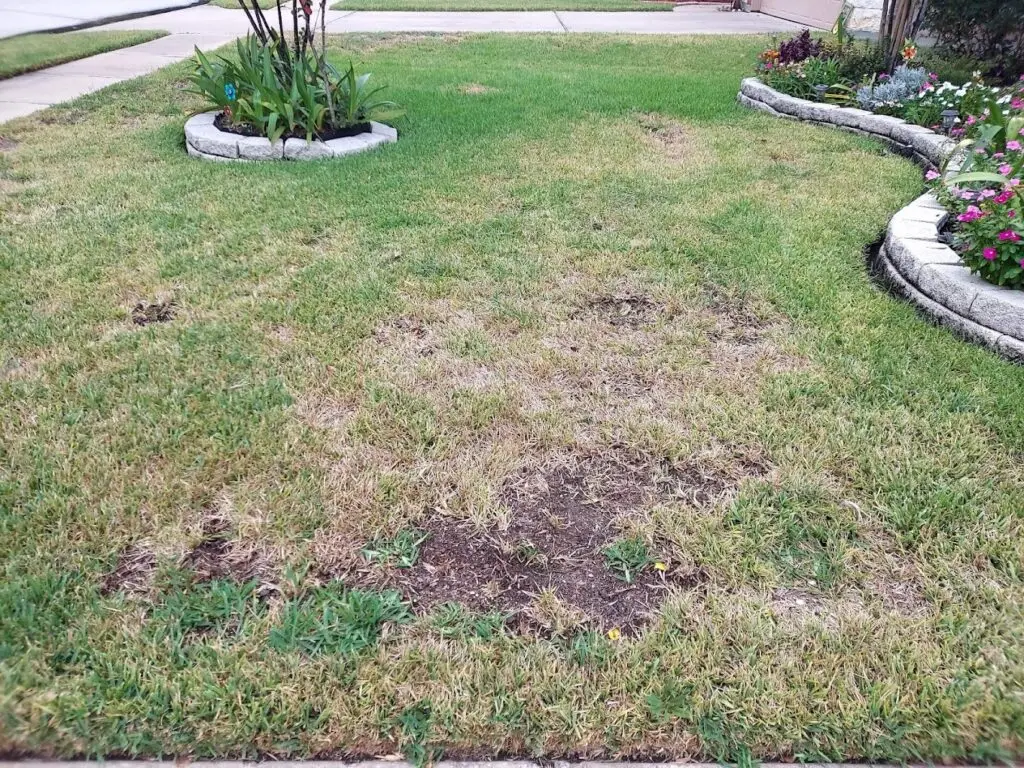
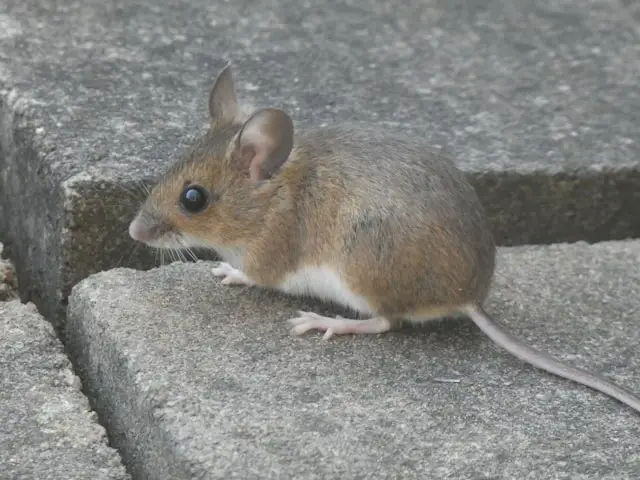
Fire Ants
8 ▲ 18%
Mosquitoes
6 ▲ 22%
Cockroaches
4 ▲ 9%
Rodents
3 ▼ 6%
Wasps
2 ▼ 14%
  • Fire ant mound resurgence after August rain events u2014 colonies rebuild within 72 hours of rainfall as heat subsides
  • Asian tiger mosquito (Aedes albopictus) peak u2014 daytime biters most active in shaded areas under Kingwood's tree canopy
  • Roof rat activity increasing as juveniles born in spring reach maturity and seek interior harborage in attics
  • German cockroach pressure in kitchens and garages as late-summer heat drives insects indoors toward A/C
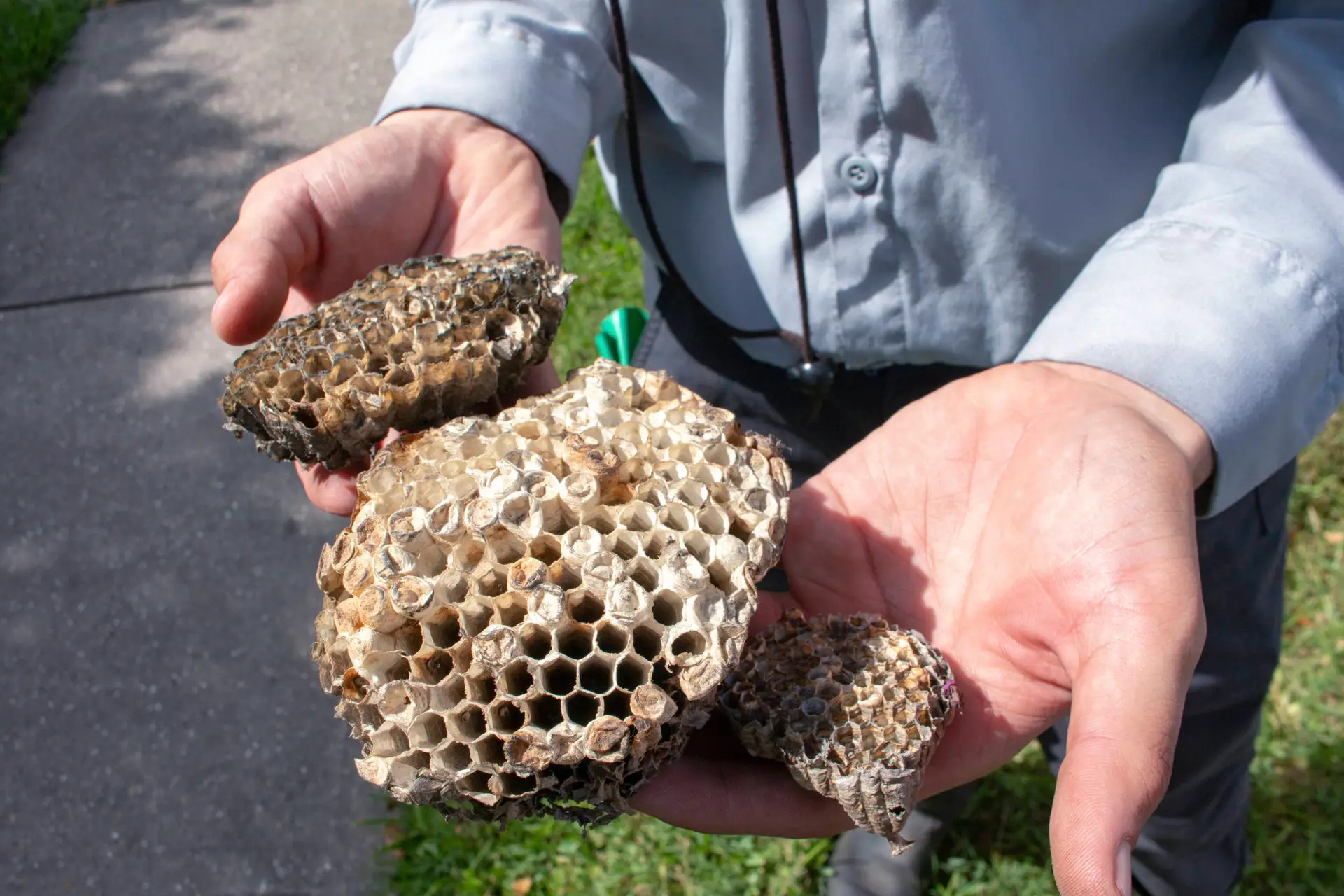
  • Paper wasp nests reaching maximum size u2014 eaves, fence posts, and outdoor furniture are prime nesting sites in August
Kingwood pest control
Forest CoveKings ForestOakhurstWoodland HillsSherwood TrailsMill CreekBarringtonTrailwoodRivergroveLake Kingwood TrailsNorthpark ForestThe PeaksRoyal BrookAtascocitaHumbleSummerwoodEagle SpringsFall Creek
Common pest questions in Kingwood
Why are fire ants so bad in Kingwood in the summer?
Kingwood sits in Harris County, which has some of the highest red imported fire ant (Solenopsis invicta) densities in North America. The combination of sandy loam soils, warm temperatures year-round, and abundant moisture from Lake Houston-area drainage creates ideal conditions. Fire ant colonies are perennial here u2014 they never die off in winter u2014 so populations compound each year. July and August are typically the worst months because colonies form satellite mounds rapidly after rain and heat events.
When is mosquito season in Kingwood, TX?
Mosquito season in Kingwood runs roughly March through November, but peak pressure falls in June, July, and August. Two species dominate: southern house mosquitoes (Culex quinquefasciatus), which breed in stagnant water and bite at dusk and dawn, and Asian tiger mosquitoes (Aedes albopictus), which breed in tiny water sources like clogged gutters and plant saucers and bite during the day. Kingwood's mature tree canopy and proximity to Lake Houston and its tributaries create persistent breeding habitat.
Do I need pest control year-round in the Kingwood area?
Yes. Unlike northern states where cold winters provide a hard reset, Kingwood's mild winters (average January low: 43u00b0F) mean most pest populations overwinter and remain active at low levels even in December and January. Fire ants, cockroaches, rodents, and certain mosquito species are present every month of the year. Quarterly treatments maintain a chemical barrier that prevents populations from establishing u2014 reactive treatment after an infestation is always more costly than preventive maintenance.
What pests are most common near Lake Houston and Kingwood's greenbelt areas?
Properties adjacent to the Lake Houston watershed, greenbelt corridors, and Kingwood's extensive drainage easements see elevated pressure from mosquitoes (multiple Culex and Aedes species), fire ants along moist soil margins, and rodents (roof rats and Norway rats) that use the wooded corridors as travel routes. Armadillos and wild hogs occasionally disturb yards in outer Kingwood villages but are outside our standard treatment scope.
How does July heat and humidity affect pest activity in Kingwood?
High heat and humidity in July accelerate insect development cycles dramatically. Fire ant queens lay more eggs, mosquito larvae develop from egg to adult in as few as 7 days (versus 14 in cooler months), and cockroach reproduction rates double compared to spring. Heat also drives many insects indoors u2014 cockroaches, spiders, and silverfish all move inside to seek air conditioning. The combination of outdoor pressure and indoor migration makes July one of the busiest pest control months in the Kingwood area.