 1500+ reviews

What Are The Most Common Pests Found In Texas Homes?
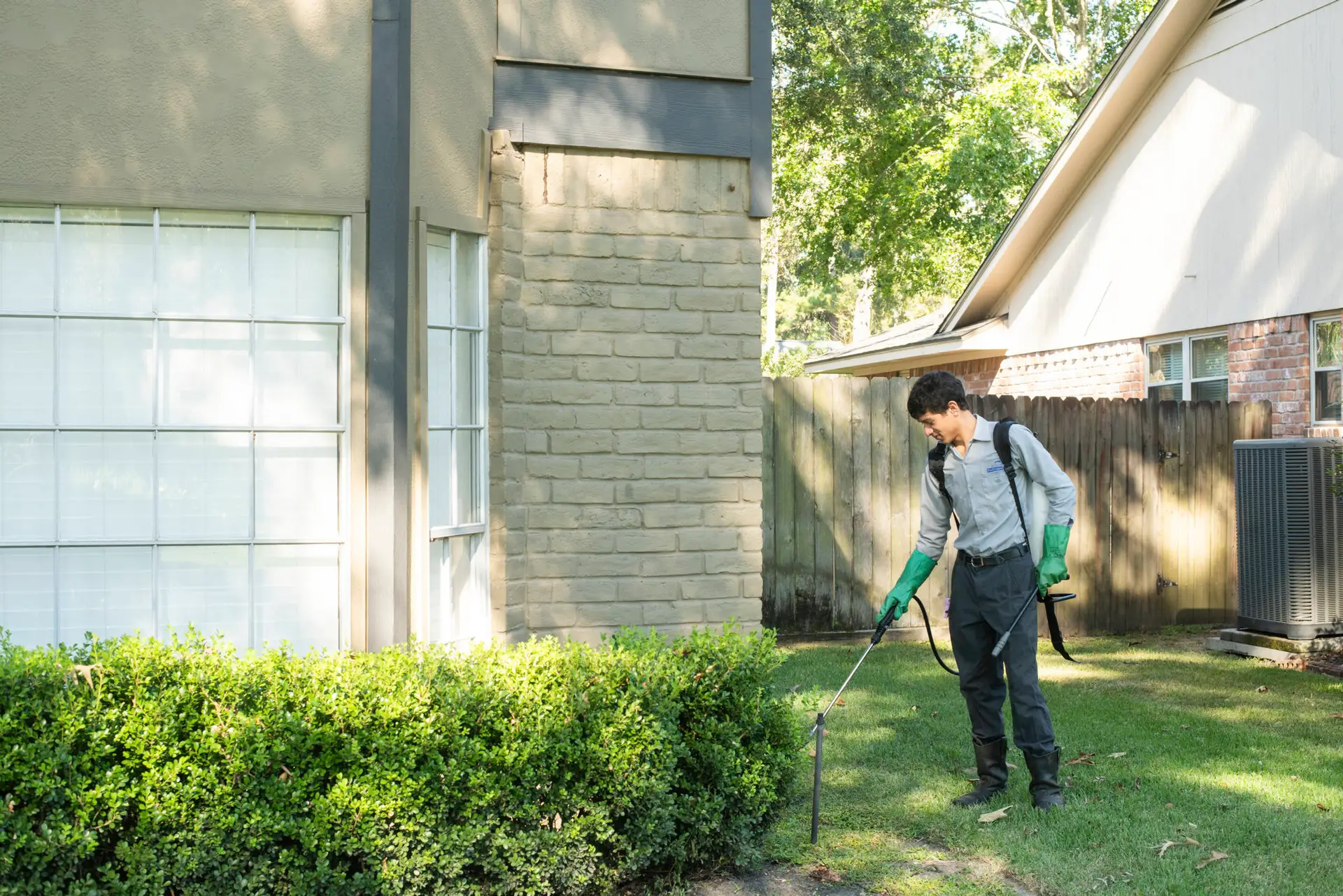
Texas homes experience year-round pest activity due to warm temperatures, humidity shifts, and expanding residential development. Seasonal changes may influence pest behavior, but many species remain active throughout the year. From structural invaders to nuisance insects, understanding which pests are most common helps homeowners respond early and effectively. Professional pest management focuses on accurate identification, seasonal patterns, and preventive strategies such as spring pest control. Addressing pest pressures early reduces the likelihood of severe infestations and long-term structural damage. Ants: Persistent Indoor And Outdoor Invaders Ants are among the most frequently reported pests in Texas homes. The warm climate supports large colonies, and small entry points make access easy. Common issues with ant infestations include: Different ant species require different treatment approaches. Surface sprays may reduce visible activity temporarily, but colony elimination requires targeted strategies. Professionals identify nesting sites and use precise baiting systems to disrupt reproduction cycles. Understanding the importance of spring pest prevention is especially critical for ants, since colony expansion often accelerates as temperatures rise. Early intervention limits the spread before peak summer activity. Termites: Silent Structural Threats Termites pose a significant concern for Texas homeowners. Subterranean termites are particularly active due to soil moisture and warm conditions. Warning signs may include: Termite infestations often develop quietly. Damage may remain hidden for extended periods before becoming noticeable. Professional inspection evaluates structural wood, soil contact areas, and moisture conditions to determine risk levels. Seasonal monitoring plays an important role. Early planning during high activity months reduces vulnerability and limits structural impact. Because termites compromise structural integrity, prompt professional assessment is critical. Rodents: Health And Structural Concerns Rodents remain active throughout the year, seeking food, shelter, and warmth inside homes. Mice and rats exploit small entry gaps and often nest in attics, garages, and wall voids. Common indicators include: Rodents create both contamination and fire risks due to wire chewing. Eliminating active populations without sealing entry points often leads to recurring problems. Professional pest management combines removal, exclusion, and monitoring. Structural inspection identifies vulnerabilities that allow rodents to reenter. Cockroaches And Spiders: Indoor Nuisance Pests Cockroaches thrive in warm, humid environments and often enter through plumbing lines or foundation cracks. Spiders follow insect populations and build webs in undisturbed areas. Cockroach concerns include: Spider issues typically involve: Both pests benefit from moisture control and sanitation improvements. Professional treatments focus on targeted placement rather than widespread application. Spring pest control helps reduce early-season population growth, limiting the likelihood of heavy summer infestations. Wasps And Outdoor Invaders Outdoor pests often become indoor concerns if not managed early. Wasps, for example, build nests under eaves, patios, and rooflines. Common outdoor pest issues include: Attempting to disturb nests without proper equipment can trigger defensive behavior. Professional assessment ensures safe removal and prevention planning. Long-term stability depends on ongoing evaluation and environmental management. Embracing the concept of living a pest-free life means focusing on prevention, routine inspections, and timely intervention rather than reactive treatment alone. Texas homes face overlapping pest pressures. Ants may invade during heavy rains. Termites may swarm during warm, humid days. Rodents seek shelter during cooler shifts. Without consistent monitoring, minor activity can escalate. Professional pest management provides structured oversight that adapts to seasonal changes. Accurate identification, targeted treatment, and exclusion planning work together to reduce recurring infestations. Protect Your Texas Home With Expert Guidance If you are noticing signs of ants, termites, rodents, cockroaches, spiders, or wasps, early professional evaluation can prevent costly damage and recurring infestations. For dependable spring pest control and year round protection, contact Fullscope Pest Control.